During pregnancy, many parents are surprised to hear their provider suggest a “prenatal non-stress test,” often shortened to NST. This simple, painless test gives your care team extra information about how your baby is doing inside the womb, especially in the later weeks of pregnancy. Think of it as a way to watch how your baby’s heart responds to everyday life before birth.
What Is a Prenatal Non-Stress Test?
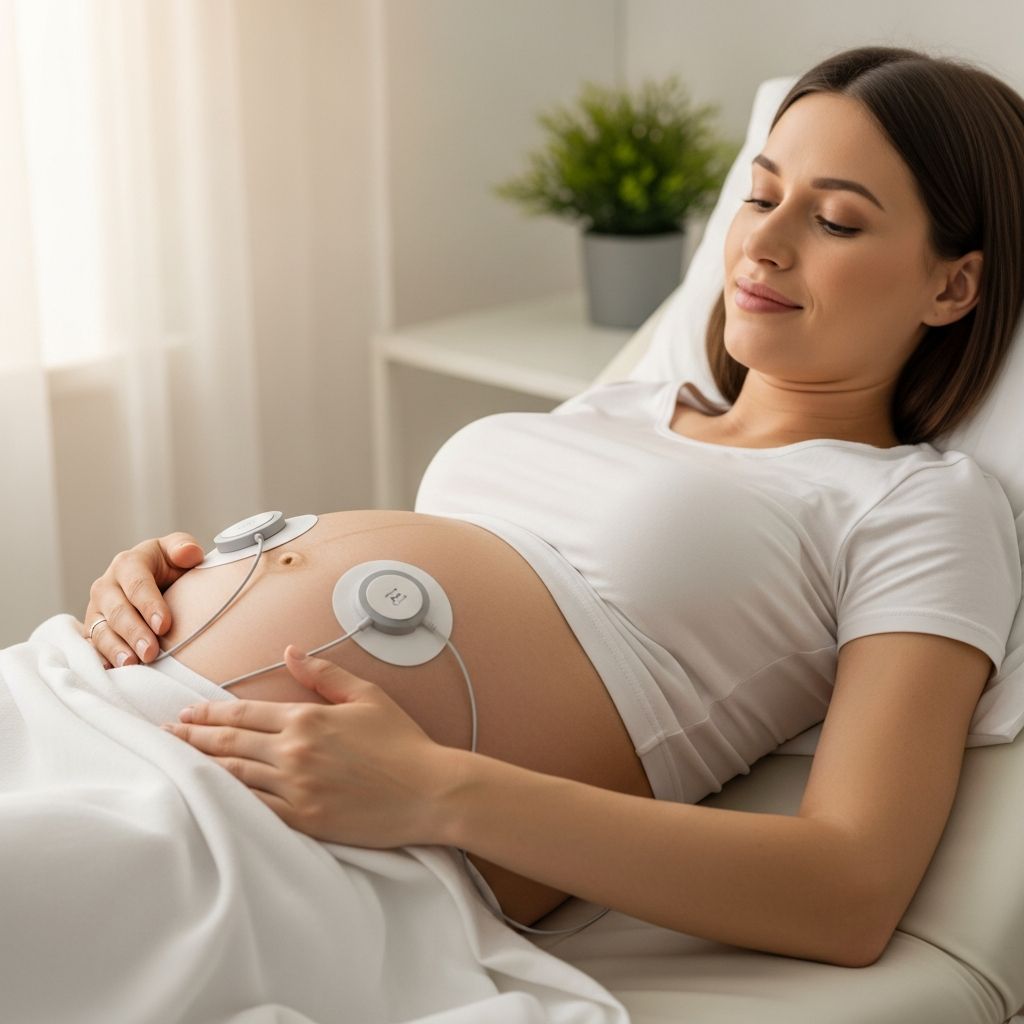
A prenatal non-stress test is a common monitoring test used in the second half of pregnancy, usually in the third trimester. During the test, sensors placed on your belly track your baby’s heart rate and, often, any tightening of your uterus. The name “non-stress” means that nothing is done to put extra stress on your baby; the test simply observes how your baby behaves naturally.
- The test focuses on your baby’s heartbeat and movements.
- It does not involve needles, internal exams, or medications.
- It is considered a screening test, not a final diagnosis of any condition.
When your baby moves, the heart rate is expected to briefly speed up and then settle back down. This pattern suggests that your baby is getting enough oxygen and that the nervous system and heart are responding appropriately.
Why Your Provider Might Recommend an NST
Not every pregnancy needs a non-stress test. It is most often recommended when your provider wants an extra layer of reassurance about your baby’s well-being. Sometimes this is due to health conditions in the pregnant person, and sometimes it is related to how the baby is growing or moving.
Common reasons a provider may suggest an NST include:
- Pregnancy has reached or passed the due date.
- There are medical conditions such as high blood pressure, diabetes, or kidney disease.
- Your baby is measuring smaller or larger than expected.
- There is a history of pregnancy complications or loss.
- You are carrying more than one baby (twins, triplets, etc.).
- You notice that your baby’s movements have slowed or changed compared with usual patterns.
In some high-risk pregnancies, NSTs are scheduled regularly (for example, once or twice a week) to keep a close eye on your baby’s well-being in the final weeks before birth.
When in Pregnancy Is an NST Usually Done?
The non-stress test is typically used after your baby’s nervous system is developed enough to show the expected heart rate changes with movement. Because of this, providers usually wait until the late second or, more commonly, the third trimester to start using NSTs.
- Most NSTs are done after about 28–32 weeks of pregnancy.
- Earlier than this, your baby may not yet have consistent heart rate responses, which can make the test harder to interpret.
If there is a serious concern about your health or the baby’s health, a provider may still consider earlier or more frequent monitoring, sometimes combining the NST with other tests.
What to Expect Before the Test
Knowing what will happen ahead of time can make the visit feel more relaxed. Although details differ by clinic or hospital, most NST appointments follow a similar pattern.
Before the test:
- You may be asked to use the restroom, since lying still with a full bladder can be uncomfortable.
- You will typically be taken to a quiet room with a reclining chair or an exam bed.
- The nurse or technician will explain the purpose of the test and answer any immediate questions.
- You may be asked when you last felt your baby move and whether anything has changed about your baby’s movement patterns.
Wearing loose, two-piece clothing (like a top and pants or skirt) makes it easier to place the monitor around your abdomen while keeping you comfortable and covered.
Step-by-Step: How the NST Is Performed
Once you are settled in the chair or on the bed, the provider begins setting up the monitoring equipment. The process is usually quick and gentle.
- Positioning: You lie on your back in a slightly reclined or side-tilted position, often with pillows for support. This helps keep you comfortable and promotes healthy blood flow.
- Applying gel and belts: A small amount of gel may be placed on your abdomen to help the sensor detect your baby’s heartbeat. Soft, stretchy belts are then wrapped around your belly to hold the sensors in place.
- Locating the heartbeat: The provider moves the heartbeat sensor until a clear, steady sound or tracing is found. You may hear your baby’s heart beating throughout the test.
- Monitoring contractions or movement: A second sensor may be used to pick up tightening of the uterus or to record when you feel the baby move.
- Recording movements: You may be given a button to press each time you feel the baby move, or you may simply tell the provider when you notice activity.
- Observation period: The test typically lasts about 20 minutes. If your baby seems sleepy or quiet, the test may be extended, sometimes up to about 40 minutes.
During the test you can usually read, listen to music, or simply relax. Some parents enjoy listening to the steady rhythm of their baby’s heart.
Is the Test Safe for You and Your Baby?
One of the biggest advantages of the non-stress test is its safety. It is a noninvasive test, meaning nothing enters your body. The sensors placed on your abdomen are similar to those used during labor to monitor contractions and the baby’s heartbeat.
- There is no radiation, no injections, and no medications used during a standard NST.
- The test does not trigger labor and does not cause contractions on its own.
- Most people feel only mild pressure from the belts and sensors.
There can be some emotional stress if you are worried about the results, but physically the test is considered low-risk for both you and your baby.
Understanding NST Results: Reactive vs. Nonreactive
After the monitoring is complete, your provider will review the patterns of your baby’s heart rate and movements. The results are usually described using two terms: “reactive” and “nonreactive.” These words refer to how the baby’s heart reacts to movement.
| Result Term | What It Generally Means | Common Next Steps |
|---|---|---|
| Reactive (Reassuring) | The baby’s heart rate increases the expected number of times when the baby moves during the monitoring period. | Usually no immediate additional testing is needed; routine prenatal care continues unless other issues are present. |
| Nonreactive | The expected heart rate increases are not seen, or there are not enough of them during the monitoring time. | The provider may repeat the NST, extend the monitoring, or order additional tests such as an ultrasound-based biophysical profile. |
A “reactive” result is generally considered a good sign, suggesting your baby is likely doing well at that moment. A “nonreactive” result does not automatically mean that something is wrong. Babies have sleep cycles and periods of quiet when they move less and their heart rate may seem more steady.
What Happens If the NST Is Nonreactive?
Hearing that an NST is “nonreactive” can be worrying, but the result is often just a sign that the test did not provide enough information the first time. Providers are careful to look at the full situation before drawing any conclusions.
After a nonreactive NST, your provider may:
- Continue monitoring longer to see if your baby wakes up or becomes more active.
- Use gentle methods (like vibration or sound) to encourage your baby to move.
- Recommend another NST later the same day or within a short time frame.
- Order additional tests, such as an ultrasound or a biophysical profile, to get more detailed information.
In some cases, if test results and other findings suggest your baby might not be doing well, your provider will talk with you about possible interventions, which may include closer monitoring in the hospital or considering early delivery, depending on how far along the pregnancy is and how serious the concerns are.
How to Prepare for Your Non-Stress Test
You generally do not need special preparation for an NST, but a few simple steps can help the appointment go smoothly and help you feel more at ease.
- Wear comfortable clothing that allows easy access to your abdomen.
- Have a light snack beforehand (if your provider agrees), as this may encourage your baby to be active.
- Bring water, since staying hydrated is helpful during pregnancy and can make you feel more comfortable.
- Plan for some extra time in case monitoring needs to be extended.
- Write down questions so you remember to ask your provider during or after the test.
If you are anxious, consider bringing a support person if your clinic allows it, or plan a relaxing activity for later in the day.
Emotional Side of Prenatal Testing
While NSTs are physically easy, they can stir up many emotions. Waiting and watching lines move across a monitor can feel stressful, especially if the test was ordered because of a possible complication. It is completely normal to feel worried, impatient, or even frustrated.
- Sharing your concerns with your provider can help you feel more informed and in control.
- Ask what your specific result means and how it fits with the rest of your pregnancy care.
- Remember that NSTs are tools to help keep both you and your baby as safe as possible, not a sign that you have done something wrong.
If you find that anxiety around testing is affecting your sleep, appetite, or daily life, consider talking with a mental health professional who has experience with pregnancy-related concerns.
Frequently Asked Questions About Non-Stress Tests
Does an NST hurt?
No. The non-stress test is generally painless. You may feel gentle pressure from the belts and sensors on your belly, but there are no needles or internal instruments involved. If you feel uncomfortable at any point, you can ask the provider to adjust your position or the straps.
How long does the test take?
The active monitoring period usually lasts around 20 minutes. If your baby is sleepy or not very active, the test may be extended to allow more time to see the expected heart rate changes. Including check-in and setup, you may want to plan for a visit of 30–60 minutes.
Can I eat or drink before the NST?
In most cases, you can eat and drink normally before the test, but follow any specific instructions given by your provider. A light snack and staying hydrated are often encouraged because they can help you feel comfortable and may support regular baby movements.
How often will I need this test?
The frequency of NSTs depends on why they are being done. Some people have a one-time test to check a particular concern; others with high-risk pregnancies may have NSTs once or twice a week until delivery. Your provider will explain the plan and adjust it based on how you and your baby are doing.
What if my baby doesn’t move during the NST?
Babies have normal sleep cycles in the womb. If your baby seems quiet during the test, your provider may extend the monitoring time, ask you to change position, offer a small snack, or use gentle sound or vibration on your abdomen to encourage movement. A quiet baby during the test does not automatically mean there is a problem, but it may mean the test needs a little more time.
Does a reactive NST guarantee that everything is fine?
A reactive NST is a positive sign and suggests your baby is likely doing well at that time, but no single test can guarantee the absence of all problems. The NST is one part of your overall prenatal care, which may also include ultrasounds, physical exams, and discussions about symptoms. Your provider looks at the full picture to guide decisions.
Is there anything I can do to make the results better?
The goal of the NST is to observe your baby’s natural behavior, not to “pass” or “fail.” There is no special action that can change the result in the moment. However, general healthy habits—such as attending prenatal visits, following medical advice about medications and conditions like diabetes or high blood pressure, not smoking, and eating a balanced diet—support your baby’s overall health during pregnancy.
Key Takeaways for Expectant Parents
- A prenatal non-stress test is a simple, noninvasive way to monitor how your baby’s heart rate responds to movement in late pregnancy.
- The test is usually recommended when there are reasons to keep a closer eye on your baby’s well-being, such as medical conditions, a high-risk pregnancy, or concerns about movement.
- Most NSTs are straightforward, safe, and painless, lasting about 20 minutes, with results described as “reactive” (reassuring) or “nonreactive.”
- Nonreactive results often lead to more monitoring or additional tests, but they do not automatically mean that something is wrong.
- Asking questions and sharing your concerns with your provider can help you feel more informed and supported throughout the process.
Understanding the purpose and process of a prenatal non-stress test can make the experience feel less intimidating and more like what it is meant to be: one more way to help you and your baby stay safe and well as you move toward birth.