Pregnancy is a time of rapid growth and change for both your body and your baby, and what you eat each day is one of the most powerful tools you have to support that growth. A thoughtful, balanced approach to food helps you feel more energetic, manage common pregnancy symptoms, and build a strong foundation for your baby’s development.
Why Your Pregnancy Diet Matters
Every bite you take during pregnancy provides building blocks for your baby’s brain, bones, organs, and immune system. Instead of focusing on eating “for two,” it is more helpful to think of eating smarter by choosing nutrient-dense foods that offer vitamins, minerals, fiber, and healthy fats. A well-planned pregnancy diet also lowers the risk of complications such as anemia, excessive weight gain, and certain birth defects.
Good nutrition in pregnancy is not about perfection or restrictive rules. It is about patterns over time: choosing more whole foods than ultra-processed foods, prioritizing hydration, and listening to your hunger and fullness cues as your needs change through each trimester.
Core Building Blocks of a Pregnancy-Friendly Plate
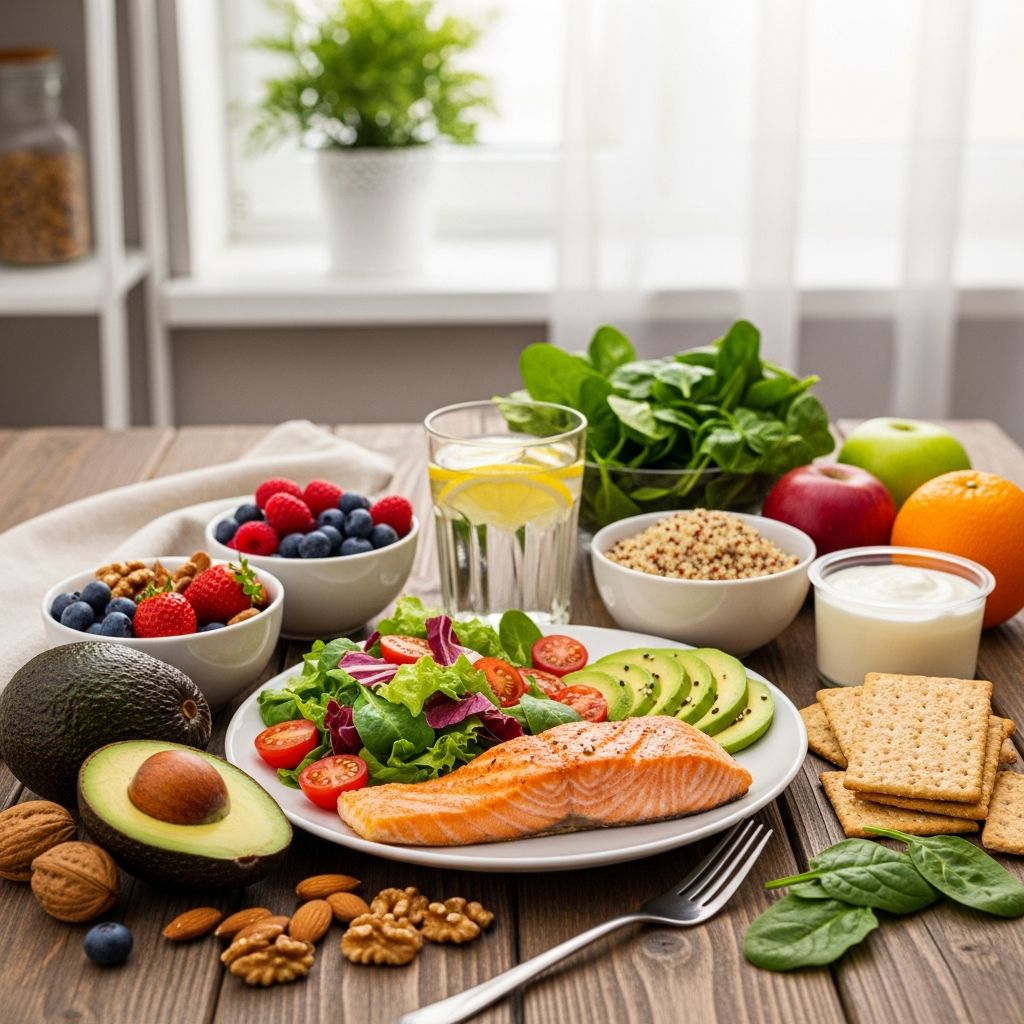
Thinking in food groups can make daily choices much easier. Aim to build most meals around a simple pattern that includes complex carbohydrates, lean protein, colorful produce, and a source of healthy fat. This balance helps keep your blood sugar steady, supports steady energy, and supplies a broad range of nutrients.
Use the categories below as a flexible checklist rather than a strict rule. Not every meal needs to be perfect, but aiming for variety over the course of the day will naturally fill in nutritional gaps.
Whole Grains and Other Complex Carbohydrates
Carbohydrates are the primary energy source for you and your baby, but not all carbs are created equal. Whole grains and other high-fiber choices keep you full longer, support healthy digestion, and help reduce blood sugar spikes.
- Choose options such as oats, brown rice, whole wheat bread or tortillas, quinoa, barley, and whole grain pasta.
- Include starchy vegetables like sweet potatoes, peas, and corn as part of your carb group.
- Pair carbohydrates with protein and fat (for example, whole grain toast with nut butter) to help steady your energy.
Protein-Rich Foods for Growth
Protein provides the raw materials for building your baby’s muscles, organs, and tissues, and it also supports your expanding blood volume and growing uterus. Including protein at each meal and snack can help with satiety and may reduce nausea for some people.
- Animal-based options: poultry, lean beef or pork, eggs, fish that are lower in mercury, and pasteurized dairy products like yogurt and cheese.
- Plant-based options: beans, lentils, chickpeas, tofu, tempeh, edamame, nuts, and seeds.
- If you follow a vegetarian or vegan pattern, plan for a mixture of legumes, soy foods, grains, nuts, and seeds to cover your protein needs.
Colorful Fruits and Vegetables
Fruits and vegetables supply vitamins, minerals, antioxidants, and fiber that support everything from immune function to digestion. Aim to “eat the rainbow” throughout the week, since different colors tend to come with different beneficial nutrients.
- Dark green vegetables like spinach, kale, and broccoli provide folate and iron as well as vitamin C.
- Orange produce such as carrots, sweet potatoes, and mango offers vitamin A precursors that support vision and immune health.
- Berries and citrus fruits are refreshing sources of vitamin C and fiber and may be easier to tolerate if you are queasy.
Dairy Foods and Calcium Alternatives
Calcium and vitamin D are essential for building your baby’s bones and teeth while also helping preserve your own bone strength. Dairy foods are a convenient way to obtain these nutrients if you tolerate them well.
- Choose pasteurized milk, yogurt, kefir, and cheese, leaning toward low-fat or reduced-fat varieties if recommended by your care team.
- If you avoid dairy, look for fortified plant-based beverages made from soy, oats, or almonds that provide calcium and vitamin D.
- Other calcium sources include fortified orange juice, calcium-set tofu, canned fish with bones (like sardines), and some leafy greens.
Healthy Fats for Brain and Nervous System
Fat is not just a source of calories; it is a critical nutrient that supports hormone production, brain development, and absorption of fat-soluble vitamins. During pregnancy, focusing on healthier fat types is particularly important.
- Include nuts, seeds, avocados, olives, and plant oils such as olive or canola oil.
- Fatty fish like salmon, trout, and sardines supply omega-3 fats that are linked to brain and eye development.
- Limit foods high in trans fats and large amounts of deep-fried or heavily processed snacks.
Key Nutrients to Prioritize During Pregnancy
Beyond the major food groups, several specific nutrients play an outsized role during pregnancy. It is common to rely on both food and a prenatal supplement to meet these higher needs, especially early in pregnancy when appetite can be unpredictable.
Always review supplement choices with your healthcare provider, particularly if you have any medical conditions or are taking prescription medications.
| Nutrient | Why It Helps | Examples of Food Sources |
|---|---|---|
| Folate / Folic Acid | Supports early brain and spinal development and helps lower the risk of certain birth defects. | Fortified cereals and breads, dark leafy greens, beans, lentils, oranges. |
| Iron | Helps make extra red blood cells to bring oxygen to you and your baby. | Lean red meat, poultry, fish, lentils, black beans, fortified grains, pumpkin seeds. |
| Calcium | Builds strong bones and teeth and supports muscle and nerve function. | Milk, yogurt, cheese, fortified plant milks, tofu made with calcium, some leafy greens. |
| Vitamin D | Helps your body absorb calcium and plays a role in immunity and bone health. | Fortified milk and plant drinks, fatty fish, fortified cereals, eggs. |
| Choline | Supports brain and spinal cord development and may influence memory and learning later in life. | Eggs, meats, fish, beans, lentils, some nuts and seeds. |
| Omega-3 Fatty Acids | Contribute to brain, eye, and nervous system development. | Salmon, sardines, trout, ground flaxseed, chia seeds, walnuts, some fortified foods. |
| Fiber | Helps reduce constipation, supports healthy blood sugar, and promotes fullness. | Whole grains, fruits, vegetables, nuts, seeds, beans, lentils. |
Foods to Emphasize Each Day
While there is no single “perfect” pregnancy diet, most experts agree on several food patterns that are especially helpful. Building your meals around these ideas can simplify daily decisions and support your nutrient needs without rigid meal plans.
- Fill roughly half your plate with vegetables and fruits at lunch and dinner when you can.
- Include a source of protein at every meal and most snacks.
- Make at least half of your grain choices whole grains.
- Choose water as your main beverage, adding milk or fortified alternatives for calcium and vitamin D.
- Use healthy fats like olive oil or avocado in place of solid fats such as shortening or large amounts of butter.
Sample Pregnancy-Friendly Meal Ideas
Having a few simple meal ideas ready can help when you are tired, busy, or dealing with food aversions. The goal is not gourmet cooking but easy combinations that hit several food groups at once.
- Breakfast: Oatmeal cooked with milk, topped with sliced banana and chopped walnuts; or scrambled eggs with spinach and whole grain toast.
- Lunch: Whole grain pita stuffed with hummus, grilled chicken or beans, lettuce, tomato, and cucumber; or a bean and veggie soup with a side of fruit.
- Dinner: Baked salmon or tofu with brown rice and roasted vegetables; or a stir-fry made with mixed vegetables, lean beef or tempeh, and quinoa.
- Snacks: Yogurt with berries, apple slices with peanut butter, a small handful of nuts and dried fruit, or veggies with guacamole.
Foods and Drinks to Limit or Avoid
Some foods may raise the risk of foodborne illness or expose your baby to harmful substances. Other foods are not off limits entirely but are best limited or prepared in a specific way. Knowing the difference helps you feel confident instead of anxious.
Safety-Related Foods to Avoid
- Unpasteurized milk, cheese, and juices, which can harbor dangerous bacteria.
- Refrigerated smoked seafood, deli meats, and hot dogs that are not heated until steaming hot.
- Raw or undercooked meats, poultry, seafood, and eggs.
- Certain high-mercury fish such as shark, swordfish, king mackerel, and some types of tuna.
- Sprouts (like alfalfa or bean sprouts) that are raw or only lightly cooked.
Items Best Kept in Moderation
Some ingredients are safe in small amounts but cause problems when consumed in large quantities. Paying attention to these helps protect both you and your baby while still allowing some flexibility.
- Caffeine: Many professionals recommend keeping caffeine intake moderate, often roughly the amount found in a small to medium cup of coffee per day; always confirm with your care provider.
- Added sugars: Sodas, candy, pastries, and heavily sweetened cereals contribute calories without many nutrients and can worsen heartburn and blood sugar swings.
- Salty processed foods: Chips, instant noodles, and many packaged snacks can be high in sodium, which may worsen swelling and blood pressure for some people.
- Artificial sweeteners: Some can be used in moderation, but if you have concerns, ask your healthcare provider which are considered acceptable during pregnancy.
Substances to Avoid Entirely
Alcohol and certain recreational drugs are not considered safe in pregnancy. If you have been using these substances, talk honestly with your healthcare provider so you can be connected with nonjudgmental support and resources.
Managing Common Pregnancy Eating Challenges
Even with the best intentions, pregnancy symptoms can make eating well feel complicated. Nausea, heartburn, constipation, and fatigue are very common, especially in the first and third trimesters. Small adjustments to what and how you eat may make these symptoms more manageable.
If You Have Nausea or Morning Sickness
- Try small, frequent meals or snacks rather than three large meals.
- Keep plain, easy-to-digest foods handy, such as crackers, dry cereal, toast, or bananas.
- Cold foods or room-temperature meals may be more tolerable than hot, steamy dishes with strong smells.
- Sip fluids slowly throughout the day to avoid getting dehydrated.
If You Have Heartburn
- Avoid lying down immediately after eating; wait at least an hour or two when possible.
- Choose smaller meals, and limit very spicy, greasy, or heavily fried foods.
- Consider eating the largest meal earlier in the day and keeping dinner lighter.
- Ask your provider before using antacids, as some types are safer than others during pregnancy.
If You Are Dealing With Constipation
- Increase fiber slowly by eating more fruits, vegetables, whole grains, beans, and lentils.
- Drink plenty of fluids, especially water, to help fiber do its job.
- Stay active with gentle movement, such as walking, if approved by your provider.
- Ask before using any laxatives or stool softeners to ensure they are appropriate in pregnancy.
Hydration and Beverages During Pregnancy
Fluids play a vital role in forming amniotic fluid, supporting increased blood volume, and aiding digestion. Most pregnant people need more fluid than usual, and thirst alone may not always be a reliable signal, especially when busy or nauseated.
Water is the most helpful daily drink, but other options can also contribute to your fluid intake. Just be mindful of added sugar and caffeine in some beverages.
- Prioritize plain water, flavored water with fruit slices, or unsweetened herbal teas recommended as safe in pregnancy.
- Include milk or fortified plant beverages to support calcium and vitamin D intake.
- Limit sugar-sweetened beverages like soda, sweet tea, energy drinks, and large servings of juice.
Planning Ahead: Simple Strategies for Busy Parents-to-Be
Life does not slow down when you become pregnant, and fatigue can make cooking feel daunting. Planning small shortcuts and systems can help you nourish yourself even on demanding days. Focus on progress, not perfection, and use convenience products wisely.
- Batch-cook simple items like grains, beans, and roasted vegetables on weekends to mix and match for quick meals.
- Stock easy, nutrient-rich pantry items such as canned beans, tuna or salmon, nut butters, whole grain crackers, and shelf-stable milk alternatives.
- Use frozen fruits and vegetables as budget-friendly, long-lasting options that are often just as nutritious as fresh.
- Prepare snack boxes with cut fruits, vegetables, cheese sticks, or small containers of nuts so you can grab them on your way out the door.
Frequently Asked Questions About Pregnancy Nutrition
Do I really need to eat for two?
It is a myth that pregnancy requires doubling your food intake. Early in pregnancy, many people do not need any extra calories at all. As pregnancy progresses, your needs increase, but usually by hundreds of calories, not thousands. The exact amount depends on your body size, activity level, and stage of pregnancy, so your healthcare provider is the best person to guide you.
Is a prenatal vitamin necessary if I eat well?
Even with an excellent diet, it can be difficult to meet increased needs for nutrients like folate, iron, and iodine from food alone. That is why many professionals recommend a prenatal vitamin before conception and throughout pregnancy. Talk with your provider about which supplement is right for you and whether you need extra amounts of any specific nutrient.
Can I follow a vegetarian or vegan diet while pregnant?
Many people have healthy pregnancies on well-planned vegetarian or vegan eating patterns. The key is to be intentional about obtaining enough protein, iron, vitamin B12, calcium, and omega-3 fats from a combination of foods and supplements. A registered dietitian familiar with plant-based diets in pregnancy can help tailor a plan to your needs.
How can I handle strong food cravings?
Cravings are extremely common and may be influenced by hormones, emotions, and cultural traditions. When possible, find ways to satisfy cravings in a balanced way, such as enjoying a small portion of the food alongside a source of protein or fiber. If you crave non-food items like dirt, ice, or paper (a condition called pica), contact your healthcare provider promptly, as this can be linked with nutrient deficiencies.
What if I gain weight faster than expected?
Weight gain patterns vary widely and are influenced by factors such as pre-pregnancy weight, genetics, and fluid shifts. Rather than focusing solely on the scale, consider your overall eating pattern, activity level, and how you feel physically. Bring any concerns to your prenatal visits so your team can assess whether changes are needed and support you in making realistic adjustments.
When to Seek Individualized Nutrition Support
General guidelines are helpful, but some situations call for more personalized advice. If you live with conditions such as diabetes, high blood pressure, celiac disease, kidney disease, or severe food allergies, pregnancy may require additional nutrition planning. Likewise, if you are carrying multiples or have experienced disordered eating, specialized support can be very valuable.
Consider asking your prenatal provider for a referral to a registered dietitian or nutrition professional who works with pregnant people. They can help you create realistic meal ideas, review supplements, and strategize around symptoms or restrictions so that you feel supported rather than overwhelmed.