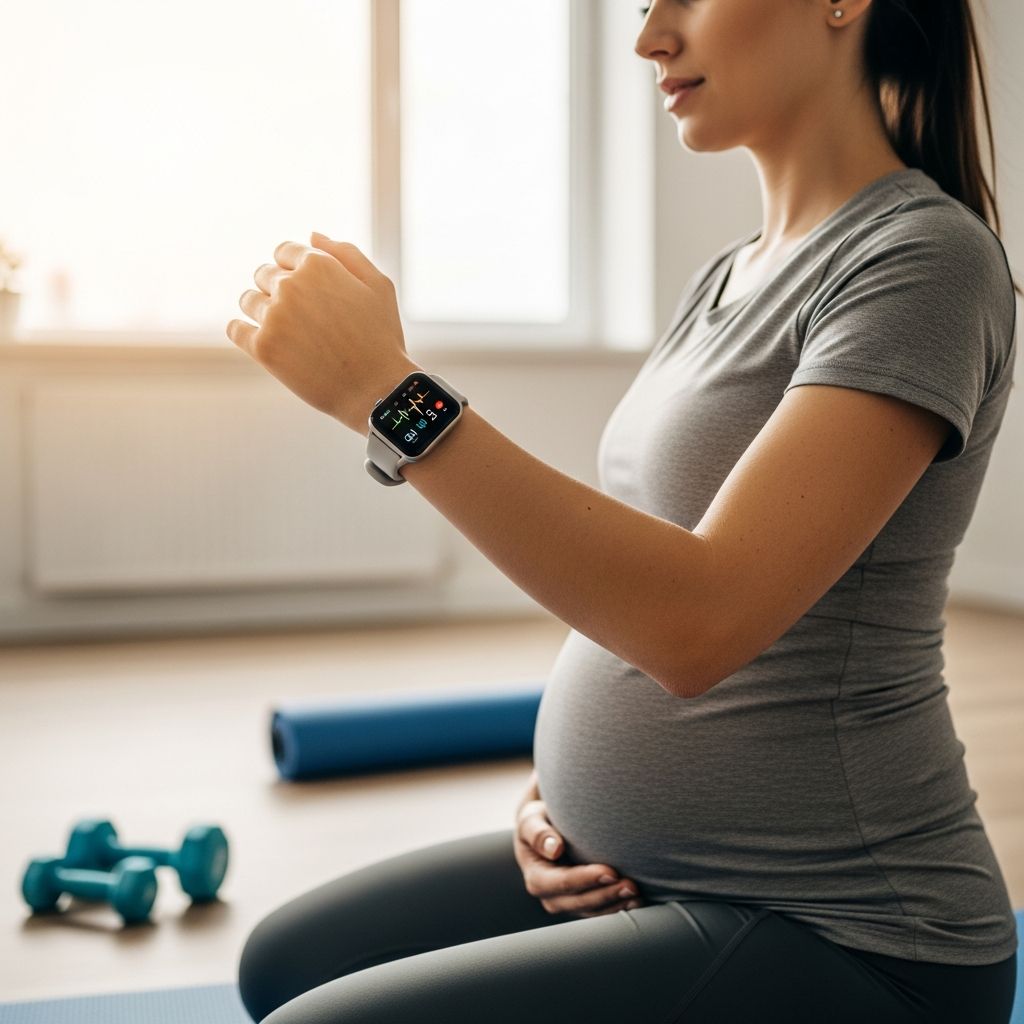
Headaches are a frequent challenge for many women expecting a baby, affecting up to 39% in the first trimester and often persisting throughout pregnancy. These can range from mild tension headaches to debilitating migraines, exacerbated by hormonal shifts, stress, dehydration, and physical changes. While discomfort is common, prioritizing fetal safety is crucial when seeking relief. This guide draws from authoritative medical sources to outline safe management options, distinguishing between acute relief and long-term prevention.
Understanding Why Headaches Occur in Expecting Mothers
Pregnancy triggers multiple physiological changes that contribute to headaches. Estrogen fluctuations, particularly in the first trimester, can heighten migraine susceptibility. Increased blood volume strains blood vessels, while fatigue, poor posture from a growing belly, and anemia play roles later on. Tension-type headaches, the most common, stem from muscle tightness in the neck and shoulders due to stress or sleep disruption. Distinguishing headache types is key: tension headaches feel like a tight band around the head, while migraines involve throbbing pain, nausea, sensitivity to light and sound.
Trimester-specific patterns emerge. First-trimester headaches often link to morning sickness or hormone surges. Second-trimester relief is common as hormones stabilize, but third-trimester issues arise from weight gain, sleep issues, or preeclampsia risks. Always monitor for warning signs like sudden severe pain, vision changes, or swelling, which demand immediate medical evaluation.
Non-Drug Approaches: First-Line Strategies for Relief
Before reaching for medication, lifestyle adjustments offer safe, effective relief. These methods address common triggers and promote overall well-being without risks to the baby.
- Hydration: Dehydration worsens headaches; aim for 8-10 glasses of water daily, more if active or in hot weather.
- Rest and Sleep: Maintain 7-9 hours nightly in a cool, dark room. Short naps can reset the cycle.
- Cold or Warm Compresses: Apply a cold pack to the forehead for migraines or warm cloth to the neck for tension relief, 15 minutes at a time.
- Relaxation Techniques: Deep breathing, progressive muscle relaxation, or prenatal yoga reduce stress-induced pain.
- Dietary Adjustments: Eat small, frequent meals to stabilize blood sugar. Avoid triggers like caffeine excess, chocolate, aged cheeses, or processed foods.
- Exercise: Gentle activities like walking or swimming, 30 minutes most days, improve circulation and mood.
- Acupressure: Press the LI4 point (between thumb and index finger) firmly for 5 minutes, avoiding in first trimester.
Biofeedback and acupuncture show promise in studies, training the body to control pain responses. These are low-risk and can be learned from certified practitioners.
Safe Medications for Acute Headache Relief
When non-drug methods fall short, select medications backed by safety data. Always consult your obstetrician before use.
| Medication | Pregnancy Safety | Breastfeeding Safety | Notes |
|---|---|---|---|
| Acetaminophen (Tylenol) | Safe all trimesters | Safe | First-line for mild-moderate pain; max 4g/day. |
| NSAIDs (Ibuprofen, Naproxen) | Limited 1st/2nd; Avoid 3rd | Safe | Risk of fetal ductus closure post-30 weeks. |
| Triptans (Sumatriptan) | Safe if previously used | Safe (pump/discard) | Don’t start new in pregnancy. |
| Metoclopramide | Safe for nausea-related | Safe | Combine with acetaminophen. |
| Caffeine (low dose, <200mg) | Safe in moderation | Safe | Enhances acetaminophen effect. |
Avoid opioids except in refractory cases due to constipation and dependency risks. Aspirin is okay low-dose but high-dose contraindicated.
Preventive Options for Frequent or Severe Headaches
For women with more than 4 headache days monthly, prevention is vital. Options balance efficacy and safety.
- Antihistamines (Cyproheptadine): Safest prophylactic per guidelines.
- Calcium Channel Blockers (Verapamil): Effective for migraines, low fetal risk.
- Beta-Blockers (Propranolol): Avoid in asthma; otherwise safe.
- Amitriptyline: Low-dose for chronic tension; monitor for gestational diabetes risk.
- Supplements: Riboflavin (400mg), magnesium (though caution per some data), coenzyme Q10.
- Nerve Blocks: Lidocaine-based sphenopalatine or occipital blocks provide targeted relief.
Neuromodulation devices like Cefaly (transcutaneous electrical nerve stimulation) or Nerivio (remote electrical neuromodulation) offer non-invasive prevention with limited but promising data.
Special Considerations by Pregnancy Stage
First Trimester: Building Blocks Matter Most
Focus on non-pharmacologic relief and acetaminophen. Avoid new medications; triptans only if pre-pregnancy effective.
Second Trimester: Balanced Approach
Short-term NSAIDs possible; expand to preventives if needed. Monitor for anemia-related headaches.
Third Trimester: Heightened Caution
No NSAIDs after 30 weeks. Prioritize magnesium IV for severe migraines under supervision. Screen for preeclampsia.
Breastfeeding: Continuing Safe Management Postpartum
Many pregnancy-safe options persist. Acetaminophen, ibuprofen, triptans (with timing), and metoclopramide are compatible. Pump and discard after triptans if concerned.
Red Flags: When to Seek Urgent Care
Not all headaches are benign. Contact your provider immediately for:
- Thunderclap onset (worst ever).
- Neurological symptoms: vision loss, weakness, confusion.
- Associated hypertension, proteinuria, swelling (preeclampsia).
- Fever, stiff neck (meningitis risk).
- Persistent despite treatment.
These could signal secondary causes like stroke or hemorrhage, rare but serious in pregnancy.
Frequently Asked Questions (FAQs)
Is Tylenol safe throughout pregnancy?
Yes, acetaminophen is the recommended first-line treatment for all trimesters and breastfeeding.
Can I take ibuprofen for headaches while pregnant?
Limited use in first/second trimesters okay, but strictly avoid in third due to fetal risks.
What if migraines worsen during pregnancy?
Consult for preventives like propranolol or nerve blocks; lifestyle changes first.
Are essential oils or massages safe?
Gentle neck massage yes; avoid strong oils like peppermint undiluted.
How does caffeine help pregnancy headaches?
Low doses boost acetaminophen efficacy and constrict dilated vessels.
Lifestyle Integration for Long-Term Wellness
Building habits now benefits mother and baby. Track headaches in a journal noting triggers, duration, relief. Regular prenatal check-ups allow tailored plans. Cognitive behavioral therapy (CBT) addresses pain perception, with evidence for migraine reduction. Partner support in chores reduces stress load.
Postpartum, headaches may rebound with sleep deprivation, so maintain strategies. Transition off preventives as hormones normalize.
References
- Headache in pregnancy: a brief practical guide — PMC – NIH. 2022-12-01. https://pmc.ncbi.nlm.nih.gov/articles/PMC9710804/
- Management of Headache in Pregnant Women — Practical Neurology. 2023-01-01. https://practicalneurology.com/diseases-diagnoses/headache-pain/management-of-headache-in-pregnant-women/31998/
- Headache During Pregnancy and Breastfeeding: ACOG — AAFP. 2023-07-01. https://www.aafp.org/pubs/afp/issues/2023/0700/practice-guidelines-headache-pregnancy-breastfeeding.html
- Pregnancy — National Headache Foundation. 2024-01-01. https://headaches.org/resources/pregnancy/
- Headaches and Pregnancy — ACOG. 2023-01-01. https://www.acog.org/womens-health/faqs/headaches-and-pregnancy
- Headaches during pregnancy: What’s the best treatment? — Mayo Clinic. 2023-01-01. https://www.mayoclinic.org/healthy-lifestyle/pregnancy-week-by-week/expert-answers/headaches-during-pregnancy/faq-20058265