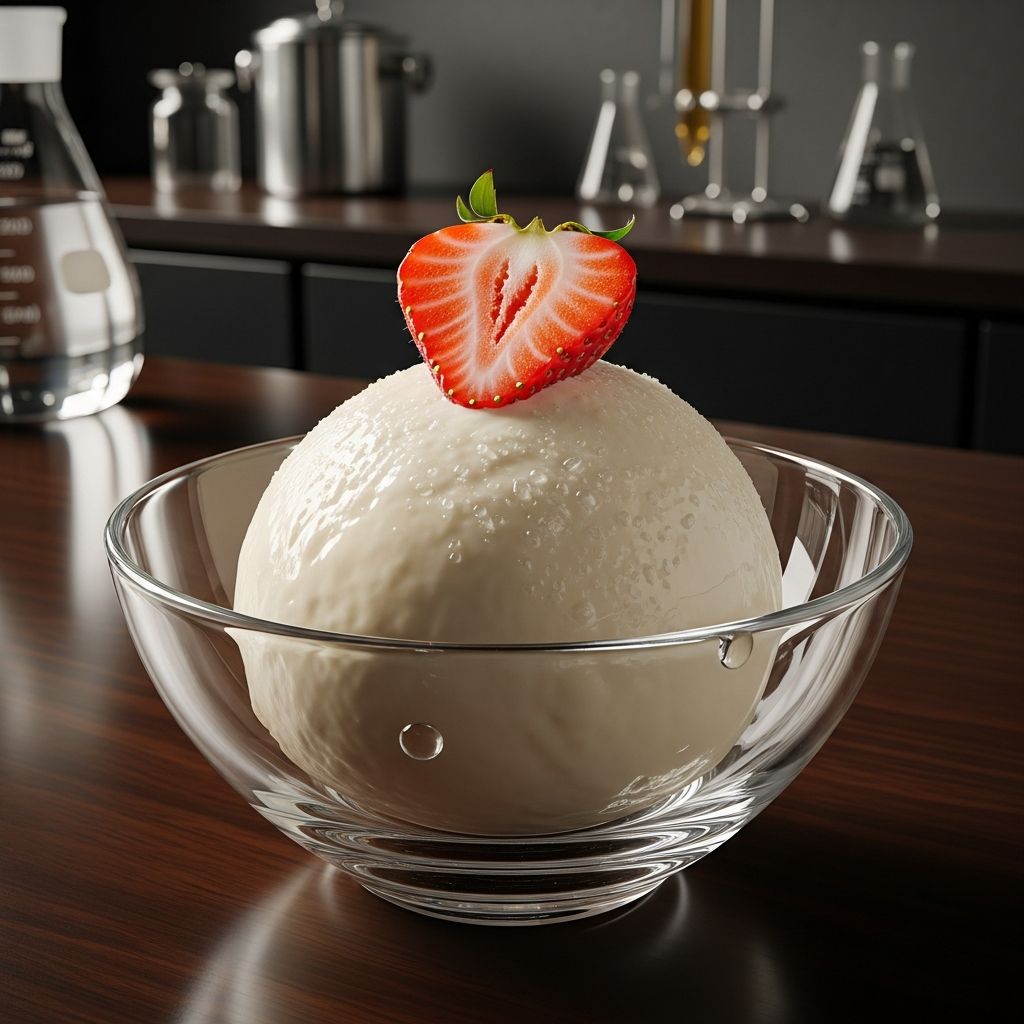
Human breast milk ice cream emerged as a provocative fusion of lactation science and culinary experimentation, sparking debates on taste, nutrition, and safety. This dessert, blending human milk with flavors like vanilla and lemon, has faced shutdowns and approvals worldwide, raising questions about its viability as a commercial product.
The Origins of a Controversial Dessert
The concept gained notoriety in London when an ice cream parlor introduced a flavor crafted from breast milk sourced from multiple donors. Priced at a premium, it sold out rapidly, drawing crowds curious about its unique profile. Creators emphasized organic sourcing, paying lactating women for their contributions, but public complaints about consuming bodily fluids prompted swift regulatory action.
Similar ventures have appeared elsewhere, including U.S. products mimicking breast milk’s essence for postpartum consumers. These treats position themselves as superfoods, leveraging milk’s natural composition to appeal to health-conscious eaters and new mothers seeking hydration and recovery aids.
Nutritional Composition of Breast Milk in Desserts
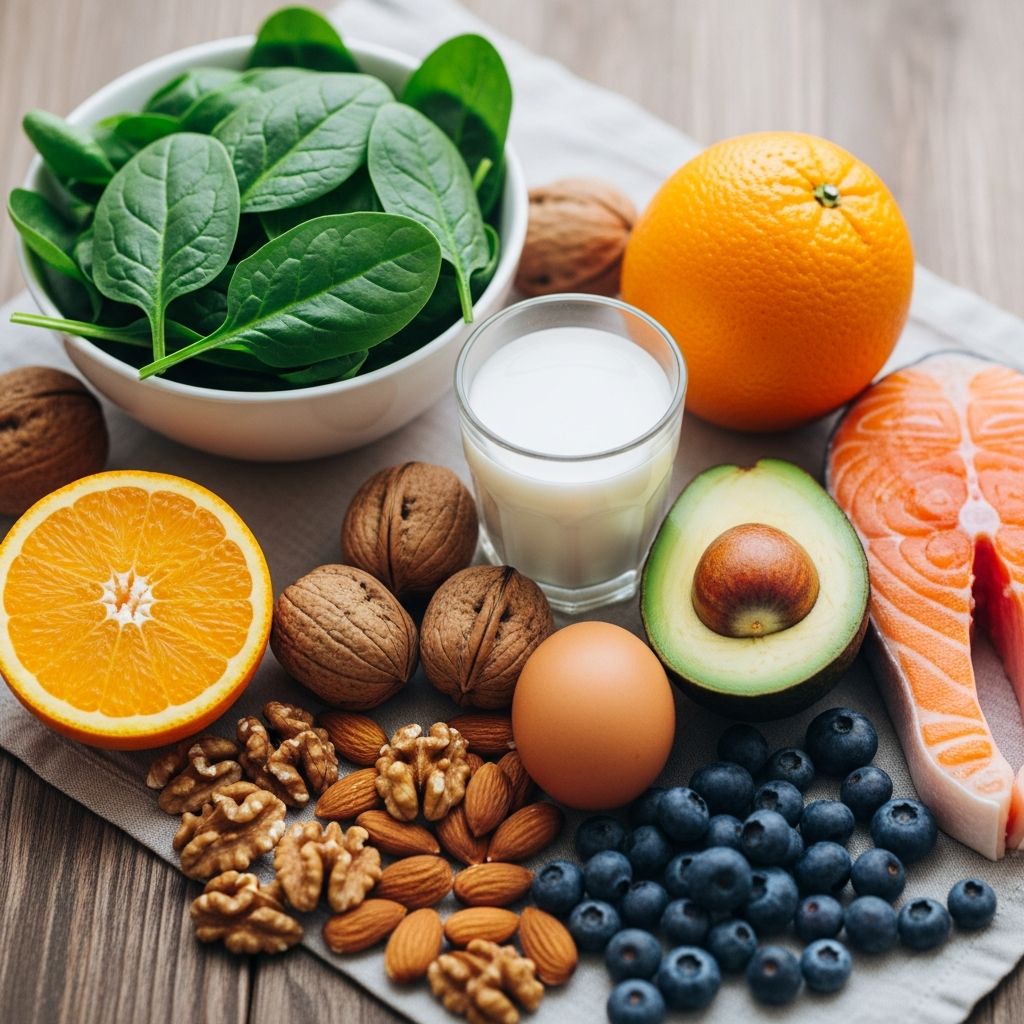
Breast milk is renowned for nourishing infants, packed with proteins, fats, vitamins, and bioactive compounds. It includes DHA for brain development, immunoglobulins for immune support, and probiotics for gut health. For adults, proponents claim it offers a lactose-friendly alternative to cow’s milk ice cream, potentially benefiting those with intolerances.
- DHA and essential fatty acids: Support cognitive function, though processing diminishes potency.
- Immunoglobulins and antibodies: Bolster immunity in infants; adult benefits remain unproven.
- Vitamins and minerals: Iron, calcium, B vitamins, and zinc aid energy and bone health.
- Probiotics and enzymes: Promote digestive wellness, fewer allergens than dairy.
However, transforming milk into ice cream via freezing and mixing alters its structure. Pasteurization, essential for safety, further degrades heat-sensitive nutrients like antibodies and enzymes, rendering the final product nutritionally akin to standard ice cream.
Safety Challenges and Disease Transmission Risks
Raw breast milk poses significant hazards if not handled properly. Without rigorous screening, it can transmit viruses like HIV, hepatitis B, and C, or harbor bacteria from poor hygiene during expression, storage, or transport.
| Risk Factor | Description | Mitigation |
|---|---|---|
| Viral Transmission | Hepatitis, HIV via untested milk | Donor screening like blood banks |
| Bacterial Contamination | 93% of online samples showed bacteria | Pasteurization kills pathogens |
| Storage Issues | Improper cooling leads to spoilage | Refrigeration at <4°C |
| Allergen Concerns | Lower than cow milk but variable | Allergy testing for consumers |
Studies on online-purchased milk reveal high bacterial loads, emphasizing the need for medical-grade protocols used in neonatal intensive care units (NICUs). Even pasteurized versions carry inherent risks higher than animal milks, as viruses may persist.
Regulatory Responses and Legal Battles
Authorities have repeatedly intervened. In the UK, officials seized batches after complaints, though later deeming it safe post-screening confirmation. The Food Standards Agency evaluated compliance, highlighting tensions between innovation and public health.
Globally, regulations vary. Milk banks for infants enforce strict pasteurization, but commercial desserts for adults lack uniform standards. Bodies like the FDA in the U.S. scrutinize novel foods, prioritizing pathogen elimination over novelty.
Health Claims for Adult Consumers: Fact or Fiction?
Adult enthusiasts, from fitness buffs to those with chronic conditions, tout breast milk for its ‘superfood’ status. Yet, no peer-reviewed evidence supports medicinal benefits beyond placebo. Pasteurization destroys bioactive elements, and contaminants like environmental toxins can accumulate in milk.
For pregnant and postpartum women, simulated versions using bovine colostrum provide hydration (milk is 80-90% water) and nutrients without human sourcing risks. These target recovery but avoid direct human milk controversies.
Ethical Considerations in Human Milk Sourcing
Sourcing raises consent, compensation, and exploitation concerns. Donors receive payments, but equity varies. Cultural views differ: some see it as natural, others as taboo. Commercialization intersects parenting, science, and food ethics, demanding transparent practices.
Modern Alternatives and Market Trends
Brands now offer ‘breast milk-inspired’ ice creams with bovine colostrum, honey, and fruit, mimicking benefits sans human milk. These hydrate and nourish, appealing to wellness seekers without regulatory hurdles.
Plant-based or lab-engineered milks may eventually replicate profiles, reducing reliance on donors. Consumer curiosity persists, but safety-first approaches dominate.
Consumer Perspectives and Taste Profiles
Tasters describe it as sweeter and creamier than cow milk versions, with a subtle, nutty undertone. Appeal lies in novelty, though many balk at origins. Marketing as ‘free-range organic’ boosts allure for adventurous eaters.
Frequently Asked Questions
Is breast milk ice cream safe for adults?
It’s safe only with donor screening, hygienic collection, and pasteurization; otherwise, risks like hepatitis or bacteria persist.
Does it provide health benefits over regular ice cream?
No, processing eliminates nutrients like antibodies; it’s nutritionally similar to dairy ice cream.
Is it legal to sell commercially?
Regulations vary; UK approved post-inspection, but many areas require strict food safety compliance.
Can it help with lactose intolerance?
Potentially lower allergens, but individual reactions vary; not a guaranteed substitute.
What are the ethical issues?
Concerns include donor exploitation, consent, and cultural acceptance.
Future Prospects for Lactation-Based Foods
As biotech advances, precision-fermented milks could standardize safety and nutrition. For now, caution prevails: enjoy novelty treats, but prioritize verified sources. This dessert underscores food innovation’s boundaries, balancing curiosity with caution.
References
- Breast Milk Ice Cream: Bad For You or Just Bad Taste? — Live Science. 2011-03-21. https://www.livescience.com/13057-breast-milk-ice-cream-seized.html
- Breast Milk Ice Cream: Surprising Nutrition Facts You Should Know — American Pain Society. N/A. https://americanpainsociety.org/breast-milk-ice-cream
- A Novel Ice Cream — McGill University Office for Science and Society. N/A. https://www.mcgill.ca/oss/article/did-you-know/novel-ice-cream
- UK Shuts Down Breast-Milk Ice Cream, But Is It Safe to Eat? — Discover Magazine. N/A. https://www.discovermagazine.com/uk-shuts-down-breast-milk-ice-cream-but-is-it-safe-to-eat-29400
- The risks for adult consumers of human breast milk bought from the online market — NIH/PMC. 2015-06-16. https://pmc.ncbi.nlm.nih.gov/articles/PMC4480562/
- Breast Milk Ice Cream Finally Hits Freezers — The Bump. N/A. https://www.thebump.com/news/breast-milk-ice-cream-frida