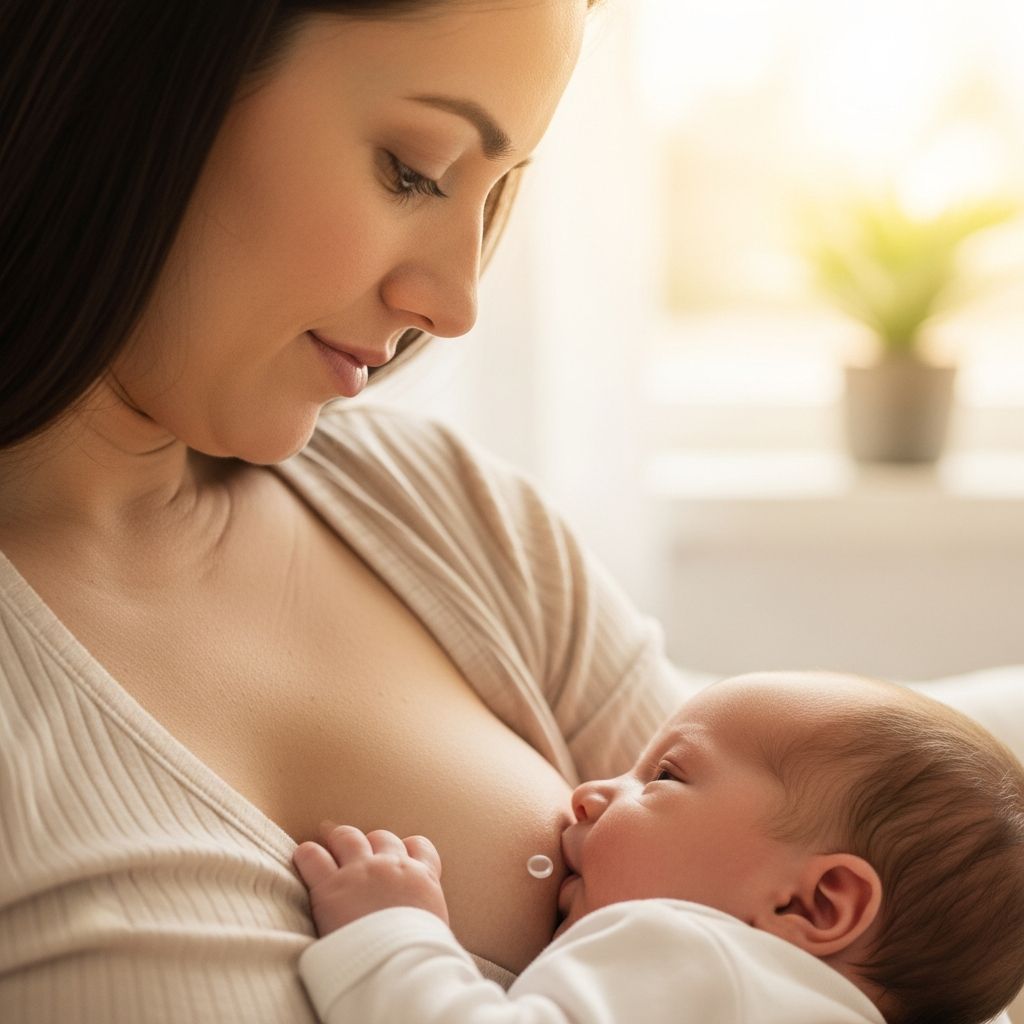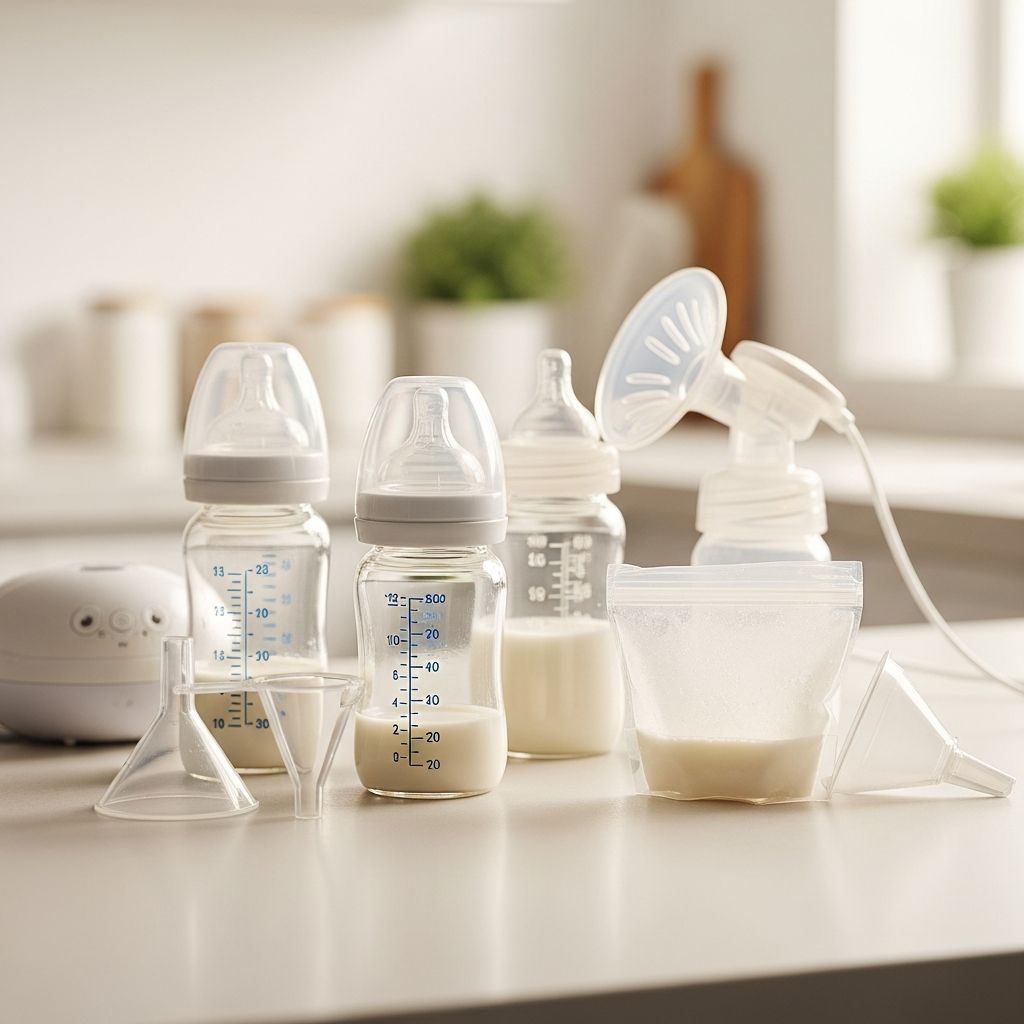
Combining breast milk from multiple pumping sessions is a common practice for many parents seeking convenience while maintaining the milk’s quality and safety. Official guidelines confirm that mixing freshly expressed milk with cooled refrigerated milk is acceptable, provided temperatures and hygiene standards are followed rigorously.
Understanding Breast Milk Composition and Changes Over Time
Breast milk is a dynamic fluid that adapts to an infant’s needs, containing antibodies, fats, proteins, and vitamins tailored to developmental stages. Milk expressed early in lactation differs slightly from that produced later, but these variations do not preclude safe mixing for healthy, full-term babies. Factors like storage duration can affect nutrient levels, such as a gradual decline in vitamin C with prolonged refrigeration or freezing.
Maintaining the bioactive properties requires prompt cooling after expression. Fresh milk holds optimal immunological benefits, making timely storage crucial before combining batches.
Core Rules for Combining Breast Milk Safely
Health authorities unanimously advise against adding fresh warm milk directly to frozen or chilled milk, as this raises the temperature of the existing batch, potentially promoting bacterial growth. Instead, cool freshly pumped milk in the refrigerator first—typically 30-60 minutes—before merging it with older refrigerated milk.
- Always chill new milk separately before combining to preserve uniform temperature.
- Use the oldest milk first to minimize waste and ensure freshness.
- Limit combined refrigerated batches to the shortest remaining storage window of the milks involved, generally up to 4 days total.
For frozen storage, do not mix thawed and fresh milk; freeze new portions separately.
Detailed Storage Guidelines by Location
Storage durations vary by temperature, with consensus from major organizations like the CDC, Mayo Clinic, and Academy of Breastfeeding Medicine (ABM). The table below summarizes maximum safe times for full-term infants’ milk.
| Storage Type | Temperature | Freshly Expressed | Thawed Milk |
|---|---|---|---|
| Room Temperature | ≤77°F (25°C) | 4 hours (optimal); up to 6-8 hours very clean conditions | 1-2 hours |
| Refrigerator (back) | ≤40°F (4°C) | Up to 4 days | Up to 24 hours |
| Freezer Compartment | 0°F (-18°C) | 6 months optimal; 12 months acceptable | Never refreeze |
| Deep Freezer | -4°F (-20°C) or colder | Up to 12 months | N/A |
These durations prioritize quality; exceeding them risks nutrient loss or contamination, though milk remains safer than formula beyond limits.
Choosing and Preparing Storage Containers
Select BPA-free plastic bags or bottles, food-grade glass jars with tight lids, or pump-compatible containers to prevent leaching chemicals. Avoid household plastic bags or #7 recycle symbol plastics due to potential contaminants.
- Wash hands thoroughly and sterilize pump parts before expression.
- Pump directly into storage containers to minimize air exposure and fat loss.
- Label each container with date, time, and baby’s name using waterproof markers.
- Fill bags in 2-4 oz portions, leaving 1-inch headspace for expansion.
Store in the back of units for stable temperatures, avoiding doors where fluctuations occur.
Thawing and Warming Breast Milk Properly
Thaw frozen milk slowly in the refrigerator overnight or under cool running water for faster results—never at room temperature or in microwaves, which destroy nutrients and create hot spots.
- Place sealed container in a bowl of cool water, changing water every 30 minutes.
- Once thawed, use within 24 hours; do not refreeze.
- Warm by swirling in warm water (≤104°F/40°C); test on wrist.
- Discard unfinished feedings after 2 hours to prevent bacterial proliferation.
For mixing post-thaw, only combine thawed refrigerated milk with fresh cooled milk, not directly with frozen.
Special Considerations for Premature or Hospitalized Infants
Premature babies or those in NICUs may require stricter protocols, such as sterile containers or shorter storage times due to immature immunity. Consult hospital lactation specialists, as facilities often provide specific bags and follow ABM adaptations.
Research indicates preterm milk has higher protective factors, but storage must be meticulous to retain them.
Common Pitfalls and How to Avoid Them
Parents often overlook temperature spikes when mixing, leading to spoilage risks. Smell and appearance checks are unreliable for detecting pathogens, so adhere to timelines strictly.
- Myth: Milk can be refrozen if not fed. Fact: Never refreeze thawed milk.
- Myth: Room temperature storage beyond 4 hours is safe. Fact: Optimal is 4 hours; extend only under ideal hygiene.
- Tip: Use insulated coolers with ice packs for transport, maintaining fridge-like conditions up to 24 hours.
Maximizing Nutrition Through Best Practices
Store in small batches matching feed sizes to reduce waste. Breast milk’s live cells and enzymes degrade minimally if handled correctly, preserving benefits like reduced infection risk.
Working parents can pump at work into pre-chilled containers inside a cooler, transferring home for fridge storage.
Frequently Asked Questions About Breast Milk Mixing and Storage
Can I mix breast milk from different days?
Yes, mix cooled fresh milk with existing refrigerated milk (not frozen), using the earliest date for the batch’s expiration.
How long does mixed breast milk last in the fridge?
Up to 4 days from the oldest portion’s expression date.
Is it safe to mix milk pumped at different times of day?
Yes, hindmilk (fat-rich) and foremilk mix naturally; combining sessions is fine if temperature rules are followed.
What if my milk smells soapy after freezing?
This is often due to natural lipase enzyme; taste-test—if sweet, it’s safe. Scald fresh high-lipase milk before freezing.
Can I store breast milk in regular Ziploc bags?
No, use only breast milk-specific bags to avoid leaks and chemical transfer.
Empowering Parents with Reliable Storage Strategies
Mastering these techniques allows flexible breastfeeding, supporting return to work or routines without compromising nutrition. Track batches with a simple app or chart for oldest-first use.
For personalized advice, consult a lactation consultant or pediatrician, especially if baby has health issues.
References
- Breastmilk Storage Guide — Gerber Medical Hub. Accessed 2026. https://medical.gerber.com/topics/breastmilk-storage-guide
- Milk Storage — University of Rochester Medical Center. Accessed 2026. https://www.urmc.rochester.edu/childrens-hospital/breastfeeding-lactation-medicine/milk-storage.aspx
- Breast milk storage: Do’s and don’ts — Mayo Clinic. Accessed 2026. https://www.mayoclinic.org/healthy-lifestyle/infant-and-toddler-health/in-depth/breast-milk-storage/art-20046350
- Storing and Thawing Breast Milk — USDA WIC Breastfeeding Support. Accessed 2026. https://wicbreastfeeding.fns.usda.gov/storing-and-thawing-breast-milk
- Tips for Freezing & Refrigerating Breast Milk — American Academy of Pediatrics HealthyChildren.org. Accessed 2026. https://www.healthychildren.org/English/ages-stages/baby/breastfeeding/Pages/Storing-and-Preparing-Expressed-Breast-Milk.aspx
- Storage and Preparation of Breast Milk — Centers for Disease Control and Prevention (CDC). 2017 (adapted from ABM 2017; remains authoritative guideline). https://www.cdc.gov/breastfeeding/pdf/preparation-of-breast-milk_h.pdf