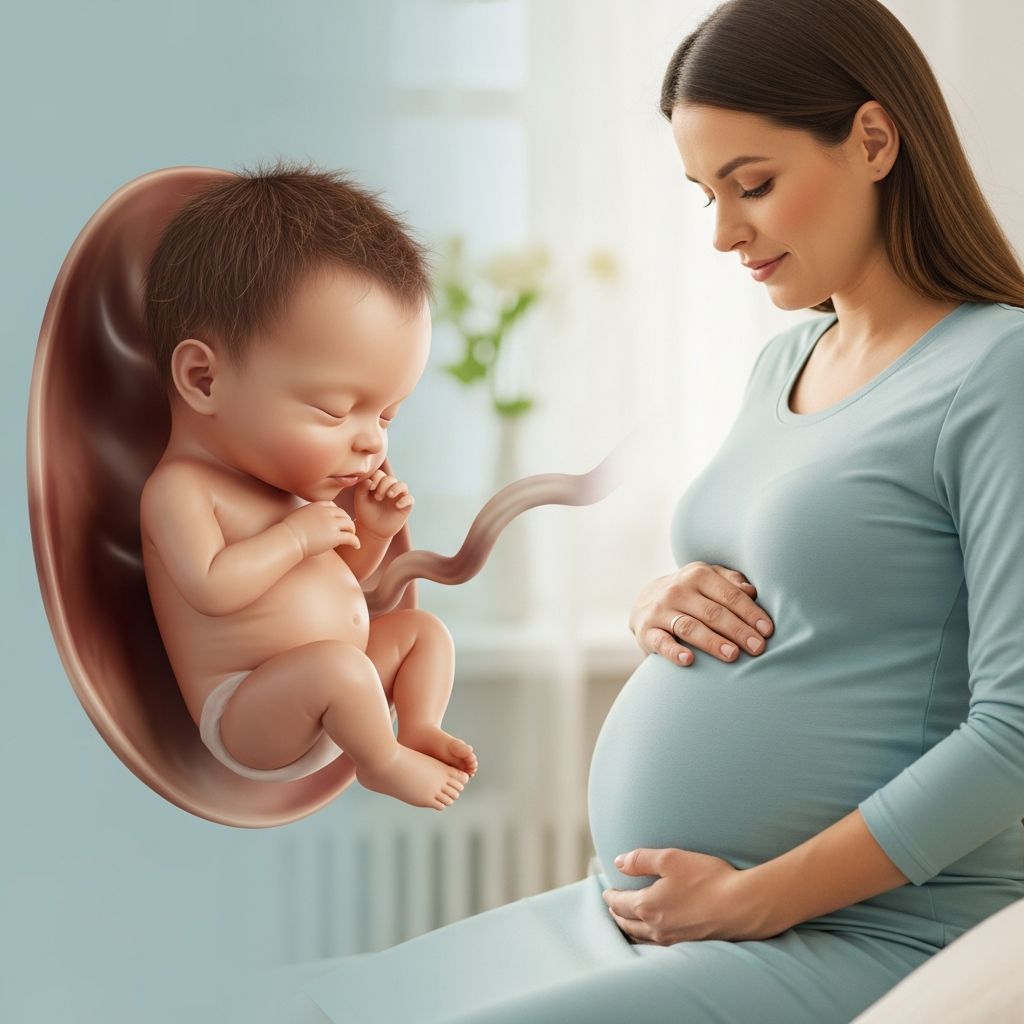
Pregnancy transforms a woman’s body and emotions in profound ways, often leading to fluctuations in sexual desire. A decreased libido is a frequent occurrence, influenced by surging hormones, physical discomforts, and psychological shifts. This guide delves into the reasons behind low sex drive across pregnancy stages, effects on partners, and actionable steps to foster closeness without pressure.
Hormonal Dynamics Driving Libido Changes
The foundation of libido shifts lies in hormonal upheaval. Estrogen and progesterone levels skyrocket in the first trimester, triggering symptoms like nausea, fatigue, and breast tenderness that dampen sexual interest. Human chorionic gonadotropin (hCG), associated with morning sickness, further contributes to early pregnancy aversion to intimacy.
By the second trimester, these levels stabilize somewhat, alleviating initial symptoms and potentially boosting energy and desire for many women. However, progesterone rises again in the third trimester alongside oxytocin, preparing the body for birth but often causing discomforts like back pain and swelling that reduce appeal for physical closeness.
- First trimester surge: High estrogen, progesterone, and hCG lead to exhaustion and queasiness.
- Second trimester relief: Symptom easing allows libido rebound.
- Third trimester decline: Protruding abdomen, pain, and fatigue resurface.
These patterns vary individually; some experience heightened desire throughout, while others note minimal change.
Trimester-by-Trimester Breakdown of Desire Patterns
Early Pregnancy Challenges (Weeks 1-12)
In the initial phase, physical tolls dominate. Nausea affects up to 80% of pregnancies, paired with profound tiredness as the body builds the placenta. Sensitive breasts and frequent urination disrupt rest, leaving little energy for romance. Studies confirm reduced frequency of sexual activity here due to these factors.
Mid-Pregnancy Renewal (Weeks 13-26)
Often called the ‘honeymoon phase,’ this period sees nausea subside around week 10, with increased blood flow enhancing sensitivity and arousal for some. Couples report higher intimacy rates as fatigue lifts.
Late Pregnancy Hurdles (Weeks 27-Delivery)
Weight gain, pelvic pressure, and insomnia return, compounded by fears of preterm labor. Pain during intercourse rises significantly, leading many to pause sexual activity. Anatomical shifts make positions challenging.
| Trimester | Common Symptoms Impacting Libido | Libido Trend |
|---|---|---|
| First | Nausea, fatigue, breast tenderness | Decrease |
| Second | Energy boost, reduced nausea | Increase |
| Third | Back pain, swelling, body image concerns | Decrease |
Psychological and Emotional Influences
Beyond biology, mental factors play a pivotal role. Stress from baby health worries, finances, or labor fears elevates cortisol, suppressing desire. Body image struggles intensify with stretch marks and weight gain, fostering self-consciousness.
Mood swings, irritability, or prenatal depression affect up to 10-15% of pregnancies, further eroding interest in intimacy. Partners may feel disconnected, amplifying emotional strain.
- Anxiety: Concerns about fetal safety during sex.
- Self-esteem dips: Feeling less attractive due to bodily changes.
- Relationship dynamics: New parent role anticipation shifts priorities.
How Pregnancy Affects Partners’ Desire
Libido changes aren’t exclusive to the pregnant person. Men often experience drops due to fears of harming the fetus, guilt over intercourse, or perceiving their partner as less attractive amid visible changes. Testosterone levels decline in both partners, impacting dyadic desire.
First trimester dips affect women more; by the third, men’s desire wanes most due to physical barriers. Nulliparous women (first-time moms) face steeper declines from inexperience-related anxieties. Open dialogue prevents resentment buildup.
Safe Intimacy Practices Throughout Pregnancy
Sex remains safe for most low-risk pregnancies, recommended by experts unless advised otherwise. Focus on comfort: side-lying or woman-on-top positions ease abdominal pressure. Lubricants help with dryness from hormonal shifts.
Non-penetrative options like mutual massage, kissing, or oral sex maintain bonds without intercourse. Prioritize consent and enjoyment over performance.
Practical Strategies to Reignite Connection
Rebuilding intimacy starts with communication. Share feelings openly to normalize changes. Non-sexual touch, such as cuddling, releases oxytocin, fostering closeness.
- Prioritize rest: Nap together or schedule low-pressure date nights.
- Exercise gently: Prenatal yoga boosts mood and body confidence.
- Explore sensuality: Use scents, music, or baths for arousal.
- Seek therapy: Couples counseling addresses persistent issues.
Address persistent low mood lasting over two weeks, as it may signal prenatal depression needing professional help.
Body Positivity and Self-Care Tips
Embrace changes through affirmations and partner compliments. Wear flattering maternity clothes; practice mirror work to reframe your evolving form. Nutrition and light walks combat fatigue, enhancing overall vitality.
When to Consult a Healthcare Provider
Reach out if pain during intimacy persists, bleeding occurs, or anxiety overwhelms. Low libido alone isn’t concerning, but combined with mood disorders warrants screening. Providers can rule out complications like placental issues.
Frequently Asked Questions
Is low libido during pregnancy normal?
Yes, it’s common due to hormones and symptoms, varying by trimester and individual.
Can sex harm the baby?
No, for uncomplicated pregnancies; the uterus and amniotic fluid protect the fetus.
How can couples stay intimate without penetration?
Try massages, kissing, or shared showers to build emotional and physical bonds.
Does libido return after birth?
Often yes, post-hormone stabilization, though breastfeeding may delay it.
What if my partner’s drive changes too?
Discuss fears openly; mutual support strengthens the relationship.
References
- Sex Drive During Pregnancy: 5 Things That Happen — Healthline. 2023-05-15. https://www.healthline.com/health/pregnancy/sex-drive
- Decreased sex drive during pregnancy — Ovia Health. 2024-01-10. https://www.oviahealth.com/guide/10490/decreased-sex-drive-during-pregnancy/
- Hormonal Shifts and Libido: What Every Expecting Mom Should Know — Reproductive Fertility. 2024-03-22. https://www.reproductivefertility.com/blog/hormonal-shifts-and-libido-what-every-expecting-mom-should-know
- Influence of Pregnancy on Sexual Desire in Pregnant Women and… — PMC (National Library of Medicine). 2024-01-18. https://pmc.ncbi.nlm.nih.gov/articles/PMC10835432/
- Loss of female libido — Healthdirect (Australian Government). 2023-11-05. https://www.healthdirect.gov.au/loss-of-female-libido
- How and Why a Woman’s Libido Shifts During Pregnancy — SMSNA. 2023-07-12. https://www.smsna.org/patients/did-you-know/how-and-why-a-woman-s-libido-shifts-during-pregnancy