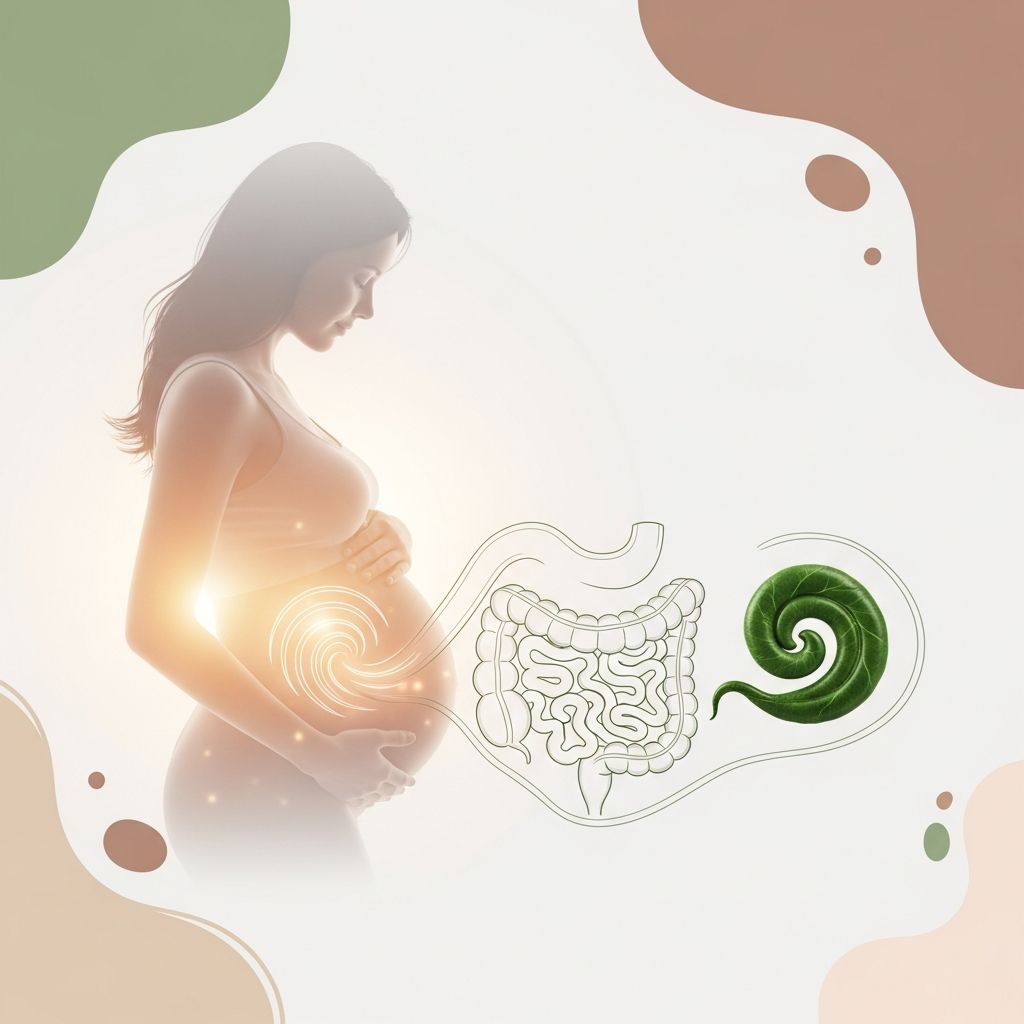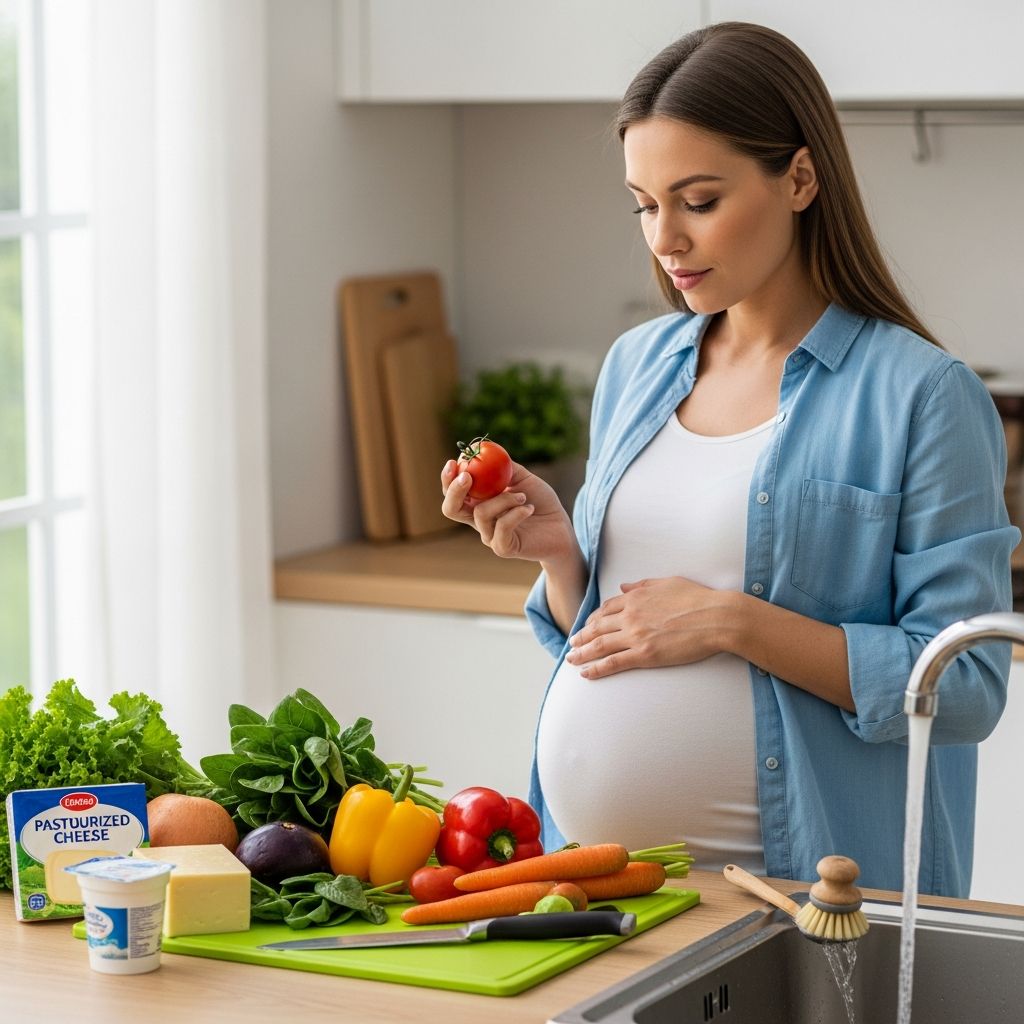
Pregnant individuals face heightened vulnerability to foodborne pathogens like Listeria monocytogenes, which can lead to severe complications including miscarriage, stillbirth, or newborn infections. Health authorities emphasize selecting safer foods and following strict hygiene practices to safeguard both mother and baby.
Why Pregnant People Are at Greater Risk from Listeria
During pregnancy, hormonal changes and a suppressed immune response make the body more susceptible to infections. Pregnant women are 10 times more likely to contract Listeria than the general population, with infections often occurring in the third trimester when bacterial spread to the fetus is more probable. Listeria uniquely grows in refrigerated conditions, contaminating ready-to-eat foods even when stored properly.
Symptoms mimic flu-like illness—fever, muscle aches, nausea—but can progress to meningitis or sepsis in severe cases. For the fetus, risks include preterm labor, low birth weight, or life-threatening infections post-delivery. Recent outbreaks underscore these dangers, prompting urgent recalls of contaminated products like deli meats and soft cheeses.
High-Risk Foods to Strictly Avoid
Certain foods harbor Listeria and other bacteria like Salmonella or Toxoplasma, posing unacceptable risks. Prioritize avoidance to minimize exposure.
- Unpasteurized dairy: Raw milk, soft cheeses (e.g., Brie, Camembert, blue-veined types like Gorgonzola, Feta unless labeled pasteurized).
- Deli meats and hot dogs: Unless reheated to steaming hot (165°F).
- Refrigerated pâtés and meat spreads: Canned versions are safer.
- Smoked seafood: Refrigerated varieties like nova, lox (unless canned or in cooked dishes).
- Raw or undercooked meats, eggs, seafood: Including sushi, runny eggs, rare steak.
- Unpasteurized juices: Fresh cider or vegetable juices.
These items often evade thorough cooking, allowing bacteria to thrive.
Safer Food Alternatives for a Healthy Pregnancy
Opt for pasteurized, thoroughly cooked options to enjoy nutrition without risk. The table below contrasts risky and safer choices based on official guidelines.
| Food Category | Riskier Choices (Avoid) | Safer Choices |
|---|---|---|
| Milk & Dairy | Unpasteurized milk, raw soft cheeses (Brie, Feta, blue cheese) | Pasteurized milk, yogurt, hard cheeses (cheddar, Swiss), cottage cheese |
| Meats | Raw/undercooked, deli meats cold, pâté refrigerated | Cooked to 165°F poultry, 145°F beef/pork; hot deli meats |
| Eggs | Raw/runny eggs, homemade mayo with raw eggs | Fully cooked eggs (firm yolk/white); Lion-stamped eggs (UK) |
| Seafood | Raw sushi, refrigerated smoked fish | Cooked fish, canned tuna/light varieties (low mercury, 8-12 oz/week) |
| Sprouts & Produce | Raw sprouts, unwashed fruits/veggies | Washed produce, cooked sprouts |
Pasteurization kills harmful bacteria, while proper cooking eliminates pathogens. Seafood remains valuable for omega-3s if low-mercury types are chosen.
Core Food Handling Practices: Clean, Separate, Cook, Chill
Adopt the four pillars of food safety rigorously during pregnancy.
- Clean: Wash hands for 20 seconds before/after handling food, scrub produce under running water, sanitize surfaces/utensils.
- Separate: Use distinct boards for raw meats and ready-to-eat foods to prevent cross-contamination.
- Cook: Verify internal temperatures with a thermometer—165°F for poultry/ground meats, 145°F for steaks with 3-minute rest.
- Chill: Refrigerate perishables below 40°F promptly; thaw in fridge, not counter.
These steps reduce bacterial growth exponentially, protecting vulnerable pregnancies.
Navigating Dining Out and Grocery Shopping Safely
Restaurant meals amplify risks from improper storage. Request meats/eggs fully cooked, avoid buffets with prolonged sitting foods, and skip raw bar items. At grocery stores, check labels for ‘pasteurized,’ inspect sell-by dates, and bag raw meats separately. Transport cold items home quickly in coolers if needed.
For takeout, reheat thoroughly. When traveling, stick to sealed bottled water and peeled fruits in areas with uncertain sanitation.
Recognizing and Responding to Foodborne Illness Symptoms
Monitor for fever over 100.4°F, diarrhea, vomiting, or stiffness lasting beyond 24 hours. Listeria symptoms may delay 2-4 weeks post-exposure. Contact healthcare providers immediately if concerned—early antibiotics can mitigate fetal harm. Report to local health departments for outbreak tracking.
Nutritional Balance Amid Restrictions
Avoiding risky foods doesn’t mean sacrificing nutrients. Calcium from pasteurized yogurt, protein from cooked beans/chicken, folate from washed greens. Consult dietitians for personalized plans ensuring 8-12 oz low-mercury fish weekly for brain development.
Frequently Asked Questions
Can I eat soft cheeses during pregnancy?
Only if labeled pasteurized or cooked until steaming hot. Hard varieties like cheddar are always safe.
Is it safe to eat deli sandwiches?
No, unless meats are heated to 165°F steaming hot just before eating.
What about home-cooked meals with raw eggs?
Avoid; use pasteurized eggs or fully cook to firm yolks.
How much seafood is recommended?
8-12 ounces weekly of low-mercury options like salmon, shrimp, canned light tuna.
Does washing kill Listeria on produce?
It reduces risk but doesn’t eliminate; cook when possible and follow CDC clean protocols.
Staying Informed on Outbreaks and Recalls
Subscribe to FDA/CDC alerts for real-time updates on Listeria recalls. Apps and newsletters from Partnership for Food Safety Education provide digestible tips. Empower yourself with knowledge to make informed choices daily.
Pregnancy is a time of joy, not worry—armed with these guidelines, expectant parents can nourish confidently. Consistent vigilance yields healthier outcomes for moms and babies alike.
References
- Safer Food Choices for Pregnant Women — Centers for Disease Control and Prevention (CDC). 2023-10-05. https://www.cdc.gov/food-safety/foods/pregnant-women.html
- Food Safety Risks for Pregnant Women — Academy of Nutrition and Dietetics. 2024-02-15. https://www.eatright.org/health/pregnancy/prenatal-nutrition/food-safety-risks-for-pregnant-women
- Foods to Avoid in Pregnancy — National Health Service (NHS). 2025-01-10. https://www.nhs.uk/pregnancy/keeping-well/foods-to-avoid/
- Pregnancy Nutrition: Foods to Avoid — Mayo Clinic. 2024-08-20. https://www.mayoclinic.org/healthy-lifestyle/pregnancy-week-by-week/in-depth/pregnancy-nutrition/art-20043844
- Food Safety in Pregnancy — The Royal Women’s Hospital. 2024-08-16. https://thewomens.r.worldssl.net/images/uploads/fact-sheets/Food-safety-in-pregnancy_240816.pdf
- People at Risk: Pregnant Women — FoodSafety.gov. 2023-11-01. https://www.foodsafety.gov/people-at-risk/pregnant-women
- Food Safety for Pregnant Women and Their Unborn Babies — U.S. Food and Drug Administration (FDA). 2024-05-12. https://www.fda.gov/food/people-risk-foodborne-illness/food-safety-booklet-pregnant-women-their-unborn-babies-and-children-under-five