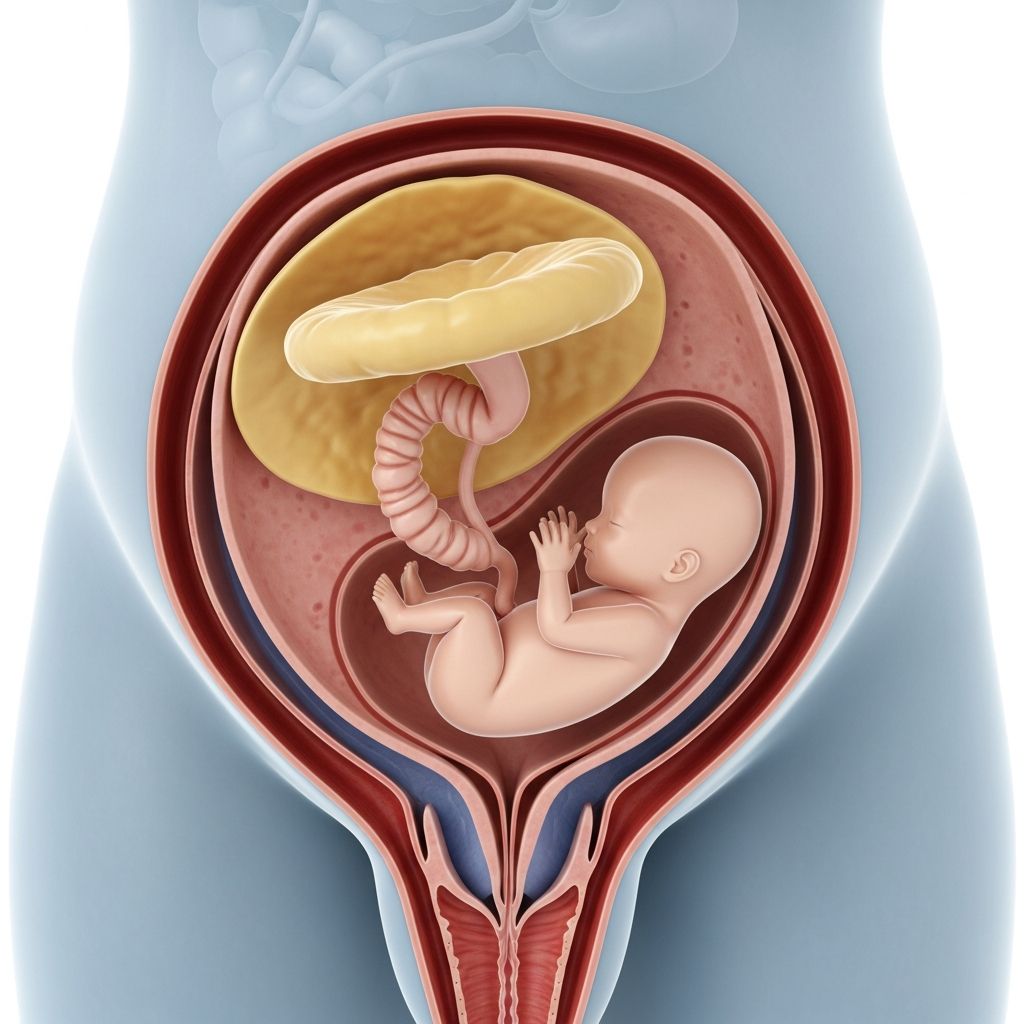
Pregnancy induces profound, dynamic transformations in the female brain, optimizing it for the demands of motherhood through structural remodeling and enhanced connectivity.
The Science of Brain Adaptation in Expectant Mothers
Neuroimaging studies reveal that the brain undergoes extensive plasticity during pregnancy, rivaling changes seen in adolescence. Researchers tracking longitudinal scans have identified a U-shaped trajectory in gray matter volume, with reductions peaking mid-pregnancy and partial recovery postpartum. These shifts affect up to 94% of gray matter regions, particularly those linked to social cognition, empathy, and decision-making.
Gray matter, comprising neuron cell bodies, decreases by approximately 5% overall, concentrated in the prefrontal cortex, temporal lobes, and subcortical areas like the hippocampus and thalamus. This pruning eliminates redundant synapses, streamlining neural circuits for efficiency in parental tasks.
In contrast, white matter—responsible for inter-regional communication—shows increased microstructural integrity, especially in the first two trimesters, facilitating faster signal transmission. These alterations align with surging hormones like estriol and estrone sulfate, which correlate directly with volumetric changes.
Hormonal Drivers Behind Neural Rewiring
Elevated sex steroids during pregnancy act as master regulators of brain plasticity. Estrogen variants, dwarfing menstrual cycle fluctuations, trigger synaptic reorganization to prioritize maternal behaviors such as nurturing and threat detection.
- Estriol and Estrone Sulfate: Their levels mirror gray matter reductions, confirming a causal link in human studies.
- Progesterone Influence: Supports white matter enhancements, bolstering emotional regulation networks.
- Cortisol Dynamics: Stress hormones modulate subcortical remodeling for heightened vigilance.
Animal models corroborate these findings, showing hormone-induced hypothalamic and amygdala changes that promote pup care, now validated in humans via precision imaging.
Structural Shifts: Gray Matter Pruning and Efficiency Gains
The cerebral cortex thins progressively, with widespread gray matter volume loss observed week-by-week in high-resolution MRI scans of pregnant individuals. Subcortical nuclei, including the caudate, putamen, and ventral diencephalon, also contract, fine-tuning reward and motivation pathways.
Postpartum, about 3.4% of lost volume recovers within six months, but changes persist in 80% of affected areas, suggesting permanent adaptation. This enduring remodeling enhances default mode and frontoparietal networks, crucial for introspection, planning, and social attunement to infants.
| Brain Region | Change During Pregnancy | Postpartum Outcome | Functional Role |
|---|---|---|---|
| Prefrontal Cortex | Volume decrease (~5%) | Partial recovery | Social cognition, empathy |
| Hippocampus | Layer-specific reduction | Persistent in parts | Memory, bonding |
| White Matter Tracts | Increased integrity | Returns to baseline | Efficient communication |
| Thalamus/Putamen | Subcortical shrinkage | Lingering effects | Sensory processing, motor control |
This table summarizes key neuroanatomical dynamics from longitudinal studies, highlighting adaptive pruning over degeneration.
Functional Enhancements for Motherhood
Beyond structure, pregnancy boosts functional connectivity. Post-birth scans show stronger linkages in networks governing higher cognition and emotional processing, aiding face recognition and cry response. These upgrades likely underpin intuitive caregiving, with efficiency gains persisting long-term.
Non-gestational partners exhibit no comparable shifts, isolating pregnancy-specific effects independent of birth method or infant sex.
Myths vs. Facts: Addressing Cognitive Concerns
Common worries about “pregnancy brain” or forgetfulness stem from misconceptions. Observed changes represent optimization, not impairment. Pruning enhances focus on baby-relevant stimuli, reducing extraneous neural noise.
- Myth: Gray matter loss signals decline. Fact: It’s synaptic refinement for motherhood efficiency.
- Myth: Changes are temporary. Fact: Many endure, supporting lifelong parenting.
- Myth: All women experience identical shifts. Fact: Variations exist, influencing attachment and mental health risk.
Long-Term Implications for Maternal Health
Persistent remodeling may protect against aging-related decline while heightening vulnerability to postpartum mood disorders if adaptations falter. Gray matter reductions in social areas could correlate with bonding strength, offering biomarkers for early intervention.
Large-scale initiatives like the Maternal Brain Project aim to map diverse populations, linking changes to behaviors and disorders. This could revolutionize treatments for postpartum depression, where FDA-approved therapies exist but detection lags.
Practical Strategies to Support Brain Health
Expectant mothers can nurture these changes through lifestyle:
- Nutrition: Omega-3s and antioxidants support plasticity.
- Exercise: Aerobic activity boosts white matter integrity.
- Sleep: Prioritizes recovery during hormonal flux.
- Mindfulness: Strengthens affected networks.
- Social Support: Reinforces empathy circuits.
Consult healthcare providers for personalized advice amid these transformations.
Frequently Asked Questions
Do brain changes during pregnancy affect intelligence?
No, they refine circuits for parenting without diminishing overall IQ; efficiency improves.
Are these changes reversible?
Partially—white matter normalizes quickly, but gray matter alterations often last, aiding sustained motherhood.
Can non-birthing parents experience similar shifts?
Limited evidence suggests minor empathy gains from caregiving, but not pregnancy-scale remodeling.
How do hormones cause these brain changes?
Estrogens like estriol drive pruning via synaptic modulation, mirroring animal studies.
Should I worry about memory issues?
Transient lapses are normal; focus on adaptive gains for baby care.
Future Directions in Maternal Neuroscience
Ongoing research expands to diverse cohorts, integrating genetics and hormones for personalized insights. Precision imaging promises to decode individual trajectories, preventing disorders and enhancing parenting.
Understanding pregnancy’s neural symphony empowers women, demystifying changes as evolutionary strengths for generational care.
References
- How pregnancy reshapes a mum’s brain — European Research Council (ERC). 2024. https://erc.europa.eu/projects-statistics/science-stories/how-pregnancy-reshapes-mums-brain
- Study Provides Unprecedented View of Profound Brain Changes Over the Course of Pregnancy — Brain & Behavior Research Foundation. 2024. https://bbrfoundation.org/content/study-provides-unprecedented-view-profound-brain-changes-over-course-pregnancy
- Unlocking the Maternal Brain: Groundbreaking Research Reveals Stunning Changes During Pregnancy — University of California, Irvine. 2024-09-16. https://www.bio.uci.edu/unlocking-the-maternal-brain-groundbreaking-research-reveals-stunning-changes-during-pregnancy/
- How pregnancy rewires your brain for motherhood — Nuvance Health. 2024. https://www.nuvancehealth.org/health-tips-and-news/how-pregnancy-rewires-your-brain-for-motherhood
- New study reveals changes in the brain throughout pregnancy — University of California. 2024. https://www.universityofcalifornia.edu/news/new-study-reveals-changes-brain-throughout-pregnancy