Pain during sexual activity is a frequent issue for many pregnant individuals, affecting comfort and intimacy throughout gestation. This discomfort arises from bodily adaptations like hormonal shifts, organ expansion, and increased blood volume, which can alter sensations in the pelvic region.
Physical Transformations Behind the Discomfort
Pregnancy triggers profound physiological changes that directly impact sexual experiences. The uterus enlarges significantly to nurture the developing fetus, starting small in the first trimester and growing to the size of a watermelon by term. This expansion presses on surrounding structures, often leading to aches during penetration or movement.
Hormonal fluctuations, particularly rising progesterone and estrogen, relax ligaments and increase blood flow to the pelvis. While beneficial for fetal development, these shifts heighten sensitivity and cause tissue swelling, making the vaginal area feel tighter or more tender. A study noted that around 20% of pregnant women report notable pain during intercourse, underscoring its prevalence.
Trimester-Specific Sources of Pain
Discomfort patterns evolve across pregnancy stages, tied to distinct developmental milestones.
First Trimester Challenges
Early pregnancy often brings uterine cramping as the organ stretches to accommodate implantation and initial growth. This mild, menstrual-like pain can intensify with thrusting motions during sex. A fuller bladder, due to frequent urination from hormonal effects, adds pressure, mimicking deep pelvic soreness. Corpus luteum cysts, temporary structures supporting early hormone production, may also linger and provoke crampy sensations.
Second Trimester Pressures
Mid-pregnancy introduces round ligament pain, where supportive cords from the uterus to the groin stretch sharply, causing stabbing jolts during position changes or deep penetration. Vascular engorgement peaks here, with enlarged pelvic veins creating a heavy, aching pressure known as pelvic congestion. Yeast infections thrive due to elevated vaginal sugars, leading to burning post-intercourse.
Third Trimester Strains
Late pregnancy amplifies issues from the bulky uterus weighing on the pelvis, alongside labial swelling and vaginal tightening from fluid retention. Pelvic bones begin widening for labor, stretching muscles and ligaments, which heighten friction during sex. Breast tenderness from engorgement can further deter closeness.
Common Medical Contributors
- Infections: Bladder infections, bacterial vaginosis, and yeast overgrowth are more prevalent due to pH shifts and immunity changes, causing irritation or burning.
- Vascular Issues: Dilated vulvar or pelvic veins from excess blood volume lead to throbbing during or after intimacy.
- Serious Conditions: Rarely, pain signals ectopic pregnancy, where implantation occurs outside the uterus, often with shoulder or severe abdominal pain.
Strategies for Easing Discomfort
Several approaches can restore pleasure without risking the pregnancy, which remains safe for most couples absent complications.
| Strategy | How It Helps | Best For |
|---|---|---|
| Position Adjustments | Reduces pressure on belly and ligaments | All trimesters |
| Lubricants | Combats dryness from hormones | Second/Third |
| Preliminaries | Increases natural moisture, relaxes muscles | Early sensitivity |
| Empty Bladder | Alleviates pressure | First trimester |
Opt for side-lying or woman-on-top positions to control depth and avoid abdominal compression. Water-based lubricants soothe friction, while extended foreplay enhances arousal and lubrication. Gentle pelvic floor exercises, like Kegels, strengthen support without strain.
Emotional and Psychological Factors
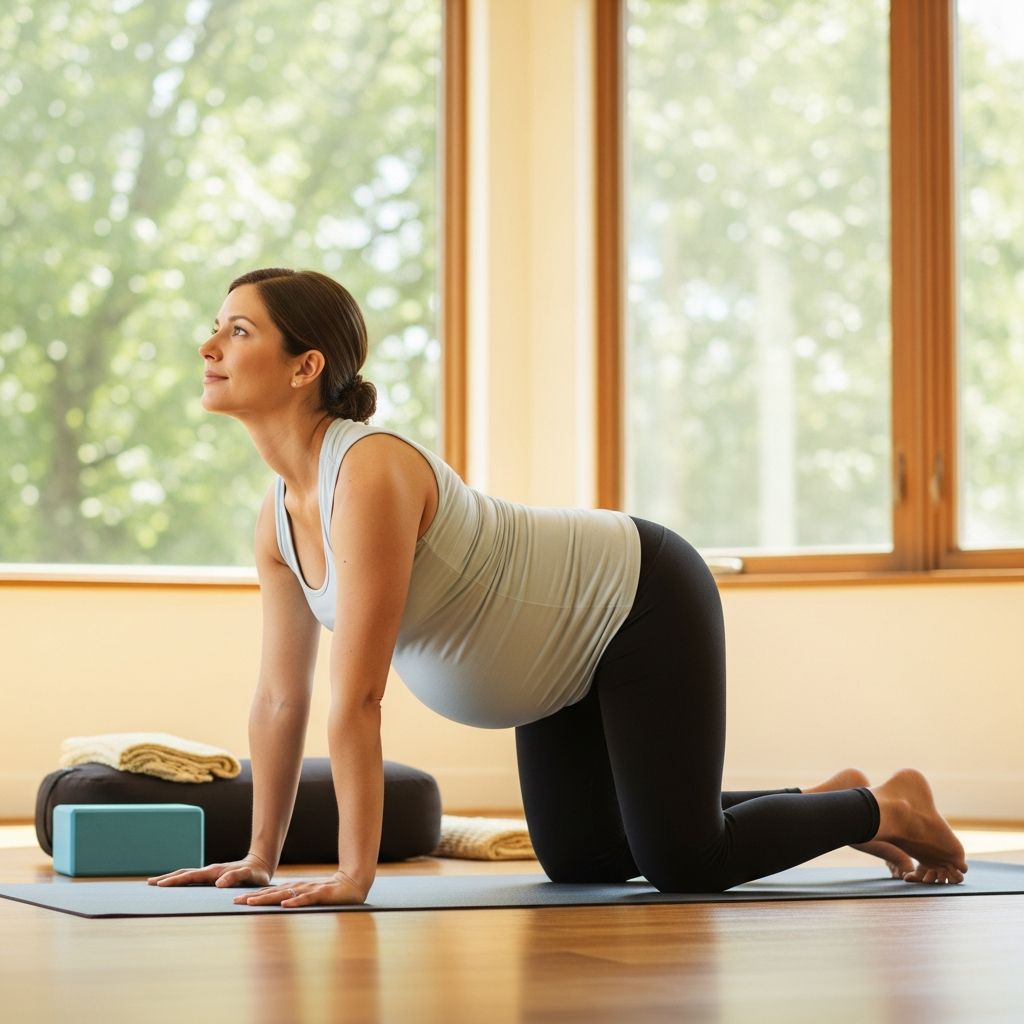
Beyond physical causes, anxiety about fetal harm, body image shifts, or fatigue can tense muscles, amplifying pain. Open communication with partners fosters understanding, while mindfulness or prenatal yoga eases stress.
Recognizing When to Consult a Doctor
Not all pain is benign; prompt evaluation prevents complications.
- Bleeding or spotting post-sex
- Severe, persistent cramps
- Fever, unusual discharge, or odor signaling infection
- One-sided sharp pain or dizziness hinting at ectopic issues
- Preterm labor signs like regular contractions
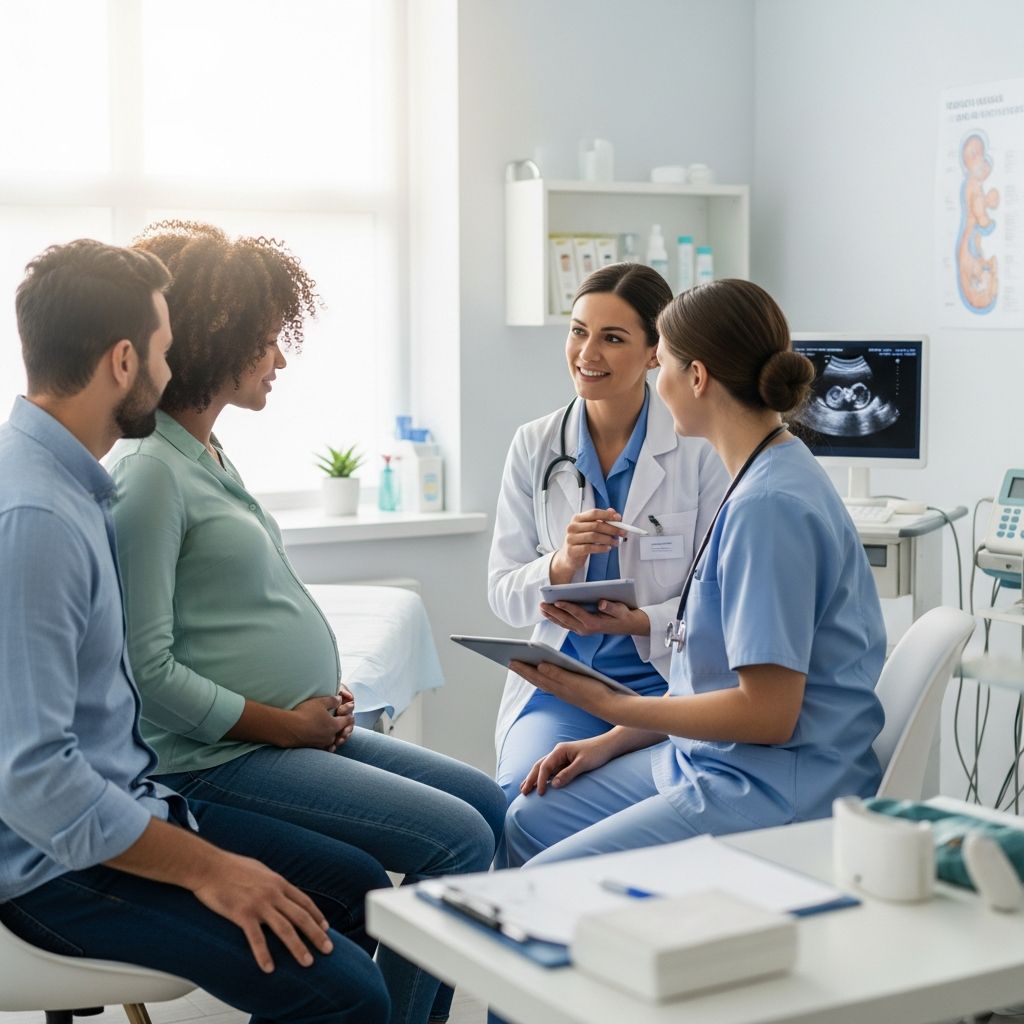
Healthcare providers may recommend antibiotics for infections, safe topicals for yeast, or ultrasounds for structural concerns.
Frequently Asked Questions (FAQs)
Is painful sex during pregnancy harmful to the baby?
No, in low-risk pregnancies, intercourse does not harm the fetus, protected by amniotic fluid and muscle layers. Pain stems from maternal changes, not fetal risk.
Can infections cause intercourse pain?
Yes, yeast, bacterial vaginosis, or UTIs are common culprits, treatable with pregnancy-safe medications.
How can I make sex more comfortable later in pregnancy?
Use supportive pillows, shallow penetration, and lubricants; spooning positions minimize strain.
Does round ligament pain always occur during sex?
Not exclusively, but movements like those in intimacy often trigger it; rest and heat packs help.
Should I avoid sex if it hurts?
Temporarily yes, until causes are addressed, but discuss with your doctor to rule out issues.
Maintaining Intimacy Throughout Pregnancy
Pregnancy need not end romance. Non-penetrative options like mutual massage, oral play, or cuddling sustain connection. Partners sharing household loads reduce exhaustion, enhancing desire. Postpartum planning, including recovery expectations, prepares couples for continued closeness.
Counseling or sex therapy tailored to pregnancy addresses libido dips from fatigue or nausea. Tracking symptoms in a journal aids doctor discussions, personalizing solutions.
Ultimately, listening to your body ensures safe enjoyment. Most discomfort resolves post-delivery as hormones normalize and swelling subsides.
References
- 5 Reasons You May Be Experiencing Painful Sex During Pregnancy — Raleigh Gynecology & Wellness. 2023. https://gynraleigh.com/5-reasons-you-may-be-experiencing-painful-sex-during-pregnancy/
- Why You’re Having Painful Sex During Pregnancy — The Bump. 2024. https://www.thebump.com/a/pain-during-sex
- 6 Reasons Why Pregnancy Sex May Be Painful That Are Normal — CCRM IVF. 2023. https://www.ccrmivf.com/news/reasons-for-painful-pregnancy-sex/
- Painful intercourse (dyspareunia) – Symptoms and causes — Mayo Clinic. 2024-10-22. https://www.mayoclinic.org/diseases-conditions/painful-intercourse/symptoms-causes/syc-20375967
- Discomfort During Intercourse While Pregnant — Fertility Memphis. 2024. https://www.fertilitymemphis.com/post/discomfort-during-intercourse-while-pregnant