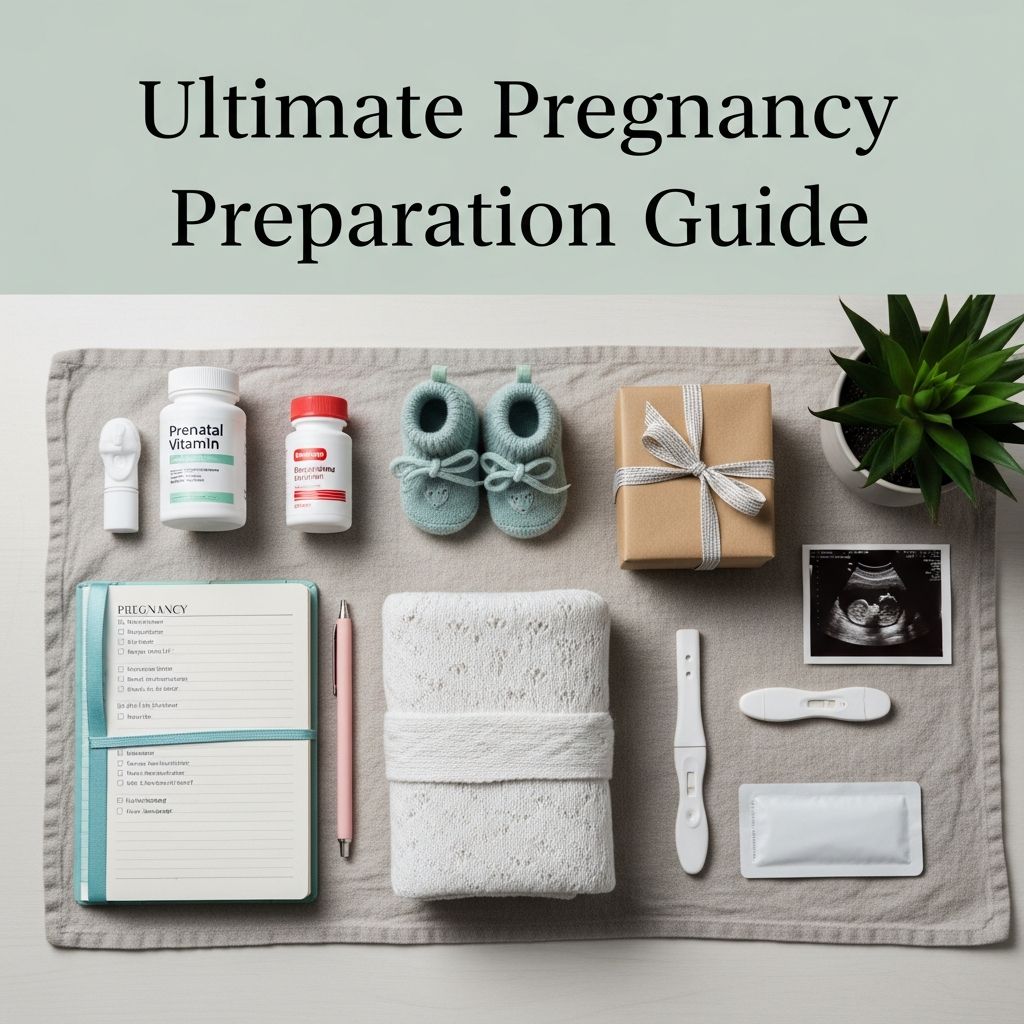
Welcoming a new baby transforms lives, demanding thoughtful preparation across physical, emotional, and logistical fronts. This guide offers a structured roadmap through preconception, each trimester, labor, and early postpartum phases, drawing from trusted health authorities to empower expectant parents with actionable steps for optimal outcomes.
Preconception Foundations for a Healthy Start
Building a strong base before conception maximizes maternal and fetal health. Focus on nutrition, lifestyle adjustments, and medical readiness to create ideal conditions for pregnancy.
- Consult your healthcare provider for a preconception exam, including blood pressure, thyroid, diabetes screening, and Pap smear if due.
- Begin a daily prenatal vitamin with at least 400 mcg folic acid to prevent neural tube defects, alongside iron-rich foods like spinach, lean meats, and beans.
- Achieve a balanced diet emphasizing calcium from dairy or fortified plants, omega-3s from low-mercury fish or chia seeds, and 8-10 glasses of water daily.
- Engage in 30 minutes of moderate activity most days, such as walking or yoga, while aiming for 7-9 hours of sleep nightly.
- Eliminate smoking, alcohol, and limit caffeine to one 12-ounce cup daily; avoid raw eggs, deli meats, and unpasteurized products.
- Review medications and birth control with your doctor, ensuring STI screenings if relevant.
- Practice stress reduction through mindfulness or meditation to support hormonal balance and emotional resilience.
These steps, recommended by the CDC, reduce risks like preterm birth and low birth weight when followed consistently.
First Trimester: Confirming and Caring Essentials
Weeks 1-12 bring rapid embryonic development, making early prenatal care critical. Prioritize confirmation, nutrition, and habit formation.
| Task | Why It Matters | Timeline |
|---|---|---|
| Take a home pregnancy test and share the news | Confirms viability; allows partner involvement | Upon missed period |
| Schedule first prenatal appointment | Establishes baseline health; discusses testing | 6-8 weeks |
| Verify insurance coverage for prenatal/delivery | Avoids financial surprises | Immediately |
| Start side-sleeping practice with pillows | Improves circulation as belly grows | Ongoing |
- Enroll in text alerts or apps for weekly updates and contraction timing later.
- Plan announcement timing and methods with your partner.
- Discuss genetic screenings like nuchal translucency.
- Avoid hot tubs, saunas, secondhand smoke, and ensure dental cleaning.
Geisinger emphasizes budgeting and parenting discussions early to align family goals.
Second Trimester: Building Strength and Comfort
Weeks 13-27 offer more energy for planning. Focus on comfort, education, and baby gear selection amid growing fetal movements.
- Join prenatal yoga or exercise classes to maintain fitness and connect with peers.
- Begin Kegel exercises daily to strengthen pelvic floor, preventing incontinence and aiding delivery.
- Track fetal kicks starting around week 20; report changes to your provider.
- Register for baby gifts at selected stores; compile invitation lists for showers.
- Attend breastfeeding classes and decide on cord blood banking.
- Brainstorm baby names and draft labor preferences.
- Pamper with pedicures, baths, or movies while possible.
- Prevent constipation with fluids, fiber, and stool softeners to avoid hemorrhoids.
This phase allows nursery groundwork without late-pregnancy fatigue, per Woman’s Hospital guidelines.
Third Trimester: Finalizing for Arrival
Weeks 28-40 intensify preparations as full-term nears. Weekly monitoring ramps up alongside practical setups.
| Week Range | Key Actions |
|---|---|
| 28-31 | Finalize childcare for siblings; purchase keepsake book; review birth plan with doctor. |
| 32-36 | Practice breathing/relaxation; choose pediatrician; GBS test; pack bags; install/inspect car seat. |
| 37+ | Perineal massage if vaginal birth; stock freezer; complete nursery; monitor labor signs. |
- Map hospital routes considering traffic; download contraction app.
- Arrange salon treatments pre-labor; buy postnatal supplies like pads, nursing bras.
- Screen for depression; decide on postpartum birth control.
Babylist highlights pediatrician selection by 37 weeks for seamless post-delivery care.
Packing Your Hospital Bags: What to Include
Prepare two bags: one for labor/delivery, one for postpartum. Pack by 35 weeks.
- For Labor: Comfortable robe, slippers, toiletries, snacks, ID/insurance, birth plan, phone charger.
- For Mom Postpartum: Nursing bras/pads, ointment, loose clothes, stool softeners, hemorrhoid aids, cushioned seat.
- For Baby: Outfits, blanket, car seat (installed), hat, mittens.
- Essentials: Prenatal vitamins, prescriptions, ultra-soft TP.
Separate bags streamline hospital transitions, as advised by multiple providers.
Nursery Setup and Babyproofing Basics
Create a safe, functional space early to avoid last-minute rushes.
- Assemble crib, changing station; stock diapers, wipes, clothes.
- Install smoke/carbon detectors; secure furniture; cover outlets.
- Choose firm mattress; no pillows/blankets in crib per safety standards.
- Prepare soothing items: white noise, rocker.
Begin babyproofing mid-third trimester when mobility eases.
Postpartum Recovery Roadmap
The fourth trimester demands self-care amid newborn demands.
- Rest frequently; accept help for meals/housework.
- Monitor bleeding, mood; continue prenatal vitamins.
- Establish breastfeeding routine or formula plan with lactation support.
- Schedule 6-week checkup; gentle walks for healing.
Stock freezer meals now for easy nutrition later.
Frequently Asked Questions
When should I start packing my hospital bag?
Aim for 35-36 weeks to account for early labor, including essentials for you, baby, and partner.
How often do prenatal visits occur in the third trimester?
Every two weeks from 32-36 weeks, then weekly until delivery for close monitoring.
What if I feel anxious or depressed during pregnancy?
Contact your provider immediately; screenings occur routinely, and support is available.
Is it necessary to take a childbirth class?
Highly recommended for breathing techniques, partner roles, and realistic expectations.
When should the car seat be installed?
By 37 weeks; get free inspections at fire stations or hospitals.
Financial and Emotional Planning
Beyond physical prep, budget for maternity leave, gear, and childcare. Discuss parenting styles with partners; join support groups for emotional bolstering.
This holistic approach ensures confidence, drawing from evidence-based checklists to mitigate common pitfalls.
References
- Pregnancy To-Do Checklist — Woman’s Hospital. 2023-11. https://www.womans.org/sites/default/files/2023-11/PregnancyToDoChecklist.pdf
- Pregnancy Care – Trimester Checklist — Geisinger. Accessed 2026. https://www.geisinger.org/patient-care/conditions-treatments-specialty/trimester-to-do-checklist
- Your Pregnancy Preparation List — CU Medicine OB-GYN East Denver. Accessed 2026. https://eastdenver.coloradowomenshealth.com/blog/your-pregnancy-preparation-list
- Steps to a Healthier Me and Baby-to-Be! Checklist — CDC. Accessed 2026. https://www.cdc.gov/pregnancy/media/pdfs/Pregnancy_Planner_508.pdf
- Your Pregnancy Checklist: Week by Week — Babylist. Accessed 2026. https://www.babylist.com/hello-baby/pregnancy-week-by-week-checklist