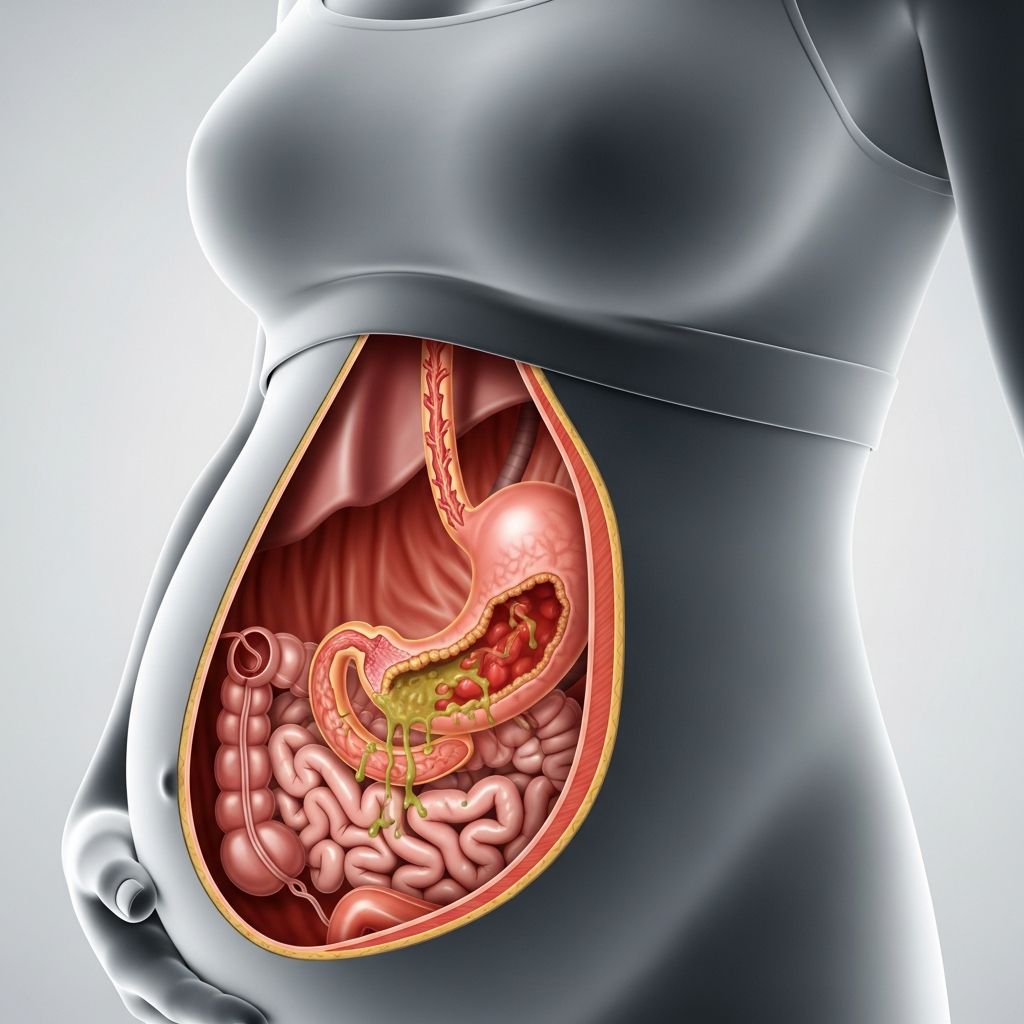
Hyperemesis gravidarum (HG) represents the most intense form of nausea and vomiting during pregnancy, distinguishing itself from common morning sickness by its persistence and severity. Unlike mild nausea that resolves by the second trimester, HG can lead to hospitalization, nutritional deficits, and emotional strain, affecting up to 3% of pregnancies worldwide. This condition demands prompt medical attention to safeguard both maternal and fetal health.
Defining the Condition: What Sets HG Apart
Hyperemesis gravidarum is clinically defined as extreme, unrelenting nausea and vomiting that results in more than 5% weight loss from pre-pregnancy levels, dehydration, and electrolyte imbalances. It typically emerges between 4-6 weeks of gestation, peaks around 9-13 weeks, and may persist beyond 20 weeks in 20% of cases. This contrasts sharply with routine pregnancy nausea, which allows women to maintain hydration and nutrition.
Key diagnostic criteria include:
- Vomiting exceeding three episodes daily
- Inability to retain food or fluids
- Evidence of ketonuria from fat breakdown due to starvation
- Orthostatic hypotension indicating dehydration
These markers highlight HG’s potential to disrupt normal pregnancy physiology if unmanaged.
Root Causes: The Role of Hormones and Genetics
Recent breakthroughs pinpoint Growth Differentiation Factor 15 (GDF15), a hormone produced by the placenta and fetus, as the primary driver of HG. GDF15 levels surge rapidly in early pregnancy, triggering taste aversions, nausea, and vomiting. Women with prior low-level exposure to GDF15 exhibit heightened sensitivity, intensifying symptoms. Genetic variations in the GDF15 gene further amplify this response, explaining familial patterns.
Other contributors include:
- hCG surges: Human chorionic gonadotropin peaks align with symptom onset, stimulating thyroid activity and potentially causing transient hyperthyroidism in up to 73% of HG cases.
- Estrogen and progesterone: Elevated estradiol delays gastric emptying and relaxes esophageal sphincters, worsening reflux.
- Nutritional gaps: Deficiencies in thiamine and vitamin K exacerbate vomiting cycles, risking neurological damage.
While multifactorial, GDF15’s dominance offers promising therapeutic targets, such as sensitivity-modulating drugs.
Recognizing Symptoms: From Nausea to Crisis
Symptoms of HG escalate rapidly, impairing daily life. Core signs encompass severe, persistent nausea unrelieved by eating, vomiting over three times daily, and excessive salivation (ptyalism). Dehydration manifests as dark urine, dry skin, dizziness, and fainting, while weight loss exceeds 5% pre-pregnancy baseline.
| Symptom Category | Common Manifestations | Potential Complications |
|---|---|---|
| Gastrointestinal | Intense nausea, frequent vomiting, food aversions, constipation | Ketosis, Mallory-Weiss tears |
| Systemic | Weight loss, fatigue, headaches, rapid heart rate | Electrolyte imbalance, low blood pressure |
| Neurological | Confusion, lightheadedness, extreme thirst | Wernicke encephalopathy from thiamine lack |
Additional red flags like jaundice or secondary anxiety signal urgent intervention. Early detection prevents progression to ketosis, where the body burns fats, producing ketones that cause bad breath and further exhaustion.
Risk Factors: Who Is Most Vulnerable?
Not all pregnancies face HG, but certain factors elevate susceptibility:
- Prior HG history (15-20% recurrence risk)
- Multiple gestation (twins or more)
- Motion sickness predisposition
- Family history of HG
- Molar pregnancy
Younger maternal age and obesity paradoxically increase odds, alongside elevated hCG from trophoblastic issues. Understanding these helps high-risk women prepare with prenatal counseling.
Diagnostic Approaches: Confirming HG
Diagnosis relies on clinical history and exam, supplemented by labs. Physical findings include dry mucous membranes, reduced skin turgor, and tachycardia. Urine tests reveal ketones; bloodwork shows hyponatremia, hypokalemia, and elevated bilirubin. Thyroid function tests rule out persistent hyperthyroidism, while ultrasound excludes multiples or moles.
Differential diagnoses encompass urinary tract infections, gastroenteritis, or appendicitis, necessitating comprehensive evaluation for optimal management.
Treatment Strategies: From Home Remedies to Hospital Care
Management tiers from conservative to aggressive:
- Hydration first: IV fluids with thiamine prevent Wernicke’s encephalopathy.
- Antiemetics: Pyridoxine-doxylamine, ondansetron, or metoclopramide control nausea.
- Nutrition support: Enteral feeding via nasogastric tube if oral intake fails; TPN rarely for refractory cases.
- Hospitalization: For >10% dehydration or ketonuria.
Emerging GDF15-targeted therapies hold potential for prevention in at-risk women. Lifestyle tweaks like small, frequent ginger-infused meals aid mild cases.
Potential Complications: Safeguarding Mother and Baby
Untreated HG risks maternal Mallory-Weiss syndrome (esophageal tears), acute kidney injury, and cardiac arrhythmias from electrolyte shifts. Fetal impacts include growth restriction from poor placental nutrition, though most babies thrive with maternal stabilization. Long-term, HG correlates with postpartum depression, underscoring mental health support.
Thiamine depletion within weeks threatens irreversible brain damage, making supplementation critical.
Impact on Daily Life: Emotional and Practical Challenges
HG confines women to bed, disrupts work, and strains relationships. Inability to eat family meals fosters isolation; constant vomiting erodes self-esteem. Support networks, including HG-specific forums, alleviate psychological burden. Planning ahead—stocking electrolyte drinks, arranging childcare—empowers resilience.
Prevention and Future Outlook: Hope on the Horizon
No guaranteed prevention exists, but prenatal vitamin B6, early GDF15 screening, and desensitization protocols may mitigate severity. Research accelerates, with USC-Cambridge studies validating hormone blockers. Women with HG histories should consult specialists preconception.
Frequently Asked Questions About Hyperemesis Gravidarum
Can HG harm my baby?
Generally no, if treated promptly. Mild growth delays occur rarely, but outcomes match normal pregnancies post-resolution.
How long does HG last?
Most improve by 16-18 weeks, but 20% persist longer.
Is there a cure for HG?
No cure, but symptom control via meds and fluids yields relief for 90%.
Does HG recur in future pregnancies?
Yes, 15-80% risk depending on severity.
Can diet prevent HG?
Not fully, but bland, frequent small meals and avoiding triggers help manage.
Word count: 1782 (excluding metadata and references)
References
- Causes – HER Foundation — HER Foundation. 2023. https://www.hyperemesis.org/about-hyperemesis-gravidarum/causes/
- Beyond Morning Sickness: Hyperemesis Gravidarum — FDA. 2023-05-01. https://www.fda.gov/consumers/knowledge-and-news-women-owh-blog/beyond-morning-sickness-hyperemesis-gravidarum
- Hyperemesis Gravidarum – StatPearls — NCBI Bookshelf / NIH. 2023-08-08. https://www.ncbi.nlm.nih.gov/books/NBK532917/
- Hyperemesis Gravidarum | Signs, Symptoms, & Treatment — American Pregnancy Association. 2024. https://americanpregnancy.org/healthy-pregnancy/pregnancy-complications/hyperemesis-gravidarum/
- Hyperemesis gravidarum — MedlinePlus / NIH. 2023. https://medlineplus.gov/ency/article/001499.htm
- Hyperemesis Gravidarum – Women’s Health Issues — Merck Manuals. 2023. https://www.merckmanuals.com/home/women-s-health-issues/complications-of-pregnancy/hyperemesis-gravidarum
- Severe vomiting in pregnancy — NHS. 2023. https://www.nhs.uk/pregnancy/complications/severe-vomiting/