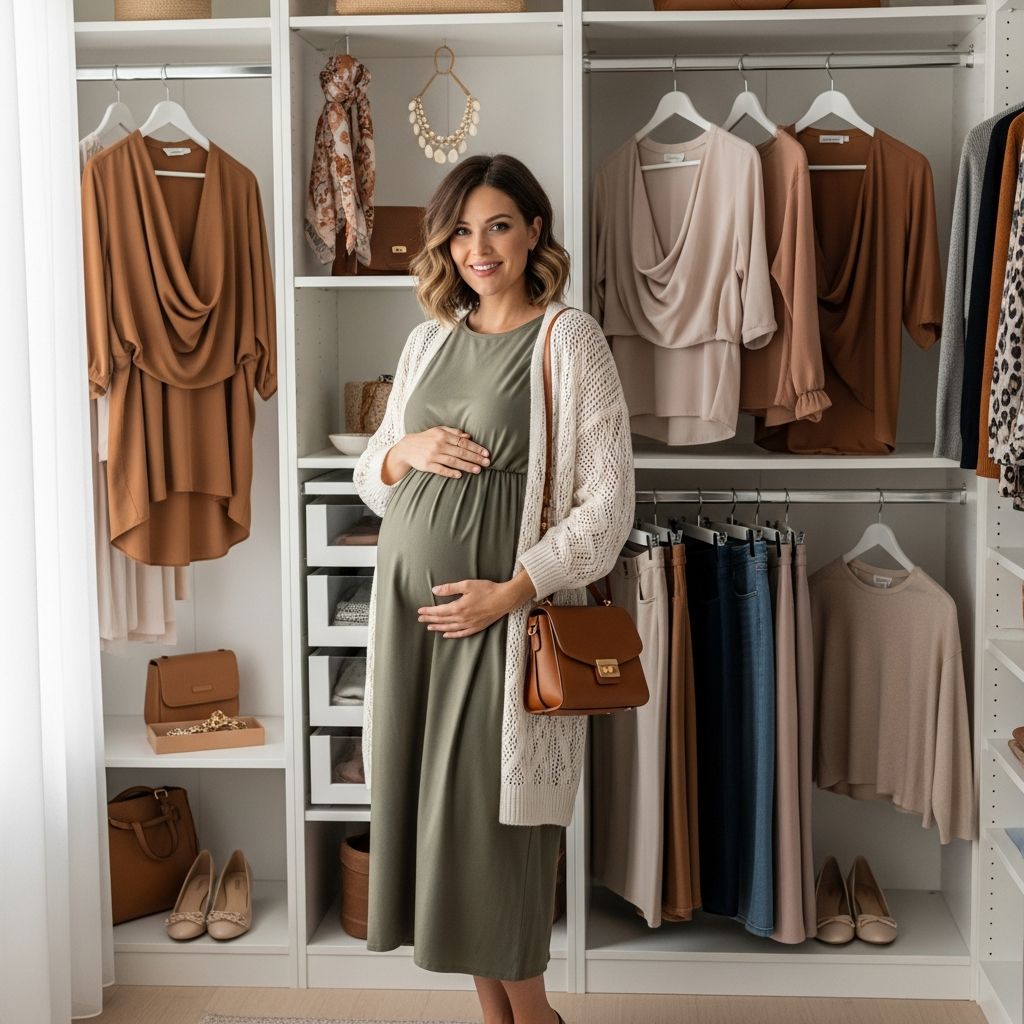
Breastfeeding can already feel like a full-time job, so the clothes you wear should work for you, not against you. The right breastfeeding tops let you feed your baby quickly and comfortably while still feeling like yourself. This guide walks through what to look for, how to build a small but powerful nursing wardrobe, and practical tips to make every feed a little smoother.
Why Specialized Nursing Tops Are Worth Considering
It is absolutely possible to breastfeed in regular clothes, but nursing-specific tops are designed to remove small daily frustrations that add up. Thoughtful openings, soft fabrics, and smart cuts help you feed with less fumbling and more confidence, whether you are at home or out in public.
- They provide easy breast access without needing to lift or remove layers completely.
- They offer more coverage for your midsection and back, which many parents find reassuring postpartum.
- They are cut to accommodate changing breast size and body shape in the months after birth.
Key Features To Look For In Breastfeeding Shirts
Not all “nursing” labels mean functional design. When shopping, it helps to understand the common access styles and comfort details that really matter day to day.
Types of Nursing Access Openings
The opening style affects how discreet, fast, and one-handed your feeds can be. Think about where you usually nurse and whether privacy is a big concern for you.
- Lift-up panel: A top layer of fabric lifts to reveal an opening underneath. This often gives good coverage on top while letting the baby latch from below.
- Side openings: Slits or overlapping panels along the sides of the bust that pull aside for nursing, blending in well when not in use.
- Hidden zipper: Discreet horizontal or vertical zippers near the bust area that can be opened one-handed once you get used to them.
- Wrap or crossover front: The neckline crosses over the chest so you can pull one side aside for access, often without any hardware.
- Snap or button plackets: Functional snaps or buttons placed low enough to open just one side for feeding.
Fabric, Fit, and Comfort Details
Postpartum bodies are in flux, so forgiving fabrics and gentle finishes make a big difference. Focus less on the size on the tag and more on how the top feels when you move, sit, or lean over a bassinet.
- Soft, breathable fabrics: Cotton, bamboo, and modal blends are usually kinder to sensitive skin and help with night sweats.
- Stretch and recovery: A bit of spandex or elastane helps tops bounce back after feeds instead of sagging at the openings.
- Tag-free or covered seams: Look for smooth inner finishes to avoid irritation around the neck, shoulders, and bust.
- Roomy but not baggy: Aim for tops that skim rather than cling, especially around the midsection, so you feel comfortable sitting, bending, and holding your baby.
Common Styles of Breastfeeding Tops
Breastfeeding tops now come in a wide range of styles, from ultra-casual to office-ready. Mixing a few types lets you dress for different parts of your week without needing a huge wardrobe.
| Style | Best For | Typical Access Type |
|---|---|---|
| Nursing tank tops | Layering, hot weather, sleep | Clip-down straps or lift-up panel |
| Casual nursing tees | Everyday wear, errands, visitors | Lift-up front panel or hidden side openings |
| Nursing blouses | Work, events, photos | Button fronts, hidden zippers, wrap fronts |
| Nursing hoodies and sweatshirts | Cool weather, park trips, travel | Horizontal zippers or layered panels |
| Nursing sleep tops and nightgowns | Night feeds, hospital stays | Clip-down straps, crossover fronts, or simple pull-aside access |
Building a Small, Smart Nursing Wardrobe
You do not need an entire closet of breastfeeding-specific clothing to make life easier. A focused capsule of tops can cover most situations you will encounter in the first year.
- Two to three nursing tanks for layering and night feeds.
- Three to five casual nursing tees or long-sleeves for daily wear.
- One or two dressier nursing blouses or tunics for outings or work.
- One nursing-friendly sweatshirt or hoodie if you live in a cooler climate.
Start with the basics you will use most, then add specialty pieces only if you find a gap. Many parents discover they rotate the same few favorites and do not need every trendy style on the market.
Budget-Friendly Ways To Get Nursing Tops
Dedicated breastfeeding shirts can feel like an extra expense, especially when you may only wear them for a season. Thankfully, there are several ways to keep costs down without sacrificing comfort.
- Shop secondhand: Check local parent groups, consignment stores, and online resale platforms. Many nursing tops are gently used for a short period.
- Prioritize versatile colors: Neutral tops in black, navy, gray, or white pair easily with what you already own and help you get more outfits from fewer pieces.
- Choose pregnancy-to-nursing designs: Some tops are cut to work during late pregnancy and then transition into the breastfeeding phase, extending their lifespan.
- Combine with regular layers: A nursing tank under open cardigans, denim shirts, or jackets you already own creates a nursing-friendly outfit without replacing every piece.
Styling Tips So You Still Feel Like Yourself
It is easy to feel lost in the blur of spit-up cloths and oversized T-shirts. Nursing tops do not have to look like medical gear. With a few styling tricks, you can build outfits that function well and reflect your usual style.
Everyday Casual Looks
- Nursing tank + soft joggers + open cardigan for couch days and pediatrician visits.
- Nursing tee + high-waisted leggings + sneakers for walks and coffee runs.
- Nursing sweatshirt + jeans for playground or grocery trips when you want to look pulled together with minimal effort.
Dressed-Up Nursing Outfits
- Nursing blouse + stretchy trousers + low heels or flats for returning to work or attending events.
- Nursing-friendly wrap top + midi skirt for dinners out or family celebrations.
- Smart nursing tank under a blazer for video calls or meetings when you may still need to pump between tasks.
Accessories like scarves, earrings, and comfortable shoes can add personality without interfering with feeding or pumping sessions.
Breastfeeding in Public: Clothing Confidence Boosters
For many new parents, the first few times nursing outside the house can feel intimidating. Clothing will not solve every concern, but the right top can reduce how exposed you feel and streamline the process.
- Choose tops with built-in coverage, such as lift-up panels or overlapping layers that leave less skin exposed.
- Practice at home in the clothes you plan to wear out, so you know exactly how the openings work and how much coverage they provide.
- Pair a nursing tank with a loose top that you lift slightly, creating a covered “window” for baby between the two layers.
- Carry a lightweight muslin or scarf if you prefer extra coverage; attach it to your bra strap so it stays put but leaves baby’s face clear.
Postpartum Body Changes and Fit Considerations
Breast size, ribcage width, and overall shape can change several times in the months after birth. When choosing breastfeeding shirts, plan for this fluctuation instead of chasing a single “perfect” size.
- Leave room for breast pads: If you use disposable or reusable pads, make sure the top is not so tight that they show or shift.
- Check armholes and shoulders: Tops that pull at the shoulders or dig under the arms will feel worse as the day goes on, especially when you are lifting and holding a baby.
- Look for length: Slightly longer tops help you feel covered when sitting on the floor, reaching into a crib, or leaning over a stroller.
It can be helpful to have one or two looser tops for engorgement days or growth spurts when your usual size suddenly feels snug.
Caring for Your Nursing Tops
Breast milk, spit-up, and constant washing are part of early parenthood. A simple care routine will extend the life of your breastfeeding shirts and keep them comfortable against your skin.
- Follow label instructions, but when in doubt, wash in cool or warm water on a gentle cycle.
- Use mild detergent without heavy fragrance if you or your baby have sensitive skin.
- Line-dry or tumble on low heat to protect elastic fibers and keep openings from warping.
- Pre-treat milk and food stains with a gentle stain remover before washing.
Keeping a small laundry basket or bag just for nursing clothes and bras can make it easier to wash these items together on a suitable cycle.
How Nursing Tops Work With Pumping
If you pump regularly, the design of your tops can either streamline this process or make it more tedious. When choosing shirts for pumping days, consider how they will interact with your pump flanges and bra.
- Horizontal openings or zippers across the bust can make placing flanges easier without exposing your entire torso.
- Loose, stretchy tops pair well with hands-free pumping bras, allowing you to pull the shirt up just enough to connect the pump.
- If you pump at work, look for tops that return to a neat shape afterward, so any milk spots or creasing are less noticeable.
Simple Checklist Before You Buy
When evaluating a breastfeeding shirt, run through a quick mental checklist. This helps you avoid impulse buys that look cute online but do not work in real life.
- Can you open it one-handed while holding a baby?
- Does it keep your midsection and back mostly covered during a feed?
- Is the fabric soft and non-itchy on bare skin?
- Does it work with bras you already own?
- Will you want to wear it even after you are done breastfeeding?
Frequently Asked Questions About Breastfeeding Tops
Do I really need special breastfeeding shirts?
No, they are not strictly necessary, and many parents successfully nurse in regular tops. However, nursing-specific shirts can make feeds faster, more discreet, and more comfortable, especially in public or at night when you want minimal fuss.
How many nursing tops should I start with?
For most people, starting with four to six tops is enough: a mix of tanks, tees, and one dressier option. You can always add more once you know which styles you reach for most often.
Can I keep wearing my breastfeeding tops after weaning?
Yes, many modern nursing tops are designed to look like regular clothing, with hidden openings you can simply ignore later. Choosing simple cuts and neutral colors makes them easy to keep in your wardrobe long term.
What should I wear under a nursing shirt?
A nursing bra or nursing tank with clip-down cups usually works best, allowing you to open both the bra and shirt without wrestling with multiple layers. If you prefer bralettes or soft bras, choose styles that are easy to pull aside without losing support.
Are nursing clothes only for people who exclusively breastfeed?
Not at all. Even if you combine breastfeeding with formula or pumping, breastfeeding tops can still make the feeds you do offer more comfortable and convenient.
Final Thoughts
The most important measure of a breastfeeding top is how it fits into your real life. If a shirt helps you nurse with less stress, keeps you reasonably covered where you want coverage, and feels good on your body, it is doing its job. A small, well-chosen set of nursing tops can support your feeding goals while letting you show up as more than “just” a milk provider—still yourself, just with a baby on your chest.