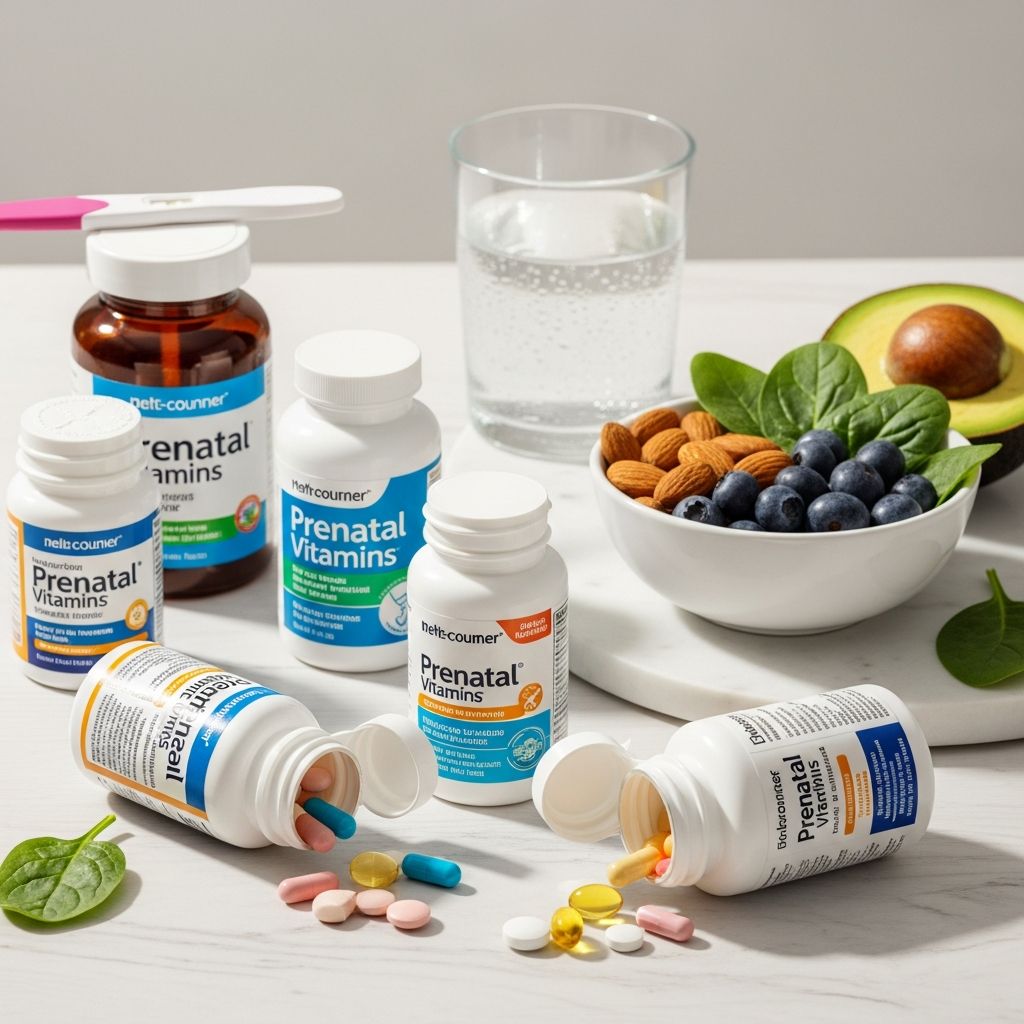
Walking down the supplement aisle in search of a prenatal vitamin can feel overwhelming. Bottles promise everything from “complete nutrition” to “gentle on the stomach,” but the fine print often looks like a foreign language. This guide breaks that confusion into simple, practical steps so you can confidently choose an over-the-counter (OTC) prenatal vitamin that supports both your health and your baby’s development.
Why Prenatal Vitamins Matter (Even Before You’re Pregnant)
A balanced diet is the foundation of a healthy pregnancy, but prenatal vitamins help fill in the gaps. Many people start taking a prenatal months before trying to conceive, because some nutrients—especially folate—play a key role in the very earliest weeks of development, often before a positive pregnancy test.
- Prenatal vitamins are designed with higher amounts of specific nutrients that support fetal brain, spine, and organ formation.
- They also help maintain the mother’s nutrient stores, which can be strained during pregnancy due to increased demands on the body.
- Taking a prenatal before conception can support egg health and prepare your body for pregnancy.
While no supplement can replace wholesome food, the right OTC prenatal vitamin acts like a safety net, reducing your risk of deficiencies during this critical life stage.
OTC vs. Prescription Prenatal Vitamins: What’s the Difference?
One of the first decisions you may face is whether to use an over-the-counter prenatal or ask your provider for a prescription. Both can be effective, but they differ in a few key ways.
| Feature | Over-the-Counter Prenatal | Prescription Prenatal |
|---|---|---|
| Availability | Purchased directly in stores or online without a prescription | Requires a prescription from your healthcare provider |
| Formulations | Wide variety of formulas, strengths, and ingredient combinations | More standardized formulas, sometimes with higher doses of certain nutrients |
| Cost | Range from budget-friendly to premium; may be paid out of pocket | Often covered partially or fully by insurance, depending on your plan |
| Ideal For | Most healthy pregnancies without major deficiencies or complex medical needs | People with specific deficiencies, absorption issues, or conditions requiring tailored dosing |
| Flexibility | Easy to switch brands or forms if you experience side effects | Changes typically require a follow-up conversation with your provider |
For most people, a well-chosen OTC prenatal vitamin is sufficient. Prescription options may be recommended if you have significant anemia, a history of neural tube defects, malabsorption conditions, or other medical concerns.
Core Nutrients Every Prenatal Vitamin Should Include
Labels may vary, but strong prenatal formulas tend to have a few essential nutrients in common. When evaluating a bottle, look for these key components and check whether amounts are close to what your provider recommends for pregnancy.
Folate (or Folic Acid)
- Supports early development of your baby’s brain and spinal cord.
- Helps reduce the risk of neural tube defects when taken before conception and in early pregnancy.
- Many experts suggest around 400–800 micrograms of folate or folic acid from a supplement, in addition to food sources.
Some products use methylated forms of folate (such as L-methylfolate) that may be better tolerated or absorbed by some individuals. If you have known genetic variants affecting folate metabolism or a previous pregnancy affected by a neural tube defect, discuss options with your provider.
Iron
- Crucial for forming red blood cells and preventing or treating anemia.
- Supports healthy oxygen transport to both you and your baby.
- Typical prenatal vitamins contain around 18–30 milligrams of iron, but your needs may vary.
Iron can cause nausea or constipation in some people. If you struggle with these side effects, your provider may suggest a lower-iron prenatal plus a separate, gentler iron supplement, or changes in timing and diet to improve tolerance.
Calcium and Vitamin D
- Work together to support your baby’s bones and teeth while protecting your own bone density.
- Many prenatals do not contain the full daily recommended calcium amount due to pill size limits, so dietary sources are still important.
- Vitamin D also plays a role in immune function and may influence mood and energy.
If you rarely get sun exposure or eat few calcium-rich foods, you may need an additional supplement, but this should be guided by your provider based on your diet and lab results.
Iodine
- Helps support your thyroid function, which in turn regulates your metabolism.
- Essential for your baby’s brain and nervous system development.
- Not all prenatal vitamins include iodine, so check labels if you do not regularly use iodized salt or eat seafood and dairy.
Other Helpful Nutrients
Many OTC prenatal vitamins also contain:
- Vitamin B6 to support energy metabolism and potentially ease mild nausea.
- Vitamin B12 for red blood cell formation and nervous system support, especially important for vegetarians and vegans.
- Choline for brain and memory development, which remains underrepresented in many formulations.
- Omega-3 fats (often DHA) to support brain and eye development, sometimes offered in a separate softgel.
Types of OTC Prenatal Vitamins: Which Form Fits You?
Beyond nutrient levels, the physical form of the supplement can heavily influence whether you take it consistently. Morning sickness, taste aversions, and swallowing difficulties can all affect what works for you at different stages.
Traditional Tablets and Capsules
- Most common and often the most cost-effective form.
- Can contain a comprehensive mix of vitamins and minerals in a single pill or small handful of pills per day.
- Some people find larger tablets hard to swallow or irritating to the stomach when taken on an empty stomach.
Softgels
- Often easier to swallow due to smooth coating.
- Frequently used for formulas that include oily ingredients like DHA.
- May still feel large for some, and are not suitable for those who prefer chewable or liquid options.
Gummies and Chewables
- Appeal to those with pill fatigue or strong gag reflexes.
- Often taste better, which can be helpful during times of nausea.
- Many gummy formulas lack iron and sometimes other minerals, so you may need an additional supplement.
Powders and Liquids
- Can be mixed into water, smoothies, or juice for easier intake.
- Useful for those with swallowing difficulties or severe nausea with pills.
- Flavor, texture, and the need for refrigeration or careful measuring can be drawbacks for some users.
The “best” form is usually the one you can take consistently without dread or severe side effects. You might even switch between types as your pregnancy symptoms change.
How to Read a Prenatal Vitamin Label Without Getting Overwhelmed
Labels can be confusing, but a few simple strategies can help you quickly spot whether a product is worth considering.
Check Serving Size First
- Look at how many pills, gummies, or scoops equal one daily serving.
- Make sure you are comfortable with that number; some comprehensive formulas require multiple capsules per day.
- Failure to take the full serving can mean you are not getting enough of key nutrients.
Compare Amounts to Recommended Levels
- Scan for folate (or folic acid), iron, vitamin D, iodine, and calcium.
- Ensure amounts are not drastically higher than what your provider recommends unless specifically advised.
- Be wary of megadoses of fat-soluble vitamins (A, D, E, K), which can accumulate in the body.
Look for Quality and Transparency
- Some brands are third-party tested for purity and label accuracy; this information is often highlighted on the packaging.
- Check whether the manufacturer lists full ingredient details rather than vague proprietary blends.
- If you have allergies or sensitivities, verify that the product is free from problematic ingredients like certain dyes, gluten, or specific allergens.
Special Considerations: Diet, Lifestyle, and Medical Conditions
Two people can stand in front of the same shelf of OTC prenatal vitamins and need completely different products. Your health history, lifestyle, and eating patterns all shape what will work best for you.
If You Follow a Vegetarian or Vegan Diet
- Ensure your prenatal includes vitamin B12, iron, and possibly iodine, which many plant-based diets may lack.
- Look for formulas that clearly state they are vegetarian or vegan and free from gelatin.
- Consider whether you eat enough plant sources of omega-3 fats, or if an algae-based DHA supplement would be helpful.
If You Have Digestive Issues or Nausea
- Try taking your prenatal with a snack or at bedtime instead of on an empty stomach.
- Look for “gentle” or “slow-release” iron forms if you experience constipation or stomach upset.
- Some people do better with divided doses throughout the day rather than a single large tablet.
If You Have Medical Conditions
- Conditions such as thyroid disorders, clotting issues, bariatric surgery history, or malabsorption diseases can change your nutrient needs.
- Always discuss any prenatal vitamin (OTC or prescription) with your healthcare team if you have a complex medical history.
- Lab tests may guide whether you need additional supplements, such as higher-dose vitamin D or iron.
Sample Checklist: What to Look For in an OTC Prenatal
Use this quick checklist as you compare options on the shelf or online. It is not a substitute for medical advice, but it can help you narrow the field.
- Includes a recommended amount of folate or folic acid (often 400–800 micrograms).
- Contains iron, unless your provider has told you to avoid or limit it.
- Provides vitamin D and some calcium, with the understanding that additional dietary calcium is still needed.
- Lists iodine, especially if you do not use iodized salt regularly.
- Offers B12 and possibly choline, particularly important for those with limited animal products in their diet.
- Has a serving size you are realistically willing to take daily.
- Comes from a reputable brand with clear labeling and, ideally, third-party testing.
Common Mistakes When Choosing Prenatal Vitamins
Even smart, well-informed parents-to-be can run into roadblocks when picking a prenatal. Being aware of common traps can help you avoid them.
- Choosing based only on marketing claims. Phrases like “all-natural” or “complete” do not tell you whether nutrients are present at appropriate levels.
- Ignoring gaps in gummy formulations. Gummy prenatals often skip iron to keep the taste more pleasant, leaving a potential deficiency if you do not supplement separately.
- Taking megadoses without medical guidance. More is not always better, especially for fat-soluble vitamins or minerals that can cause side effects at high doses.
- Switching frequently without reason. Constantly changing brands can make it difficult to know whether symptoms are from the supplement, pregnancy itself, or other factors.
When to Start and How Long to Continue Prenatal Vitamins
Timing matters with prenatal vitamins. Ideally, you begin taking a prenatal several months before trying to conceive, but many people start once they realize they are pregnant and still benefit greatly.
- Preconception: Starting early supports egg health and ensures folate levels are adequate by the time of conception.
- During pregnancy: Continue throughout all trimesters to help meet increasing nutrient demands.
- Postpartum and breastfeeding: Many providers suggest continuing a prenatal vitamin while breastfeeding or pumping, as your nutrient needs remain elevated.
If you are not planning another pregnancy, your provider may eventually transition you from a prenatal back to a standard multivitamin or targeted supplements based on your labs and diet.
Safety Tips for Taking OTC Prenatal Vitamins
Even though prenatal vitamins are widely available without a prescription, they should be taken thoughtfully and stored safely.
- Always keep supplements out of reach of children; iron-containing products can be dangerous if accidentally ingested by a child.
- Do not combine multiple multivitamins without medical guidance, as this can lead to excessive intake of certain nutrients.
- Let every member of your care team know which prenatal you are taking, including any separate iron, DHA, or herbal supplements.
- Watch for side effects like severe constipation, persistent nausea, or rashes, and report them to your provider.
Frequently Asked Questions About OTC Prenatal Vitamins
1. Do I really need a prenatal vitamin if I eat a healthy diet?
Even with a nutrient-dense diet, it can be difficult to consistently reach optimal levels of specific nutrients such as folate, iron, iodine, and choline through food alone. A prenatal vitamin is intended to complement—not replace—balanced meals, adding a layer of protection against unintentional gaps. Because pregnancy demands are high and sometimes unpredictable, most healthcare providers recommend a prenatal vitamin throughout pregnancy.
2. Can my partner take prenatal vitamins too?
Prenatal vitamins are formulated for people who are pregnant or may become pregnant, often with iron and folate levels tailored to that purpose. While most ingredients are not harmful to a male partner, there is usually no need for them to take a prenatal specifically. Instead, they can focus on their own multivitamin if needed and a balanced diet rich in antioxidants, which may support sperm health.
3. What if my prenatal vitamin makes me feel sick?
Nausea, metallic taste, and constipation are common reasons people stop taking prenatal vitamins. Before giving up, consider strategies such as taking the supplement with food, switching to a different form (for example, capsules instead of large tablets), or using a product with a gentler iron form. If symptoms are severe, speak with your provider, who may recommend a different brand, changing the timing, or dividing the dose over the day.
4. Are there ingredients I should avoid in an OTC prenatal?
Most standard prenatal vitamins are safe when taken as directed, but there are still reasons to read labels carefully. Very high doses of vitamin A in retinol form can be a concern in pregnancy, so many products now use safer beta-carotene sources. If you are sensitive to artificial colors, sweeteners, or certain additives, choose brands that avoid these extras and focus on straightforward formulations.
5. Can I use a regular multivitamin instead of a prenatal?
Regular multivitamins are not specifically designed for pregnancy and often contain lower amounts of folate and iron than needed for this life stage. Some may also include forms or doses of ingredients that are not ideal for pregnancy. A dedicated prenatal vitamin is usually a better choice, but if you only have access to a regular multivitamin temporarily, talk with your provider about whether you need additional targeted supplements.
6. How do I know which brand to trust?
Brand names can be confusing, and price does not always reflect quality. Look for products made by companies that prioritize third-party testing, transparent labeling, and realistic claims. Reviews from other parents can be helpful, but they should not replace medical advice or label review; what works well for one person may not suit another due to differences in diet, medical history, or tolerance.
Final Thoughts: Building a Prenatal Plan That Works for You
Choosing an over-the-counter prenatal vitamin does not need to be complicated. When you focus on key nutrients, realistic serving sizes, and your individual needs, it becomes much easier to find a product that fits comfortably into your daily routine. Pair that supplement with nourishing food, regular medical care, and rest where you can, and you will have built a powerful foundation for a healthy pregnancy journey.