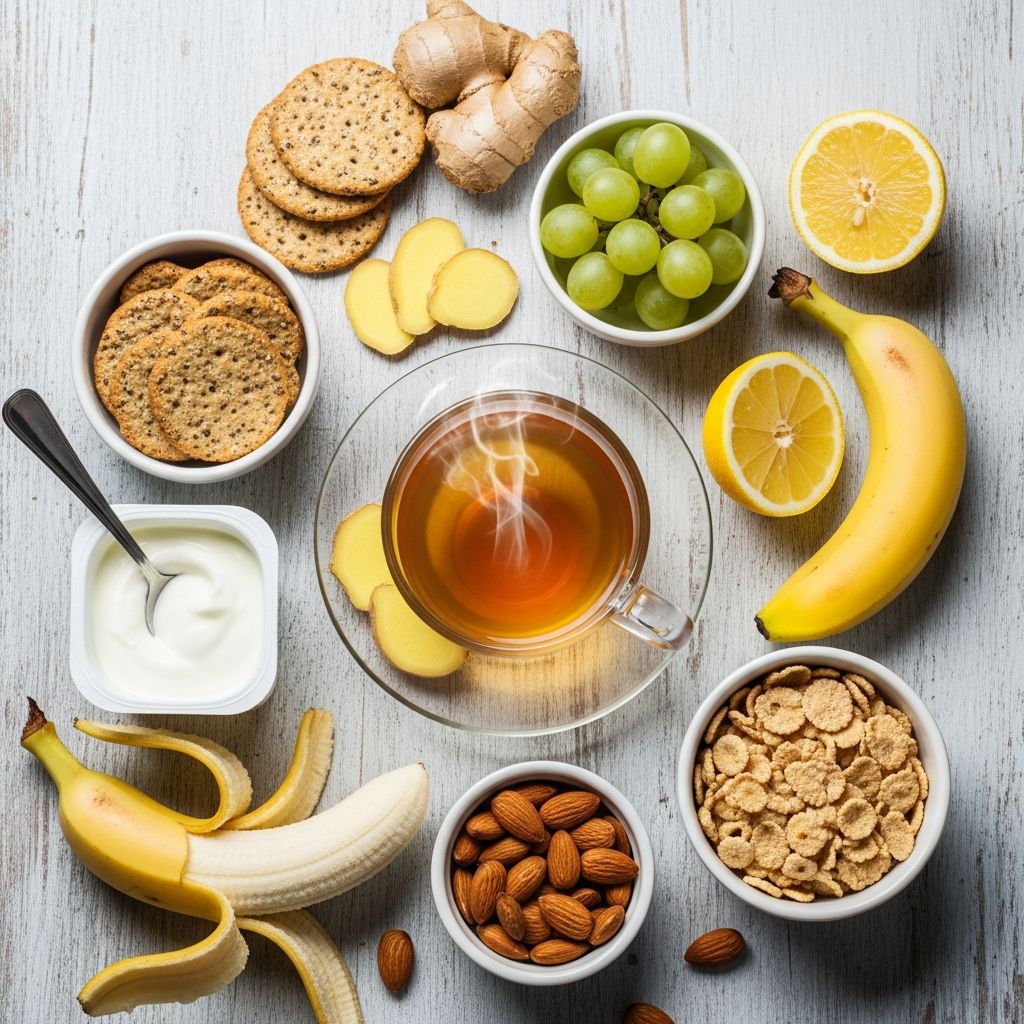
The first trimester brings rapid fetal development, making nutrient intake crucial despite common nausea. Essential snacks provide folic acid to prevent neural tube defects, iron to combat anemia, protein for tissue growth, and calcium for bone formation.
Why Snacks Matter in Early Pregnancy
During weeks 1-12, your baby forms vital organs, requiring 2,300-2,400 kcal daily, including 85-90g protein and 36-40mg iron. Nausea affects up to 80% of pregnancies, but frequent small snacks stabilize blood sugar and ease symptoms better than large meals. Dry carbs like crackers settle stomachs first, followed by proteins and fruits as tolerated.
Guidelines from Mayo Clinic emphasize 600-1,000mcg folic acid daily from fortified cereals and greens, alongside 71g protein from lean sources. NHS recommends starchy foods for energy and dairy for calcium.
Key Nutrients and Their Snack Sources
Prioritize these for balanced intake:
- Folic Acid (600mcg/day): Prevents spina bifida; in leafy greens, citrus, fortified grains.
- Iron (36-40mg/day): Boosts blood production; pair with vitamin C for absorption from meats, spinach.
- Protein (71-90g/day): Builds fetal tissues; from eggs, nuts, yogurt.
- Calcium (1,000mg/day): For bones; dairy, almonds, greens.
- Vitamin D: Aids calcium uptake; sunlight, fortified milk, salmon.
Top 12 Stomach-Friendly Snack Ideas
These options draw from credible guidelines, focusing on low-odor, bland profiles to minimize queasiness. Aim for 5-6 small snacks daily alongside meals.
1. Plain Crackers or Pretzels
Start your day with dry carbs to absorb stomach acid. One cup provides quick energy without overwhelming digestion. Pair with cheese for protein boost.
2. Greek Yogurt with Berries
Low-fat Greek yogurt offers 17g protein per serving, plus calcium. Add strawberries for vitamin C to enhance iron absorption.
3. Apple Slices with Peanut Butter
Fresh apples deliver fiber and vitamin C; 2 tbsp peanut butter adds 7g protein and healthy fats. Keeps you full longer.
4. Fortified Cereal with Milk
Choose 25-100% fortified options for 100-400mcg folic acid per cup. Skim milk contributes 300mg calcium and 8g protein.
5. Hard-Boiled Eggs
One egg packs 6g protein, vitamin D (43.5 IU), and iron. Easy to prepare and portable.
6. Carrot Sticks with Hummus
Crunchy carrots provide beta-carotene; hummus (from chickpeas) offers plant protein and fiber. Low-calorie, hydrating snack.
7. Banana with Almonds
Bananas soothe nausea with potassium; handful of almonds adds calcium and magnesium.
8. Cottage Cheese and Pineapple
Cottage cheese is ricotta-like with high protein; pineapple’s enzymes aid digestion.
9. Oatmeal with Fortified Juice
Starchy oats settle stomachs; 8oz fortified orange juice gives vitamin C and D.
10. Cheese and Whole Grain Crackers
Hard cheese provides calcium safely; whole grains add fiber.
11. Canned Salmon on Celery
Low-mercury salmon (3oz: 17g protein, 181mg calcium, 570 IU vitamin D). Limit to 12oz/week.
12. Dried Apricots or Prunes
Portable fruit hits for iron and fiber to prevent constipation.
Daily Nutrition Breakdown Table
Use this guide from MyPlate and Mayo Clinic for balanced intake.
| Food Group | Daily Amount | Example Snacks | Key Nutrients |
|---|---|---|---|
| Dairy | 3 cups | Yogurt (6oz: 258mg calcium), milk | Calcium, protein |
| Fruits | 2+ cups | Berries, apples, citrus | Vitamin C, folate |
| Grains | 5-7 oz | Fortified cereal, crackers, oats | Folate, energy |
| Protein | 5-6 oz | Eggs, nuts, salmon, beans | Protein, iron |
| Vegetables | 3+ cups | Carrots, spinach, celery | Iron, folate |
Foods to Avoid for Safety
Steer clear of risks: unpasteurized dairy, soft cheeses (brie, gorgonzola), high-mercury fish (albacore tuna >6oz/week), raw meats. Limit added sugars and processed junk.
Hydration and Lifestyle Tips
Drink 8-10 cups water daily; ginger tea may ease nausea if doctor-approved. Combine snacks with light walks or prenatal yoga to boost appetite and digestion.
Frequently Asked Questions (FAQs)
What are the best first snacks for morning sickness?
Dry crackers or pretzels absorb acid; follow with protein like yogurt.
How much folic acid do I need in the first trimester?
600-1,000mcg daily from food and supplements to prevent defects.
Can I eat nuts during pregnancy?
Yes, almonds and peanut butter provide protein and calcium; choose unsalted.
Is salmon safe in early pregnancy?
Low-mercury types like canned pink (limit 12oz/week) offer omega-3s and vitamin D.
How often should I snack?
Every 2-3 hours with small portions to maintain energy and reduce nausea.
References
- Nutritional Guidelines for the First Trimester of Pregnancy — Vinmec. 2023. https://www.vinmec.com/eng/blog/diet-for-the-first-3-months-of-pregnancy-en
- First Trimester Nutrition: Combating Morning Sickness — Pullman Regional Hospital. 2023. https://info.pullmanregional.org/blog/first-trimester-nutrition-combating-morning-sickness
- Nutrition in the First Trimester — Temecula Valley OBGYN. 2024. https://www.temeculavalleyobgyn.com/nutrition-in-the-first-trimester/
- Pregnancy diet: Focus on these essential nutrients — Mayo Clinic. 2025-02-01. https://www.mayoclinic.org/healthy-lifestyle/pregnancy-week-by-week/in-depth/pregnancy-nutrition/art-20045082
- Have a healthy diet in pregnancy — NHS. 2024. https://www.nhs.uk/pregnancy/keeping-well/have-a-healthy-diet/
- Kentucky Prenatal Nutrition Guide First Trimester — Kentucky Department for Public Health. 2011-09-20. https://www.chfs.ky.gov/agencies/dph/dmch/nsb/Documents/FirstTrimesterKYPrenatalGuiderev92011.pdf
- Nutrition Information for Pregnancy and Breastfeeding — MyPlate.gov (USDA). 2025. https://www.myplate.gov/life-stages/pregnancy-and-breastfeeding