Decoding the Clomid Ovulation Timeline: A Comprehensive Overview
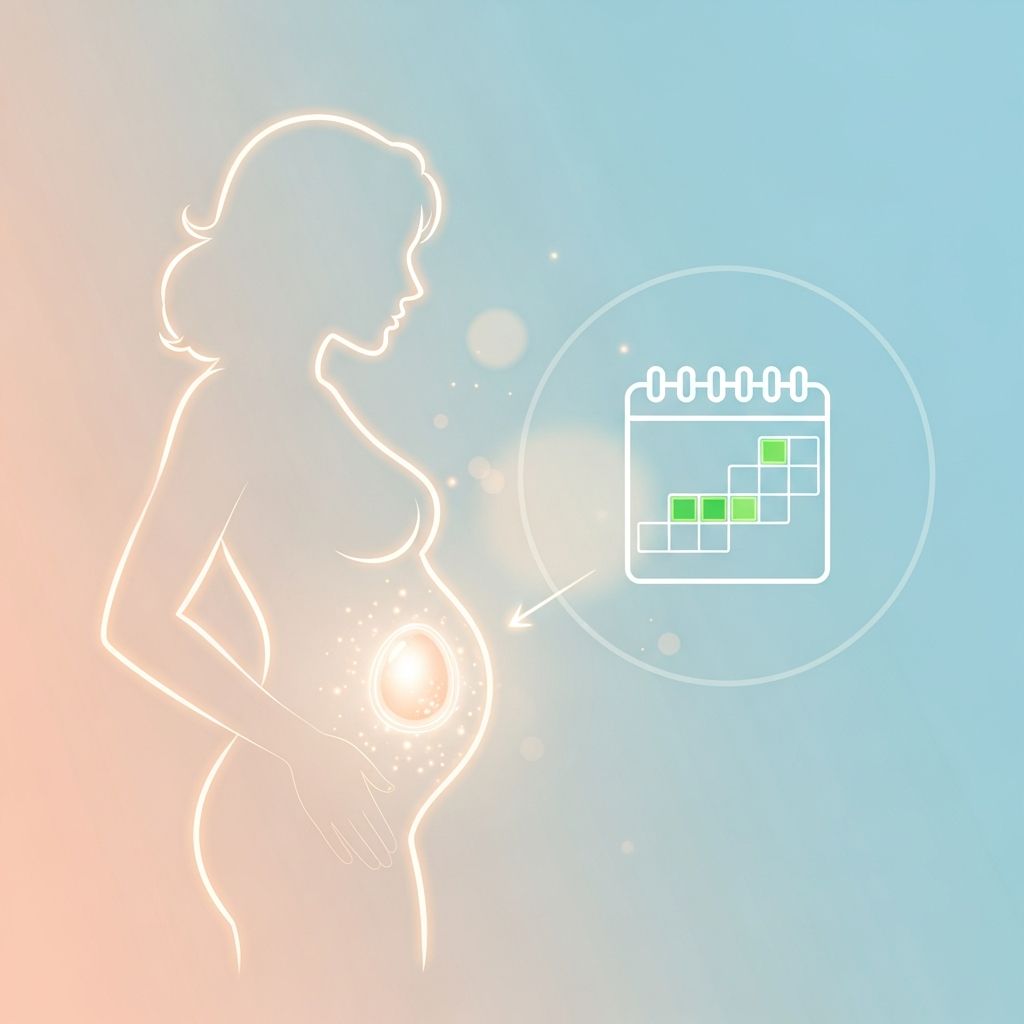
For couples navigating infertility challenges, Clomid (clomiphene citrate) represents one of the most commonly prescribed fertility medications available today. Understanding precisely when ovulation occurs during a Clomid cycle is essential for timing intercourse appropriately and maximizing the potential for conception. This medication works by manipulating your body’s hormonal signals, ultimately triggering the release of a mature egg. The timing of this ovulation is not random; it follows a predictable pattern that medical professionals and fertility specialists have documented extensively.
The ovulation process during Clomid treatment differs from natural cycles in several important ways. Rather than relying on your body’s intrinsic hormonal rhythms, Clomid creates artificial conditions that prompt your ovaries to produce and release an egg. Knowing when this is likely to happen allows you to time intercourse during your most fertile window, dramatically increasing your odds of achieving pregnancy.
The Mechanism Behind Clomid: How This Medication Triggers Ovulation
Clomid functions as a selective estrogen receptor modulator, essentially tricking your body into believing estrogen levels are lower than they actually are. When your brain perceives low estrogen, it responds by signaling your pituitary gland to increase production of follicle-stimulating hormone (FSH). This surge in FSH stimulates your ovarian follicles—the small structures within your ovaries that contain developing eggs—to grow and mature at an accelerated rate.
As these follicles expand and develop, they produce estrogen, which continues to rise until it reaches a critical threshold. Once estrogen levels spike sufficiently, your pituitary gland responds with a massive release of luteinizing hormone (LH), triggering the egg’s final maturation and release from the ovary. This LH surge is the pivotal moment that precedes ovulation by approximately 24 to 36 hours.
Understanding this mechanism is crucial because it explains why Clomid cycles follow a fairly consistent timeline. The medication doesn’t directly cause ovulation; rather, it orchestrates a cascade of hormonal events that culminate in egg release.
Timing Your Clomid Dose: When to Begin Treatment
The timing of when you start taking Clomid within your menstrual cycle significantly influences when ovulation will occur. Most fertility specialists recommend beginning Clomid between cycle days 3 and 5, typically on day 5 of your menstrual period. Starting during this early follicular phase is critical because it allows the medication sufficient time to stimulate follicle growth before ovulation naturally or artificially occurs.
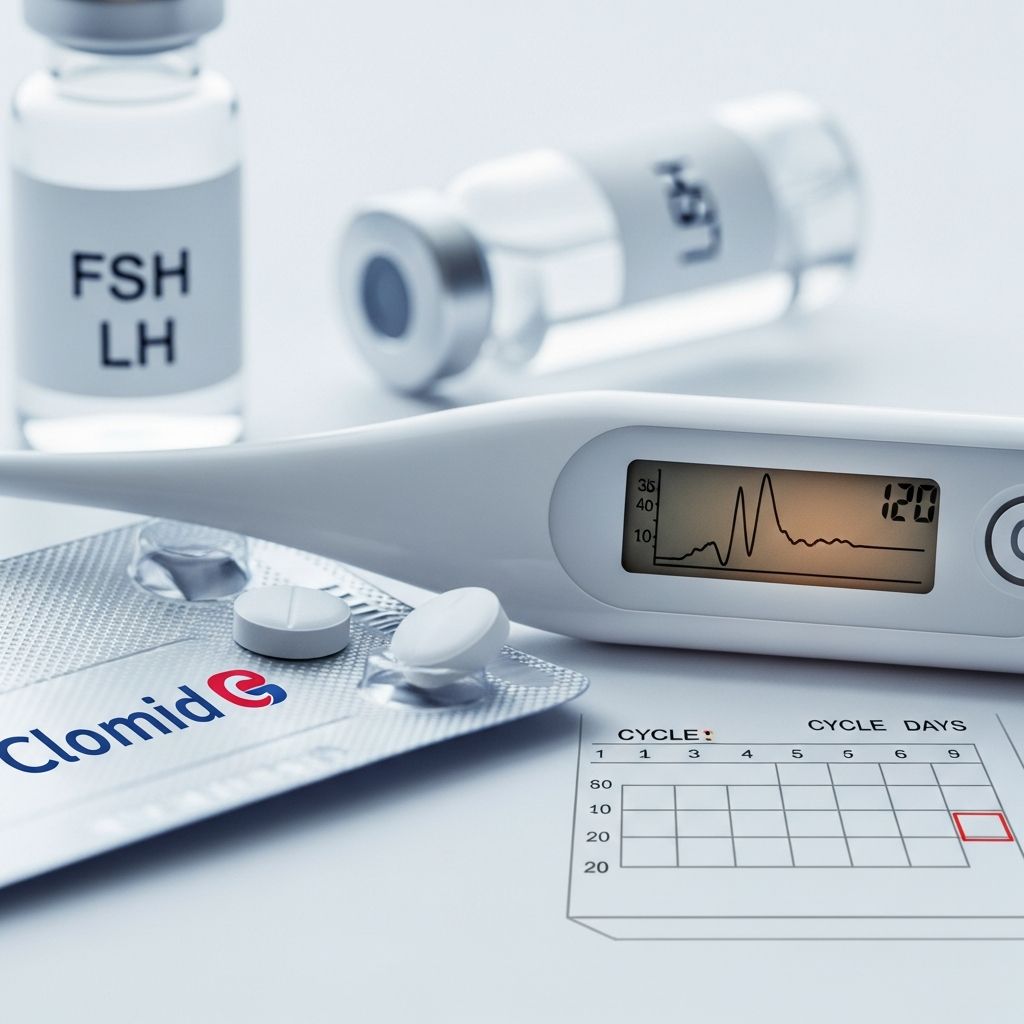
You will take the prescribed dose—usually starting at 50 milligrams daily—for exactly 5 consecutive days. This five-day treatment window is standard across most fertility clinics, though your specific regimen should always follow your healthcare provider’s instructions. The consistency of this timing protocol means that ovulation windows can be predicted with reasonable accuracy, making it possible to plan intercourse strategically.
The standard dosing schedule typically involves taking Clomid on cycle days 5 through 9, though some clinics may adjust this slightly based on individual circumstances or previous cycle responses.
The Expected Ovulation Window: Days to Watch
Once you complete your five-day Clomid regimen, ovulation follows a predictable timeframe. Most women taking Clomid successfully ovulate between 5 to 10 days after taking their final dose of the medication. Some fertility centers cite a slightly wider window, noting that ovulation typically occurs 7 to 10 days after completing the Clomid course.
If you begin Clomid on cycle day 5 and take it through day 9, completing your final dose on day 9, you would expect ovulation to occur somewhere between cycle days 14 and 19. This means that ovulation in a Clomid cycle typically happens earlier in your menstrual cycle compared to women who ovulate naturally without medication assistance.
The variability in this window—ranging from 5 to 10 days post-dose—occurs because individual women’s bodies respond to the medication at different rates. Factors including your body’s sensitivity to hormonal signals, your starting follicle size, and your individual FSH response all influence where within this window you’ll actually ovulate.
Recognizing Your Ovulation: Physical Signs and Tracking Methods
Rather than passively waiting for ovulation to occur, you can actively monitor for signs that it’s approaching. Multiple tracking methods exist, each with varying levels of accuracy and complexity.
Ovulation Prediction Kits
Urine ovulation predictor kits (OPKs) represent the most accessible and widely used home-monitoring method. These kits detect the LH surge that precedes ovulation by approximately 12 hours. Begin testing with an OPK the day after you take your final Clomid pill. Test daily using your first morning urine or concentrated urine from mid-afternoon—never use diluted urine, as this can produce false negatives.
When your LH surge is detected, the test will display a positive result, indicating that ovulation will likely occur within the next 24 to 36 hours. This timing window is precisely when intercourse should occur for optimal fertility potential.
Basal Body Temperature Tracking
Basal body temperature (BBT) charting involves taking your temperature immediately upon waking each morning before any physical activity. After ovulation occurs, your body temperature increases by approximately 0.4 to 0.8 degrees Fahrenheit and remains elevated during your luteal phase. While this method confirms that ovulation has already happened, it doesn’t predict it in advance, making it less useful for timing intercourse but valuable for retrospective cycle analysis.
Fertility Monitoring Devices
Advanced fertility monitors use sophisticated algorithms to track multiple hormonal markers simultaneously, providing more precise ovulation predictions than standard OPKs. These devices can be particularly helpful if you find standard kits confusing or unreliable.
Strategic Intercourse Timing During Your Clomid Cycle
With knowledge of your expected ovulation window, you can plan intercourse strategically. Most fertility specialists recommend beginning intercourse approximately 5 days after your final Clomid dose. This timing ensures sperm are present and viable when ovulation occurs, as sperm can survive within the reproductive tract for up to five days.
Rather than attempting to pinpoint ovulation exactly, a better approach involves having intercourse on multiple days surrounding your expected ovulation. Many clinics recommend intercourse every other day, or on specific cycle days based on your expected ovulation timing.
For example, if you expect ovulation around cycle days 14 through 19, having intercourse on days 12, 14, 16, and 18 ensures adequate sperm presence throughout your fertile window without requiring daily intercourse. This approach reduces pressure and anxiety while maximizing fertility potential.
What Happens If Ovulation Doesn’t Occur: Dose Adjustments and Next Steps
Despite Clomid’s effectiveness, not every woman ovulates on the initial dose. Approximately 80% of women who don’t ovulate naturally will successfully ovulate at some Clomid dosage level, though individual responses vary considerably.
If you fail to ovulate on your first Clomid cycle, your fertility specialist will typically increase your dose by 50 milligrams for your next cycle. Clomid dosing can range from 50 to 250 milligrams daily, allowing room for significant dose escalation. Your doctor will continue increasing the dose across successive cycles until ovulation is achieved or the maximum dose is reached.
You can remain on Clomid treatment for up to 6 cycles. If ovulation doesn’t occur after reaching the maximum dose or completing six cycles, your physician will likely transition you to alternative medications such as letrozole or injectable gonadotropins, which work through different mechanisms and may be more effective for your particular situation.
Post-Ovulation Monitoring: Confirming Successful Ovulation
After your expected ovulation window passes, your fertility clinic will typically schedule blood work to confirm that ovulation occurred and that your body is producing adequate progesterone. This blood test, measuring serum progesterone levels, should be drawn 5 to 7 days after ovulation.
Adequate progesterone production—generally considered to be a level above 10 ng/mL—indicates that ovulation occurred and that your corpus luteum (the hormone-producing structure formed after the egg’s release) is functioning properly. If your progesterone level is lower than expected, your doctor may recommend supplements to support the luteal phase in subsequent cycles.
Your menstrual cycle will continue normally after ovulation. If conception doesn’t occur, you can expect your period to arrive approximately 12 to 14 days after ovulation, typically around cycle days 27 through 31.
Factors Influencing Individual Ovulation Timing Variations
While the 5 to 10-day post-dose ovulation window provides a useful framework, significant individual variation exists. Several factors influence when your specific body will ovulate in response to Clomid:
- Your baseline follicle-stimulating hormone (FSH) levels at the start of treatment
- The size of your ovarian follicles when beginning Clomid
- Your body’s individual responsiveness to clomiphene citrate
- Your age and ovarian reserve status
- Any underlying ovulatory disorders or polycystic ovary syndrome (PCOS)
- Your weight and metabolic factors
- Concurrent medications that might interact with Clomid
Women with polycystic ovary syndrome frequently require higher Clomid doses but may also have slightly delayed ovulation compared to women without PCOS. Conversely, younger women with good ovarian reserve sometimes ovulate on the lower end of the predicted window.
Success Rates and Pregnancy Potential During Clomid Cycles
Understanding ovulation timing becomes more valuable when considering the actual pregnancy potential of Clomid treatment. Studies demonstrate that clomiphene citrate results in ovulation rates between 60% and 85% in women with anovulation (the absence of regular ovulation). However, ovulation does not automatically translate to pregnancy.
The live birth rate per Clomid cycle ranges from 10% to 20%, depending on multiple factors including your age, your partner’s sperm quality, any other fertility factors affecting you, and your underlying cause of infertility. Some couples achieve pregnancy during their first Clomid cycle, while others require multiple cycles at progressively higher doses before conceiving.
Frequently Asked Questions About Clomid and Ovulation Timing
Q: Can I ovulate earlier than 5 days after my final Clomid dose?
A: While rare, some women may ovulate slightly earlier. This is why many clinics recommend beginning intercourse 5 days after your final dose rather than waiting until day 7 or 8. Using ovulation prediction kits helps identify any earlier-than-expected LH surges.
Q: Should I take Clomid at the same time each day?
A: Yes, consistency matters. Taking Clomid at approximately the same time each day helps maintain steady hormonal levels and ensures predictable medication effects. However, if you miss a dose, take it as soon as you remember unless it’s almost time for your next dose.
Q: How long are sperm viable in the reproductive tract during a Clomid cycle?
A: Healthy sperm can survive for up to five days in the female reproductive tract. This is why intercourse 5 days before expected ovulation remains within the fertile window. The egg itself, however, is viable for only 12 to 24 hours after release.
Q: What percentage of women get pregnant on their first Clomid cycle?
A: Approximately 10% to 20% of women achieve pregnancy per Clomid cycle, though this varies based on age, fertility factors, and underlying causes of infertility. Younger women and those without male factor infertility typically experience slightly higher success rates.
Q: Can Clomid cause my ovulation to occur at an unpredictable time?
A: While the 5 to 10-day post-dose timeframe provides a reliable prediction, individual variation does occur. This is why using ovulation prediction kits and basal body temperature charting provides confirmation and helps identify any unexpected timing variations in your specific response.
Q: If I don’t get my period after Clomid, does that mean I’m pregnant?
A: Not necessarily. If your period doesn’t arrive by cycle day 31 after taking Clomid, contact your fertility clinic. Delayed periods can occur occasionally, but your doctor will recommend a pregnancy test to determine whether conception occurred. If the test is negative, your doctor will induce a period and plan your next cycle.
Q: How many Clomid cycles should I attempt before considering other options?
A: Most fertility specialists recommend up to 6 cycles of Clomid before transitioning to alternative treatments. If you don’t ovulate after reaching the maximum dose or after six cycles of treatment, letrozole or injectable gonadotropins typically become the next approach.
References
- Clomid Information — Roswell OBGYN. Accessed January 16, 2026. https://roswellobgyn.org/clomid-information/
- How Many Days After Clomid Do You Ovulate? — Inito Blogs. Accessed January 16, 2026. https://blog.inito.com/clomid-and-ovulation/
- Clomid Ovulation Induction — Gold Coast Women’s Health Centre. Accessed January 16, 2026. https://goldcoastwomencare.com.au/infertility-information/
- Clomid — Tampa Bay Infertility Experts. Accessed January 16, 2026. https://www.thefertilityexperts.com/clomid.html
- Clomid for Fertility: How It Works and What to Expect — Fertility Doctor. Accessed January 16, 2026. https://fertilitydr.com/treatment/fertility-drugs/clomid/
- Typical Clomid or Letrazole Cycle — Associates In Women’s Health. Accessed January 16, 2026. https://awhpa.com/typical-clomid-or-letrazole-cycle/
- Clomiphene (Oral Route): Description, Side Effects & Dosage — Mayo Clinic. Accessed January 16, 2026. https://www.mayoclinic.org/drugs-supplements/clomiphene-oral-route/description/drg-20063072