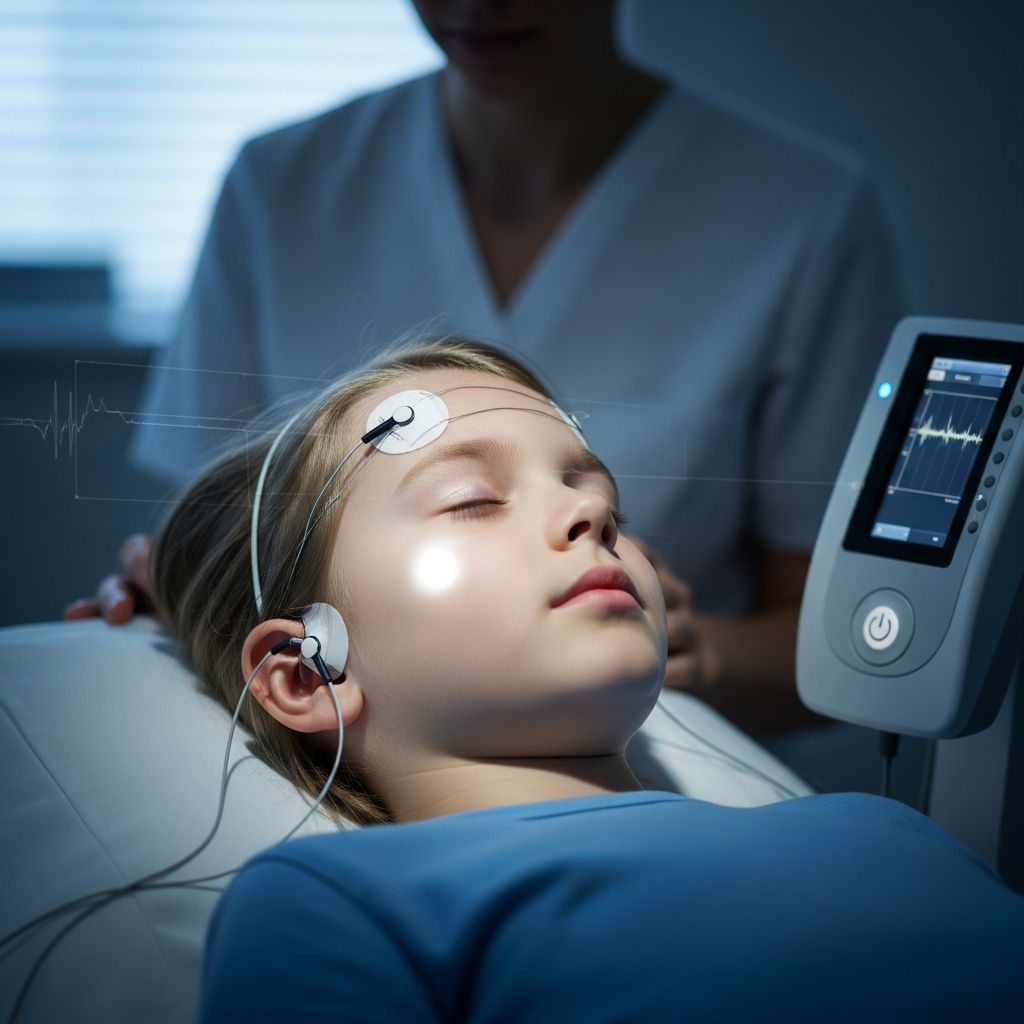
Precocious puberty refers to the development of secondary sexual characteristics before age 8 in girls and age 9 in boys, driven by premature activation of hormonal pathways. This condition affects about 0.2% of girls and fewer than 0.05% of boys, often linked to rising childhood obesity and environmental influences.
Defining Normal versus Early Puberty
Puberty marks the transition from childhood to adulthood through hormonal changes activating the hypothalamic-pituitary-gonadal (HPG) axis, leading to growth spurts, sexual maturation, and reproductive capability. Normally, girls begin around ages 8-13 with breast budding and pubic hair, while boys start at 9-14 with testicular enlargement. When these signs appear earlier, it disrupts typical growth patterns, potentially causing short stature due to accelerated bone maturation and early epiphyseal fusion.
The brief ‘mini-puberty’ at birth activates the HPG axis temporarily, subsiding by age 2, setting the stage for later puberty. Early onset can stem from central mechanisms mimicking normal puberty or peripheral sources producing excess sex steroids independently.
Types of Precocious Puberty
There are two primary categories: central precocious puberty (CPP), gonadotropin-dependent, and peripheral precocious puberty (PPP), gonadotropin-independent.
- Central Precocious Puberty (CPP): The most common form, where the brain’s hypothalamus prematurely releases gonadotropin-releasing hormone (GnRH), stimulating pituitary gonadotropins (LH and FSH) and gonadal sex steroids. It progresses like typical puberty but too soon, affecting most girls and half of boys with the condition.
- Peripheral Precocious Puberty (PPP): Rarer, caused by excess estrogen or testosterone from gonads, adrenals, or external sources without HPG involvement. Signs may not advance fully to full puberty stages.
Recognizing Physical Indicators in Girls and Boys
Early signs vary by sex and type but often include rapid height gain followed by slowed growth, acne, body odor, and emotional shifts.
Girls’ Common Signs
- Breast development (thelarche) before age 8
- Pubic or axillary hair growth
- Vaginal discharge or menstruation as early as age 7
- Accelerated growth velocity
Boys’ Common Signs
- Testicular enlargement (>4 mL or 2.5 cm) before age 9
- Penile growth and erections
- Facial, pubic, or axillary hair
- Deepening voice
Both may show advanced bone age on X-rays, where skeletal maturity exceeds chronological age. Emotional effects include mood swings, social anxiety from appearing older, and risks like low self-esteem or early sexual behavior.
Underlying Triggers of Central Precocious Puberty
CPP often results from early HPG axis activation without a clear cause (idiopathic), especially in girls. Familial patterns occur, with genetic predisposition.
Pathological causes disrupt hypothalamic inhibition:
- Hypothalamic hamartomas: Benign tumors secreting pulsatile GnRH
- Brain tumors, infections (e.g., meningitis), trauma, hydrocephalus, or radiation
- Congenital issues like TGF-β effects or inflammatory disorders
- Rare syndromes: McCune-Albright, Langerhans cell histiocytosis
Key Contributors to Peripheral Precocious Puberty
PPP arises from autonomous sex steroid production. Leading causes include:
| Cause | Description | Affected Sex |
|---|---|---|
| Congenital Adrenal Hyperplasia (CAH) | Most common; 21-hydroxylase deficiency causes ACTH-driven androgen excess | Both, often boys |
| Gonadal/Adrenal Tumors | Germ cell tumors, arrhenoblastomas, or adrenal masses secrete hormones | Girls: ovarian cysts/tumors; Boys: Leydig cell tumors |
| Familial Male-Limited PPP (Testotoxicosis) | Genetic LH receptor mutation causing early testosterone | Boys aged 1-4 |
| McCune-Albright Syndrome | GNAS mutation leads to autonomous ovarian estrogen production, fibrous dysplasia | Girls primarily |
| Exogenous Sources | Hormone creams, environmental estrogens | Both |
| Hypothyroidism | Thyroid hormone deficiency elevates gonadotropins indirectly | Both |
In PPP, low gonadotropins distinguish it from CPP.
Diagnostic Approaches for Accurate Assessment
Suspected cases warrant pediatric endocrinologist evaluation. Steps include:
- History and Physical Exam: Track growth charts, family history, neurological symptoms, Tanner staging for pubertal level.
- Bone Age X-ray: Hand/wrist imaging shows advanced skeletal maturity.
- Blood Tests: LH/FSH (elevated basal/pulsatile in CPP), estradiol/testosterone, DHEA-S, 17-hydroxyprogesterone for CAH, thyroid function.
- GnRH Stimulation Test: Confirms CPP if LH rises significantly post-GnRH.
- Imaging: Brain MRI for CPP (rule out lesions), pelvic/abdominal ultrasound for PPP sources.
Differential diagnosis excludes incomplete forms like premature adrenarche (isolated hair growth).
Treatment Strategies to Halt Progression
Goals: Preserve final height, mitigate psychosocial effects, address underlying issues.
- CPP Management: GnRH analogs (e.g., leuprolide) suppress pituitary gonadotropins, delaying puberty; monthly/yearly injections or implants. Effective in slowing bone age, improving height potential.
- PPP Management: Treat cause—surgery for tumors, glucocorticoids for CAH, aromatase inhibitors or anti-androgens (e.g., spironolactone).
- Supportive Care: Monitor growth, psychological counseling, obesity management to prevent exacerbation.
Treatment success: Puberty resumes normally post-therapy; fertility unaffected. Risks of untreated: Short adult height, emotional distress.
Long-Term Prognosis and Monitoring
With intervention, most achieve normal height and development. Regular follow-ups track growth, bone age, hormone levels. Idiopathic CPP often self-resolves but benefits from delay. Pathological cases depend on cause resolution (e.g., tumor removal).
Emerging trends: Earlier puberty linked to BMI, endocrine disruptors; prevention via healthy lifestyle.
Frequently Asked Questions (FAQs)
What is the earliest sign of precocious puberty?
Breast development in girls or testicular enlargement in boys.
Can precocious puberty be prevented?
Not always, but maintaining healthy weight and avoiding hormone exposures helps.
Does early puberty affect final height?
Yes, without treatment, advanced bone age leads to premature growth plate closure and short stature.
Is precocious puberty more common in girls?
Yes, 10 times more frequent in girls, often idiopathic.
When should parents seek medical help?
Any pubertal signs before age 8 (girls) or 9 (boys).
References
- Precocious Puberty – StatPearls — Kaplan J, MD, MD et al. 2023-07-17. https://www.ncbi.nlm.nih.gov/books/NBK544313/
- Precocious puberty — Wikipedia (informed by primary sources). 2024. https://en.wikipedia.org/wiki/Precocious_puberty
- Precocious puberty | UM Health-Sparrow — University of Michigan Health-Sparrow. 2023. https://www.uofmhealthsparrow.org/departments-conditions/conditions/precocious-puberty
- Precocious Puberty — Nemours KidsHealth. 2023. https://kidshealth.org/en/parents/precocious.html
- Precocious Puberty — UR Medicine. 2023. https://www.urmc.rochester.edu/encyclopedia/content?contenttypeid=90&contentid=p01973
- Precocious Puberty – Conditions and Treatments — Children’s National Hospital. 2023. https://www.childrensnational.org/get-care/health-library/precocious-puberty
- Precocious puberty – Symptoms and causes — Mayo Clinic. 2023-11-03. https://www.mayoclinic.org/diseases-conditions/precocious-puberty/symptoms-causes/syc-20351811