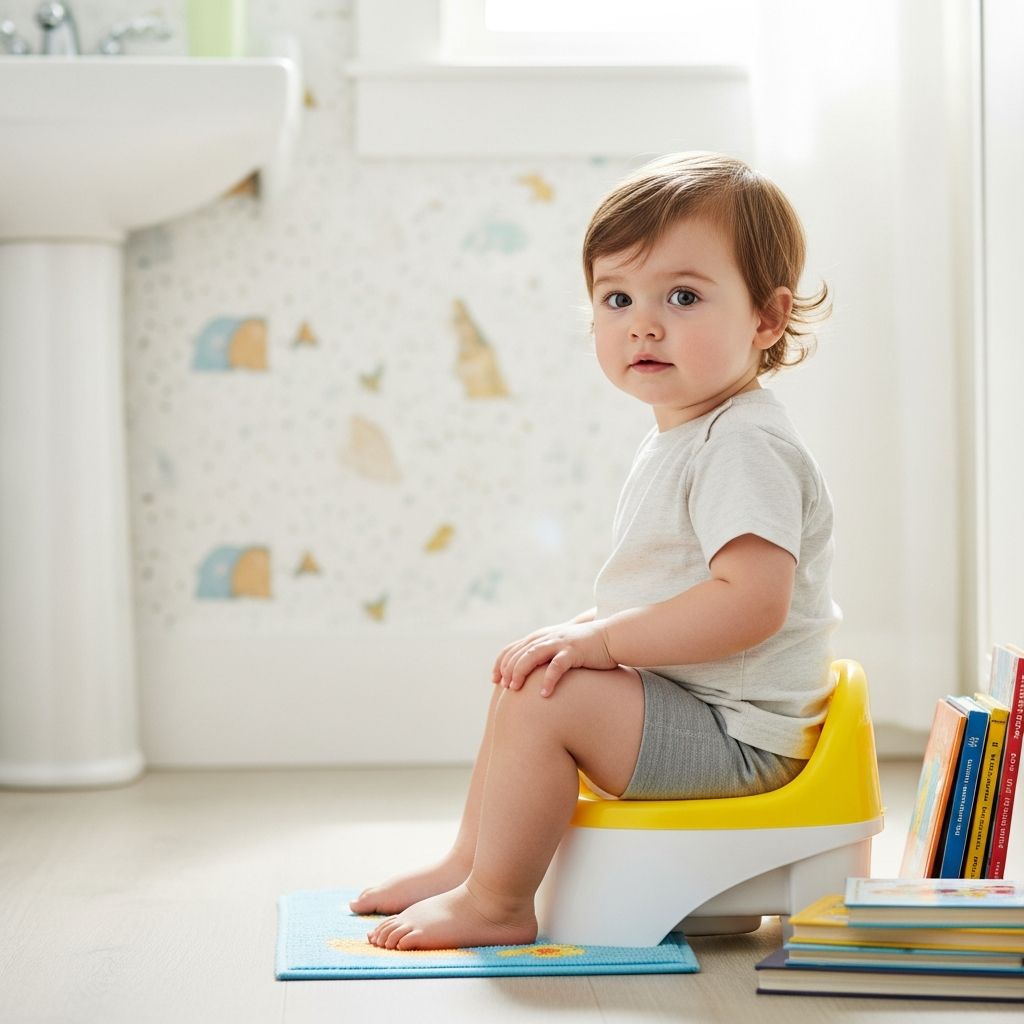
Potty training a 22-month-old can be both exciting and challenging for parents. While some experts recommend waiting until a child is closer to 2.5 or 3 years old, many families find success with early potty training between 20 and 24 months. This guide covers everything you need to know to start potty training your toddler at 22 months, including readiness signs, step-by-step methods, common challenges, and practical tips for success.
Is 22 Months the Right Age?
Many parents wonder if 22 months is too early to begin potty training. The truth is, every child is different, but most toddlers between 20 and 24 months are physically and emotionally ready to start learning about the potty. Some experts suggest that starting early can actually make the process easier, as younger children are often more willing to learn new skills and routines.
Signs Your Toddler Is Ready
- Stays dry for at least two hours during the day
- Shows interest in the bathroom or potty
- Can follow simple instructions
- Communicates when they need to go (through words, gestures, or facial expressions)
- Can pull pants up and down independently
- Dislikes the feeling of a wet or dirty diaper
- Has regular bowel movements
- Can sit on the potty for a few minutes
- Shows curiosity about others using the bathroom
- Can express discomfort when wet or soiled
Step-by-Step Potty Training Method
Block 1: Naked and Homebound
Begin by removing diapers and letting your child go naked or wear only a top for a few days. This helps them feel the sensation of peeing and pooping, which is crucial for learning. Keep a potty chair nearby and encourage your child to use it frequently. Expect accidents and be prepared with towels and a mop for easy cleanup.
Block 2: Clothes
Once your child starts to recognize the feeling of needing to go, introduce simple, easy-to-remove clothing. Avoid underwear at this stage, as it can feel too much like a diaper and delay the process. Practice taking pants on and off quickly to make potty trips easier.
Block 3: Short Outings/Different Situations
Gradually introduce short outings and new environments. Bring a portable potty or use public restrooms with child-sized seats. Continue to prompt your child to use the potty regularly, especially before leaving the house, after naps, and before bedtime.
Block 4: Underwear
After your child consistently uses the potty and understands the process, you can introduce underwear. Make this a fun milestone and celebrate their progress. Remember, accidents are normal and part of the learning process.
Block 5: No Longer Needs Prompting
The goal is for your child to self-initiate potty use. Continue to offer gentle reminders and praise their independence. Most toddlers will still need occasional prompting, especially before naps and bedtime.
Block 6: Nights/Naps
Nighttime potty training can be done at the same time as daytime training, but many parents choose to wait until their child is consistently dry during the day. Use “night night diapers” for naps and overnight until your child is ready for nighttime underwear.
Practical Tips for Success
- Stay calm and patient during accidents. Avoid scolding or showing frustration.
- Keep a potty chair in every room for the first week, then move it to the bathroom.
- Let your child watch you use the bathroom to model behavior.
- Use simple language and positive reinforcement.
- Have extra pants and towels on hand for quick changes.
- Roll up rugs and protect furniture to minimize cleanup.
- Take frequent bathroom breaks, especially after meals and before bedtime.
- Revert to earlier blocks if your child struggles or regresses.
Common Challenges and Solutions
| Challenge | Solution |
|---|---|
| Accidents on the floor | Keep a mop bucket with water nearby for quick cleanup. Stay calm and reassure your child. |
| Resistance to using the potty | Make potty time fun with books, songs, or small rewards. Let your child choose their potty chair. |
| False alarms (thinking they need to go but don’t) | Be patient. False alarms are normal as your child learns to distinguish between needing to go and passing gas. |
| Regression after progress | Revert to earlier blocks and provide extra support. Regression is common and usually temporary. |
| Nighttime accidents | Continue using night diapers until your child is consistently dry overnight. |
FAQs
How long does potty training a 22-month-old take?
Potty training can take anywhere from a few days to several weeks, depending on your child’s readiness and consistency. Most toddlers show significant progress within 3-5 days of starting, but full mastery may take longer.
Should I use training pants or underwear?
It’s best to avoid training pants and underwear until your child understands the concept of needing to use the potty. The sensation of accidents helps with learning, and underwear can feel too much like a diaper.
What if my child refuses to use the potty?
Stay patient and make potty time positive. Offer gentle encouragement and avoid pressure. If resistance continues, take a break and try again in a few days.
How do I handle accidents?
Accidents are a normal part of potty training. Stay calm, clean up quickly, and reassure your child that it’s okay. Avoid scolding or showing frustration.
Can I potty train at night too?
You can start night training at the same time as daytime training, but many parents wait until their child is consistently dry during the day. Use night diapers until your child is ready for nighttime underwear.
Conclusion
Potty training a 22-month-old is a rewarding journey that requires patience, consistency, and a positive attitude. By following a step-by-step method, recognizing readiness signs, and addressing common challenges, you can help your toddler master this important milestone. Remember, every child is unique, so celebrate progress and be flexible with your approach.