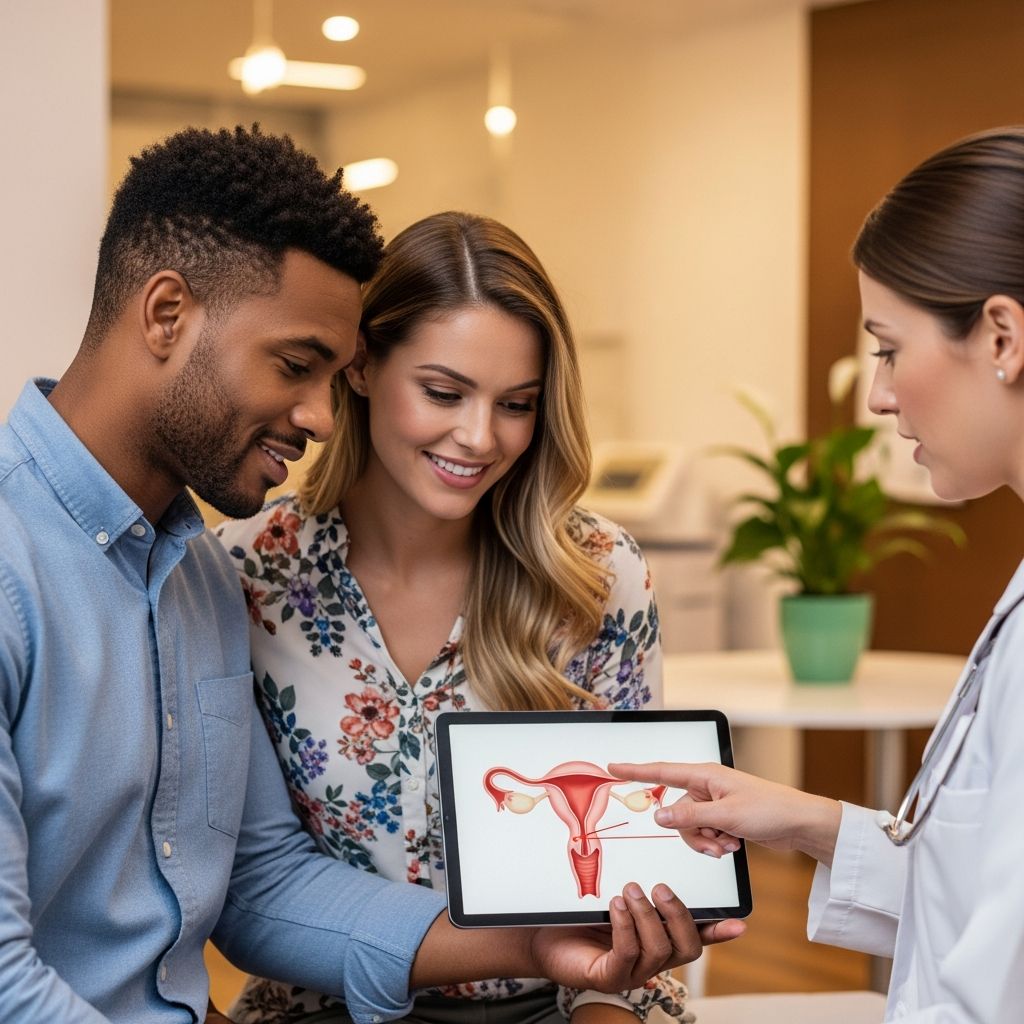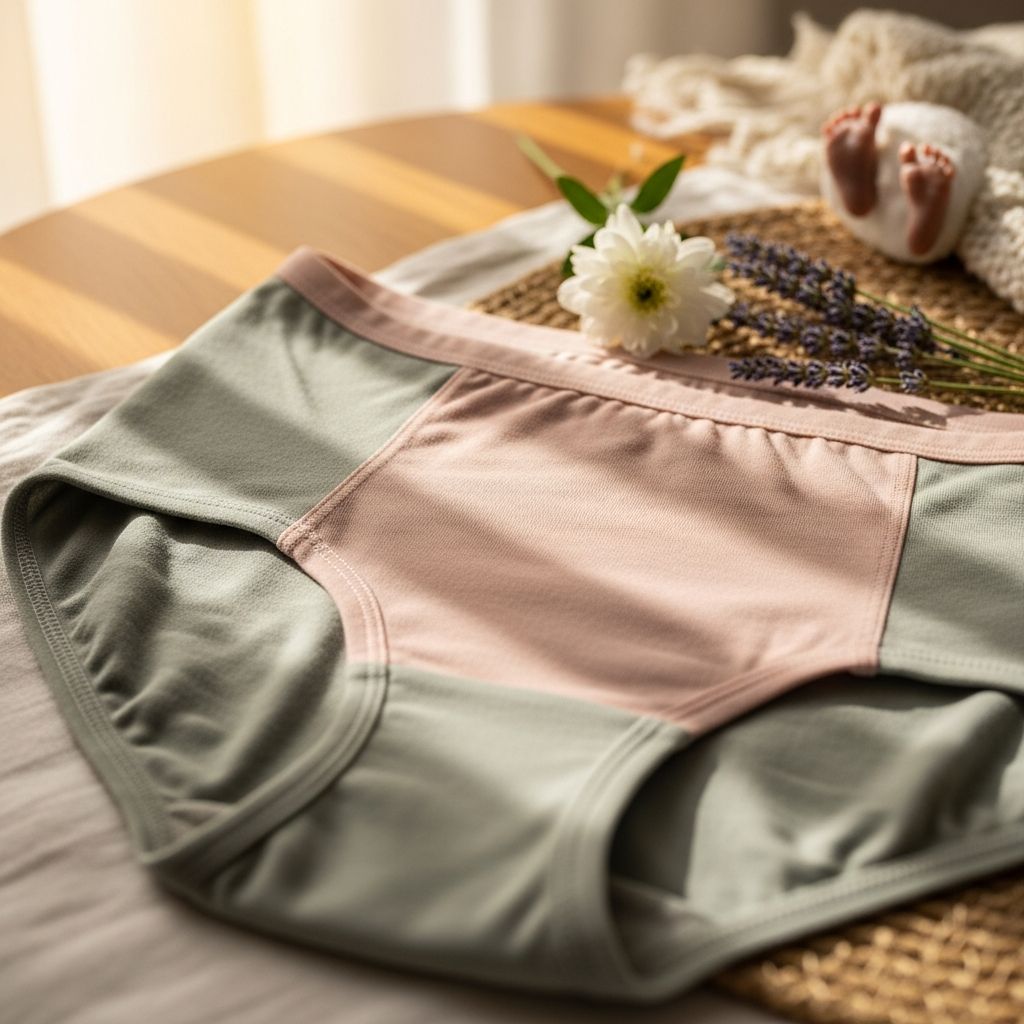
Postpartum underwear is one of those unglamorous but absolutely essential items that can make the early weeks after birth more comfortable, cleaner, and a lot less stressful.
The right pair does far more than cover your body; it supports healing, manages bleeding, protects tender skin or incisions, and helps you feel secure while you adjust to life with a newborn.
Why Postpartum Underwear Matters More Than You Think
After giving birth, your body is managing heavy bleeding (lochia), fluctuating swelling, hormonal changes, and sometimes stitches or a surgical incision.
Standard lingerie-style panties usually are not designed to handle this combination of bleeding, sensitivity, and changing size, which is why purpose-built postpartum underwear exists.
- It helps hold large pads securely in place, reducing leaks and laundry.
- It can offer gentle support to the abdomen and pelvic floor during recovery.
- It reduces friction on sensitive areas, including perineal stitches or C-section incisions.
- It can provide extra absorbency for bladder leaks and ongoing spotting in the weeks after birth.
The Main Types of Postpartum Underwear
Different kinds of postpartum underwear shine at different stages of recovery, from the first 24 hours in the hospital to the lighter-bleeding weeks at home.
Most parents find that a mix of disposable and reusable options works best as their body and bleeding change over time.
Disposable Mesh and Hospital-Style Underwear
Disposable mesh or paper-like underwear is usually provided in hospitals because it stretches easily, breathes well, and can be thrown away when soiled.
These are ideal when bleeding is heaviest and you are changing oversized maternity pads multiple times per day.
- Very stretchy and forgiving when your size is changing rapidly.
- Designed to accommodate thick pads without slipping.
- No laundry required, which is helpful when you are exhausted.
- Less stylish and less durable, meant purely for short-term use.
Leak-Proof and Period-Style Postpartum Underwear
Reusable leak-proof underwear looks like everyday panties but includes absorbent and waterproof layers to handle blood or bladder leaks.
Many new parents transition into these once bleeding is moderate rather than extremely heavy.
- Can replace or supplement pads, depending on absorbency level.
- Made from soft, breathable fabrics like cotton or bamboo blends.
- More eco-friendly and cost-effective over weeks or months.
- Requires rinsing and washing according to brand instructions.
High-Waisted C-Section Recovery Underwear
For those who have a C-section, high-waisted underwear is designed to sit well above the incision line and avoid rubbing the healing area.
Some options also provide mild compression to help with swelling and a feeling of support around the abdomen.
- Higher rise to clear the incision and prevent digging waistbands.
- Soft, non-abrasive fabrics to reduce irritation and friction.
- Gentle compression to support weak abdominal muscles.
Light Compression and Support Underwear
Compression-style postpartum underwear or shorts aim to gently hold and support the midsection and pelvic area, rather than “snap you back.”
When chosen carefully, they can help you feel more stable while moving, lifting baby, or managing daily tasks.
- Can smooth and support without being overly tight.
- Best introduced after your provider approves compression wear.
- Often paired with regular pads or used over leak-proof styles.
Common Materials and What They Mean for You
The fabric you choose affects not just comfort, but also breathability, odor control, and how your skin feels against seams and waistbands.
Many postpartum-friendly materials focus on softness, stretch, and the ability to manage moisture without trapping heat.
| Fabric | Key Benefits | Things to Consider |
|---|---|---|
| Cotton blends | Breathable, familiar, soft on sensitive skin. | May hold more moisture if not combined with wicking layers. |
| Bamboo blends | Very soft, often naturally odor-resistant, good at wicking moisture. | Can be pricier; care instructions may be stricter. |
| Modal or micro-modal | Extremely soft, drapey, and breathable for tender skin. | May be less structured, often combined with other fibers for support. |
| Mesh synthetics | Very stretchy and airy, ideal for early heavy bleeding. | Usually disposable and not designed for long-term wear. |
| Spandex / elastane | Provides stretch and recovery, helps underwear stay in place. | Should be paired with breathable main fibers to avoid trapping heat. |
How Many Pairs Do You Really Need?
The number of postpartum underwear pairs you need depends on how often you want to do laundry and whether you are using disposable or reusable styles.
Most new parents appreciate having a small stockpile ready before birth so they are not scrambling after arriving home with the baby.
- For disposable mesh or hospital-style: 1–2 packs are usually sufficient for the first week, depending on brand counts.
- For reusable leak-proof pairs: 5–7 pairs work well if you can wash frequently; 7–10 if you prefer more buffer.
- For C-section or compression styles: 2–4 pairs you rotate regularly once your provider approves their use.
Features to Look For When Choosing Postpartum Underwear
Instead of focusing on how underwear looks, pay close attention to how it fits, what it holds, and how it cares for your healing body.
Comfort and function are the priorities; there will be plenty of time for delicate lace later.
Fit and Waistband Style
The waistband can be the difference between “I can wear this all day” and “I want to rip this off right now.”
- Look for soft, wide waistbands that lie flat without rolling or digging.
- For vaginal births with perineal soreness, mid- to high-rise styles avoid pressure on sore areas.
- For C-sections, choose a rise that sits well above the incision and stays put when you sit or bend.
Absorbency and Leak Protection
Postpartum bleeding is heavier than a normal period at first, then gradually tapers to spotting.
Some new parents also experience bladder leaks when coughing, sneezing, or laughing, so extra protection can boost confidence.
- For the first days, select underwear that easily holds oversized maternity pads without shifting.
- For later weeks, consider built-in absorbent gussets plus a thin pad if you still have unpredictable leaks.
- Check product descriptions for light, moderate, or heavy absorbency ratings.
Seams, Tags, and Overall Comfort
When your skin is extra sensitive, small details like a scratchy label or thick seam can feel enormous.
- Seek out seamless or flat-seamed options around the crotch and waistband.
- Tagless designs or printed labels can reduce itching and rubbing.
- Avoid tight leg openings that cut into swelling around thighs or groin.
Planning a Simple Postpartum Underwear Wardrobe
You do not need a huge drawer of specialized pieces; a small, well-planned set can carry you from day one through the fourth trimester.
Think in phases rather than trying to make one style cover every scenario.
Sample Three-Phase Plan
- Hospital and first week: Disposable mesh underwear plus large maternity pads for heavy bleeding and maximum convenience.
- Weeks 2–4: Combination of leak-proof underwear and regular cotton or bamboo panties with pads for moderate bleeding.
- Weeks 4+: Lighter-absorbency period-style underwear or regular underwear with liners for spotting and bladder leaks.
Special Notes for C-Section Recovery
Healing from a C-section adds specific needs: incision protection, extra sensitivity around the lower belly, and potential swelling.
The right underwear can help reduce friction, support the area, and make movements like standing up, feeding baby, or coughing less uncomfortable.
- Choose high-waisted underwear that sits several inches above the incision line.
- Look for very soft inner fabrics and avoid bulky seams on the incision area.
- If using compression, aim for gentle, even pressure rather than tight “waist trainer” levels, and confirm timing with your healthcare provider.
Care, Washing, and Hygiene Tips
Postpartum underwear deals with blood, discharge, and sometimes urine, so good hygiene helps protect your skin and reduce infection risk.
Following the brand’s care instructions also keeps fabrics performing well and lasting longer.
- Rinse heavily soiled pairs in cool water before washing to reduce staining.
- Use a mild detergent and avoid heavy fabric softeners that can clog absorbent fibers.
- Wash at recommended temperatures and air-dry leak-proof styles when possible to preserve waterproof layers.
- Change underwear frequently if it feels damp to keep the area dry and comfortable.
Quick Buying Checklist for New Parents
When scrolling through endless product options, a simple checklist keeps you focused on what actually matters.
Use this list while you shop online or pack your hospital bag.
- Does it fit your birth plan (vaginal, planned or possible C-section) and allow for flexibility?
- Is the waistband soft, wide, and placed to avoid potential incision lines?
- Is absorbency clearly stated, and does it match the stage you are buying for?
- Is the fabric breathable and suitable for sensitive skin (cotton, bamboo, soft blends)?
- How many pairs do you realistically need based on your laundry routine?
- Are care instructions manageable in an already busy postpartum life?
Frequently Asked Questions About Postpartum Underwear
How long will I need special postpartum underwear?
Most people bleed for several weeks after birth, with the heaviest flow in the first 7–10 days and lighter spotting after that.
Many continue using leak-proof or supportive underwear for 4–8 weeks, or longer if they experience ongoing bladder leaks or prefer extra coverage.
Can I just wear my regular underwear?
Regular underwear can work if it is roomy, high-rise, and able to hold large pads without rolling or cutting into your skin.
However, dedicated postpartum options usually handle heavy flow better and are intentionally designed for comfort on a healing body.
Are disposable or reusable options better?
Disposable styles are great for the first days when bleeding is heavy and you do not want to deal with rinsing or washing stained fabric.
Reusable leak-proof underwear becomes more appealing once flow slows down and is often more comfortable and cost-effective over time.
What if I am between sizes?
During the postpartum period, it is usually safer to size up rather than choose tight, restrictive underwear.
Look for stretchy, flexible designs or adjustable waistbands that can adapt as swelling decreases and your body gradually changes shape.
Is compression underwear safe right after birth?
Moderate, well-designed compression can support abdominal muscles and reduce swelling, but timing and intensity matter.
Always confirm with your healthcare provider, especially after a C-section or complicated birth, before using any garment labeled as compression.