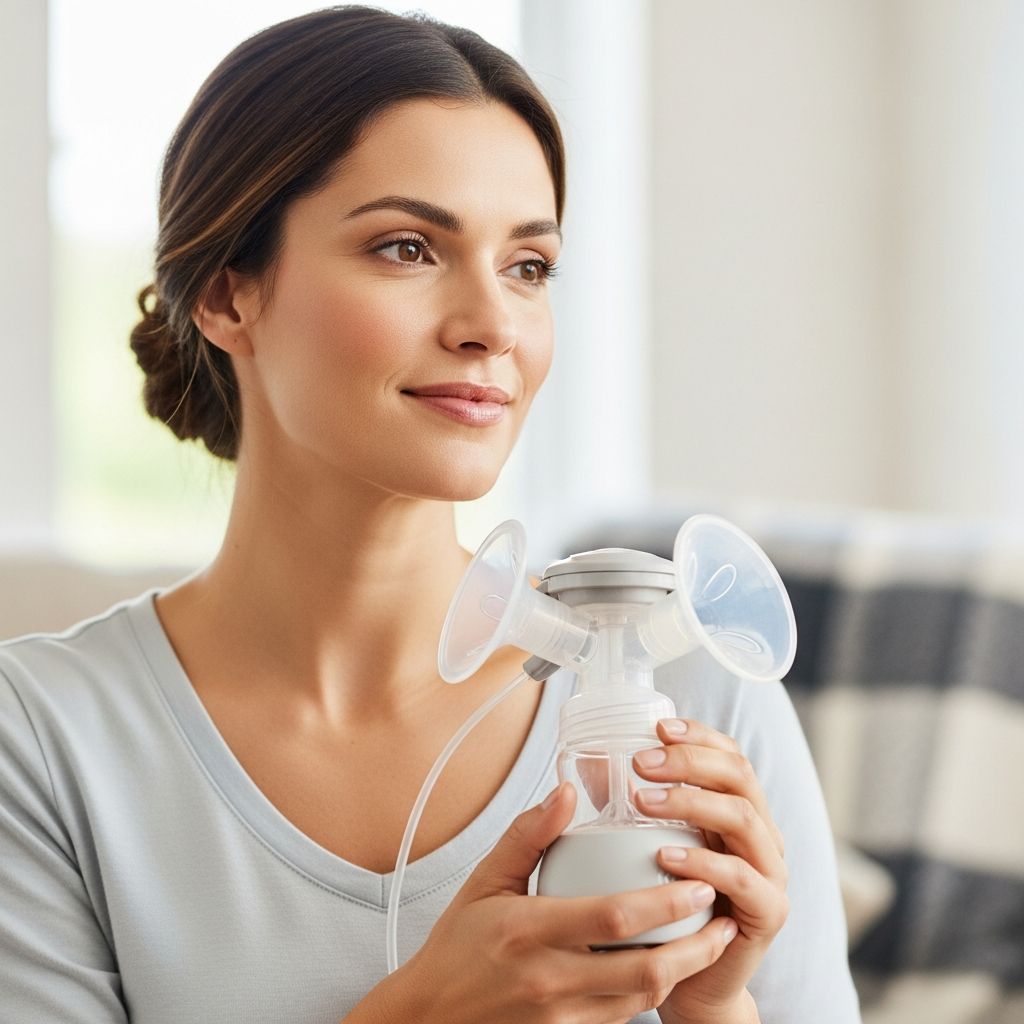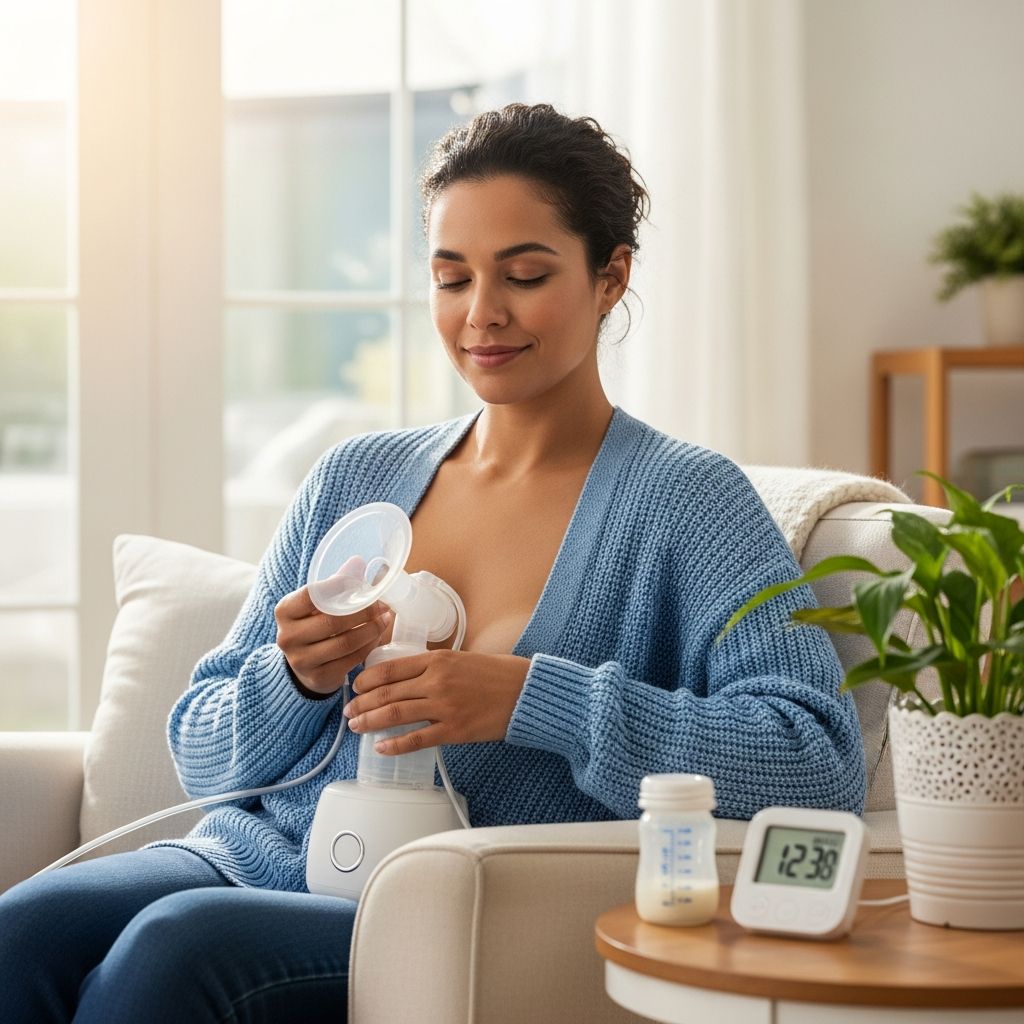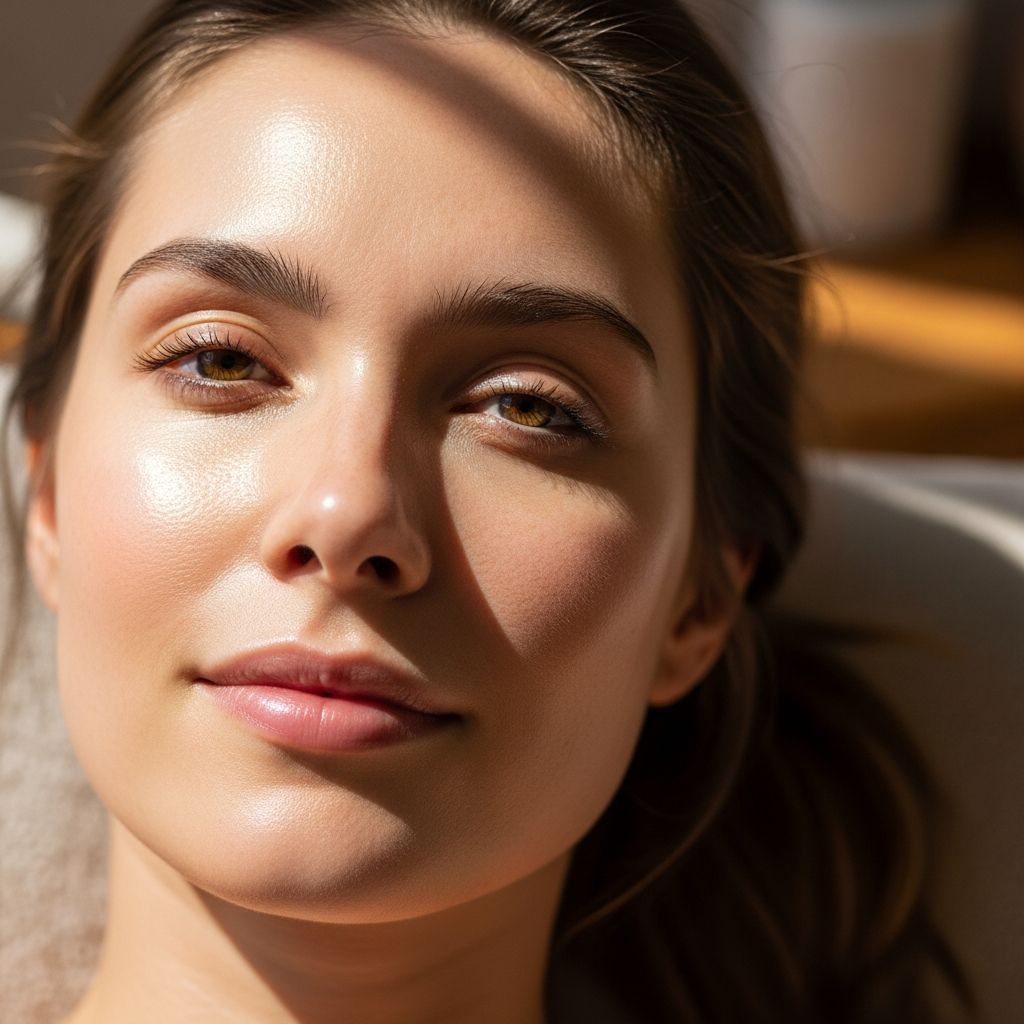
Your skin undergoes profound transformations during and after pregnancy, and the postpartum period brings its own set of challenges. Hormonal fluctuations, sleep deprivation, and the physical demands of caring for a newborn can lead to dryness, breakouts, dullness, and sensitivity. This comprehensive guide empowers new mothers with practical, science-backed strategies to nurture their skin back to health, focusing on simplicity, safety, and effectiveness—especially for those breastfeeding.
Understanding Postpartum Skin Transformations
Immediately after birth, estrogen and progesterone levels plummet, disrupting your skin’s oil production and barrier function. This can manifest as increased dryness, heightened sensitivity, or sudden acne flare-ups known as ‘postpartum mask’ or melasma persistence. Breastfeeding exacerbates dehydration as your body prioritizes milk production, pulling moisture from your skin. Stress from irregular sleep and new responsibilities triggers cortisol spikes, worsening inflammation and impairing collagen repair.
Research from dermatological studies highlights that up to 70% of new mothers experience these shifts, with recovery varying from weeks to months. Factors like delivery method (vaginal vs. C-section), nutrition, and hydration play key roles. The goal is gentle restoration: prioritize barrier repair over aggressive treatments to avoid irritation.
Building a Simplified Daily Skincare Ritual
In the chaos of newborn life, a multi-step routine is unrealistic. Aim for a three-phase approach: cleanse, hydrate, protect. This takes under five minutes twice daily and yields visible improvements in texture and tone within days.
- Cleanse Gently: Select a pH-balanced (around 5.5), fragrance-free cleanser with humectants like glycerin or hyaluronic acid. These remove impurities—think baby spit-up or night sweats—without stripping lipids. Avoid foaming sulfates; opt for creamy or micellar formulas. Massage for 30 seconds, rinse with lukewarm water.
- Treat and Hydrate: Layer a lightweight serum with hyaluronic acid, which binds 1000 times its weight in water, followed by a ceramide-rich moisturizer. Ceramides rebuild the skin’s protective layer, reducing transepidermal water loss.
- Protect: Apply broad-spectrum SPF 30+ daily, even indoors, as postpartum hormones heighten sun sensitivity. Mineral-based sunscreens with zinc oxide are non-irritating and safe for breastfeeding.
Consistency trumps complexity. Track changes weekly to adjust as your skin stabilizes.
Key Ingredients for Postpartum Recovery
Choose breastfeeding-safe actives that support healing without penetrating deeply or posing risks. Here’s a breakdown:
| Ingredient | Benefits | Usage Notes | Safety for Breastfeeding |
|---|---|---|---|
| Hyaluronic Acid | Intense hydration, plumps fine lines | Serum, morning/night | Safe |
| Ceramides | Repairs barrier, prevents dryness | Moisturizer | Safe |
| Niacinamide | Reduces inflammation, evens tone | Serum, 5-10% | Safe |
| Lactic Acid (AHA) | Gentle exfoliation, brightens | 2-3x/week, low % | Generally safe; patch test |
| Retinol | Cell turnover, anti-aging | Post-breastfeeding only | Avoid |
These selections draw from clinical recommendations emphasizing barrier support. Patch-test new products on your inner arm for 48 hours.
Tackling Common Postpartum Skin Concerns
Combating Dryness and Dehydration
Dehydration mimics aging: sallow tone, enlarged pores. Layer hydration—mist, serum, cream, oil—for multi-level moisture. Drink 3-4 liters of water daily; herbal teas count. Oat-based or shea butter creams soothe itchiness from stretched skin.
Managing Breakouts and Oiliness
Hormonal acne peaks around week 6. Spot-treat with niacinamide or diluted tea tree (1-2%). Avoid benzoyl peroxide without doctor approval. Gentle exfoliation 2x weekly with mandelic acid clears pores without inflammation.
Fading Hyperpigmentation and Stretch Marks
Melasma lingers due to estrogen withdrawal. Vitamin C serums (10-20%) brighten safely. For stretch marks, massage with centella asiatica or vitamin E oils to improve elasticity. Professional options like microneedling suit later stages (3+ months postpartum).
Nutrition and Lifestyle Boosts for Radiant Skin
Skincare starts internally. Postpartum diets often lack omega-3s, vital for lipid barrier health. Incorporate salmon, walnuts, or flaxseeds. Antioxidants from berries combat oxidative stress from sleep loss. Prioritize 7-9 hours sleep via naps; stress management via 10-minute meditation reduces cortisol-driven breakouts.
- Supplements: Collagen peptides (10g daily) support elasticity; biotin for hair/skin if deficient. Consult a physician.
- Hydration hacks: Infuse water with cucumber/lemon; avoid caffeine excess.
- Body care: Daily dry brushing enhances circulation, reducing cellulite appearance.
Advanced Treatments: When to Level Up
After 6-8 weeks, once cleared by your OB-GYN, consider:
- Chemical Peels: Light lactic/mandelic for glow.
- Led Light Therapy: Red light repairs at home.
- Professional Facials: Hydrafacials hydrate deeply.
Breastfeeding moms: Steer clear of retinoids, high-dose salicylic acid, or hydroquinone until weaning.
Frequently Asked Questions
Can I use retinol while breastfeeding?
No, topical retinoids are not recommended during breastfeeding due to potential absorption. Switch to bakuchiol, a plant-based alternative, for similar benefits.
How soon after birth can I start a full skincare routine?
Begin gentle basics immediately; introduce actives after 4-6 weeks or skin stabilization. Always prioritize healing.
What if my skin is oilier postpartum?
Use gel-based moisturizers with niacinamide to control sebum without drying. Double-cleanse at night.
Are essential oils safe postpartum?
Diluted lavender or frankincense yes; avoid phototoxic ones like citrus. Patch test essential.
How does stress impact postpartum skin?
Cortisol breaks down collagen, worsening acne and dullness. Mindfulness practices help.
Long-Term Strategies for Sustained Glow
Beyond the fourth trimester, maintain sunscreen religiously to prevent pigmentation. Cycle actives seasonally: heavier hydration in winter. Annual dermatologist visits track progress. Remember, skin reflects holistic health—self-care is motherhood’s foundation.
This 1600+ word guide synthesizes postpartum realities into actionable steps, helping you reclaim confidence amid joy and exhaustion.
References
- Postpartum Easy Skincare Routine: A New Mom’s Guide to Radiance — Revivalabs. 2023. https://www.revivalabs.com/postpartum-easy-skincare-routine-a-new-moms-guide-to-radiance/
- Postpartum Skincare Guide — Sundae School. 2023. https://us.sundaebody.com/blogs/sundae-school/postpartum-skincare
- Postpartum Skincare Made Simple for New Moms — Baby Forest. 2023. https://www.babyforest.in/blogs/thoughts-and-ideas/postpartum-skincare-for-new-moms
- 9 Postpartum Skin and Hair Care Tips — Healthline. 2024-01-16. https://www.healthline.com/health/postpartum-skin-care-tips-for-nurturing-your-skin-and-hair-after-pregnancy
- Postpartum Skincare: What Products to Use After Birth — Lucie’s List. 2023. https://www.lucieslist.com/guides/pregnancy-skincare/postpartum-skincare/