Postpartum shapewear can be a helpful tool for comfort and confidence after birth, but it should never be a requirement for new mothers or a shortcut to an “instant” pre-baby body. This guide explores what shapewear can realistically offer your mummy tummy, and how to choose pieces that respect both your healing and your self-esteem.
Understanding the Postpartum “Mummy Tummy”
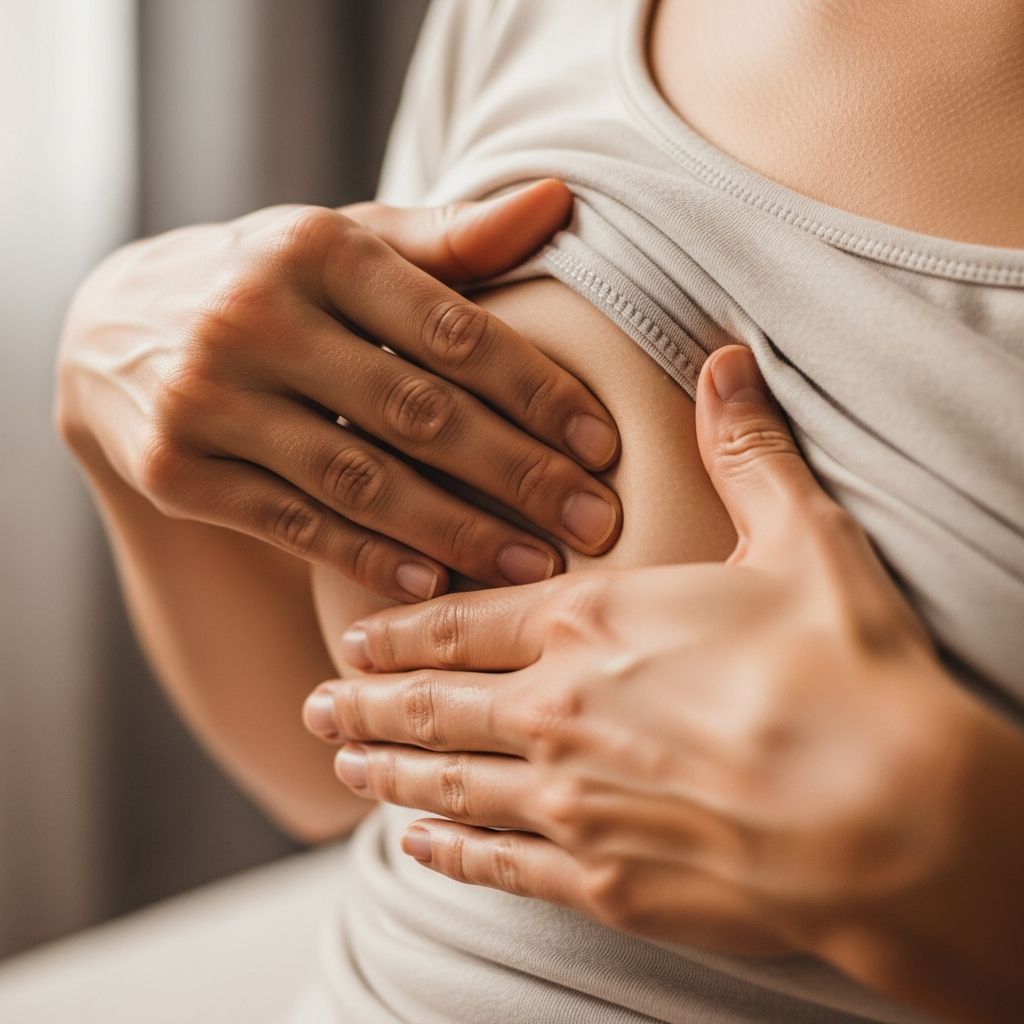
During pregnancy, your abdominal muscles stretch to make room for your growing baby, your skin expands, and hormones soften supporting tissues. After birth, this combination can leave you with a soft lower belly, a small “pouch,” or a feeling of looseness through your core.
For many parents, this mummy tummy is completely normal and may stick around for months or even longer, regardless of diet or exercise. It can be related to simple lingering softness or to issues like diastasis recti (a separation of the abdominal muscles) that can take time and targeted movement to improve. A supportive garment cannot “fix” these changes, but it can sometimes make them feel more comfortable as your body continues to recover.
What Postpartum Shapewear Can and Cannot Do
Marketing often promises dramatic transformations, but realistic expectations will help you use shapewear in a healthy way. Think of it as a structured undergarment that can offer gentle support, not as a cure-all or a replacement for healing, rest, or medical care.
Reasonable expectations
- It can smooth your silhouette under clothing and reduce visible lines or bulges.
- It can provide a light “held together” feeling through the abdomen and lower back.
- It may help you feel more confident in fitted outfits or special-occasion clothes.
Unrealistic expectations
- It will not permanently shrink your uterus or magically close abdominal muscle separation.
- It cannot replace core-strengthening exercises, pelvic floor rehab, or physical therapy.
- It should not be used to hide pain, numb symptoms, or delay needed medical evaluation.
When you view postpartum shapewear as a short-term support tool and style helper, rather than a miracle solution, it becomes easier to use it in a way that protects both your body and your mental health.
Main Types of Postpartum Shapewear
Postpartum shapewear comes in a variety of designs, each offering a slightly different blend of coverage, compression, and comfort. Understanding the main categories helps you match a garment to your needs instead of buying something that looks impressive but feels terrible after ten minutes.
| Style | Main Coverage | Compression Level | Typical Use |
|---|---|---|---|
| Belly band or wrap | Waist, lower ribs, and hips | Light to medium (often adjustable) | Everyday support, especially for core and lower back |
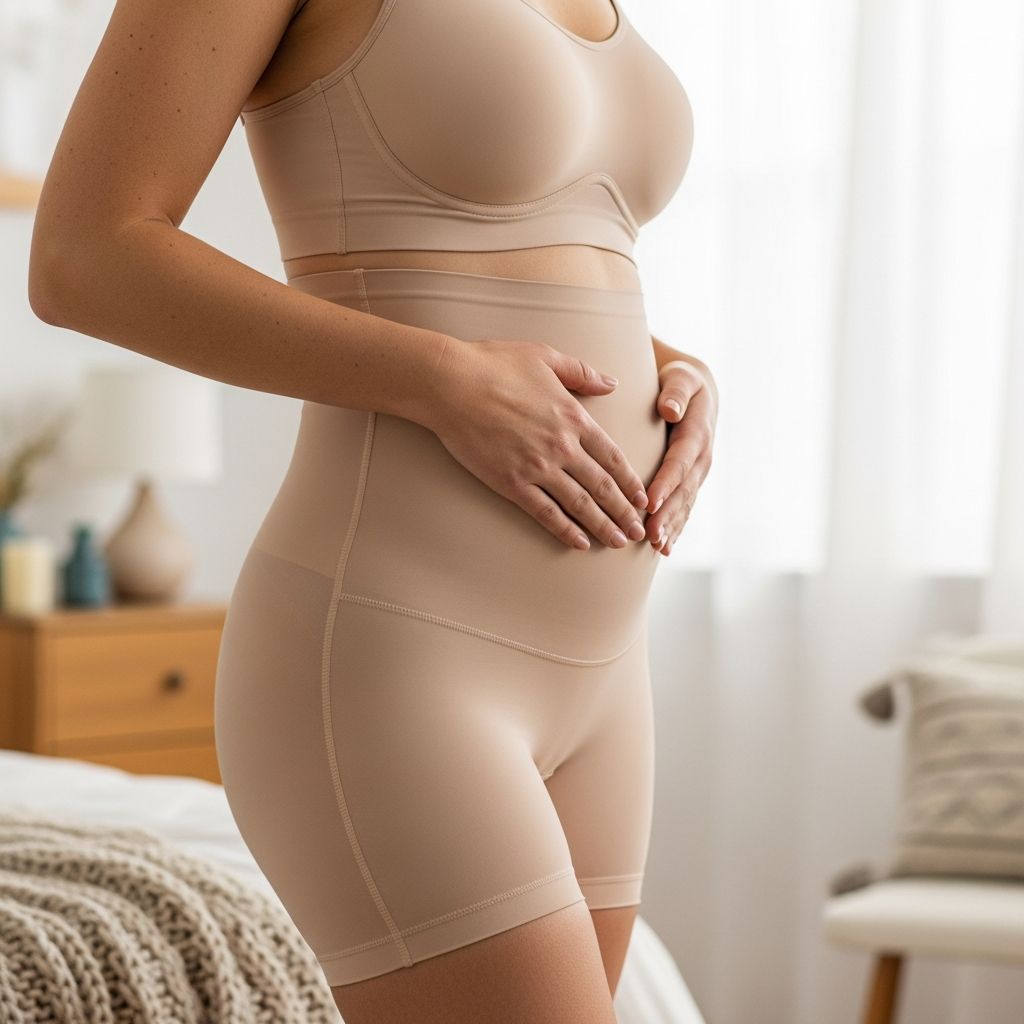
| High-waisted control briefs | Lower belly, waist, sometimes upper hips | Light to firm, depending on fabric | Smoothing under dresses, skirts, or work clothes |
| Shaping shorts | Belly, waist, hips, thighs | Light to medium | Prevent thigh chafing and give all-over smoothing |
| Full-body shaper | Bust or under-bust to thighs | Light to medium | Special occasions or outfits that cling everywhere |
| Compression leggings | Waist, belly, hips, legs | Light to moderate | Everyday wear, comfy alternative to jeans or trousers |
Belly bands and high-waisted briefs are often the easiest entry point if you are still very tender, because they allow you to adjust fit and remove them quickly if you become uncomfortable. Shorts, full-body shapers, and leggings can be helpful later when you are more active, dressing up, or dealing with rubbing and chafing.
How to Choose the Right Shapewear for Your Body
The best postpartum shapewear is the one you can actually wear without counting the minutes until you take it off. That means prioritizing comfort and health over dramatic before-and-after photos or unrealistic size goals.
Key questions before you buy
- Which areas feel like they need support: lower belly, entire midsection, hips, thighs, or all of the above?
- Are you mostly lounging at home, doing light errands, returning to work, or attending a dressy event?
- Do you run hot and need breathable, lightweight fabric, or do you tend to feel chilly and like a more substantial garment?
Fit and fabric tips
- Start with your current postpartum measurements, not your pre-pregnancy size; your body is not “wrong” for changing.
- Look for fabrics that blend gentle stretch with support, such as nylon-spandex or similar technical knits.
- Choose pieces with wide waistbands, flat seams, and cotton or breathable gussets to reduce rubbing and irritation.
- If you are between sizes, err on the larger size for postpartum comfort rather than squeezing into the smaller one.
Many people find that one or two thoughtfully chosen pieces—a comfortable high-waisted brief and a pair of supportive leggings, for example—serve them better than a drawer full of trendy but unused garments.
Safety First: When and How Long to Wear It
Because your body is healing from pregnancy and birth, it is wise to treat any compressive garment with the same caution you would use for a new workout or a new medication. Always check with your health-care provider if you have had a cesarean birth, complications, or pre-existing conditions like blood-clotting disorders or significant pelvic floor issues.
Basic safety guidelines
- Avoid very tight garments in the first days after birth, especially over fresh incisions, stitches, or very tender areas.
- Begin with short wear times—perhaps one to three hours—to see how your body responds.
- If you notice pain, numbness, tingling, difficulty breathing, or increased bleeding, remove the garment and seek medical advice.
- Give your skin breaks to breathe, particularly around any scar tissue or under rolls where moisture collects.
Listening to your body
Shapewear should feel supportive, not suffocating. You should be able to sit, bend, pick up your baby, and use the restroom without a wrestling match. If every movement reminds you of the garment or you feel pressure when you take a deep breath, it is likely too small, too tight, or the wrong style for this stage of your recovery.
Body Image, Emotions, and the Mummy Tummy
Even the most confident person can feel surprised by the look and feel of a postpartum body. Shapewear may give you a mental boost, but it is not a cure for deeper body image struggles or for pressure from unrealistic cultural standards.
It can help to remind yourself that your body did something extraordinary and that a soft tummy is not a flaw but a record of that effort. You are free to enjoy wearing a smoothing garment when it feels fun or supportive, and you are equally free to skip it when you want your body to breathe, move, and expand without restriction.
Using shapewear in a healthy way
- Frame it as dressing up your body, not hiding it.
- Notice any thoughts of shame or “I should look like I never had a baby” and gently question where they come from.
- Surround yourself—online and off—with examples of real postpartum bodies in many sizes and shapes.
Practical Styling Tips for Everyday Wear
Once you find one or two comfortable pieces, it can be helpful to build simple outfits around them instead of treating every day like a styling puzzle. The goal is to make leaving the house—or staying home in something other than pajamas—feel a little easier.
Outfit ideas that work with a mummy tummy
- High-waisted briefs + loose tee + soft trousers: A breathable, gently smoothing base with a relaxed layer on top.
- Shaping shorts + wrap dress: The shorts minimize thigh chafing, and the wrap style allows adjustability as your body changes week to week.
- Compression leggings + long tunic or oversized shirt: Leggings provide light support while a longer top offers coverage without clinging to your midsection.
- Full-body shaper under a fitted dress: Reserved for times when you want an extra-polished look, not for everyday wear.
Choose colors and fabrics that feel like you: soft neutrals if you want to disappear into comfort, bold prints if they lift your mood, or anything in between. Shapewear should adapt to your style—not the other way around.
Alternatives and Complements to Shapewear
If traditional shapewear is uncomfortable or unappealing, there are gentler options that can support your body without firm compression. Many people prefer these approaches, especially in the earliest postpartum weeks.
Support beyond tight garments
- Soft support tanks and camis: Offer light, stretchy coverage over your belly without rigid panels or boning.
- Layering with cardigans or open shirts: Adds visual balance around your midsection without changing your actual shape.
- Guided core and pelvic floor exercises: Over time, appropriate movement may improve strength and function, which can influence how your tummy feels and appears.
- Loose, structured clothing: A well-cut dress, jumpsuit, or trouser with darts and seams can provide shape without any special undergarments.
For some parents, a combination of light support clothing and gentle re-conditioning of the core feels better than firm shapewear. The key is experimentation and permission to change your mind as your body and life shift.
Frequently Asked Questions About Postpartum Shapewear
Is postpartum shapewear necessary for recovery?
No, shapewear is not required for a healthy recovery. Your body has its own built-in healing process, and many people recover well without ever wearing a compression garment. Shapewear is optional and best viewed as a comfort or styling tool.
Can shapewear help my abdominal muscles come back together?
Shapewear can provide a sense of support around the midsection, but it cannot by itself repair a separation in your abdominal muscles. If you are concerned about diastasis recti, speak with your health-care provider or a qualified physical therapist who can suggest appropriate exercises or treatments.
When is it safe to start wearing shapewear after birth?
The safest timing depends on your individual recovery, the type of birth you had, and whether there were any complications. Some people are comfortable in very gentle support garments within a couple of weeks, while others prefer to wait longer. Always check in with a professional who knows your medical history before adding anything more than very light compression.
How tight is too tight?
If you have trouble taking a full breath, feel pinching or sharp pressure, develop numbness or tingling, or notice increased pain or bleeding, your garment is likely too tight—or not right for your body. You should be able to move, sit, and care for your baby without feeling squeezed or restricted.
Will wearing shapewear all day help me lose weight faster?
No. Shapewear does not cause fat loss or meaningfully speed up weight change. Any difference you see when you remove it is usually temporary and related to fluid shifts or simple compression. Sustainable changes in body composition come from a mix of time, rest, gentle movement, and nutrition—not from tighter garments.
Can I sleep in postpartum shapewear?
Most people find that their bodies benefit from time out of compression, especially overnight when your tissues and skin are resting and repairing. If you are considering sleeping in any supportive garment, choose very light compression and discuss it with your health-care provider to be sure it is safe for your situation.
Postpartum shapewear can be a helpful option, but it is only one small part of a much bigger picture that includes rest, medical care, emotional support, and self-compassion. Your mummy tummy is not a problem to be solved—it is a stage in your body’s ongoing story, and you are allowed to dress it in whatever way helps you feel both supported and at home in your own skin.