The postpartum period marks the beginning of a profound transformation as your body rebounds from pregnancy and delivery. This guide outlines the key stages of recovery, highlighting physical changes, emotional shifts, and when you can safely resume daily activities. Whether you had a vaginal birth or cesarean section, understanding these phases empowers you to prioritize rest and seek support as needed.
Immediate Post-Delivery: The Acute Healing Phase (First 24-48 Hours)
Right after birth, your body enters the acute phase, a vulnerable time focused on stabilizing after labor. Uterine contractions help expel the placenta and reduce bleeding, but risks like hemorrhage require close monitoring in the hospital.
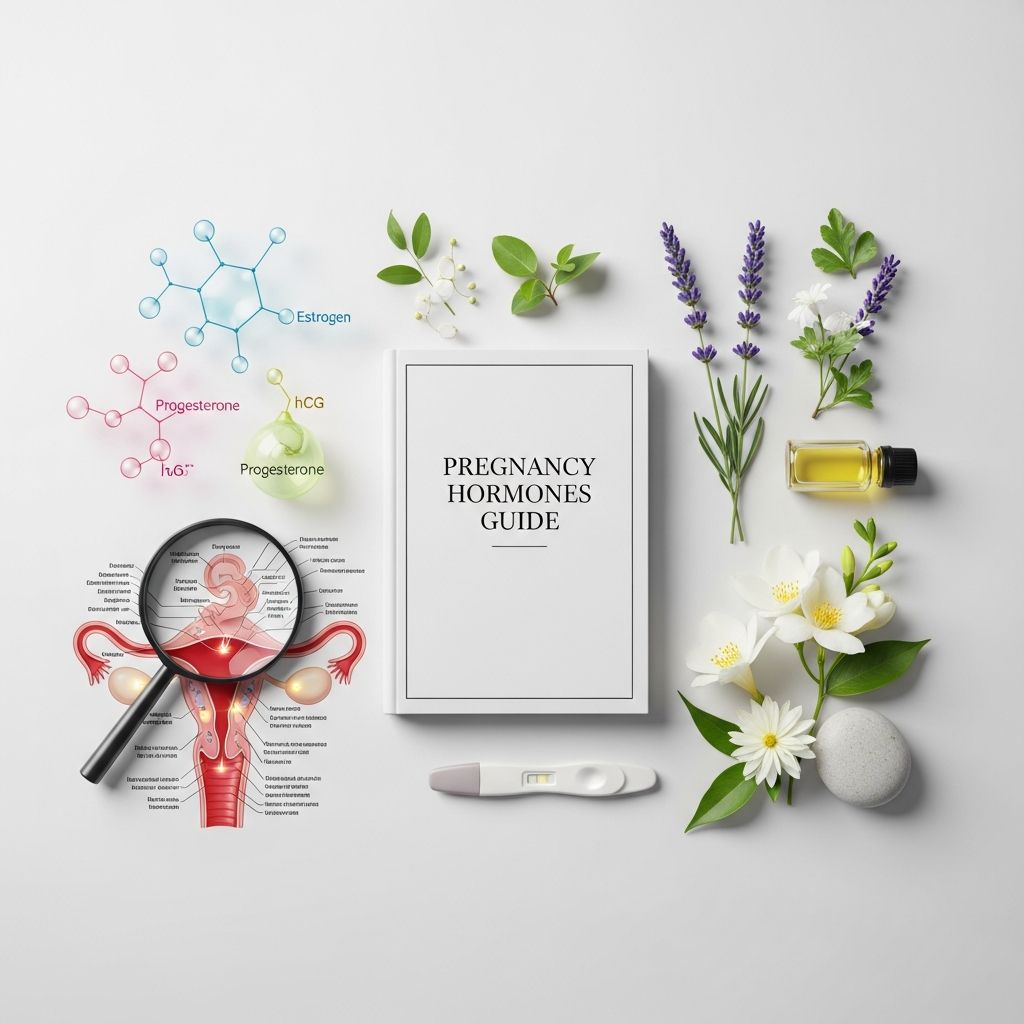
For vaginal deliveries, expect heavy lochia—vaginal bleeding similar to a heavy period—along with cramping from afterpains as the uterus shrinks. C-section mothers face incision care, managing pain from abdominal surgery that severs muscle layers. Fatigue is universal due to hormonal drops; estrogen and progesterone plummet dramatically, setting the stage for emotional fluctuations.
- Bleeding and discharge: Lochia starts bright red and heavy, using pads rather than tampons.
- Pain management: Use prescribed medications, ice packs for perineal swelling, or stool softeners to ease bowel movements.
- Rest essentials: Limit visitors; sleep when baby sleeps to combat exhaustion.
- Warning signs: Fever over 100.4°F, foul-smelling discharge, or severe headache warrant immediate medical attention.
Most vaginal birth patients go home within 24-48 hours, while C-section recovery in hospital extends to 2-4 days. This phase demands patience—your body is mending from an extraordinary feat.
Early Weeks: Subacute Recovery (Days 3 to 6 Weeks)
The subacute phase spans from discharge to the six-week checkup, where healing accelerates but demands caution. Your uterus involutes rapidly, shrinking from grapefruit size to pear-like, causing crampy afterpains that peak around days 2-3.
Bleeding lightens to pinkish-brown lochia by week 2, tapering fully by week 6 for many. Vaginal tears or episiotomies heal, though soreness lingers; C-section scars soften but internal tissues mend slower.
| Week | Vaginal Birth Milestones | C-Section Milestones |
|---|---|---|
| 1-2 | Perineum heals; walking short distances; baby blues emerge (affecting 80% of new moms). | Incision tender; no driving; gas pain common. |
| 3-4 | Energy rebounds slightly; stitches dissolve; light household tasks ok. | Scar fading; gentle walking; avoid lifting over 10 lbs. |
| 5-6 | Bleeding minimal; postpartum visit for clearance. | Core strength building slowly; pelvic floor exercises begin. |
Emotionally, baby blues—mood swings, tearfulness—resolve by week 2 for most, but 20% risk postpartum depression needing intervention. Nutrition fuels recovery: prioritize iron-rich foods, hydration (especially if breastfeeding), and 300 extra calories daily.
Mid-Stage Adjustments: 1-3 Months Postpartum
Entering months 1-3, your body shifts toward pre-pregnancy normalization. Hormones stabilize somewhat, though breastfeeding delays full menstrual return. Uterus reaches near-normal size; abdominal muscles begin reconnecting if diastasis recti occurred.
Physical activities expand: short walks (10-15 minutes) build stamina without strain. Pelvic floor therapy, like Kegels, strengthens muscles weakened by birth—essential as 30-50% experience incontinence initially.
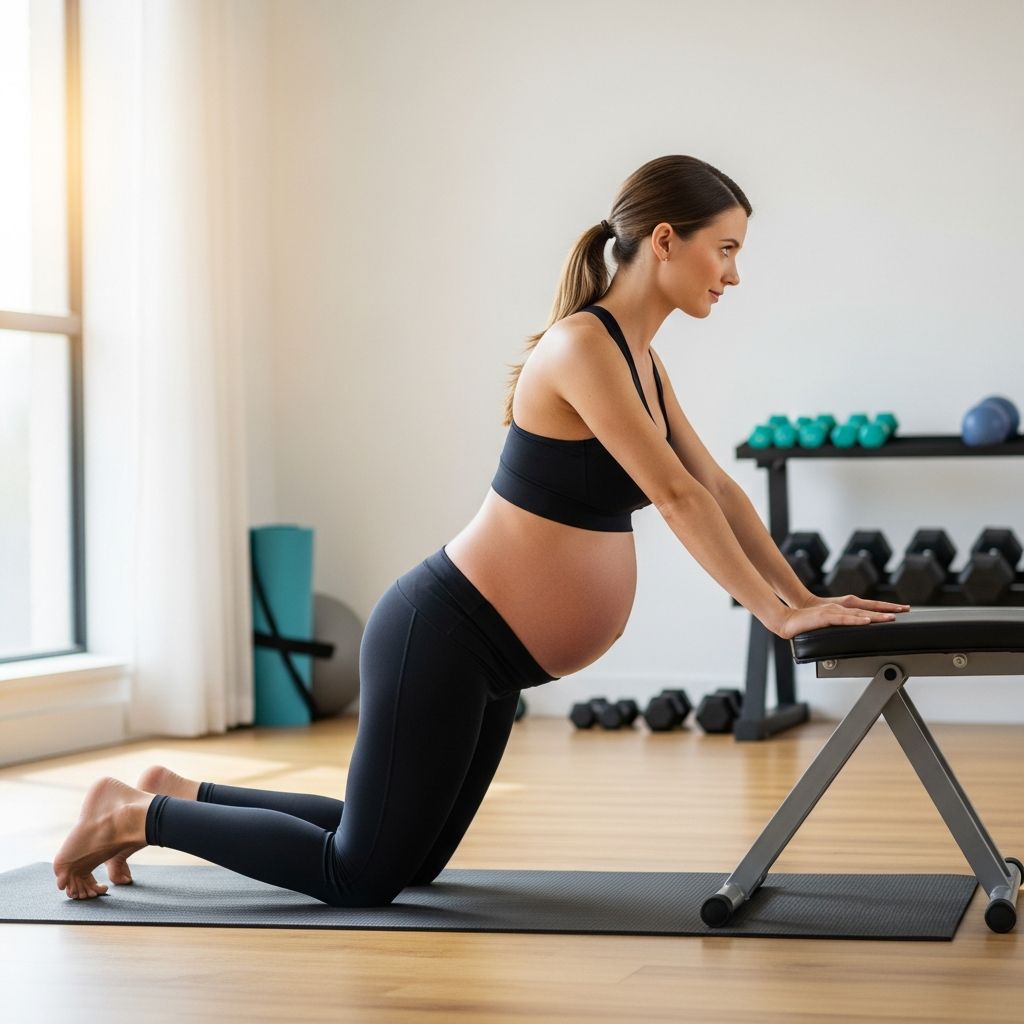
- Exercise introduction: Post-clearance, start pelvic tilts, gentle yoga; avoid crunches until core heals.
- Sexual health: Many resume intimacy around 6 weeks with lubrication, but dyspareunia (painful sex) affects up to 40%; consult providers.
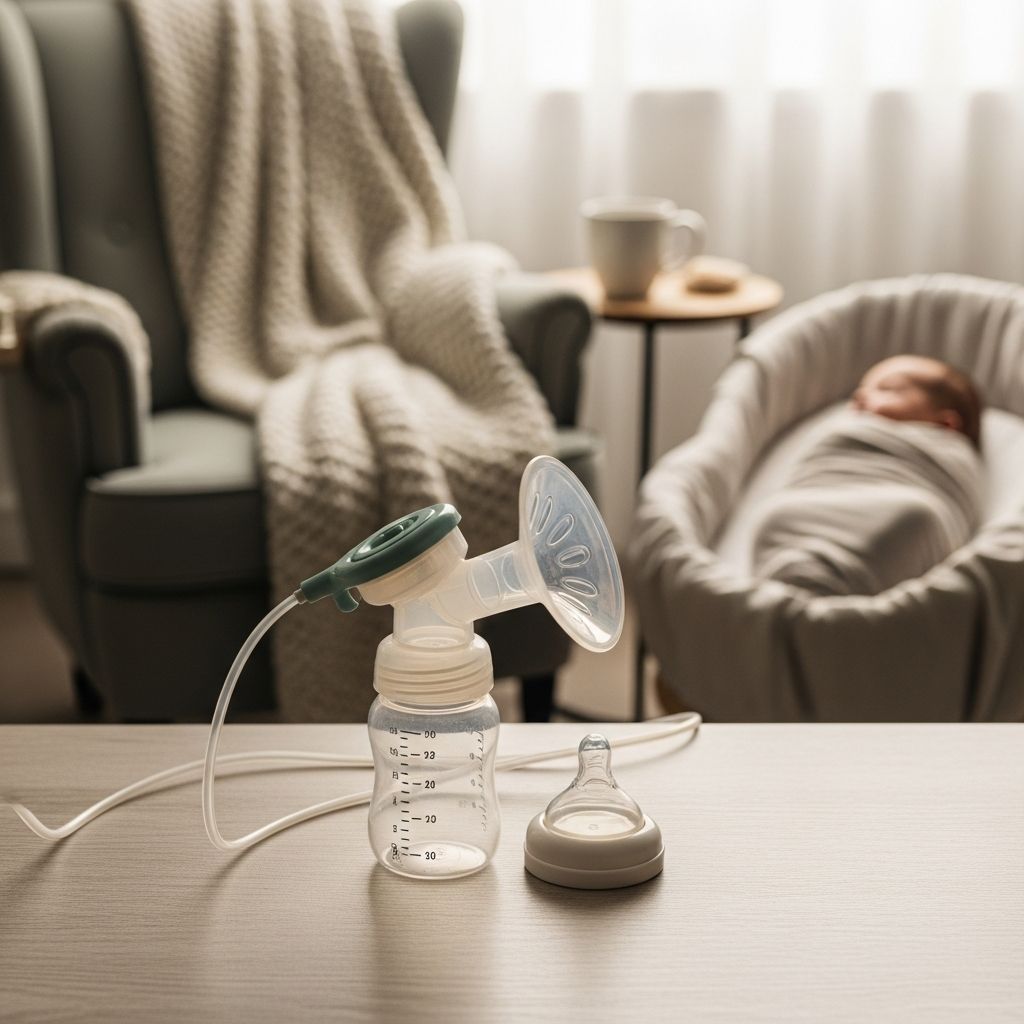
- Work return: Common by 12 weeks; pump if nursing—only 16% get full paid leave.
- Body changes: Feet may grow half a size permanently in 50% of cases; hair loss peaks.
Sleep deprivation persists, amplifying fatigue. Delegate chores; accept help to prevent burnout.
Building Strength: 3-6 Months Recovery
By months 3-6, the delayed phase brings gradual tissue restoration. Periods may restart—heavier and crampier if breastfeeding. Libido often lags due to prolactin suppressing estrogen.
Exercise intensifies: moderate cardio, strength training (e.g., squats, planks) if cleared. Pelvic floor recovery may take 8+ months; monitor for prolapse.
Mental health improves as hormones even out, but screen for persistent anxiety. Weight loss averages 1-2 lbs/month with diet and activity.
| Activity | When Safe | Tips |
|---|---|---|
| Driving | 2-3 weeks (vaginal), 3-4 weeks (C-section) | Off pain meds; quick stops ok. |
| Bathing/Shower | Immediately (shower); full tub at 2 weeks | Keep incision dry initially. |
| Heavy Lifting | 6-8 weeks | Baby carrier before weights. |
| Running/High Impact | 12+ weeks | Gradual build-up. |
Full Restoration: 6-12 Months and Beyond
Months 6-12 finalize recovery: uterus pre-pregnancy size by month 9; ovulation regularizes. Diastasis recti resolves in most with targeted exercises; breastfeeding moms may wean, restoring cycles fully.
By year one, 90-95% report full physical recovery, though pelvic issues linger in some. Emotional resilience strengthens; celebrate milestones like sustained energy and body confidence.
- Fitness goals: Return to pre-pregnancy workouts; focus on posture.
- Hair/Skin: Thinning reverses; hyperpigmentation fades.
- Fertility: Contraception key if not planning more pregnancies.
Emotional Well-Being Throughout Recovery
Hormonal crashes trigger baby blues early, potentially evolving into depression or anxiety. Eight in ten experience initial mood dips; seek therapy if symptoms persist beyond two weeks. Partner support, therapy, and self-care mitigate risks.
Nutrition and Lifestyle for Optimal Healing
Fuel recovery with balanced meals: proteins for tissue repair, omega-3s for mood, fiber against constipation. Hydrate (100 oz/day breastfeeding); supplement vitamin D, iron if deficient. Prioritize 7-9 hours sleep via co-sleeping safely or shifts.
Frequently Asked Questions
When can I exercise after giving birth?
Gentle walking starts immediately; full workouts post-6-week clearance, progressing slowly to avoid injury.
Is postpartum bleeding normal for 6 weeks?
Yes, lochia lasts 2-6 weeks, transitioning colors; consult if heavy or foul.
How long until my period returns?
Non-breastfeeding: 6-8 weeks; breastfeeding: 3-12 months or longer.
What if I have C-section pain at 3 months?
Scar tissue normal; massage and PT help; see doctor for adhesions.
Can postpartum depression last a year?
It can persist without treatment; screen regularly and seek help early.
References
- Postpartum Recovery Timeline: Ultimate 1-Year Guide — South Lake OB/GYN. 2025-11-26. https://southlakeobgyn.net/2025/11/26/postpartum-recovery-timeline/
- Birth Recovery & Postpartum Timeline — Bodily. Accessed 2026. https://itsbodily.com/pages/postpartum-recovery-time-timeline
- Your Postpartum Recovery Timeline: A Week-by-Week Guide — Happiest Baby. Accessed 2026. https://www.happiestbaby.com/blogs/parents/postpartum-recovery-timeline
- Postpartum period: three distinct but continuous phases — PMC – NIH. 2012-03-15. https://pmc.ncbi.nlm.nih.gov/articles/PMC3279173/
- Timeline of Postpartum Recovery — Healthline. Accessed 2026. https://www.healthline.com/health/postpartum-recovery-timeline