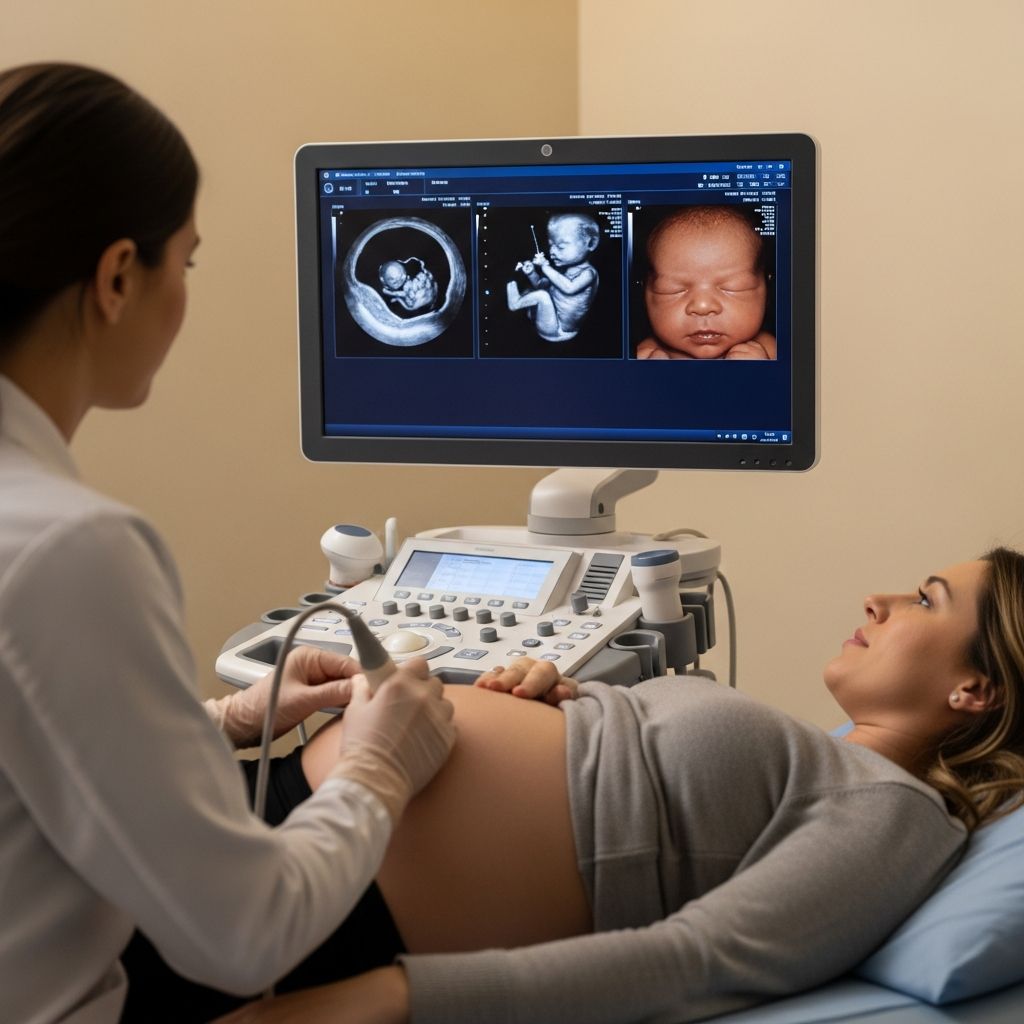
Respiratory syncytial virus (RSV) poses a significant threat to infants, causing thousands of hospitalizations annually. A groundbreaking approach involves vaccinating pregnant individuals with Pfizer’s Abrysvo vaccine during the third trimester, transferring protective antibodies to the fetus. This strategy offers newborns immediate defense against severe RSV lower respiratory tract disease (LRTD) without direct vaccination.
Understanding the RSV Threat to Infants
RSV is the leading viral cause of hospitalization in children under one year, particularly affecting those under six months. It triggers bronchiolitis and pneumonia, with severe cases requiring oxygen support or intensive care. Globally, RSV leads to substantial infant morbidity, peaking seasonally from fall to spring.
Infants face heightened vulnerability due to immature immune systems and small airways. In the U.S., nearly 58,000 children under five are hospitalized yearly for RSV, with 100-300 deaths in healthy infants. Maternal antibodies provide crucial passive immunity during the first months when active vaccines aren’t yet approved.
How Maternal Vaccination Works Against RSV
Pfizer’s RSVpreF vaccine (Abrysvo) targets the RSV prefusion F protein, eliciting high levels of neutralizing antibodies. Administered as a single 120µg intramuscular dose between 32 and 36 weeks gestation, these antibodies cross the placenta, peaking in the infant around birth.
This passive transfer mimics natural maternal immunity but amplifies it through vaccine-induced responses. Protection wanes over 3-6 months, aligning with declining RSV incidence and the introduction of infant immunizations like nirsevimab.
Clinical Trial Evidence: Efficacy Breakthrough
The pivotal Phase 3 MATISSE trial (C3671008) enrolled over 7,000 pregnant individuals randomized to Abrysvo or placebo from 24-36 weeks gestation. It demonstrated 81.8% efficacy against severe medically attended RSV-LRTD in infants from birth through 90 days, and 69.4% through 180 days.
| Outcome | 0-90 Days Efficacy | 0-180 Days Efficacy |
|---|---|---|
| RSV Hospitalization | 68% | 57% |
| Severe RSV-LRTD (low O2, ventilation, ICU) | 82% | 69% |
| Medically Attended RSV-LRTD | 57% | 51% |
These results confirm robust protection during peak vulnerability, reducing healthcare burdens.
Safety Profile: Addressing Preterm Birth Concerns
Early trials noted numerical preterm birth imbalances (e.g., 1% higher in vaccine arms), prompting FDA restriction to 32-36 weeks—avoiding earlier gestation linked to GSK’s halted trial.
Post-approval data from 54,011 pregnancies (19% vaccinated 32-36 weeks) across five U.S. health plans showed no statistically significant increases in preterm birth, hypertensive disorders, or premature rupture of membranes compared to unvaccinated controls.
- Preterm birth: Adjusted odds ratio 1.08 (95% CI, 0.98-1.18; P=0.10)—not significant.
- Hypertensive disorders: No elevation after confounder adjustment.
- Other outcomes: No risks for NICU admission, jaundice, or sepsis in separate cohorts.
Harvard-led analysis emphasized better confounder control, corroborating trial safety. Ongoing V-safe and VAERS monitoring through 2029 will refine subgroup data.
Real-World Data Reinforces Vaccine Benefits
During the 2023-2024 RSV season, retrospective studies from New York hospitals (35% vaccination rate, mostly week 34) reported preterm rates of 5.9% (vaccinated) vs. 6.7% (unvaccinated)—no difference.
CDC’s limited 2023-2024 analysis couldn’t fully assess effectiveness due to low uptake and timing mismatches but affirms trial benefits outweigh risks. Uptake remains below targets, underscoring education needs.
Comparing Pfizer Abrysvo to Alternatives
| Aspect | Pfizer Abrysvo (Maternal) | Nirsevimab (Infant Monoclonal Ab) | GSK Arexvy (Adult) |
|---|---|---|---|
| Target Population | Pregnant 32-36w | Infants <8mo | Adults 60+ |
| Dosing | Single IM 120µg | Single IM 300mg (varies by wt) | Annual IM |
| Efficacy (Severe RSV) | 82% (infants 0-3mo) | ~75-80% | N/A for infants |
| Preterm Risk | None observed post-32w | None | None (not maternal) |
Abrysvo complements nirsevimab; CDC prefers maternal vaccination if <36w6d at birth, otherwise monoclonal antibodies.
Practical Guidance for Expectant Parents
Consult providers around 32 weeks to align with RSV season. Side effects mirror other vaccines: injection-site pain (80%), headache (50%), myalgia (40%), nausea (20%)—mild and transient.
- Ideal window: 32 0/7 to 36 6/7 weeks.
- Contraindications: Severe allergic reaction history to components.
- Co-administration: Safe with Tdap, flu vaccines.
ACOG endorses routine recommendation, emphasizing 70% reduction in severe infant RSV.
Boosting Vaccine Confidence and Uptake
Hesitancy stems from preterm concerns, now alleviated by real-world evidence. Providers play key roles via shared decision-making, highlighting antibody transfer benefits.
International adoption lags; U.S. data may catalyze programs. Final 2029 safety reports will include diverse populations, enhancing global trust.
Frequently Asked Questions
When is the best time to get the RSV vaccine during pregnancy?
Between 32 and 36 weeks gestation, ideally before RSV season starts, to maximize infant antibody levels at birth.
Does the vaccine increase preterm birth risk?
No significant risk observed in large post-approval studies when given after 32 weeks; earlier concerns were not replicated.
How long does protection last for the baby?
Strongest through 3 months (82% vs. severe disease), sustained at 69% through 6 months.
Can I get it with other pregnancy vaccines?
Yes, safe concurrently with influenza and Tdap vaccines.
What if I’m past 36 weeks or due soon?
Discuss nirsevimab for the infant post-birth as an alternative.
Future Directions in RSV Prevention
Ongoing trials explore expanded windows, combination vaccines, and infant formulations. Enhanced surveillance will track long-term outcomes, potentially broadening recommendations.
In summary, Pfizer’s Abrysvo empowers pregnant individuals to safeguard newborns effectively and safely, transforming RSV management.
References
- Pfizer’s RSV vaccine safe to use during pregnancy, study suggests — CIDRAP/University of Minnesota. 2024-10-09. https://www.cidrap.umn.edu/respiratory-syncytial-virus-rsv/pfizer-s-rsv-vaccine-safe-use-during-pregnancy-study-suggests
- Perinatal Outcomes After RSV Vaccination During Pregnancy — JAMA Network Open. 2024. https://jamanetwork.com/journals/jamanetworkopen/fullarticle/2820867
- RSV Vaccine During Pregnancy and Risk of Preterm Birth — Children’s Hospital of Philadelphia. 2024. https://www.chop.edu/vaccine-update-healthcare-professionals/newsletter/rsv-vaccine-during-pregnancy-and-risk-preterm-birth
- RSV Vaccine Guidance for Pregnant Women — Centers for Disease Control and Prevention (CDC). 2025. https://www.cdc.gov/rsv/hcp/vaccine-clinical-guidance/pregnant-people.html
- Pfizer Announces Positive Top-Line Data of Phase 3 Global — Pfizer. 2023. https://www.pfizer.com/news/press-release/press-release-detail/pfizer-announces-positive-top-line-data-phase-3-global
- Why I Recommend the RSV Vaccine to My Pregnant Patients — American College of Obstetricians and Gynecologists (ACOG). 2024. https://www.acog.org/womens-health/experts-and-stories/the-latest/why-i-recommend-the-rsv-vaccine-to-my-pregnant-patients