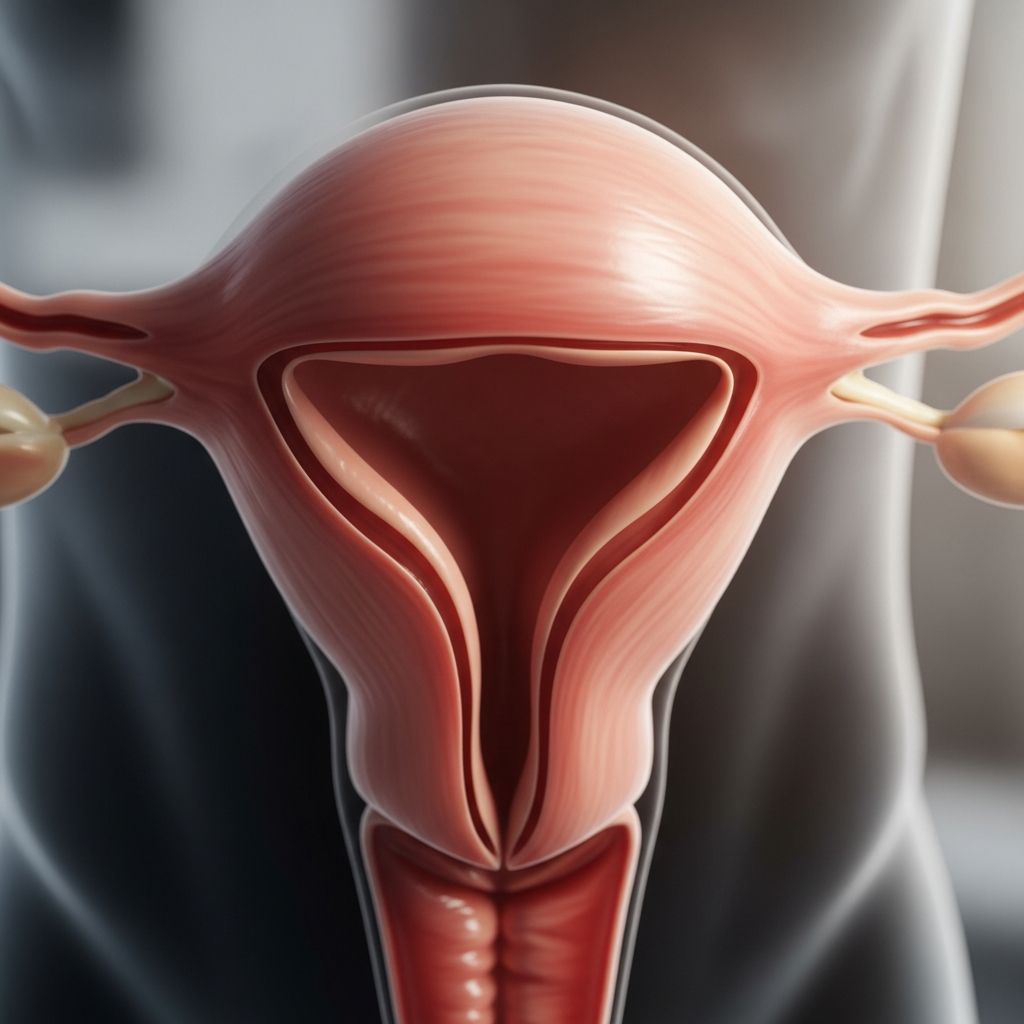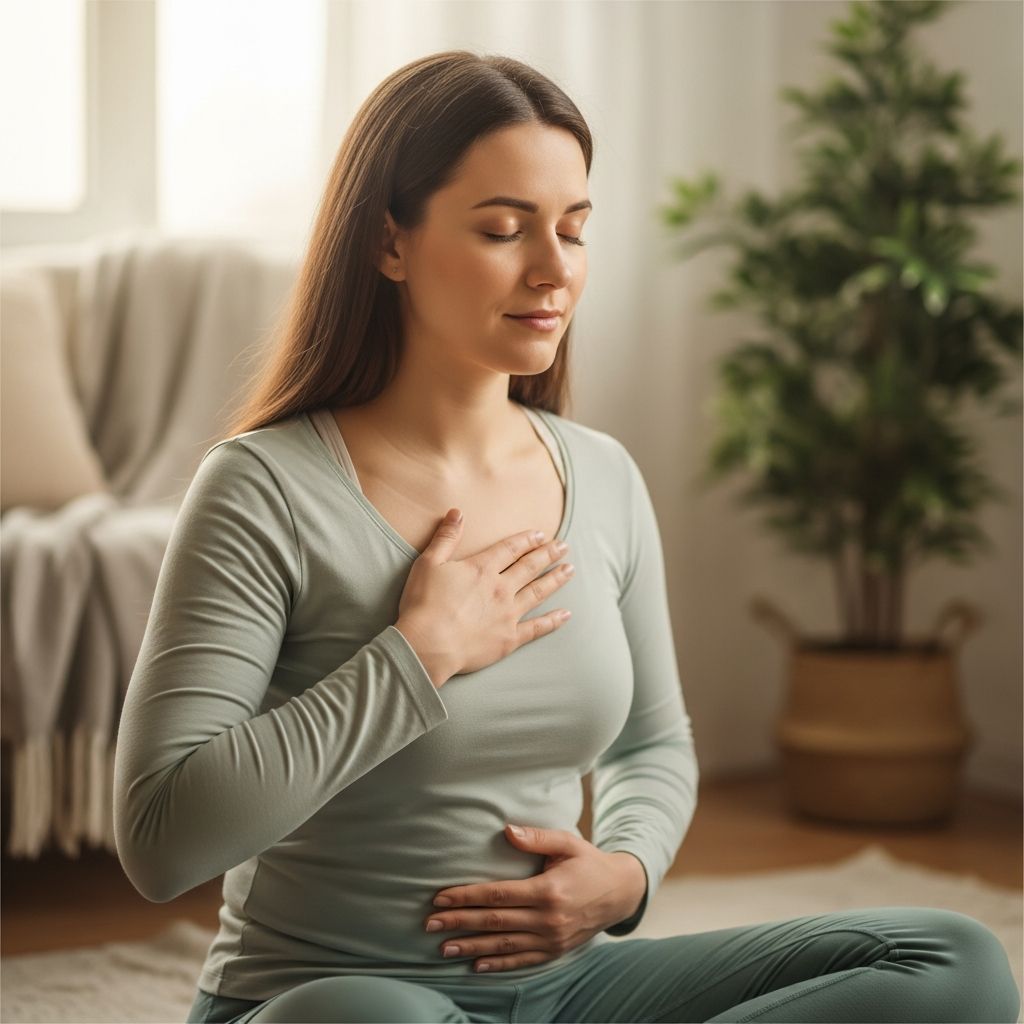
After childbirth, your body embarks on a profound journey of restoration. Deep, intentional breathing emerges as a cornerstone of this process, engaging the diaphragm to promote healing across multiple systems. This practice not only aids physical recovery but also fosters emotional balance during the demanding postpartum phase.
Understanding the Diaphragm’s Role in Maternal Recovery
The diaphragm, a dome-shaped muscle beneath the lungs, serves as the primary driver of respiration. In postpartum women, its optimal function is crucial for coordinating breathing with core and pelvic floor muscles. During pregnancy, the growing uterus compresses this muscle, leading to compensatory shallow breathing patterns that persist after birth. Restoring diaphragmatic movement helps reverse these adaptations, enhancing oxygen delivery and reducing tension in accessory muscles like those in the neck and shoulders.
Effective diaphragmatic breathing facilitates a 360-degree expansion of the ribcage and abdomen, which gently lengthens the pelvic floor on inhalation and supports its gentle lift on exhalation. This rhythmic action massages the vagus nerve, a key regulator of the parasympathetic nervous system, promoting rest, digestion, and hormonal equilibrium—vital for new mothers facing sleep deprivation and stress.
Why New Mothers Need Breathing Retraining
Postpartum shallow breathing often stems from labor fatigue, hormonal shifts, and the physical demands of caring for an infant. These patterns contribute to common issues such as low back discomfort, pelvic instability, and persistent fatigue. By prioritizing diaphragmatic techniques, mothers can counteract these effects, improving posture, alleviating hip flexor tightness, and fostering a stable foundation for eventual return to exercise.
- Reduces musculoskeletal strain: Proper expansion relaxes overworked neck and jaw muscles.
- Enhances oxygenation: Deeper breaths increase oxygen saturation, accelerating tissue repair.
- Balances the autonomic nervous system: Vagus nerve activation shifts the body from fight-or-flight to rest-and-digest mode.
- Supports pelvic health: Coordinates with core engagement to prevent prolapse risks and incontinence.
Research from physical therapy experts underscores that early breathing interventions yield measurable improvements in core function within weeks, setting the stage for safe progression to strength training.
Foundational Diaphragmatic Breathing Technique
Begin with this basic exercise to recalibrate your breath. Practice in a quiet space, ideally multiple times daily, even amidst baby care routines.
- Lie on your back with knees bent, feet flat, and a neutral spine. Alternatively, sit upright if lying is uncomfortable.
- Place one hand on your upper chest and the other on your lower abdomen, just above the pubic bone.
- Inhale slowly through your nose for 4 counts, directing breath downward so the belly hand rises while the chest hand remains mostly still. Visualize your ribs expanding outward in all directions—like inflating a balloon within your torso.
- Exhale through pursed lips for 6-8 counts, allowing the belly to softly draw inward without forceful sucking. Feel the pelvic floor gently rise.
- Repeat for 10 breaths, noting any areas of restriction.
This method promotes full lung base activation, countering pregnancy-induced restrictions.
Advanced Variations for Targeted Relief
Once comfortable with basics, incorporate these progressions to address specific postpartum challenges.
Rib Expansion with Counter-Pressure
Ideal for widening the infrasternal angle and mobilizing stiff ribs.
- Lie supine and position hands on lower ribs: fingers forward, thumbs backward.
- Inhale deeply, pushing hands apart with rib expansion.
- Exhale fully while gently squeezing hands together, drawing navel to spine and whispering ‘haaa’ to expel residual air.
- Perform 4-6 cycles.
Posterior Breathing for 360-Degree Activation
Targets back expansion, often neglected in belly-dominant breathers.
- Sit or lie over a rolled towel/foam roller under your mid-back, or squat with knees to chest.
- Inhale, directing breath posteriorly—feel low back widen against support.
- Exhale softly, maintaining gentle core tone.
- Aim for 8 breaths; partner feedback enhances awareness.
Containment Breath for Nervous System Regulation
Perfect during baby rocking or feeding.
- Inhale nasally for 4-5 counts, expanding belly and ribs.
- Hold briefly (2 counts), then exhale orally for 8-10 counts, softening jaw and shoulders.
- This elongated exhale stimulates vagal tone, easing anxiety.
Integrating Breath with Gentle Core and Pelvic Floor Work
Breathing alone builds awareness; pair it with subtle activations for comprehensive rehab. Start within days postpartum, respecting cesarean or high-risk recoveries—consult providers first.
| Exercise | Breath Integration | Benefits | Reps |
|---|---|---|---|
| Abdominal Bracing Breath | Inhale to expand, exhale with gentle navel-to-spine draw | Activates transverse abdominis | 5-10 breaths |
| Pelvic Floor Lift | Inhale relax/lengthen, exhale subtle lift (like drawing marble inward) | Strengthens without strain | 3-5 holds/sec |
| Pelvic Tilt | Inhale neutral, exhale posterior tilt flattening low back | Improves lumbar stability | 10 reps |
These align with protocols from postpartum physical therapy, emphasizing gradual progression.
Daily Routine for Lasting Results
Embed breathing into your rhythm: 5 minutes morning/evening, plus ‘breath breaks’ hourly. Track progress via journal: note pain levels, sleep quality, and ease of deep inhales. Combine with walking—inhale for two steps, exhale for four—to bridge breath with movement.
Physical therapy can address underlying tensions; manual release often unlocks exercise efficacy. Expect ribcage realignment, reduced waist tension, and improved posture within 4-6 weeks.
Frequently Asked Questions
Can I start diaphragmatic breathing immediately after birth?
Yes, from day one if cleared by your provider. It’s gentle and promotes relaxation post-delivery.
How does breathing help with postpartum back pain?
It relaxes hip flexors and accessory muscles, realigning pelvis and easing lumbar pressure.
What if I feel no rib expansion?
Persist with hands-on cues; seek therapy for myofascial restrictions. Subtle shifts build over time.
Is this safe after C-section?
Absolutely—focus on shallow, pain-free breaths initially. Avoid bracing until incision heals.
How long until I notice benefits?
Many report reduced tension in 1-2 weeks with consistency; full core gains in 6 weeks.
Long-Term Wellness Through Breath Awareness
Beyond early recovery, diaphragmatic breathing sustains vitality amid motherhood’s demands. It enhances sleep efficiency during short windows, stabilizes mood via vagal pathways, and prepares for high-impact activities. Pair with nutrition and support networks for holistic thriving.
Commit to this practice as your body’s innate recovery tool—simple, accessible, transformative.
References
- Breathing: The First and Vital Step in Post-Partum Recovery — The Body Bloom. 2022-03-08. https://www.thebodybloom.com.au/post/breathing-the-first-and-vital-step-in-post-partum-recovery
- Breathing Techniques to Enhance Healing with Natural Wellness Coach Arya Donahue — Postpartum Support International. 2023-00-00. https://postpartum.net/breathing-techniques-to-enhance-healing-with-natural-wellness-coach-arya-donahue/
- Week 1 Postpartum | 4-min Core And Pelvic Floor Recovery Routine — YouTube (Belly Strong). 2023-00-00. https://www.youtube.com/watch?v=yh_OwZfPs_A
- 10 Exercises For Your First Six Weeks Postpartum — Dr. Mae Hughes. 2024-11-26. https://drmaehughes.com/2024/11/26/10-exercises-for-your-first-six-weeks-postpartum/
- What are the Best Movements to Practice in Postpartum? — Hackensack Meridian Health. 2023-03-24. https://www.hackensackmeridianhealth.org/en/healthu/2023/03/24/what-are-the-best-movements-to-practice-in-postpartum
- Top 5 Postpartum Exercises to Start Right Away — MEND Colorado. 2022-03-08. https://www.mendcolorado.com/physical-therapy-blog/2022/3/8/top-5-postpartum-exercises-to-start-right-away/