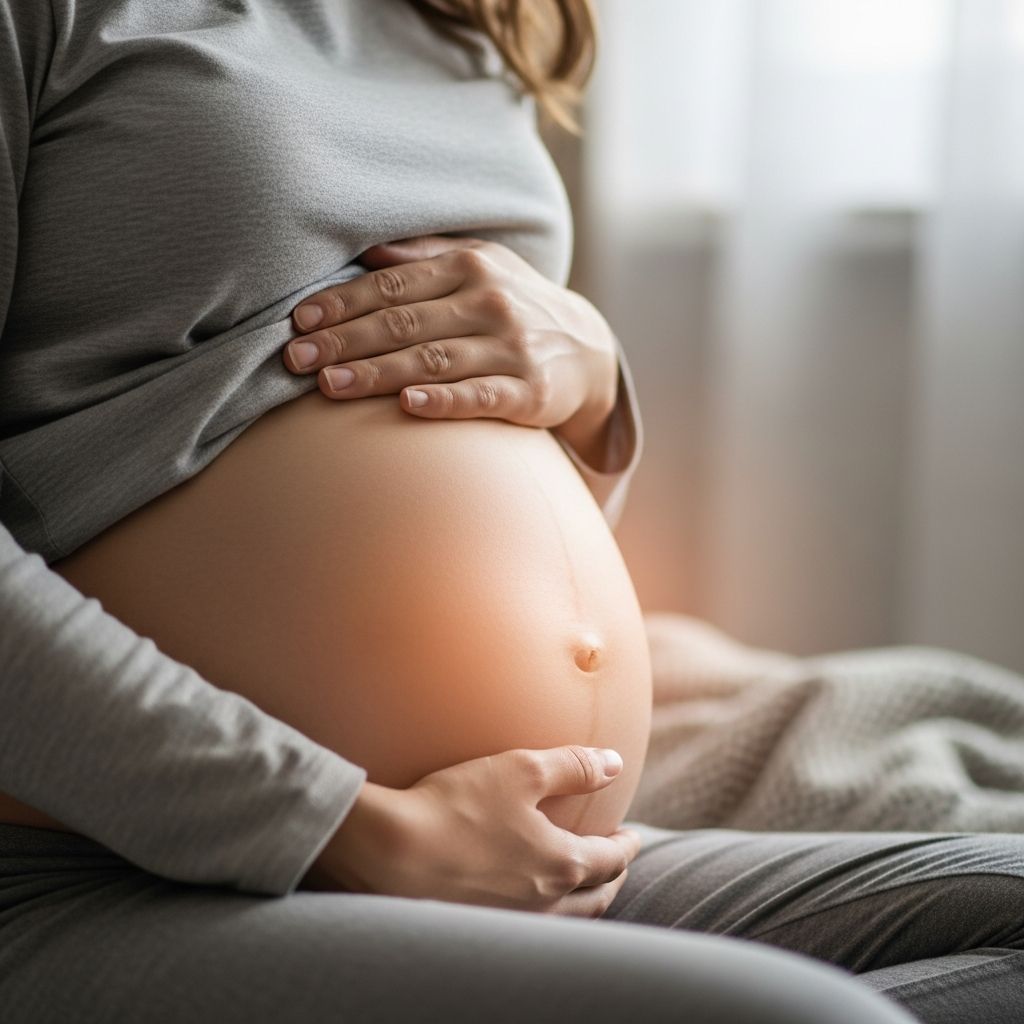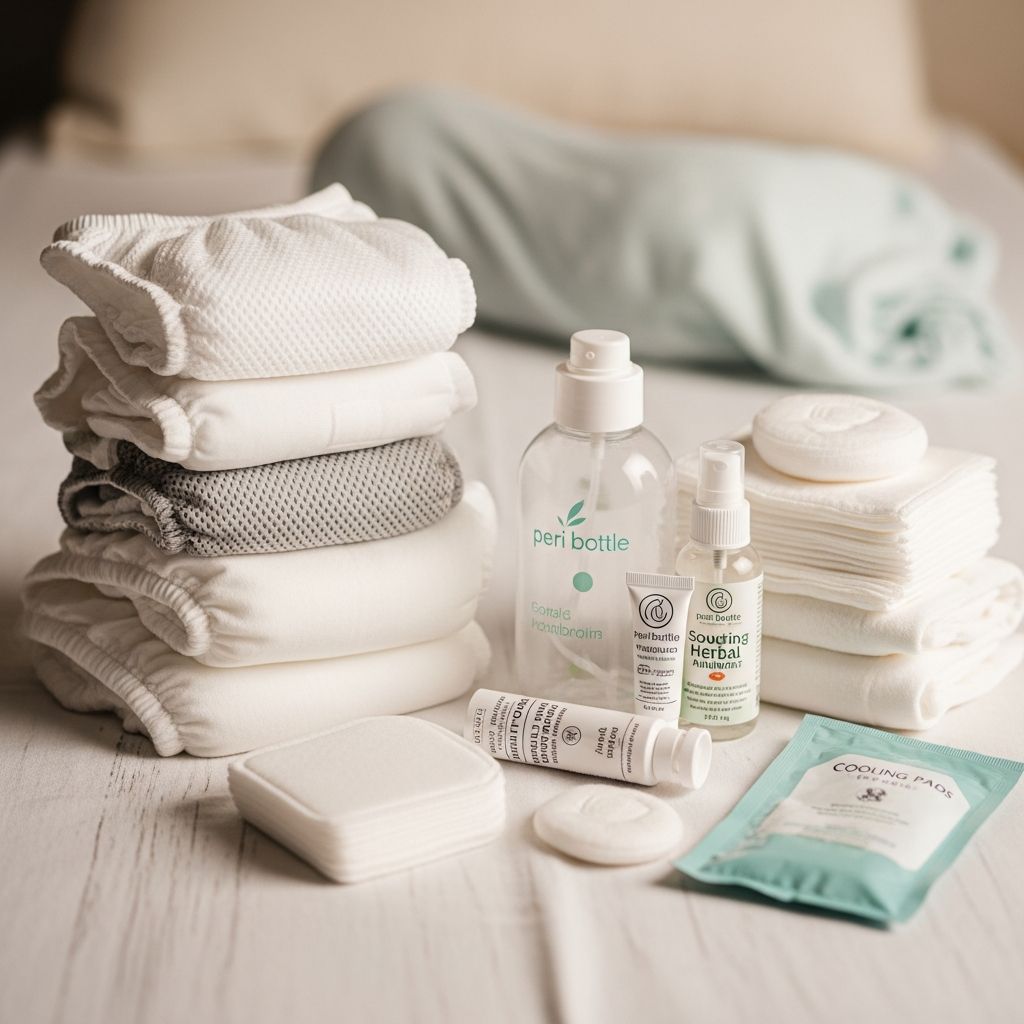
Postpartum diapers have quickly become a must-have item in many hospital bags, offering new parents a convenient, comfortable way to manage heavy bleeding and leaks after birth. Instead of juggling mesh underwear and slipping pads, postpartum diapers combine coverage and absorbency in one simple, supportive layer.
Why Postpartum Bleeding Is Different From a Period
After birth, your body sheds blood, mucus, and tissue from the uterus in a discharge called lochia. This process is normal and can last several weeks, but the first few days—especially the first week—are often much heavier than a typical menstrual period.
The flow can be unpredictable: you may feel gushes when you stand up, cough, sneeze, or breastfeed. That unpredictability is exactly why many parents look for higher-coverage options during the first days at home or in the hospital.
- Lochia typically starts bright red and heavy, then gradually lightens and changes color.
- Clots can appear, especially in the early days, and may be larger than what you see during a normal period.
- Because the flow is heavier and more sudden, regular pads are often not enough during the immediate postpartum phase.
What Exactly Are Postpartum Diapers?
Postpartum diapers are full-coverage, pull-on underwear with a highly absorbent core designed for the intensity of after-birth bleeding. They look more like soft underwear than a baby diaper, but with the absorbency of a heavy-duty pad built in.
They are usually made from stretchy, breathable materials that hug the hips and belly without digging into sensitive skin or irritating incision sites. Compared with basic hospital mesh underwear plus pad, they tend to feel more secure, more leak-resistant, and often more like regular clothing.
- Pull-on, underwear-style design instead of tabs or adhesive wings.
- High absorbency aimed at early postpartum flow and occasional bladder leaks.
- Elastic leg openings and waistband to reduce leaks and shifting.
Benefits of Using Postpartum Diapers
Postpartum diapers are popular not just because they are convenient, but because they directly support comfort and healing at a time when getting up, bending, or changing layers can be challenging. For many parents, they simplify the early days when energy and mobility are limited.
While every body and birth experience is different, several advantages make postpartum diapers worth considering for your recovery toolkit.
Comfort During a Sensitive Time
- Gentle materials: Many postpartum diapers are made with soft, cloth-like fabric that feels smoother than hospital mesh or stiff pads.
- Minimal shifting: Because the absorbent core is built in, there are no wings to peel up or corners that rub against tender skin or stitches.
- Less bunching: A snug, underwear-style fit tends to move with your body instead of bunching between your legs.
Leak Protection and Peace of Mind
- 360-degree coverage: The absorbent material often wraps from the front to the back, helpful when you’re mostly lying down.
- Fewer clothing changes: Extra coverage cuts down on accidents that soak through pajamas, sheets, or leggings.
- Nighttime security: High absorbency and coverage make them especially useful overnight when you want to sleep longer stretches.
Convenience for Exhausted Parents
- One piece instead of two: There’s no separate pad to unwrap, position, and readjust.
- Quick changes: Many versions have sides that tear open, so you don’t need to bend or step out of them like regular underwear.
- Easy for partners or support people: If someone is helping you, one-piece underwear is usually simpler to manage than pads plus mesh.
Postpartum Diapers vs Pads vs Period Underwear
There’s no single “correct” option for postpartum bleeding. Many people use a combination of diapers, pads, and reusable period underwear as their flow changes over time. Understanding the strengths of each can help you build a mix that fits your body, budget, and environmental preferences.
The table below gives a high-level look at how these options compare in terms of absorbency, comfort, cost, and ideal timing in your recovery.
| Option | Best For | Absorbency | Comfort & Fit | Cost Over Time | Reusability |
|---|---|---|---|---|---|
| Postpartum diapers | First days to week with heavy or unpredictable flow | Very high; designed for gushes and overnight coverage | Supportive, full coverage; may feel bulkier than other options | Moderate to high initial cost; fewer changes per day can balance this | Disposable; simplest but less eco-friendly |
| Postpartum pads | Moderate flow once bleeding slows down | Medium to high, depending on brand and size | Can feel more familiar; may shift or bunch if not secured well | Lower per-piece price; need frequent changes | Disposable; used with regular or mesh underwear |
| Period / postpartum underwear | Lighter flow, spotting, and the tail end of recovery | Light to medium; some heavy options exist but typically less than diapers | Most “like regular underwear”; very comfortable for day-to-day wear | Higher upfront cost; reusable and cost-effective long term | Reusable with proper washing and care |
Many parents wear diapers during the heaviest days, then step down to pads, and finally transition to period underwear as bleeding tapers to light spotting. Planning this kind of progression can help you decide how much of each product to buy ahead of time.
Types of Postpartum Diapers and Underwear Styles
Not all postpartum diapers look or feel the same. Some are more like traditional incontinence underwear, while others are specifically marketed for the post-birth period with features tailored to belly sensitivity and incision care.
When browsing options, pay attention to coverage height, fabric feel, and how easy they are to put on and remove.
High-Waisted Postpartum Diapers
High-rise styles extend well above the hips and navel, which can be a game-changer if you’ve had a C-section. They avoid digging into the incision area and provide a gentle, wraparound feeling of support to the belly.
- Good for C-section recovery where the waistband needs to clear the incision.
- Useful if you prefer more tummy coverage and a secure, held-in feeling.
- Often pair well with loose lounge pants or nightgowns.
Mid-Rise and Hip-Hugging Styles
Mid-rise or hip-hugging postpartum diapers sit lower on the waist and may feel more like everyday underwear for those recovering from vaginal birth. They can be more discreet under clothes but may not clear the incision line for C-section births.
- Better under jeans or leggings when you start moving around more.
- Can feel cooler and less bulky in warm weather.
- Ideal if you want enough coverage without a tall waistband.
Disposable vs Reusable Options
Most postpartum diapers are disposable, designed for convenience and maximum absorbency during the short but intense early days. However, some people add heavy-absorbency period underwear as a reusable backup, especially as bleeding lightens.
- Disposable: Quick, no-laundry option; great when you do not have energy or capacity to wash.
- Reusable: More eco-conscious and economical if you expect to use them long term for periods or light incontinence.
- Hybrid approach: Use disposables in the first week, then rotate in washable underwear as flow slows.
How to Choose the Right Postpartum Diaper
Choosing the right postpartum diaper means thinking beyond just size. You’ll want to consider absorbency, comfort features, material, and how they fit into your daily routine with a newborn. Planning ahead can help you avoid last-minute medical supply runs when you’d rather be resting.
Use the checklist below to narrow down what matters most to you and your body.
1. Decide on Absorbency Level
During the first few days after birth, heavy or very heavy absorbency is usually most practical. As bleeding eases, medium absorbency may be more comfortable and less bulky. Some brands rate their products on a scale (for example, light, moderate, maximum), so look closely at the descriptions.
- Choose the highest absorbency for days 1–3, especially overnight.
- Consider a lighter absorbency for daytime as the flow slows.
- If you expect occasional bladder leaks when you sneeze or laugh, stick with higher absorbency for longer.
2. Get the Sizing Right
Size is about more than comfort. A diaper that is too small can dig in and leak; one that is too large can gap at the legs. Many brands use hip or waist measurements, so it can help to take a loose measurement late in pregnancy, when your body is closer to its immediate postpartum shape.
- Check the size chart and match your measurements, not just your usual pre-pregnancy size.
- If you’re between sizes, some people prefer sizing up for comfort, especially after a C-section.
- Consider buying a small pack in two sizes if you are unsure; you can reorder the one that fits best.
3. Look at Materials and Skin Sensitivity
Your skin may be more sensitive after pregnancy and birth, and constant moisture from bleeding can increase irritation. If you are prone to rashes or allergic reactions, look for options that mention “fragrance-free,” “dye-free,” or “made for sensitive skin.”
- Opt for breathable, cloth-like outer layers that allow air flow.
- Consider plant-based or cotton-topped options if you have known sensitivities.
- Avoid products with added fragrances if you are concerned about irritation.
4. Choose Features That Fit Your Birth Type
Someone recovering from a vaginal birth and someone recovering from a C-section may have very different needs, particularly around belly coverage and pressure. Tailoring your diaper choice to your birth experience can make a noticeable difference in comfort.
- For C-section: High-waisted styles that rise above the incision and have soft, stretchy waistbands.
- For vaginal birth: Any style that doesn’t rub against stitches or sore areas and allows room for perineal ice packs or pads if needed.
- For twins or long labors: You might appreciate extra support and coverage because bleeding can feel heavier or you may feel more fatigued.
5. Consider Budget and Quantity
Postpartum diapers are usually most helpful in the first few days to couple of weeks, so you likely don’t need to stockpile several months’ worth. Balancing cost with peace of mind can help you decide how many to buy ahead of time.
- Many people start with one or two packs and reorder if needed.
- Estimate using 4–6 diapers per day in the earliest days, slightly fewer as your flow slows.
- Pairing diapers with regular pads and period underwear can help stretch your budget.
Practical Tips for Using Postpartum Diapers
Once you have chosen a style, a few simple habits can keep you more comfortable and reduce the risk of irritation or leaks. Think of postpartum diapers as one part of your larger recovery toolkit alongside peri bottles, pain relief, and rest.
These practical tips cover when to change, how to handle nighttime, and what to pack in your hospital bag.
How Often to Change
- Change your diaper regularly, even if it is not fully saturated, to keep your skin dry and reduce the risk of infection.
- In the first few days, you may change every 3–4 hours or after a noticeable gush or clot.
- As bleeding slows, you can stretch changes further but still aim for good airflow between changes when possible.
Managing Nighttime and Naps
- Choose the highest absorbency and a full-coverage style for overnight use.
- Keep a spare pair within arm’s reach of the bed so you don’t have to walk far if you need to change in the night.
- Consider placing a waterproof pad or towel under your sheet for extra reassurance during the heaviest nights.
What to Pack in Your Hospital Bag
Hospitals often provide mesh underwear and pads, but many parents prefer the feel and security of their own postpartum diapers. Bringing a small supply gives you the choice to switch if hospital supplies are uncomfortable.
- Pack 4–6 diapers for a typical hospital stay; you can always use hospital supplies as backup.
- Add a small wet bag or plastic bag for dirty items if you plan to use reusable underwear later in your stay.
- Include loose-fitting pants or a nightgown that comfortably fit over a bulkier diaper.
Postpartum Diapers and Emotional Well-Being
Feeling prepared with practical supplies like postpartum diapers can also support your emotional recovery. Many new parents feel more relaxed and confident knowing they are less likely to leak in front of visitors or while holding their baby.
There is no “right” way to feel about needing diapers after birth. Some people find them empowering because they make life easier; others feel surprised or self-conscious at first. Both reactions are completely valid.
- Think of postpartum diapers as a medical tool, not a reflection of your age or independence.
- Use whatever products make you feel the most comfortable and secure, whether that is diapers, pads, or a combination.
- Remember that this phase is temporary, and your bleeding and bladder control typically improve over time.
Frequently Asked Questions About Postpartum Diapers
How long will I need postpartum diapers?
Most people use postpartum diapers for the first several days to two weeks, when bleeding is heaviest and most unpredictable. Once your flow resembles a heavy period instead of frequent gushes, you may feel comfortable switching to thick pads or heavy-absorbency period underwear.
Can I use regular pads instead of postpartum diapers?
Yes, you can use regular or postpartum-specific pads if you prefer, and some people do well with them alone. The main reason many parents choose diapers, especially early on, is the added coverage, ease of use, and reduced risk of leaks when getting in and out of bed or caring for a newborn.
Are postpartum diapers safe after a C-section?
Postpartum diapers are commonly used after both vaginal births and C-sections. For C-section recovery, pay close attention to waistband height and softness so the band sits above your incision and does not press on tender tissue.
Will anyone be able to tell I’m wearing a postpartum diaper?
Under loose clothing, postpartum diapers generally look like fuller-coverage underwear and are not noticeable to others. With tighter leggings or jeans, the outline can be more visible, but many people find they still feel confident going out for short walks or appointments.
What if I’m worried about the environmental impact?
If you are concerned about waste, you can limit disposable diaper use to the heaviest days and switch to reusable period underwear as soon as your flow allows. Some parents also look for brands that use recycled packaging, plant-based materials, or reduced-plastic designs.
Can I add a pad inside a postpartum diaper?
Some people do layer a pad inside a diaper for extra protection or to make changes quicker—simply swap the pad and keep the same diaper if it is otherwise clean and dry. However, over-layering can feel bulky, so it’s often best to test at home and see what feels most comfortable and secure for your body.
Final Thoughts: Building Your Postpartum Toolkit
Postpartum diapers are just one piece of a thoughtful recovery plan, but they can make a meaningful difference in how comfortable, dry, and confident you feel in the days after birth. By combining them with other supports—like rest, nutritious food, pain management, and emotional support—you give yourself more space to heal and bond with your baby.
Whether you stock one small pack or plan to use them throughout the first few weeks, the most important thing is choosing what helps you feel secure and cared for. Your comfort matters just as much as your baby’s, and postpartum diapers can be a simple, practical way to honor that truth.