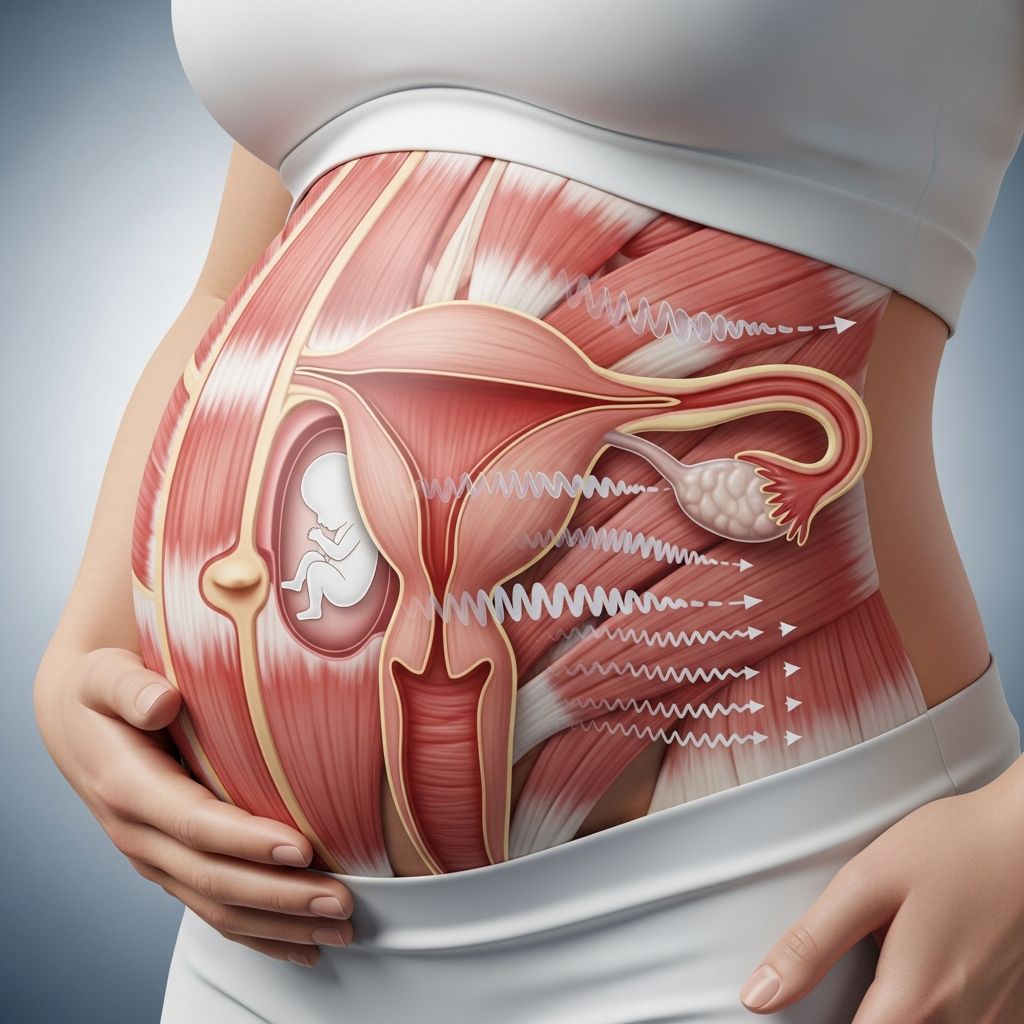
Seeing a positive result on a home pregnancy test marks the beginning of an exciting yet overwhelming journey. This moment calls for thoughtful actions to ensure both maternal and fetal health. Key initial steps involve verifying the result medically, scheduling professional care, and adopting supportive habits.
Confirming Your Pregnancy Results
Home tests detect human chorionic gonadotropin (hCG), a hormone produced post-implantation, but they warrant professional follow-up for accuracy. Blood tests at a clinic offer higher sensitivity, quantifying hCG levels to affirm viability. Repeating a home test after a few days can clarify faint lines, as hCG rises rapidly in early pregnancy.
Laboratory confirmation rules out rare false positives from medications or medical conditions. Clinics often provide free tests alongside ultrasounds to assess gestational age, location, and heartbeat, detecting issues like ectopic pregnancies early.
- Schedule a lab-quality blood test promptly.
- Consider a follow-up home test in 2-3 days if initial results are ambiguous.
- Seek ultrasound for viability confirmation around 5-6 weeks.
Scheduling Your First Prenatal Appointment
Contact an obstetrician or midwife immediately, as first visits fill quickly and ideally occur before 10 weeks. Providers review medical history, including menstrual cycles, past pregnancies, medications, and lifestyle factors like smoking or alcohol use.
Expect a physical exam, bloodwork, and due date estimation via last menstrual period (LMP) or early ultrasound. High-risk factors, such as age over 35, prompt earlier evaluations.
| Appointment Milestone | Timing | Purpose |
|---|---|---|
| First Prenatal Visit | 6-10 weeks | History review, blood tests, dating |
| Ultrasound | ~3 weeks post-positive test | Viability, heartbeat, location check |
| Blood hCG Repeat | 2-3 days after first | Monitor doubling (viability indicator) |
Starting Prenatal Vitamins and Nutrition
Initiate prenatal vitamins containing 400-800 mcg folic acid to prevent neural tube defects, plus iron, calcium, and vitamin D. Consult your doctor for personalized recommendations, as needs vary by diet and health.
Shift to a nutrient-rich diet: prioritize fruits, vegetables, whole grains, lean proteins, and dairy. Hydrate adequately and limit caffeine to under 200mg daily. Avoid raw fish, unpasteurized products, and excessive mercury fish for safety.
- Folic acid: Neural tube protection.
- Iron: Prevents anemia.
- Calcium & Vitamin D: Bone development support.
Lifestyle Adjustments for Early Pregnancy
Prioritize rest, as fatigue is common due to rising progesterone. Manage stress through deep breathing, light walks, or prenatal yoga—avoid high-impact activities.
Quit smoking and alcohol immediately, as they pose significant risks. Maintain moderate exercise like swimming or walking, but cease if painful. Track symptoms and report severe nausea, bleeding, or cramping promptly.
Emotional Processing and Support Networks
Allow time to absorb the news; share with trusted individuals or join anonymous communities for perspective. Professional counseling aids unexpected pregnancies, offering unbiased options discussion.
Calculate your due date using LMP: subtract 3 months, add 7 days, and 1 year (Naegele’s rule). Apps assist tracking.
Practical Preparations: Insurance and Work
Verify health insurance coverage for maternity care, including ultrasounds and delivery. Research employer maternity leave policies and benefits like pumps or nutritionists.
Gather family medical history for risk assessment. Begin prenatal classes or apps for education.
Common Early Pregnancy Milestones
Weeks 1-4: Implantation, hCG rise; confirm test.
Weeks 5-8: First appointment, heartbeat detection.
Weeks 9-12: Nuchal translucency scan option.
Frequently Asked Questions
When should I see a doctor after a positive test?
As soon as possible, ideally before 10 weeks for comprehensive care initiation.
Is a second home test necessary?
Not always, but useful for faint positives; wait 2-3 days for accuracy.
What if my hCG doesn’t double?
May indicate issues; ultrasounds provide clarity.
Can I exercise right away?
Yes, moderately; listen to your body and avoid risks.
How soon can I tell others?
Your choice—many wait past 12 weeks, but confide early for support.
Monitoring Health in the First Trimester
Watch for warning signs: heavy bleeding, dizziness, or intense pain require immediate care. Routine tracking fosters proactive management.
Embrace this phase with informed steps for optimal outcomes. Professional guidance ensures a smooth transition into parenthood.
References
- What Steps Should I Take After Receiving a Positive Pregnancy Test? — Elevier Women’s Center. 2023. https://elevier.org/what-steps-should-i-take-after-receiving-a-positive-pregnancy-test/
- What Now? Your Next Steps After a Positive Pregnancy Test — Oahu Pregnancy Center. 2024. https://www.oahupregnancycenter.com/blog/what-now-your-next-steps-after-a-positive-pregnancy-test
- Unsure what to do after a positive pregnancy test? Here’s a checklist — Flo Health. 2025. https://flo.health/getting-pregnant/trying-to-conceive/pregnancy-tests/what-to-do-after-positive-pregnancy-test
- Staying Sane After a Positive Pregnancy Test — Prelude Fertility. 2024. https://www.preludefertility.com/blog/staying-sane-after-a-positive-pregnancy-test
- What does getting a positive pregnancy test result mean? — Clearblue. 2025. https://www.clearblue.com/pregnancy-tests/positive-results
- I had a positive pregnancy test – now what? — OSF HealthCare. 2024-10-15. https://www.osfhealthcare.org/blog/first-time-pregnant-heres-what-to-expect