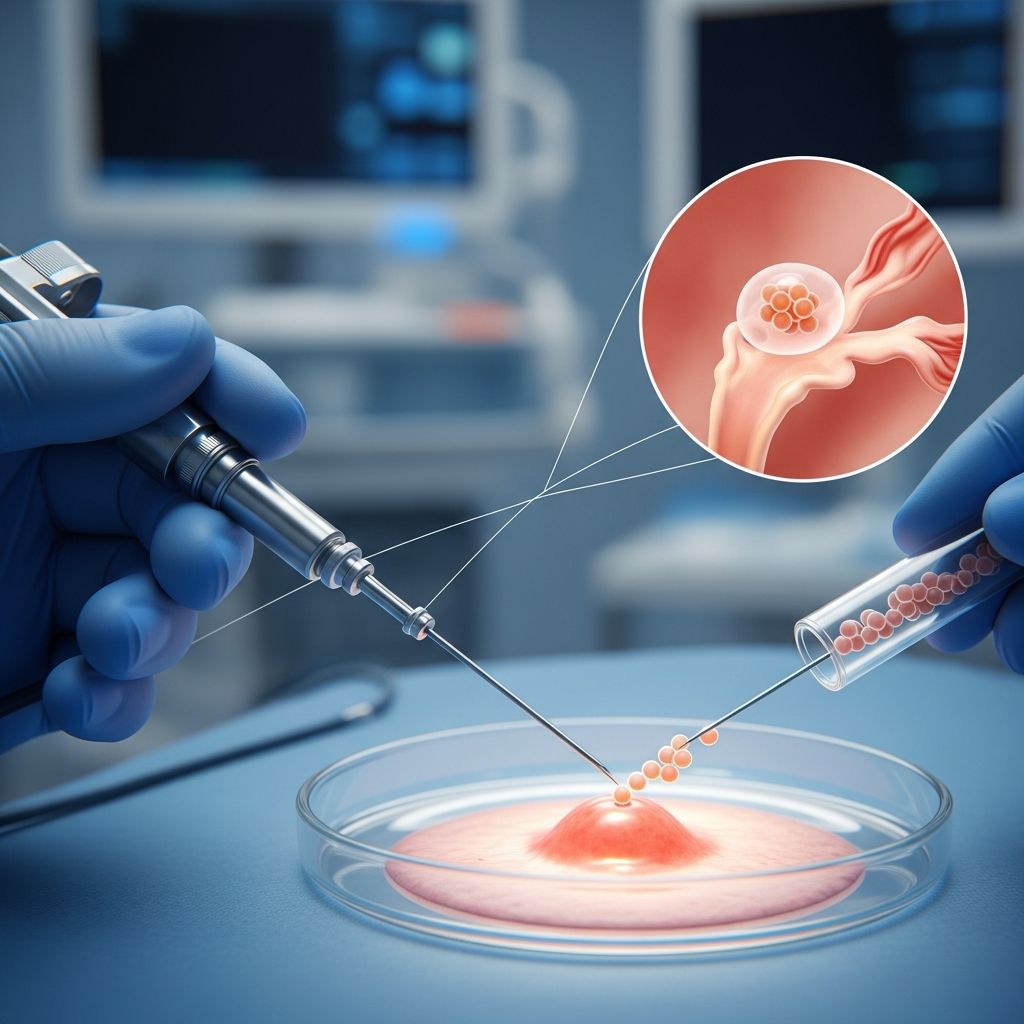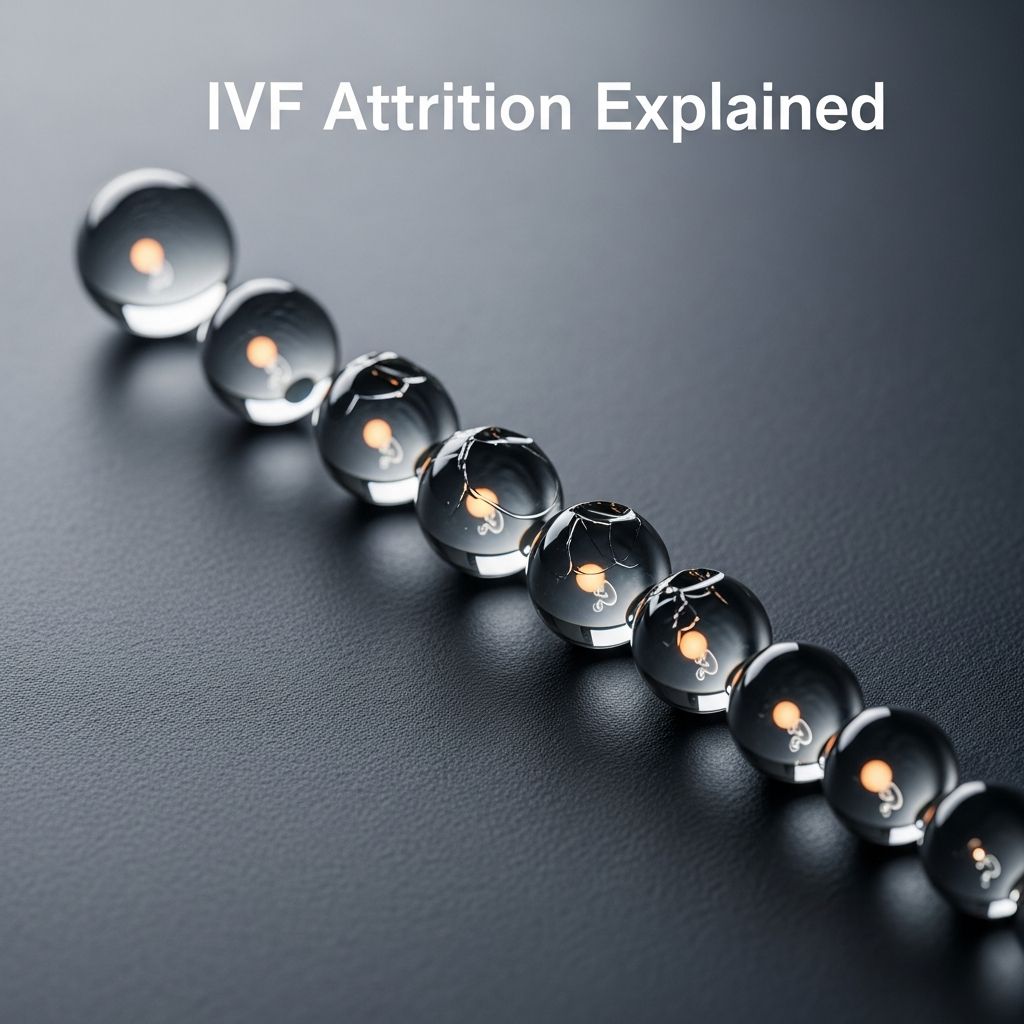
In vitro fertilization (IVF) offers hope to millions facing infertility, but a key challenge is IVF attrition—the inevitable reduction in viable eggs and embryos at each treatment stage. This natural process, often visualized as an “IVF funnel,” starts with many follicles and narrows to few transferable embryos, affecting success rates profoundly.
Defining IVF Attrition and Its Core Mechanism
IVF attrition describes the step-by-step decline in egg and embryo numbers from ovarian stimulation through pregnancy. Not all eggs retrieved mature, fertilize, develop fully, or implant successfully, creating a bottleneck that demands starting with ample eggs.
This phenomenon arises from biological realities: eggs may be immature, sperm-egg fusion fails, embryos arrest developmentally, or genetic issues emerge. Clinics track these losses to predict outcomes, emphasizing why higher initial yields correlate with live births.
Breaking Down the IVF Funnel: Stage-by-Stage Losses
The IVF process unfolds in distinct phases, each with attrition rates informed by clinical data. Understanding this sequence helps set realistic expectations.
- Ovarian Stimulation and Follicle Development: Hormones like FSH stimulate ovaries for 7-14 days, monitored via ultrasounds and bloodwork. Follicle count predicts egg yield, but not all grow maturely.
- Egg Retrieval: Eggs are aspirated; typically, 70-80% are mature. From 20 retrieved, expect 14-16 usable ones.
- Fertilization: Using standard IVF or ICSI, 70-80% of mature eggs fertilize. Losses occur from poor sperm quality or egg defects.
- Embryo Cleavage to Blastocyst: Only 40-50% reach day-5/6 blastocyst stage; many arrest due to chromosomal errors or apoptosis.
- Preimplantation Genetic Testing (PGT): If tested, 40-60% are euploid (normal), varying by age.
- Implantation and Pregnancy: Even euploid transfers succeed ~50-65%, with further attrition to live birth.
A typical progression from 20 eggs might yield 3-6 blastocysts and 1-2 euploids, highlighting the funnel’s narrowing.
Factors Driving Higher or Lower Attrition Rates
Attrition isn’t uniform; maternal age, gamete quality, and protocols influence it significantly.
| Factor | Impact on Attrition | Example Rates |
|---|---|---|
| Age | Older eggs (>35) have more aneuploidy, spiking losses post-fertilization. | Under 35: 50% blastocysts; Over 40: <20%. |
| Egg/Sperm Quality | Diminished ovarian reserve (DOR) or poor motility reduces yields early. | DOR: 2-5 eggs/cycle. |
| Stimulation Protocol | Mini-IVF (low-dose) yields fewer eggs, amplifying zero-embryo risk. | Mini: 2-5 eggs vs. Conventional: 10-20. |
| Lab Conditions | Optimal incubators mimic uterine environment, minimizing arrest. | Top labs: 50% blastocyst rate. |
Embryonic arrest—halting division for 24+ hours—stems from genetic glitches, failed maternal-to-zygotic transition (~10% fail), or excessive apoptosis in flawed cells.
Minimal vs. Conventional Stimulation: A Risk Comparison
Minimal stimulation IVF (mini-IVF) appeals for lower costs and milder effects but starts with 2-5 eggs, leaving little margin for attrition. One abnormal blastocyst means no transfer, unlike conventional cycles producing 10+ eggs for 2-4 quality embryos.
Clinics prioritizing success advocate conventional approaches for most, reserving mini for poor responders. Data shows higher live birth rates with robust stimulation, as more eggs buffer losses.
Strategies to Minimize Attrition and Optimize IVF Cycles
While attrition can’t be eliminated, proactive steps improve odds:
- Pre-Cycle Testing: AMH, AFC assessments predict response; address DOR early.
- Custom Protocols: Tailor FSH/LH doses; add adjuncts like letrozole for better yields.
- Lifestyle Tweaks: Optimize BMI, quit smoking, supplement CoQ10/DHEA (evidence-based for quality).
- Advanced Lab Tech: Time-lapse imaging detects arrest early; AI aids selection.
- Multiple Cycles: Bank embryos across rounds to amass euploids.
- Donor Options: For high attrition (e.g., advanced age), donor eggs bypass ovarian limits.
Reputable clinics minimize losses through expertise, though zero attrition remains impossible.
Emotional and Practical Impacts of Attrition
Facing zero embryos devastates, evoking helplessness amid high hopes and costs. Yet, each cycle varies—prior failures don’t doom future ones. Support groups, counseling, and transparent clinic communication aid coping.
Financially, attrition underscores banking embryos: one strong cycle may suffice multiple transfers, cutting cumulative expenses.
Age-Specific IVF Attrition Insights
Age dictates attrition:
- <35: Low losses; 15-20 eggs often yield 4+ euploids.
- 35-40: Moderate; focus on quality protocols.
- >40: High; donors recommended as own-egg live births drop <10%.
These trends, from aggregated clinic data, guide personalized planning.
Frequently Asked Questions About IVF Attrition
Can IVF attrition be completely prevented?
No, it’s inherent to biology, but expert clinics and optimal protocols reduce it significantly.
Why do embryos arrest during development?
Causes include chromosomal errors, apoptosis, or failed genome activation; ~40-50% reach blastocysts.
Is mini-IVF a good choice for everyone?
Not typically; fewer eggs heighten zero-embryo risk. Conventional suits most for higher success.
How many eggs are needed for IVF success?
Aim for 15-20 retrieved; yields 3-5 blastocysts, buffering attrition to 1+ euploid.
What if no embryos develop in one cycle?
Common; try again—egg quality fluctuates. Consider protocol tweaks or donors.
Future Directions in Reducing IVF Attrition
Emerging tech like CRISPR for genetic fixes, improved culture media, and AI embryo selection promise lower losses. Stem cell-derived gametes could revolutionize poor responders. Stay informed via trusted sources for evolving options.
Grasping IVF attrition empowers informed decisions, tempering optimism with realism. Consult specialists to tailor your path, turning the funnel’s challenges into pathways to parenthood.
References
- The Hidden Challenge of Minimal Stimulation IVF: Understanding Attrition in the IVF Process — Caperton Fertility Institute. 2023. https://www.capertonfertility.com/the-hidden-challenge-of-minimal-stimulation-ivf-understanding-attrition-in-the-ivf-process
- What If No Embryos Develop After Fertilization? Understanding IVF Embryo Attrition — Corion Fertility Clinic. 2024. https://corionfertilityclinic.com/what-if-no-embryos-develop-after-fertilization-understanding-ivf-embryo-attrition/
- How Many Eggs Do I Need to Retrieve to Have a Baby? — Boston IVF. 2025. https://www.bostonivf.com/resources/fertility-support/how-many-eggs-do-i-need-to-retrieve-to-have-a-baby
- How Many Eggs Are Ideal for IVF? Egg Count & Fertility Tips — RMA Network. 2024. https://rmanetwork.com/blog/number-of-eggs-good-ivf-in-vitro-fertilization/
- Why 85% of Eggs Don’t Become Embryos — And Why Mini IVF Is the Answer — New Hope Fertility Center. 2023. https://www.newhopefertility.com/blog/why-85-of-eggs-dont-become-embryos-and-why-mini-ivf-is-the-answer/
- Everything You Need to Know About the IVF Funnel — CNY Fertility. 2025. https://www.cnyfertility.com/ivf-funnel/