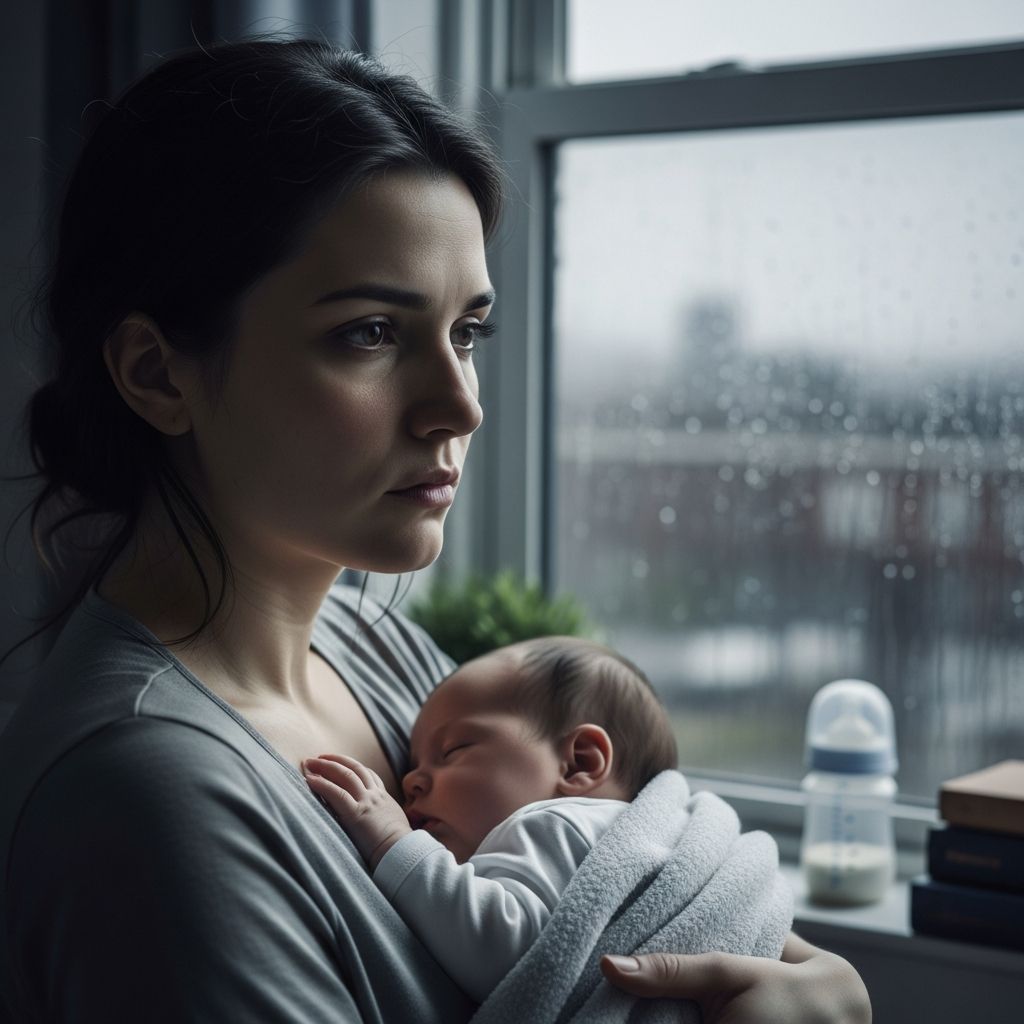
New mothers facing the dual blows of pregnancy loss and postpartum depression during the COVID-19 pandemic encountered unprecedented emotional turmoil. Social distancing, disrupted healthcare access, and severed support networks amplified these challenges, leading to heightened rates of mental health issues among postpartum women.
The Hidden Toll of Pandemic-Era Motherhood
The early months of the COVID-19 outbreak transformed childbirth into an isolating ordeal. Hospitals enforced strict visitor bans, partners were often barred from delivery rooms, and routine postpartum checkups were curtailed or canceled. These measures, while aimed at curbing viral spread, left new mothers navigating hormonal shifts, sleep deprivation, and infant care in near solitude.
Research reveals a stark uptick in postpartum depression (PPD) symptoms. Pre-pandemic prevalence hovered around 10-15%, but studies during the crisis reported rates climbing to 28.7% using standard screening tools like the Edinburgh Postnatal Depression Scale (EPDS). One analysis of over 278,000 postpartum surveys showed national U.S. rates rising from 6.5% to 7.7% by early 2021, with 36 states noting increases.
- Social restrictions canceled home visits and infant vaccinations, eroding formal support.
- Family visits evaporated, stripping informal aid during critical postpartum weeks.
- Unexpected policy shifts, like masked births or solo recoveries, fueled anxiety and grief.
These disruptions not only intensified isolation but also hindered early detection of PPD, a condition marked by persistent sadness, irritability, fatigue, and bonding difficulties with the newborn.
When Loss Compounds Postpartum Pain
Pregnancy loss adds layers of grief to the postpartum landscape. For mothers who endure miscarriage or stillbirth followed by a subsequent birth, unresolved mourning can merge with PPD, creating a perfect storm of emotional distress. The pandemic exacerbated this by limiting grief counseling and communal rituals like memorials.
Qualitative studies highlight themes of profound sadness: ‘Grieving the loss of normal’ and ‘A dark time’ dominated narratives from affected women. Many reported crying daily, intrusive thoughts, and self-doubt about parenting adequacy, symptoms worsened by spousal work demands and absent extended family.
| Risk Factor | Pre-Pandemic Impact | Pandemic-Exacerbated Impact |
|---|---|---|
| Social Isolation | Moderate contributor to PPD | Tripled depression rates due to lockdowns |
| Loss of Autonomy | Linked to delivery choices | Restricted births and feeding decisions |
| Support Network Disruption | Family help common | Canceled visits led to 18.6% EPDS positivity |
| Health Anxiety | General worries | COVID fears spiked in 1/3 of new moms |
This table summarizes key aggravators, underscoring how pandemic conditions turned manageable risks into crises.
Recognizing Symptoms Amid Chaos
PPD manifests differently but often includes overwhelming fatigue, appetite changes, feelings of worthlessness, and in severe cases, thoughts of harm. During COVID, additional red flags emerged: hypervigilance about infection, guilt over ‘missing’ ideal births, and strained partner dynamics from shared quarantines.
One in five screened women reported major depressive symptoms, with factors like NICU stays or formula feeding correlating to higher risks. Hormonal plummets post-delivery, combined with stress cortisol spikes, biologically primed vulnerability.
- Emotional Signs: Persistent tearfulness, numbness, or rage disproportionate to circumstances.
- Physical Signs: Insomnia despite exhaustion, headaches, or weakened immunity.
- Behavioral Signs: Withdrawal from baby bonding, neglect of self-care, or avoidance of social media ‘perfect parent’ posts.
Early screening via tools like EPDS is crucial; scores ≥13 indicate clinical concern. Yet, virtual check-ins often missed nuances, delaying interventions.
Personal Paths to Resilience
Stories of recovery illuminate hope. Many mothers, like those sharing online, turned to teletherapy, peer forums, and adaptive self-care. Virtual parenting classes filled gaps left by canceled in-person sessions, fostering connection.
Unexpected silver linings surfaced: fewer hospital visitors allowed intimate family bonding, and remote work enabled partners more home presence. One mother noted, ‘The quiet time helped us learn parenting as a team,’ turning isolation into strength.
Building routines—short walks, gratitude journaling, and infant massage—proved therapeutic. Nutrition and hydration countered biological lows, while apps tracked moods for pattern spotting.
Support Systems That Made a Difference
Formal aid via SAMHSA helplines and maternal mental health programs offered lifelines. Community groups adapted to Zoom, validating experiences and reducing shame. Partners’ roles evolved, with many stepping into hands-on caregiving amid restrictions.
Healthcare adaptations included postpartum safety protocols emphasizing mental screenings. Research stresses preserving both professional and familial support to mitigate PPD.
- Contact crisis lines for immediate relief.
- Seek providers trained in perinatal mood disorders.
- Join online mom communities for shared stories.
- Prioritize sleep through shift parenting.
- Monitor for 2+ weeks of symptoms; consult MD promptly.
Long-Term Lessons for Maternal Care
The pandemic exposed systemic gaps: underfunded mental health services, rigid hospital policies, and stigma around ‘new mom blues.’ Post-crisis data shows sustained PPD elevations, urging policy shifts like universal screenings and hybrid support models.
Protective factors—strong pre-birth planning, financial stability, and access to greenspaces—buffered some. States with lower COVID mortality paradoxically saw higher PPD due to intact but inaccessible networks, highlighting support’s primacy over direct threat.
Advocacy now pushes for resilient systems: telehealth permanence, paid family leave expansions, and culturally sensitive care. Mothers’ voices demand recognition that mental health is foundational to family thriving.
Frequently Asked Questions (FAQs)
What increased postpartum depression risks during COVID-19?
Social restrictions, lost support from family and professionals, and reduced autonomy in birthing/feeding choices significantly raised PPD prevalence to 13-28.7%.
Can pregnancy loss trigger or worsen PPD?
Yes, unresolved grief from miscarriage amplifies postpartum vulnerability, especially in isolating conditions like pandemics.
How do I know if it’s PPD or ‘baby blues’?
Baby blues resolve in 2 weeks; PPD persists with intense symptoms like hopelessness. Use EPDS screening and consult professionals.
Were there any positives to pandemic parenting?
Some found benefits in fewer visitors, deeper partner bonds, and focused family time, aiding recovery.
Where can I find help for PPD today?
Reach SAMHSA helplines, perinatal specialists, or apps like Flo for mood tracking and resources.
Building a Brighter Postpartum Future
From crisis emerges wisdom: Maternal mental health demands proactive investment. By destigmatizing struggles, bolstering networks, and innovating care delivery, societies can shield future mothers from compounded grief and isolation. Personal journeys, backed by data, affirm recovery’s possibility through connection and compassion.
References
- Becky on loss followed by postpartum depression during a pandemic — Mother.ly. 2020. https://www.mother.ly/motherhood-understood/becky-on-loss-followed-by-postpartum-depression-during-a-pandemicbecky-on/
- The effect of social restrictions, loss of social support, and loss of autonomy on postpartum depression during COVID-19 — PMC (Japan study). 2022-03-15. https://pmc.ncbi.nlm.nih.gov/articles/PMC8944109/
- A third of new moms had postpartum depression during early COVID — Michigan Medicine. 2022-11-46. https://www.michiganmedicine.org/health-lab/third-new-moms-had-postpartum-depression-during-early-covid
- Postpartum Depression Increased During Pandemic’s First Year — UVA Health. 2021. https://www.uvahealth.com/news/postpartum-depression-symptoms-increased-during-pandemic/
- Postpartum Depressive Symptoms and Experiences During COVID-19 — PMC. 2022. https://pmc.ncbi.nlm.nih.gov/articles/PMC8865026/
- Postpartum depression during the COVID-19 pandemic — Frontiers in Psychiatry. 2024. https://www.frontiersin.org/journals/psychiatry/articles/10.3389/fpsyt.2024.1393737/full
- SAMHSA – Substance Abuse and Mental Health Services Administration — SAMHSA.gov. 2026 (ongoing). https://www.samhsa.gov