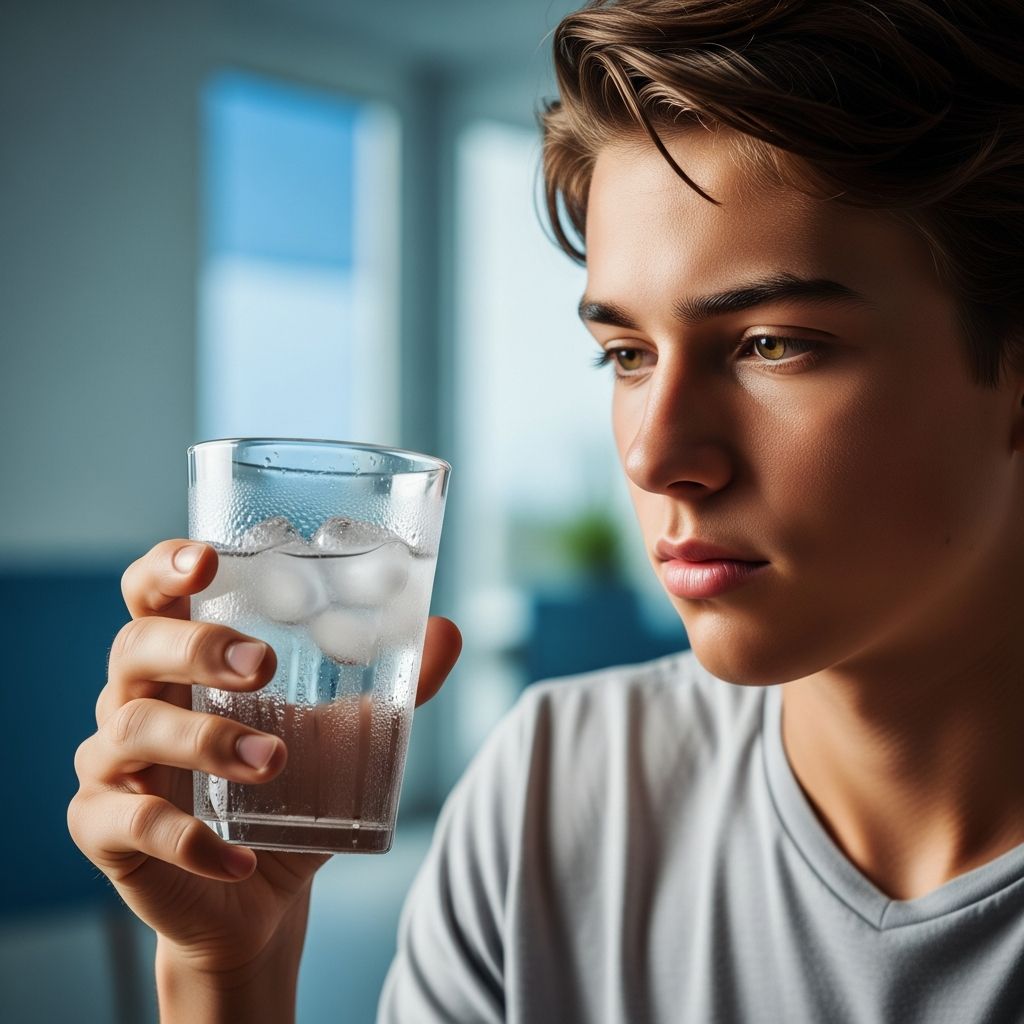
Feeling thirsty after sports, a salty snack, or a hot day is totally normal. But if you find yourself filling your water bottle over and over, waking up at night to drink, or never feeling satisfied no matter how much you drink, you might be dealing with polydipsia — the medical term for excessive thirst.
This guide is written for teens and their caregivers. It explains what polydipsia is, why it happens, how doctors figure out the cause, and what to do if you think you drink way more than you should.
What Exactly Is Polydipsia?
Polydipsia means having an unusually strong and constant urge to drink fluids, often together with peeing more than normal (called polyuria).
Doctors start to get concerned when:
- You feel thirsty almost all the time, even when you drink regularly.
- You wake up at night multiple times just to drink or pee.
- You drink large amounts of fluid daily, far more than your usual intake.
Polydipsia itself is not a disease. It is a symptom that something else is going on in the body, such as high blood sugar, hormone problems, dehydration, or psychological stress.
Normal Thirst vs. Problem Thirst
Everyone gets thirsty. The key is knowing when thirst is expected and when it may be a warning sign.
| Normal Thirst | Polydipsia (Excessive Thirst) |
|---|---|
| Triggered by exercise, heat, or salty foods | Happens most of the day, unrelated to activity or weather |
| Improves quickly after drinking | Does not feel fully relieved even with lots of fluid |
| Peeing a normal amount | Frequent, large-volume urination (polyuria) |
| Happens only sometimes | Lasts days to weeks or longer |
| No major weight change or illness signs | May be joined by weight loss, tiredness, or other symptoms |
Why Might a Teen Have Polydipsia?
There are many possible reasons for excessive thirst. Some are simple and short-term, while others can be serious and require quick medical attention.
1. High Blood Sugar and Diabetes
One of the most important causes of polydipsia in teens is diabetes, especially type 1 diabetes. When blood sugar (glucose) becomes very high, the kidneys try to get rid of the extra sugar by passing it into the urine. Sugar pulls water with it, leading to:
- Frequent, heavy urination (polyuria).
- Loss of fluid from the body.
- Strong thirst as the body attempts to replace lost water.
Common signs that polydipsia might be related to diabetes include:
- Needing to pee a lot, including at night.
- Unexplained weight loss.
- Feeling extremely hungry or tired.
- Blurred vision.
- More frequent infections or slow-healing sores.
Very high blood sugar can lead to a dangerous condition called diabetic ketoacidosis (DKA), where early warning signs include extreme thirst and frequent urination, and later symptoms can include nausea, vomiting, breathing trouble, confusion, and even coma if not treated.
2. Dehydration
Sometimes polydipsia simply means your body is trying to fix dehydration, which happens when you lose more fluid than you take in.
Causes of dehydration in teens can include:
- Heavy sweating during sports or in hot weather.
- Vomiting or diarrhea from illness.
- Fever or infections.
- Not drinking enough during the day.
Dehydration symptoms may include:
- Dry mouth, lips, or eyes.
- Dark yellow urine or not peeing much.
- Headache or lightheadedness.
- Tiredness and nausea.
Severe dehydration can lead to dizziness, confusion, and even collapse and needs urgent medical treatment.
3. Diabetes Insipidus
Diabetes insipidus (DI) is a different condition from diabetes mellitus (type 1 or type 2 diabetes). In DI, the problem is with the hormone that helps the kidneys control how much water your body saves or loses.
In DI:
- The body cannot properly concentrate urine.
- You pass large amounts of very dilute (watery) urine.
- Thirst becomes intense as your body tries to replace the fluid.
Teens with DI may drink and pee many liters of fluid per day, and often wake up multiple times at night to urinate. DI can be caused by problems in the brain (where the hormone is made) or in the kidneys (where the hormone acts).
4. Psychogenic or Primary Polydipsia
In some teens, excessive thirst is not driven by blood sugar or hormone problems, but by habitual or psychological factors. This is sometimes called psychogenic polydipsia or primary polydipsia.
Features can include:
- Very high fluid intake, often water, sometimes more than 6–8 liters per day.
- A strong urge to drink, even when the body does not need more fluid.
- Links to stress, anxiety, or psychiatric conditions in some cases.
Drinking extreme amounts of water can be dangerous because it may dilute the sodium level in your blood (called hyponatremia), which can cause headaches, confusion, seizures, and in severe cases, brain swelling and coma.
5. Medications and Other Medical Conditions
Certain medicines and illnesses can also cause polydipsia or polyuria, such as:
- Some diuretics (“water pills”) that increase urination.
- High calcium levels in the blood.
- Kidney disease.
- Hormone disorders affecting salt and water balance.
Because there are so many possible causes, it is important not to guess. A health professional can sort out what is behind your thirst.
Key Warning Signs to Watch For
Polydipsia can be mild or serious. You should seek medical advice if you notice any of these patterns:
- You are thirsty most of the day for more than a few days in a row.
- You pass large amounts of urine frequently, including overnight.
- You suddenly start drinking much more than you used to.
- You feel thirsty even when your mouth is not dry and you are drinking plenty.
Get urgent medical help if polydipsia is combined with:
- Vomiting, abdominal pain, or deep, difficult breathing.
- Fruity or acetone-like breath (possible sign of DKA in diabetes).
- Severe tiredness, confusion, dizziness, or fainting.
- Seizures, sudden changes in behavior, or trouble staying awake.
How Doctors Check Excessive Thirst
When you see a doctor about constant thirst, they will usually:
1. Ask Detailed Questions
You may be asked about:
- How long you have felt this way.
- Exactly how much you drink in a day and how often you pee.
- Nighttime drinking or urination.
- Changes in weight, appetite, vision, mood, or energy levels.
- Recent illness, stress, medications, or supplements.
2. Perform a Physical Exam
The doctor will check your:
- Vital signs (blood pressure, heart rate, temperature).
- Signs of dehydration (dry mouth, skin turgor, sunken eyes).
- Weight and growth pattern.
- General health, including signs that might point to diabetes or hormonal issues.
3. Order Lab Tests
Tests that may be done include:
- Blood glucose test (finger-stick or lab draw) to check for diabetes.
- Urinalysis to look for sugar, ketones, or signs of infection.
- Electrolytes (sodium and others) to see if the body’s salt and water balance is normal.
- Kidney function tests.
If diabetes insipidus or primary polydipsia is suspected, a specialist may perform more advanced tests, such as a carefully supervised water deprivation test or hormone/copeptin measurements, to see how your body concentrates urine and regulates water.
Treatment: What Happens After a Diagnosis?
The treatment for polydipsia depends completely on the cause. There is no single “thirst pill” that works for everyone.
Treating Diabetes-Related Polydipsia
If excessive thirst is linked to diabetes, treatment focuses on:
- Normalizing blood sugar with insulin (for type 1 diabetes) or other medicines.
- Developing a healthy eating and activity plan.
- Teaching you how to monitor your blood glucose and recognize warning signs.
As blood sugar levels improve, polydipsia and polyuria usually get much better.
Managing Diabetes Insipidus
For diabetes insipidus, treatment may include:
- Hormone replacement (such as desmopressin) for central DI.
- Adjusting medicines or managing underlying kidney issues in nephrogenic DI.
- Careful guidance on safe fluid intake and monitoring.
With proper treatment, many teens with DI can keep thirst and urination under control and lead active lives.
Addressing Dehydration
If dehydration is the main cause, treatment usually involves:
- Replacing lost fluids with water and oral rehydration solutions.
- Treating the trigger (such as vomiting, diarrhea, or fever).
- Coaching on how much to drink before, during, and after exercise or hot weather.
Supporting Teens with Psychogenic Polydipsia
When excessive drinking is related to stress, anxiety, or habit, a support plan may include:
- Counseling or therapy to address underlying emotional issues.
- Gradually reducing excessive fluid intake under medical supervision.
- Monitoring blood sodium levels to avoid dangerous water overload.
Healthy Habits for Teens Around Drinking Fluids
Even if your thirst turns out to be normal, it helps to build smart hydration habits.
- Drink regularly throughout the day instead of chugging all at once.
- Use urine color as a basic guide: light yellow usually means you are well hydrated; dark yellow can mean you need more fluids.
- Increase fluids in hot weather, during sports, or when sick.
- Limit very sugary beverages, which can spike blood sugar and add extra calories.
- Listen to your body: if thirst is unusually strong or constant, do not ignore it — talk to a trusted adult or health professional.
Frequently Asked Questions (FAQs)
How do I know if I’m drinking too much water?
There is no single “right” number of cups for everyone, but if you are constantly drinking, often feel uncomfortably full, or wake up many times at night to pee, that can be a sign you are overdoing it. Extremely high intake (several liters above your usual) without a clear reason should be checked by a doctor, especially if you feel headaches, nausea, confusion, or seizures, which can signal low blood sodium from water overload.
Can polydipsia go away on its own?
If it is caused by something short-term, like a brief illness, hot weather, or a few days of hard training, thirst often returns to normal once your body recovers and you rehydrate. But if polydipsia is due to diabetes, diabetes insipidus, kidney problems, or psychological causes, it usually continues until the underlying issue is diagnosed and treated. That is why ongoing excessive thirst should never be ignored.
Is it always diabetes if I’m very thirsty?
No. Diabetes is an important cause that must be ruled out, but many other conditions — including dehydration, certain medicines, hormone issues, and psychogenic polydipsia — can also lead to excessive thirst. Only testing and a full evaluation can sort out the difference, so self-diagnosing based on thirst alone is not reliable.
What should I track before seeing a doctor?
It can help to keep a simple log for a few days that notes approximately how much you drink, how often you pee (especially at night), any weight changes, and other symptoms like tiredness, blurred vision, headaches, or mood changes. Bring this information, along with a list of medications or supplements you take, to your appointment. It gives your healthcare provider a clearer picture and can speed up diagnosis.
Can I prevent polydipsia?
You cannot prevent every cause, such as type 1 diabetes or some hormone disorders, but you can lower risks linked to dehydration by drinking regularly, protecting yourself during exercise and heat, and seeking medical care early when you are sick. Managing stress, getting enough sleep, and speaking up about emotional struggles may also help reduce habits like compulsive drinking in some teens.
References
- Psychogenic polydipsia in a female adolescent without a psychiatric disorder — Vandenbussche K et al., Clinical Case Reports. 2021-04-08. https://pmc.ncbi.nlm.nih.gov/articles/PMC8077289/
- Polydipsia (excessive thirst): Causes, when to see a doctor, and more — Medical News Today. 2017-05-01 (updated). https://www.medicalnewstoday.com/articles/318213
- Polyuria-polydipsia in an athletic teenager — Endocrine Abstracts (ECE 2022). 2022-05-21. https://www.endocrine-abstracts.org/ea/0081/ea0081ep783
- What Is Polydipsia? Definition, Causes, Treatments — WebMD. 2021-09-15. https://www.webmd.com/diabetes/polydipsia-thirsty
- 5 Common Causes Of Excessive Thirst Or Polydipsia — 1mg Health Articles. 2019-08-14. https://www.1mg.com/articles/5-common-causes-of-excessive-thirst-or-polydipsia/