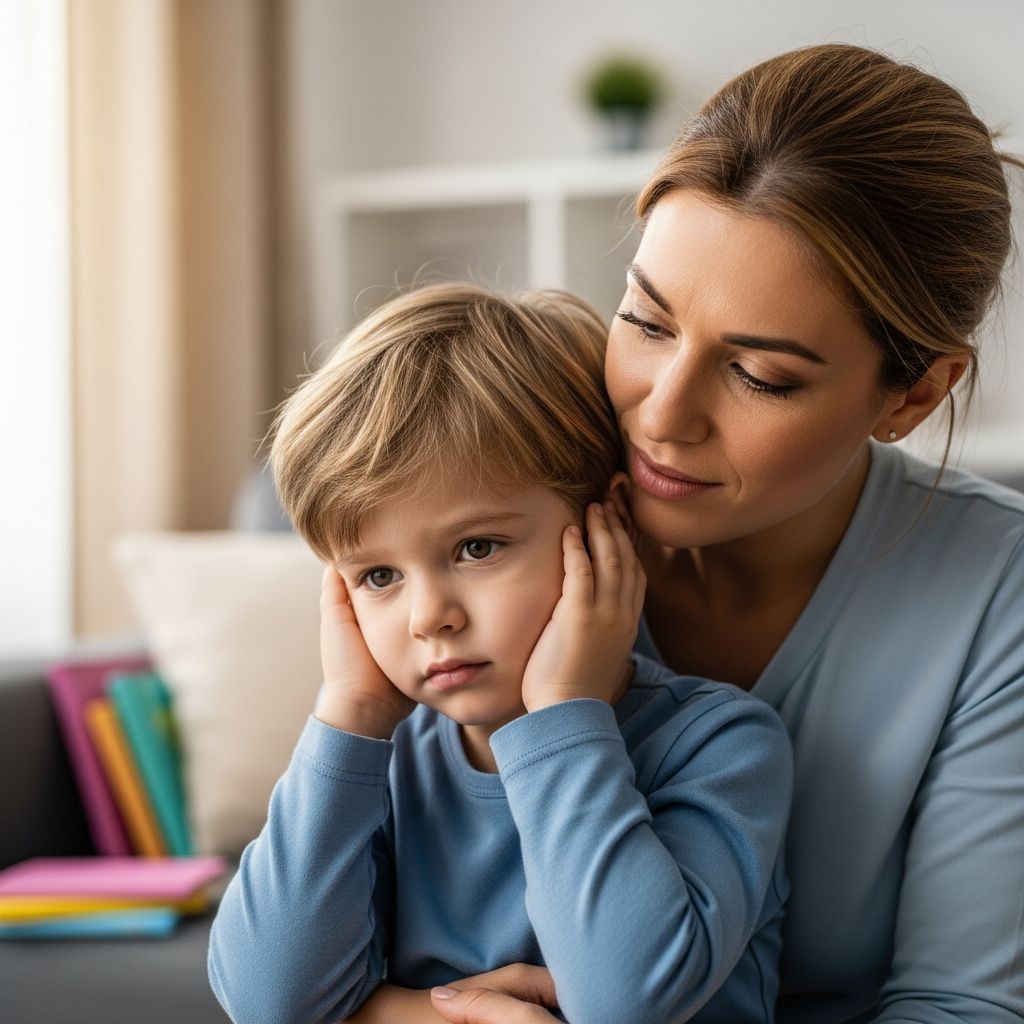
Ear pain is one of the most common reasons children wake at night, cry suddenly, or ask to see a doctor. This guide explains what might be behind a child’s earache, how to keep them comfortable at home, and how to recognize signs that require urgent medical care.
Why Ear Pain Matters in Children
Most earaches in children are not emergencies, but they can be very uncomfortable and worrying. Understanding what ear pain can signal helps parents act calmly and appropriately. Quick recognition of red flag symptoms also reduces the risk of complications such as hearing problems or more serious infections.
Because young children often cannot clearly explain what hurts, caregivers must rely on behaviors, body language, and a few simple checks at home to decide on the next step.
Common Reasons Kids Get Earaches
Many different conditions can cause ear pain, and not all of them start inside the ear itself. Some problems come from the ear canal or middle ear, while others are related to the throat, teeth, or sinuses but are felt in the ear.
- Middle ear infection (acute otitis media): Often follows a cold or respiratory infection and causes pressure and fluid behind the eardrum.
- Fluid without infection: Thick fluid may linger in the middle ear after an infection or allergy flare, causing fullness or mild pain.
- Swimmer’s ear (outer ear infection): Irritation and infection of the ear canal, often after swimming or bathing.
- Earwax buildup: Hardened wax can block the canal and lead to discomfort or muffled hearing.
- Foreign object: Small toys, beads, or bits of food placed in the ear can cause pain and infection.
- Ear canal injury: Scratches from cotton swabs, fingernails, or other objects can be painful.
- Teething or dental problems: Pain from erupting teeth, cavities, or gum infections can radiate to the ear.
- Sore throat or sinus congestion: Inflammation in nearby areas may be felt as ear pressure or pain.
- Changes in air pressure: Airplane travel or driving in mountains can briefly stretch the eardrum and cause sharp discomfort.
How Earaches Feel and Look: Typical Symptoms
Older children might say their ear “hurts,” “feels full,” or “sounds muffled,” while younger children may simply cry or pull at one ear. Paying attention to patterns and associated symptoms can help you understand what is going on.
- Ear pain ranging from dull ache to sharp or stabbing discomfort.
- Fussiness, crying more than usual, or trouble being soothed.
- Poor sleep, especially worsening pain when lying flat.
- Reduced appetite, sometimes due to increased pain when swallowing.
- Temporary difficulty hearing, asking “What?” often, or turning up the TV.
- Fever, especially with infections of the middle ear or throat.
- Fluid draining from the ear (clear, cloudy, bloody, or pus-like).
- Itching, redness, or swelling around the ear canal, more typical of swimmer’s ear.
In babies and toddlers, signs are often non-specific, such as rubbing the side of the head, refusing the bottle, or appearing uncomfortable when placed down after feeding.
Home Check: Simple Questions Before You Panic
Before deciding whether your child needs urgent care, it helps to do a quick, calm assessment at home. Ask yourself the following questions and note the answers.
- Has the child had a recent cold, flu, or stuffy nose?
- Is there a fever, and if so, how high?
- Did the pain start suddenly during a flight or car ride in the mountains?
- Has the child been swimming in a pool, lake, or ocean recently?
- Is there any fluid or blood coming out of the ear?
- Does the child seem extremely ill, unusually sleepy, or difficult to wake?
- Does the child have other symptoms such as severe headache, stiffness in the neck, or facial weakness?
The answers to these questions guide whether you can try comfort measures at home first or need prompt medical evaluation.
Safe Ways to Comfort a Child With Ear Pain
While waiting to speak with a healthcare professional or for an appointment, parents can usually offer several safe measures to help relieve discomfort. These steps do not replace medical evaluation when it is needed but can make a child much more comfortable.
- Over-the-counter pain relievers: Use children’s formulations of pain medicine exactly as directed by dose and age instructions. If unsure, ask a healthcare professional about the correct dose and whether it is safe for your child.
- Warm compress: A warm (not hot) washcloth held gently against the ear for 10–15 minutes at a time may reduce pain and muscle tension.
- Upright position: Keeping a child slightly elevated instead of flat can ease pressure in the middle ear, particularly at night.
- Fluids and comfort: Offer frequent sips of water, breast milk, or formula, and provide extra cuddling or quiet activities to distract from pain.
- Nasal saline and humidified air: For congestion-related discomfort, saline nose drops or spray, followed by gentle suction in babies, may help clear mucus. A cool-mist humidifier can keep air from becoming too dry.
Avoid offering aspirin to children and teens for pain relief because of the risk of rare but serious side effects. Always check medications for age restrictions and active ingredients before giving them.
What Not to Do for Earaches
Some well-meaning home remedies can actually make ear pain worse or cause lasting damage. When in doubt, do less inside the ear and seek professional guidance.
- Do not put cotton swabs, hairpins, or other objects into the ear canal.
- Do not place herbal oils, essential oils, or homemade drops into the ear without medical approval, especially if there might be a hole in the eardrum.
- Do not attempt to remove foreign objects or deep earwax at home; this can push material further in or scratch the canal.
- Do not use leftover antibiotic ear drops or pills prescribed for another person or a previous illness.
- Do not ignore persistent pain that lasts more than a day or two, even if symptoms seem mild.
When to Call the Doctor or Seek Urgent Care
Some earaches can be safely monitored at home for a short time, but others require same-day evaluation. Use the signs below to help decide how quickly to seek care.
| Situation | Recommended Action |
|---|---|
| Severe ear pain, child looks very ill, or pain wakes the child repeatedly at night | Contact the doctor or urgent care the same day for assessment. |
| Ear pain plus fever in a baby under 6 months | Seek medical care promptly; young infants need closer evaluation. |
| Ear pain with drainage of pus or blood from the ear | Call the doctor right away; avoid putting anything in the ear canal. |
| Ear pain after a hard blow to the head or a serious fall | Seek emergency care to rule out internal injury or eardrum damage. |
| Earache plus stiff neck, strong headache, confusion, or extreme drowsiness | Go to the emergency department; these can be signs of a serious infection. |
| Mild ear pain without fever in a child who otherwise seems well | Offer comfort measures and call the doctor during office hours if pain persists beyond 24–48 hours. |
How Earaches Are Evaluated and Treated
During a clinic visit, a healthcare professional will ask about symptoms, recent illnesses, and any ear injuries or foreign objects. They will look into the ear with a lighted instrument to check the eardrum’s color, position, and mobility, as well as the canal and surrounding skin.
Treatment depends on the cause and severity of symptoms and may include:
- Observation and pain control: In some cases, especially mild middle ear infections, careful monitoring with pain relief may be recommended rather than immediate antibiotics.
- Antibiotics: These may be prescribed for bacterial infections of the middle ear or outer ear when indicated by age, severity, or risk factors.
- Prescription ear drops: For swimmer’s ear and some other canal problems, antibiotic or anti-inflammatory drops are commonly used.
- Removal of wax or foreign objects: Healthcare professionals have safe tools and techniques to clear blockages without damaging the ear.
- Referral to a specialist: Repeated infections or persistent fluid may lead to a visit with an ear, nose, and throat (ENT) specialist to discuss further options, including possible ear tubes.
Preventing Earaches: Everyday Strategies
While not every earache can be prevented, certain habits lower the chance of ear infections and reduce irritation of the ear canal. These habits also support overall respiratory and immune health.
- Keep vaccinations up to date, including those aimed at preventing respiratory and ear-related infections.
- Wash hands frequently and teach children to avoid touching their nose, mouth, and face with unwashed hands.
- Limit exposure to tobacco smoke and other irritants that increase congestion and ear problems.
- Use ear protection such as swim caps or doctor-approved earplugs if a child is prone to swimmer’s ear.
- Dry ears gently after bathing or swimming by patting the outer ear with a towel; avoid inserting objects into the canal.
- Encourage upright feeding in infants and avoid bottle propping, which can increase fluid in the middle ear.
Earaches and Hearing: What Parents Should Know
Temporary hearing changes are common during an ear infection or when fluid lingers behind the eardrum. Children may seem to “ignore” parents, watch screens louder than usual, or mishear words.
In most cases, hearing returns to normal once the infection or fluid clears. However, repeated infections or very long-lasting fluid can affect speech and language development, so children with frequent ear problems or prolonged hearing concerns should be checked by a professional.
Frequently Asked Questions About Children’s Earaches
Can an earache go away without antibiotics?
Yes, some ear infections and other causes of ear pain improve on their own with time, rest, and pain relief. Whether antibiotics are needed depends on the child’s age, the severity of symptoms, and the specific diagnosis made by a healthcare professional.
Is pulling on the ear always a sign of infection?
Not always. Babies and toddlers often discover their ears and pull on them out of curiosity or when they are tired or teething. Persistent ear pulling combined with crying, fever, or trouble sleeping is more likely to signal a true ear problem.
Are ear drops safe to use at home?
Over-the-counter drops designed to soften earwax can be helpful in some cases, but they should not be used if there is any chance of a hole in the eardrum or if there is active drainage. Prescription ear drops should only be used as directed by a healthcare professional.
When are ear tubes considered?
Small tubes placed through the eardrum may be recommended for children with frequent ear infections or fluid that does not clear over time and is affecting hearing. The decision is made case by case, usually in consultation with an ENT specialist.
Can flying with an ear infection make things worse?
Changes in air pressure during flights can increase discomfort if a child already has congestion or an ear infection. Chewing, swallowing, or drinking during takeoff and landing may help equalize pressure. It is wise to ask the child’s doctor for guidance before flying if an ear infection is suspected.
Key Takeaways for Parents
Earaches in children are common, painful, and often linked to colds, fluid buildup, or irritation from water or objects in the ear. Most are manageable with thoughtful home care and timely medical advice.
By recognizing warning signs, avoiding unsafe remedies, and keeping regular healthcare visits, parents can protect their child’s ears, comfort them more effectively, and seek help quickly when it truly matters.