Menstruation, often called a “period,” is a normal part of growing up for most people with a uterus. It can feel confusing or even scary at first, but understanding what is happening in your body makes it much easier to handle.
What Is a Period, Really?
Each month, your body prepares for a possible pregnancy by building up a soft lining inside the uterus. When pregnancy does not happen, that lining breaks down and leaves your body as blood and tissue through the vagina. This monthly shedding is your period. It is a sign that your body has entered a new stage of development and that your reproductive system is working.
Even though it is called a “monthly” cycle, your body is doing much more behind the scenes than just bleeding. Hormones from your brain and ovaries help release an egg and control the thickening and shedding of the uterine lining. These hormonal changes are also the reason you might notice mood shifts, cramps, or changes in energy around your period.
When Periods Usually Begin
Most teens get their first period sometime between ages 10 and 15. Some start earlier, some later, and both can be completely normal. What matters more than the exact age is that your body moves through puberty in a steady way: breast development, growth spurts, and hair in new places usually come before periods.
Many people notice signs that their first period is approaching. These might include breast budding, growth of hair under the arms and around the pubic area, and a white or clear vaginal discharge appearing in their underwear months before bleeding starts. If you are worried that you have not started your period yet by around age 15, or you developed breasts more than three years ago but still have no period, it is a good idea to talk with a healthcare provider.
What Happens in the Menstrual Cycle?
The menstrual cycle is the full process your body goes through from the first day of one period to the first day of the next. Even though the bleeding may only last a few days, the entire cycle usually takes about three to five weeks. During that time, your hormones rise and fall, an egg may be released, and the lining of the uterus changes thickness.
For teens, cycles are often irregular during the first couple of years. Your body is still adjusting to new hormone patterns, so your period may show up early one month, late the next, or even skip a month. Keeping a simple record of your periods can help you notice your own pattern over time.
| Feature | Common Range | What It Means |
|---|---|---|
| Cycle length | About 21–45 days | Shorter or longer cycles can be normal in the first years after your first period. |
| Bleeding days | 2–7 days | Most teens bleed for a few days, with the heaviest flow in the first part of the period. |
| Flow amount | Light to moderate | Needing to change pads or tampons every few hours is typical; soaking through every hour is not. |
Common Signs and Symptoms
Your body may give you hints that your period is coming soon. These changes are often caused by hormone shifts and may happen days before bleeding begins. Some people feel only mild symptoms, while others feel them more strongly.
- Mild cramping in the lower belly or back
- Feelings of bloating or fullness
- Breast tenderness
- Mood changes, such as irritability or sadness
- Acne breakouts or changes in skin oiliness
- Feeling more tired than usual
These symptoms are often grouped under the term premenstrual syndrome (PMS). While PMS can be uncomfortable, simple strategies like rest, gentle movement, and over-the-counter pain relief (with adult or medical guidance) usually make a big difference. If your symptoms stop you from going to school, social activities, or sports on a regular basis, talk with a healthcare provider, because stronger treatments are available.
Period Products: What Are Your Options?
There are several ways to manage menstrual bleeding, and no one product is right for everyone. You might try a few different options before deciding what feels most comfortable and practical for your body and lifestyle.
| Product | How It Works | Pros | Things to Consider |
|---|---|---|---|
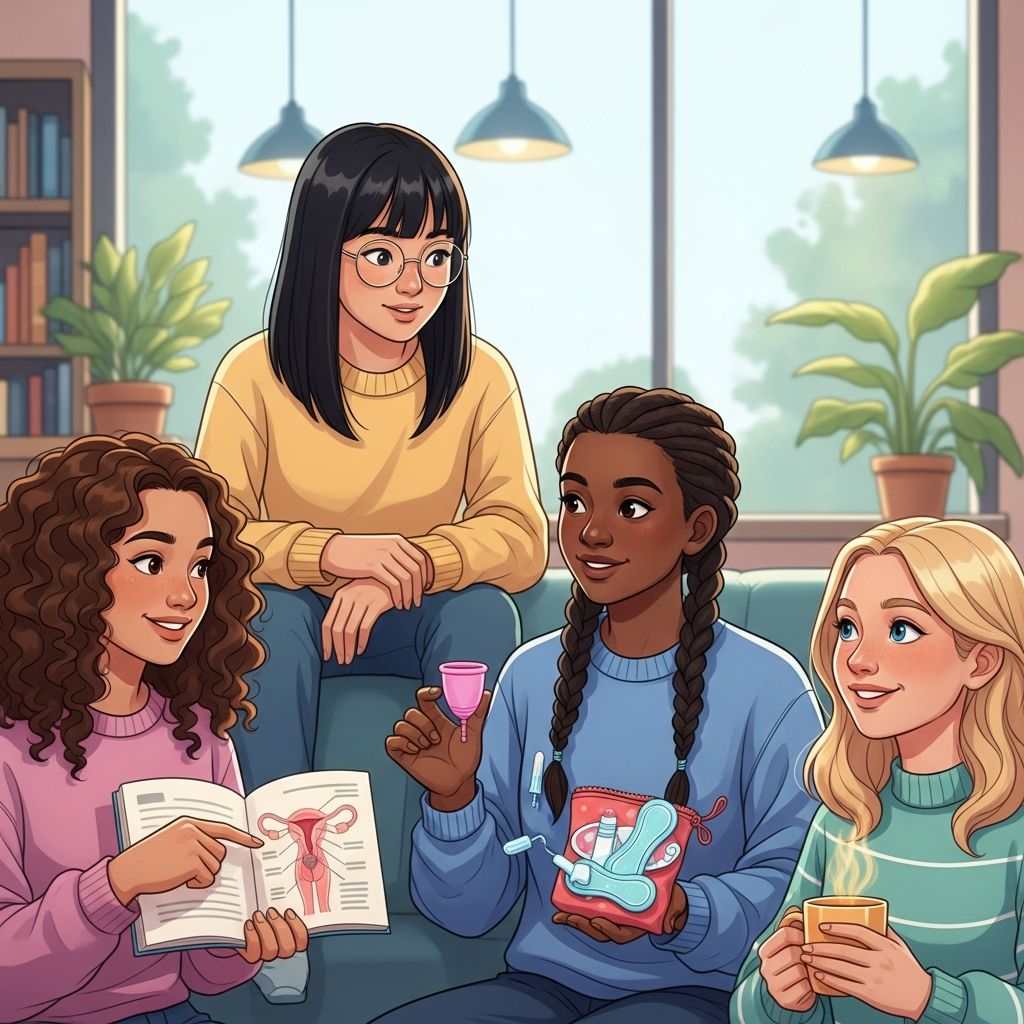
| Pads | Stick to your underwear and absorb blood from the outside of the body. | Easy to use; good for first periods; no insertion needed. | Can feel bulky; may show under tight clothing if very thick. |
| Tampons | Placed inside the vagina to absorb blood close to the source. | Discrete; good for swimming and sports; less feeling of wetness. | Require insertion; must be changed regularly to reduce infection risk. |
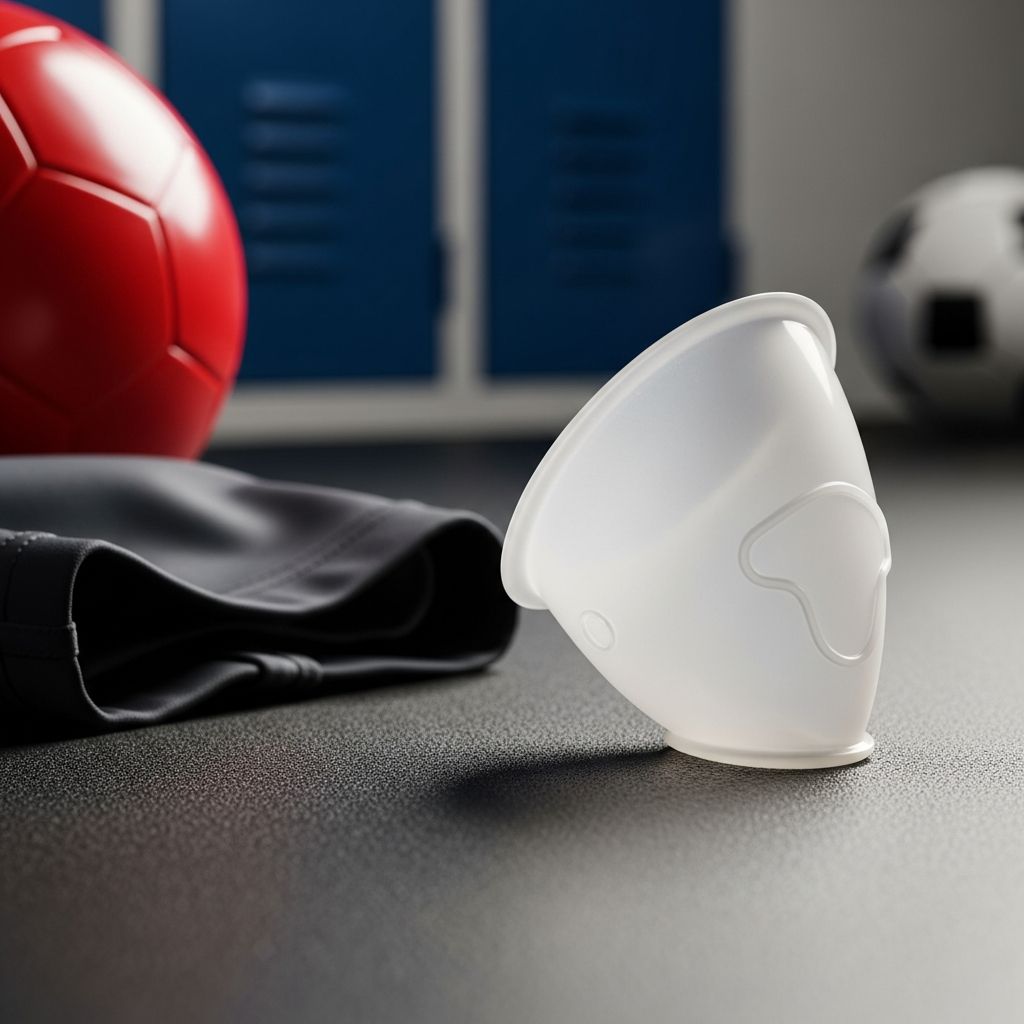
| Menstrual cups | Flexible cup placed in the vagina to collect blood. | Reusable; cost-effective over time; can be worn for several hours. | Takes practice to insert and remove; needs cleaning between uses. |
| Period underwear | Special underwear with built-in absorbent layers. | Comfortable; good backup for heavy days; reusable. | Requires washing; may need more than one pair to rotate. |
Whichever product you choose, aim to change it regularly, usually every 3–6 hours, or more often on heavy days. At night, using a long, more absorbent pad or period underwear can help protect your sheets while you sleep.
Basic Period Hygiene and Self-Care
Good hygiene during your period keeps you comfortable and helps prevent irritation and infections. It does not need to be complicated; simple habits make a big difference.
- Change pads, tampons, cups, or period underwear as directed, and more often if they feel full or uncomfortable.
- Wash your hands before and after changing any period product.
- Rinse the outside of your genital area with warm water once a day; there is no need for special scented soaps or sprays.
- Avoid douching or putting soaps inside the vagina, as this can upset natural bacterial balance and cause irritation.
- Wear breathable cotton underwear and change it daily, or more often if it becomes soiled.
Self-care also includes resting when you are tired, staying hydrated, and eating regular meals. Some teens find that light exercise, like walking or stretching, actually eases cramps and boosts energy, even if it feels hard to start.
Tracking Your Cycle
Keeping track of your periods gives you useful information about your health. It can help you notice patterns in your mood, cramps, and flow, and it is very helpful if you ever need to talk with a healthcare provider about your cycle.
You can track your cycle by marking the first day of bleeding on a calendar, using a notes app, or trying a period-tracking app that lets you record symptoms, flow, and more. After a few months, you will usually start to see an average cycle length and be able to guess when your next period may show up.
What Counts as “Normal” and What Does Not?
Because everyone’s body is different, there is a wide range of what is considered normal for periods. Over time, most teens develop a cycle that settles into a somewhat predictable rhythm, even if it is not exactly the same every month. Learning what is typical for you is just as important as knowing the general guidelines.
Still, there are warning signs that something may not be right. Talk to a parent, guardian, or trusted adult and see a healthcare provider if you notice problems like very heavy bleeding, very painful cramps, or long gaps with no period after you have started menstruating. Early help can often prevent small problems from becoming bigger ones.
Signs to Talk to a Healthcare Provider
- Your period has not started by age 15, especially if other puberty changes began a few years earlier.
- You have very strong cramps that do not improve with rest, heat, or non-prescription pain medicine.
- You bleed for more than seven days, or you soak through pads or tampons every hour for several hours in a row.
- Your cycles become suddenly very irregular after being stable for a long time.
- You feel dizzy, faint, or extremely tired during your period.
Periods, Emotions, and Daily Life
Periods are not just a physical change; they can also affect emotions, confidence, and daily routines. It is common to feel embarrassed, nervous, or unsure at first, especially if your period starts at school or in a public place. Planning ahead and having supplies on hand makes these situations easier to manage.
- Keep a small pouch with pads or other products in your backpack or locker.
- Consider carrying an extra pair of underwear and a plastic bag, just in case of leaks.
- Talk with a trusted friend or adult about your period so you know who you can ask for help when needed.
Remember that you do not have to skip activities during your period unless you feel unwell. With the right products and pain relief, most people can still participate in sports, swimming, and social events throughout their cycle.
Periods and Pregnancy Awareness
Getting a period means your body is capable of becoming pregnant if sperm enters the vagina and fertilizes an egg. This can happen even if your cycles are irregular or you have only had a few periods. For that reason, understanding basic sexual health and contraception is important once you begin menstruating, even if you are not sexually active.
If you ever have unprotected sex or are worried you might be pregnant, do not wait to ask questions. Speak with a trusted adult or healthcare provider as soon as possible. They can explain your options, help you get testing if needed, and talk about ways to protect yourself in the future.
Healthy Habits for More Comfortable Periods
Small lifestyle choices can make a noticeable difference in how you feel during your period. You do not have to change everything about your routine, but paying attention to sleep, movement, and food can reduce discomfort.
- Stay hydrated: Drinking water can help reduce bloating and fatigue.
- Move your body: Gentle exercise improves blood flow and releases natural chemicals that relieve pain and improve mood.
- Use heat: A warm pack or hot water bottle on your lower belly or back can ease cramps.
- Prioritize sleep: Aim for a regular sleep schedule, especially during your period, when your body is working hard.
- Choose balanced foods: Eating regular meals with fruits, vegetables, whole grains, and protein supports energy and helps limit blood sugar swings.
Frequently Asked Questions (FAQs)
1. Is it normal for my first periods to be irregular?
Yes. In the first couple of years after your first period, it is very common for cycles to be irregular. Your body is still adjusting to hormone changes, so your period may not arrive at the same time every month or may skip occasionally. Over time, most cycles become more predictable.
2. How much bleeding is too much?
Bleeding that soaks through a pad or tampon every hour for several hours, lasts longer than about a week, or comes with severe dizziness or weakness can be a sign of heavy bleeding that needs medical attention. If you are unsure, it is always safer to check with a healthcare provider, especially if heavy flow makes you feel unwell.
3. Do painful cramps mean something is wrong?
Mild to moderate cramps are very common and usually not a sign of a serious problem. They often improve with heat, rest, stretching, or over-the-counter pain medicine taken as directed. If pain is so strong that you regularly miss school or activities, or it does not improve with these methods, talk to a healthcare provider to rule out conditions that may need treatment.
4. Can I swim or play sports on my period?
Yes. You can usually swim, run, dance, or play any sport while on your period as long as you feel comfortable. Many people use tampons, menstrual cups, or snug-fitting period swimwear for water activities, while pads and period underwear can work well for land-based sports. Staying active may even help reduce cramps and boost your mood.
5. What if I get my first period away from home?
This happens to many people, and it is okay to ask for help. If you are at school, you can talk with a school nurse, counselor, or trusted teacher; most schools keep pads on hand. If you are with a friend or relative, let them know what is happening so they can help you find supplies. Using toilet paper as a temporary pad until you get proper products is fine in an emergency.
6. Will having a period change my life a lot?
At first, having a period might feel like a big change, because you have to remember products, track your cycle, and deal with new sensations. After a few months, it usually becomes just one part of your routine. With information, support, and practice, most teens find that periods fit into their everyday lives without stopping them from doing what they love.
Final Thoughts
Periods are a natural sign that your body is moving through puberty and into a new stage of development. Understanding how menstruation works, what is typical, and how to care for yourself gives you more confidence and control. If you ever feel unsure, overwhelmed, or worried about anything related to your period, reaching out to a trusted adult or healthcare provider is a strong, responsible choice—your questions and your health always matter.