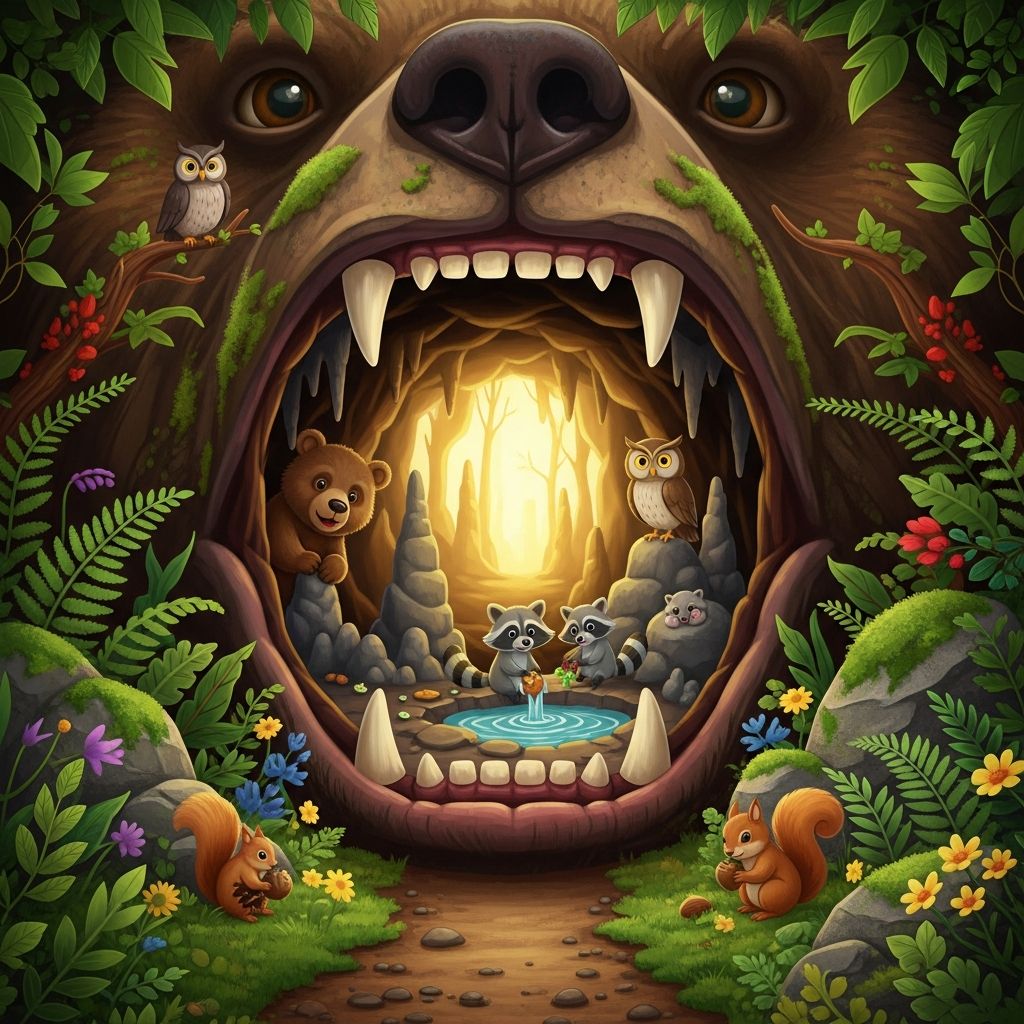
Turning a closet or corner of the living room into a bear cave is more than just a fun way to pass the time—it’s a powerful learning opportunity for young children. By pretending to be bears waking from hibernation, kids explore animal behavior, practice empathy, and stretch their imaginations in a safe, playful setting. This simple game can be adapted for toddlers and preschoolers, and it naturally weaves in early science concepts like seasons, food sources, and animal needs, all while keeping energy high and learning invisible.
Why Pretend Play Matters
Pretend play is one of the most important ways young children make sense of the world around them . When a child crawls into a blanket fort and says, “I’m a bear,” they’re not just copying an animal; they’re practicing perspective-taking, language, and problem-solving .
- They learn to think like another creature: What does a bear want? Where does it go? How does it move?
- They build vocabulary by naming actions (crawl, roar, dig, swim) and objects (cave, river, berries, honey).
- They strengthen emotional skills by acting out hunger, tiredness, and excitement in a controlled, playful way .
Games like the bear cave adventure tap into this natural drive to imagine, making them ideal for teaching without worksheets or lectures .
Setting Up the Bear Cave
The beauty of this game is that it requires almost no special supplies—just a bit of space and a willingness to play along. A closet, a corner with pillows and blankets, or even a large cardboard box can become a cozy bear den .
- Use blankets, cushions, and soft toys to create a “cave” where everyone can lie down together.
- Add a few stuffed animals (bears, birds, or forest creatures) to spark more story ideas.
- Dim the lights slightly or use a small flashlight to make the cave feel more mysterious and safe.
For older preschoolers, invite them to help design the cave: “Where should the entrance be? Should there be a river nearby? What kind of trees grow around our cave?” This gives them ownership and deepens their engagement .
How the Game Unfolds
Start by lying down in the cave and pretending to be bears who have been asleep all winter. Close your eyes and breathe slowly, like a hibernating bear . After a few quiet moments, one child (or an adult) can call out, “Wake up! I’m hungry!” and everyone stirs, stretches, and roars like groggy bears.
- From the cave, the bears crawl out on all fours, looking for food: honey in a “beehive” (a pillow or cushion), berries in a “bush” (a corner or chair), and fish in a “river” (a hallway or rug edge).
- Encourage exaggerated movements: heavy crawling, loud roars, and big chewing motions to make the experience vivid.
- When bellies are full, the bears return to the cave, curl up, and pretend to nap again—ready to restart the adventure if the child wants another round.
This simple loop—sleep, wake, search, eat, rest—mirrors the real life of bears and gives children a clear, repeatable story structure they can understand and expand on .
What Kids Learn from the Bear Cave
While it feels like pure fun, the bear cave game quietly introduces several key concepts from early science and social-emotional learning .
Animal Behavior and Needs
Children begin to grasp that animals have basic needs: food, water, shelter, and safety . As bears, they experience hunger and the need to find food, which leads naturally to questions like:
- What do bears eat in the wild? (berries, fish, honey, plants)
- Where do they sleep? (in caves, under trees, in dens)
- Why do they sleep so long in winter? (to save energy when food is scarce)
These ideas lay the foundation for later learning about habitats, seasons, and survival .
Seasons and Hibernation
The game is a perfect hook for talking about winter and hibernation. Explain that real bears sleep for months in winter because it’s cold and there’s little food, then wake up in spring when it’s warmer and food is easier to find .
- Compare bears to other animals: some birds fly south, squirrels store nuts, and frogs hide in mud.
- Use simple props like a calendar or seasonal pictures to show how the year changes.
- Ask: “What would our bear do in summer? In fall? In spring?” to encourage thinking across seasons.
This helps children connect their play to real-world patterns in nature .
Empathy and Perspective-Taking
When a child says, “I’m a hungry bear,” they are stepping into another being’s shoes . This builds empathy by helping them imagine how another creature might feel.
- Ask gentle questions: “How does the bear feel when it wakes up? What does it want? What might scare it?”
- Introduce simple ideas about respecting animals: “Bears need space. We don’t go into their caves. We watch from far away.”
- Discuss how people and animals can share the same forest or park by being careful and kind.
These conversations nurture compassion and a sense of responsibility toward living things .
Adapting the Game for Different Ages
The bear cave can be kept simple for toddlers or expanded into a longer story for preschoolers, depending on the child’s attention span and interests .
For Toddlers (1–3 years)
- Focus on movement and sounds: crawling, roaring, and simple actions like “find honey” or “eat berries.”
- Use short, clear phrases: “Bear is hungry. Bear finds honey. Bear eats yum yum.”
- Repeat the same sequence several times; repetition helps toddlers feel secure and learn language.
Keep sessions short (5–10 minutes) and follow the child’s lead—if they want to nap longer, let them rest .
For Preschoolers (3–5 years)
- Add a simple story: “Last winter, our bear slept in the cave. Now it’s spring, and the bear is exploring the forest.”
- Introduce obstacles: a “river” to cross, a “muddy patch” to squelch through, or a “storm” with wind sounds.
- Invite them to plan the adventure: “Where should the bear go next? What will it find? What should it avoid?”
This encourages planning, storytelling, and problem-solving, all while keeping the bear theme central .
Extending the Learning Beyond the Game
Once the bear cave game becomes a favorite, it’s easy to build on it with books, art, and outdoor play .
Books and Stories
- Read picture books about bears and hibernation, such as Bear Snores On, When Winter Comes, or Over and Under the Snow.
- After reading, act out scenes from the book in the bear cave or create a simple puppet show with paper plate bears.
- Ask: “How is our bear like the bear in the story? How is it different?” to compare fiction and real animals.
Simple Nature and Science Activities
- Go on a “bear hunt” walk in a park or backyard, looking for signs of animals (tracks, nests, holes in trees).
- Create a “bear’s pantry” with toy food or pictures: sort items into “bear eats” and “bear doesn’t eat.”
- Do a simple experiment: place a small toy bear in a “cave” (box) and “hibernate” it for a few days, then “wake it up” and talk about what changed.
Art and Craft Ideas
- Make paper plate bears, bear masks, or a bear cave collage from construction paper and fabric scraps.
- Paint or draw what the bear sees in the forest: trees, rivers, berries, and other animals.
- Create a “bear journal” where children draw or dictate what their bear did each day (e.g., “Today my bear found honey and napped.”).
These activities reinforce vocabulary, fine motor skills, and the connection between play and real-world knowledge .
Benefits at a Glance
The bear cave game supports multiple areas of development in a single, joyful activity .
| Skill Area | How the Game Helps |
|---|---|
| Language & Communication | Children practice new words (hibernate, cave, berries, river) and build simple sentences through storytelling . |
| Physical Development | Crawling, roaring, and moving like a bear strengthen gross motor skills and body awareness . |
| Cognitive Skills | Children learn about cause and effect (bear wakes → bear is hungry → bear finds food) and seasonal changes . |
| Social-Emotional Growth | Role-playing helps children express feelings (hunger, tiredness, excitement) and practice empathy for animals . |
| Imagination & Creativity | The open-ended nature of the game encourages original ideas and flexible thinking . |
Common Questions (FAQs)
How long should a bear cave game last?
For toddlers, 5–10 minutes is usually enough; for preschoolers, 10–20 minutes works well. Follow the child’s cues—if they’re still engaged, keep playing; if they’re getting restless, wind it down naturally .
What if my child doesn’t want to stop playing?
It’s common for kids to want to repeat the game over and over. Set a gentle limit (“We’ll play two more rounds, then it’s time for lunch”) or transition by saying, “Our bear is very tired now and needs to rest until tomorrow” .
Can I play this with more than one child?
Absolutely. Multiple children can be different bears (mama bear, cub, big bear, small bear) or even different forest animals (birds, squirrels, foxes). This encourages cooperation, turn-taking, and group storytelling .
What if my child is afraid of bears or the dark?
Keep the tone light and silly. Emphasize that this is pretend play and that the bears are friendly. If needed, start with a different animal (like a bunny or bird) and gradually introduce bears once the child feels more comfortable .
Can this game be played outdoors?
Yes! Use a tent, a playhouse, or a natural shelter like a large bush or fallen log as the bear cave. Outdoor play adds sensory experiences (grass, dirt, wind) and connects children more directly to nature .
Simple Tips for Parents and Caregivers
- Join in fully: Roar, crawl, and “eat” imaginary food with enthusiasm to model imaginative play.
- Ask open-ended questions: “What does the bear want to do next? What does it see in the forest?”
- Let the child lead: If they want to be a flying bear or a bear who loves ice cream, go with it—creativity matters more than realism.
- Keep it low-pressure: The goal is fun and connection, not a perfect performance or lesson.
- Use everyday spaces: A closet, hallway, or corner of the living room is all you need to start.
Over time, this simple bear cave adventure can become a cherished routine that blends play, learning, and family connection in a way that feels natural and joyful .