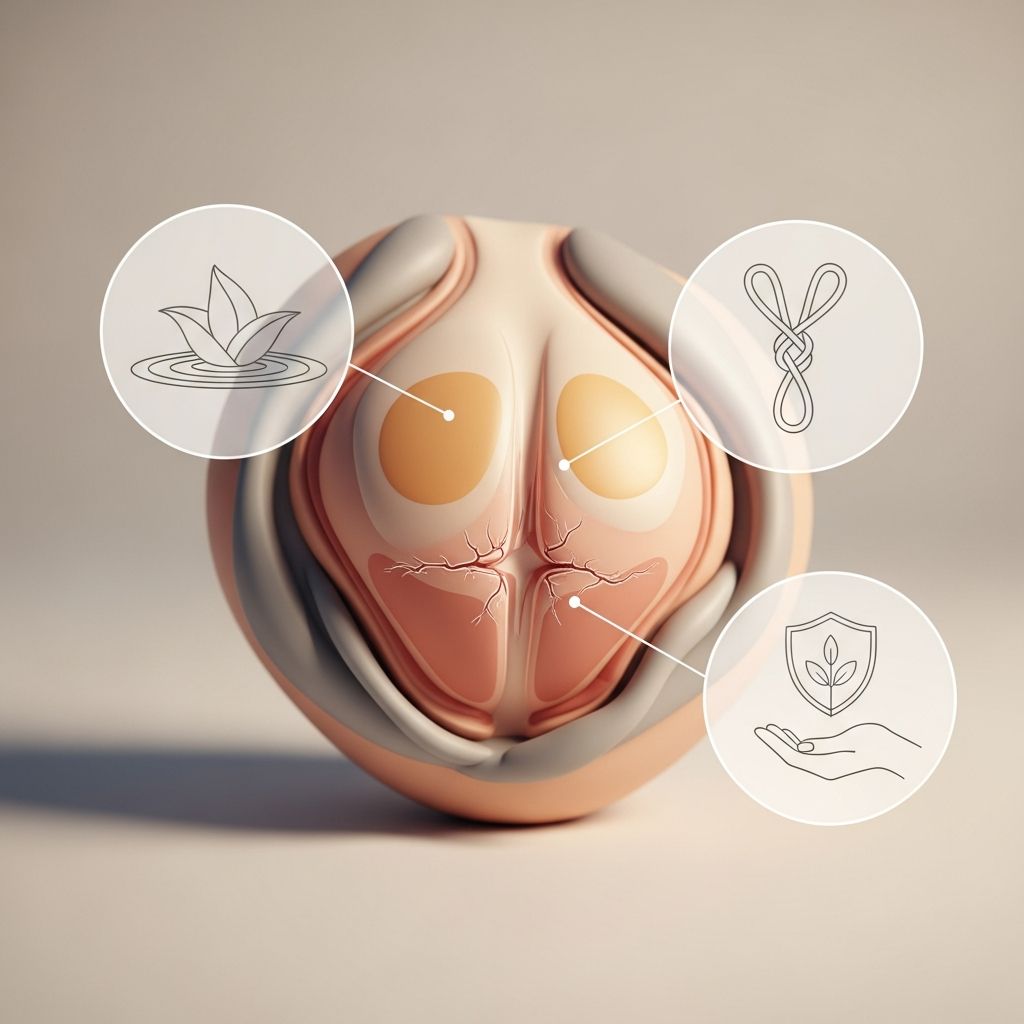
Understanding Perineal Trauma During Labor
The perineum—the tissue between the vagina and anus—undergoes significant stretching during vaginal delivery. As the baby’s head descends through the birth canal, this delicate area experiences considerable pressure and stress. Many pregnant women worry about what might happen to their perineum during labor and whether they should be concerned about tearing or surgical intervention. Understanding the difference between natural tears and surgical cuts, along with current medical practices, can help expectant parents make informed decisions about their birth experience.
Defining the Two Types of Perineal Injury
Natural Perineal Tears
A natural perineal tear occurs spontaneously during the pushing stage of labor as the baby’s head emerges through the birth canal. The perineum stretches to accommodate the baby’s passage, and sometimes the tissue cannot stretch enough and separates on its own. These tears vary greatly in severity, ranging from minor surface-level injuries to more extensive damage involving deeper muscle tissue.
Episiotomy: A Surgical Incision
An episiotomy is a deliberate surgical incision made by a healthcare provider—typically a doctor or midwife—in the perineum during the second stage of labor. Unlike natural tears that happen spontaneously, an episiotomy is performed intentionally with surgical instruments, usually scissors or a scalpel. The incision is generally small and angled diagonally, extending from the back of the vaginal opening downward and to one side. The purpose is theoretically to create more space for the baby to emerge or to prevent more severe tearing from occurring.
Classification of Perineal Injuries
Healthcare professionals classify both tears and episiotomies based on their depth and extent of tissue damage. Understanding these classifications helps expectant mothers grasp the severity spectrum of perineal injuries.
- First-degree injuries: These affect only the outermost layers—the skin and vaginal lining—without involving the underlying muscle tissue. They typically heal quickly with minimal intervention.
- Second-degree injuries: These extend deeper to include the perineal muscles along with the skin. They require stitches and may feel sore for one to two weeks but generally do not cause long-term complications.
- Third-degree injuries: These involve damage to the anal sphincter complex, with subdivisions based on the extent of sphincter involvement. They require surgical repair in an operating room rather than the delivery room.
- Fourth-degree injuries: The most severe classification, these extend completely through the anal sphincter complex to the anal lining. They necessitate careful surgical repair and have the highest risk for long-term complications.
Severe perineal trauma typically refers to third- or fourth-degree injuries. Research indicates that approximately 6 in 100 first-time mothers experience these more serious injuries, compared to less than 2 in 100 women who have given birth previously.
When Healthcare Providers Recommend Episiotomy
Modern obstetric practice emphasizes selective rather than routine episiotomy. This means healthcare providers only recommend the procedure when specific clinical circumstances warrant it. The National Institute for Health and Care Excellence (NICE) and other major medical organizations identify several situations where episiotomy may be beneficial:
- Instrumental delivery assistance: When forceps or vacuum (ventouse) extraction is needed to help deliver the baby, an episiotomy widens the vaginal opening to facilitate instrument placement and reduce resistance.
- Fetal distress: If the baby’s heart rate becomes abnormally fast or slow, indicating distress, healthcare providers may perform an episiotomy to expedite delivery and minimize fetal compromise.
- Maternal health conditions: Women with serious health conditions—such as heart disease or other complications requiring rapid delivery—may benefit from an episiotomy to shorten the second stage of labor.
- Previous genital mutilation: Women who have experienced Female Genital Mutilation (FGM) may have an episiotomy offered as part of their birth plan.
- Breech presentation: When the baby is positioned to be born bottom- or feet-first rather than head-first, an episiotomy may help facilitate delivery.
It is important to note that having a previous significant tear does not automatically mean you will have an episiotomy in future births. Each birth is evaluated individually based on current circumstances rather than past injuries.
The Shift Away From Routine Episiotomy
For decades, routine episiotomy was considered standard preventive practice. Healthcare providers believed that making a small, controlled cut would prevent larger, irregular tears from occurring naturally. However, modern research has fundamentally changed this understanding.
The pivotal discovery is that routine episiotomy actually increases the risk of severe tearing rather than preventing it. When an episiotomy incision is made, the surrounding tissue becomes weakened at that point. As the baby’s head continues to descend, this surgical cut can extend further than it would have if no incision had been made initially. What might have been a minor natural tear can become a severe laceration because the episiotomy provided a pathway for more extensive splitting.
Evidence from comparative studies shows that selective episiotomy—using the procedure only when clinically indicated—results in better outcomes for mothers than routine use. Current medical guidelines from organizations including NICE recommend moving away from routine episiotomy in favor of supporting the perineum and allowing natural stretching to occur whenever possible.
Pain and Discomfort Considerations
Both natural tears and episiotomies require sutures and can result in similar short-term complications. Women may experience acute pain, bleeding, and infection with either type of perineal injury. Additionally, both can contribute to dyspareunia—pain during sexual intercourse—in the weeks and months following birth.
The key difference lies in the long-term implications. Because episiotomy incisions can precipitate more severe tearing than would occur naturally, women who have episiotomies are paradoxically at higher risk for the complications associated with more severe injuries. This reinforces why selective rather than routine use has become the evidence-based standard.
Recovery and Healing Expectations
Regardless of whether the injury is a natural tear or surgical episiotomy, the initial healing process involves similar steps. Both are closed using dissolvable stitches that do not require removal. The stitches typically dissolve naturally over the first few weeks postpartum.
For minor injuries, most women can expect the initial soreness to resolve within one to two weeks as tissue begins to knit together. More severe injuries require longer healing periods and have greater potential for ongoing discomfort. Many new mothers benefit from:
- Proper wound care and hygiene practices
- Pain management strategies including ice packs in the immediate postpartum period
- Pelvic floor physical therapy when recommended by healthcare providers
- Open communication with healthcare providers about healing progress
Anesthesia and Pain Management During the Procedure
If an episiotomy is deemed necessary, healthcare providers typically offer local anesthesia to minimize discomfort unless the situation is an obstetrical emergency requiring immediate action. Women who already have epidural anesthesia in place will not feel the episiotomy incision. For those without regional anesthesia, local anesthetic injection numbs the perineal area before the cut is made.
Only in urgent situations where the baby’s life or the mother’s health is at immediate risk will an episiotomy be performed without anesthesia. In nearly all other circumstances, pain relief is offered as standard practice.
Spontaneous Tearing: Natural Outcomes Without Intervention
Research examining the frequency of perineal trauma during spontaneous vaginal delivery reveals that estimates vary. Some older studies suggested trauma occurred in up to 85 percent of births, though these figures often included episiotomies in the count. More recent retrospective data shows different patterns, with studies documenting that approximately 34 percent of women experience first- or second-degree tears during vaginal delivery without routine episiotomy.
This data demonstrates that many women give birth without significant perineal trauma, and most who do tear experience minor injuries that heal without long-term consequences. The body’s natural stretching mechanisms are often sufficient to accommodate the baby’s passage without surgical intervention.
Comparing Outcomes: Natural Tears Versus Episiotomy
| Factor | Natural Tears | Episiotomy |
|---|---|---|
| Cause | Spontaneous stretching beyond tissue capacity | Intentional surgical incision |
| Risk of severe injury | Prevents routine trauma, varies with circumstances | Can extend to worse tears if routine use occurs |
| Need for sutures | Only if tearing occurs | Always requires stitching |
| Short-term pain | Depends on tear severity | Similar to tear requiring stitches |
| Long-term complications | Less likely with minor/moderate tears | Higher risk if leads to worse tearing |
| Current recommendation | Supported; allow to occur naturally when possible | Reserved for specific medical indications |
Informed Decision-Making During Pregnancy
Expectant parents should discuss perineal care and episiotomy with their healthcare providers during pregnancy. Understanding when episiotomy might be indicated—and when it is not necessary—helps families make informed choices about their birth plans. Many hospitals and birthing centers now emphasize perineal support techniques during pushing to encourage natural stretching and reduce both spontaneous tearing and the need for surgical intervention.
Healthcare providers can discuss individual risk factors, previous birthing history, and any specific concerns to create a birth plan that addresses the family’s preferences while maintaining flexibility for circumstances that develop during labor.
Frequently Asked Questions
Will I definitely tear or need an episiotomy during childbirth?
No. Many women deliver vaginally without significant perineal trauma. The occurrence and severity of tearing vary based on individual factors including the baby’s size, positioning, and the woman’s tissue elasticity. Routine episiotomy is no longer standard practice.
Which is worse for recovery—a natural tear or an episiotomy?
This depends on severity. Minor natural tears often heal more quickly than episiotomies because they do not occur in all births. However, the concern with routine episiotomy is that surgical cuts can extend into more severe tears, potentially causing worse recovery outcomes than natural tearing would have caused.
Can I request not to have an episiotomy?
Yes. Current medical guidelines support selective episiotomy only when medically indicated. You can discuss your preferences with your healthcare provider during pregnancy. However, if circumstances during labor require episiotomy for your or your baby’s safety, your provider may recommend it regardless of prior preferences.
How long does recovery take from perineal injury?
Initial soreness from minor tears typically improves within one to two weeks. More severe injuries require longer healing. Complete tissue healing takes several months, though most women return to normal activities well before then.
What can I do to reduce the risk of severe tearing?A: Techniques include pelvic floor exercises during pregnancy, perineal massage in the weeks before delivery, controlled pushing during labor, and working with your healthcare team to use proper support techniques during the pushing stage.
Q: Will perineal injury affect sexual function long-term?
Most women recover normal sexual function after minor to moderate perineal injuries. More severe injuries may require additional recovery time and sometimes pelvic floor physical therapy. Discuss any concerns with your healthcare provider.
References
- Perineal tears and episiotomy during childbirth — National Childbirth Trust (NCT). https://www.nct.org.uk/information/labour-birth/what-happens-labour-birth/perineal-tears-and-episiotomy-during-childbirth
- Selective versus routine use of episiotomy for vaginal birth — Cochrane Database of Systematic Reviews. https://www.cochrane.org/evidence/CD000081_selective-versus-routine-use-episiotomy-vaginal-birth
- Selective versus routine use of episiotomy for vaginal birth — PubMed Central. 2017. https://pmc.ncbi.nlm.nih.gov/articles/PMC5449575/
- Episiotomy and perineal tears — National Health Service (NHS). https://www.nhs.uk/pregnancy/labour-and-birth/episiotomy-and-perineal-tears/
- Why episiotomy during labor can hurt more than help — UT Southwestern Medical Center. https://utswmed.org/medblog/episiotomy-perineum-tearing/