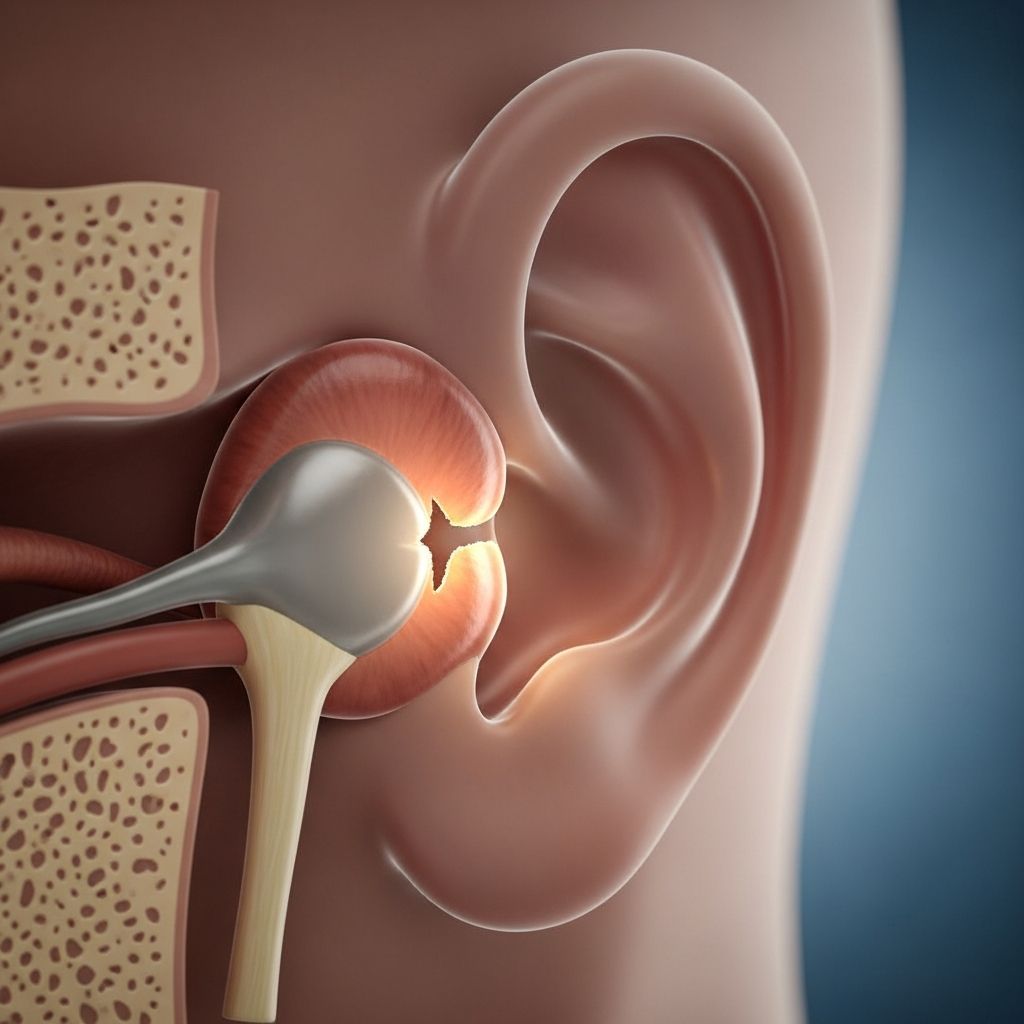
A perforated eardrum, also known as a ruptured tympanic membrane, occurs when the thin tissue separating the outer and middle ear develops a tear or hole. This condition is common among teenagers due to active lifestyles, exposure to loud sounds, and frequent ear infections. Most cases heal naturally within weeks, but recognizing symptoms early can prevent complications like ongoing infections or hearing problems.
Understanding the Eardrum’s Role in Hearing
The eardrum, or tympanic membrane, is a delicate, cone-shaped layer that vibrates in response to sound waves, transmitting them to the middle ear bones. In teens, this structure is vulnerable because rapid growth and activities like sports or music exposure increase risks. When perforated, sound transmission disrupts, leading to immediate effects on hearing and balance.
Teenagers often overlook ear health amid school, sports, and social activities. Maintaining ear hygiene without invasive cleaning and promptly addressing infections preserves this vital barrier.
Common Triggers for Eardrum Perforation in Adolescents
Several factors can cause an eardrum to rupture, with infections topping the list. Here’s a breakdown:
- Middle Ear Infections (Otitis Media): Fluid buildup from bacterial or viral infections creates pressure that bursts the eardrum. Teens with allergies or colds are prone.
- Trauma from Objects: Inserting cotton swabs, earbuds, or small items like pencils can puncture the membrane. This is frequent in teens attempting to remove wax.
- Pressure Changes (Barotrauma): Sudden shifts during flying, scuba diving, or driving in mountains stress the eardrum.
- Loud Noise Exposure: Explosive sounds from fireworks, concerts, or gunfire generate shock waves that tear the tissue.
- Head or Ear Injuries: Slaps to the ear, sports collisions, or skull fractures near the ear can cause rupture.
| Cause | Risk Factors in Teens | Prevention Tip |
|---|---|---|
| Middle Ear Infection | Frequent colds, allergies | Treat infections early |
| Object Insertion | Wax buildup self-cleaning | Avoid swabs |
| Barotrauma | Travel, sports | Yawn or chew gum |
| Loud Noises | Concerts, fireworks | Use earplugs |
| Injury | Contact sports | Wear helmets |
Recognizing Symptoms: What to Watch For
Symptoms often appear abruptly after a triggering event. Initial signs include:
- Sudden sharp pain that may ease after rupture as pressure releases.
- Drainage: Clear fluid, pus, or blood from the ear canal.
- Hearing Impairment: Muffled or complete loss in the affected ear.
- Tinnitus: Ringing, buzzing, or whooshing sounds.
- Balance Issues: Dizziness, vertigo, nausea.
Rarely, facial muscle weakness or fever signals severe cases needing urgent care. Teens might dismiss mild symptoms as wax blockage, delaying help.
Diagnosis: How Doctors Confirm a Perforation
A healthcare provider uses an otoscope to visualize the tear, noting its size and location. Tuning fork tests differentiate conductive from sensorineural hearing loss. Audiometry assesses hearing function, while tympanometry measures eardrum mobility. In complex cases, CT scans check for bone involvement.
For teens, explaining the process reduces anxiety. Early diagnosis prevents chronic issues.
Treatment Options: From Home Care to Surgery
Most perforations (up to 80-90%) heal spontaneously in 2-8 weeks.
Conservative Management
- Pain Relief: Ibuprofen or acetaminophen; warm compresses soothe discomfort.
- Antibiotics: Eardrops or oral meds combat or prevent infection.
- Ear Protection: Keep dry—use cotton during showers, avoid swimming.
When Surgery is Needed
If no healing after 2-3 months, myringoplasty patches the hole using tissue grafts. Tympanoplasty addresses middle ear damage. Teens recover quickly with minimal downtime.
Potential Complications if Untreated
Persistent perforations invite risks:
- Recurrent infections leading to chronic otitis media.
- Cholesteatoma: Skin cyst eroding ear bones, risking permanent deafness.
- Mastoiditis: Bone infection behind the ear.
- Long-term vertigo or hearing loss.
Regular follow-ups monitor healing in active teens.
Prevention Strategies for Teen Ear Safety
Proactive habits safeguard ears:
- Never insert objects; let professionals clean wax.
- Treat ear infections promptly with medical advice.
- Use earplugs at loud events or during flights/diving.
- Wear protective headgear in sports.
- Avoid smoking/secondhand smoke, which worsens infections.
Lifestyle Tips During Recovery
Teens should:
- Avoid strenuous activities causing pressure changes.
- Skip contact sports until cleared.
- Maintain schoolwork with hearing aids if needed temporarily.
- Track symptoms in a journal for doctor visits.
Frequently Asked Questions (FAQs)
Can a perforated eardrum heal without treatment?
Yes, most heal on their own in weeks, but see a doctor for monitoring.
Is swimming safe with a perforated eardrum?
No, water entry risks infection; wait for full healing.
Does a ruptured eardrum cause permanent hearing loss?
Rarely, if complications arise; timely care prevents this.
How long does pain last after perforation?
Pain is sudden but often relieves post-rupture; meds help residuals.
Can headphones cause eardrum rupture?
High volumes over time risk damage, but direct rupture is from pressure or trauma.
Long-Term Outlook for Teens
With proper care, teens regain full function. Annual ear check-ups benefit those with recurrent issues. Educating peers on ear safety promotes community health.
This comprehensive guide empowers teens to handle perforated eardrums confidently. Consult ENT specialists for personalized advice.
References
- Ruptured Eardrum: Symptoms, Treatments, and Recovery — WebMD. 2023-05-15. https://www.webmd.com/pain-management/ruptured-eardrum-symptoms-and-treatments
- Eardrum Perforation — Merck Manuals. 2024-02-01. https://www.merckmanuals.com/home/ear-nose-and-throat-disorders/middle-ear-disorders/eardrum-perforation
- Ruptured Eardrum: Symptoms, Causes & Treatment — Cleveland Clinic. 2023-11-20. https://my.clevelandclinic.org/health/diseases/15581-ruptured-eardrum-acutely-perforated-tympanic-membrane
- Perforated eardrum — NHS. 2024-06-10. https://www.nhs.uk/conditions/perforated-eardrum/
- Ruptured eardrum — MedlinePlus. 2023-08-05. https://medlineplus.gov/ency/article/001038.htm
- Ruptured Eardrum (Perforated Tympanic Membrane) — Mayo Clinic. 2024-01-12. https://www.mayoclinic.org/diseases-conditions/ruptured-eardrum/diagnosis-treatment/drc-20351884