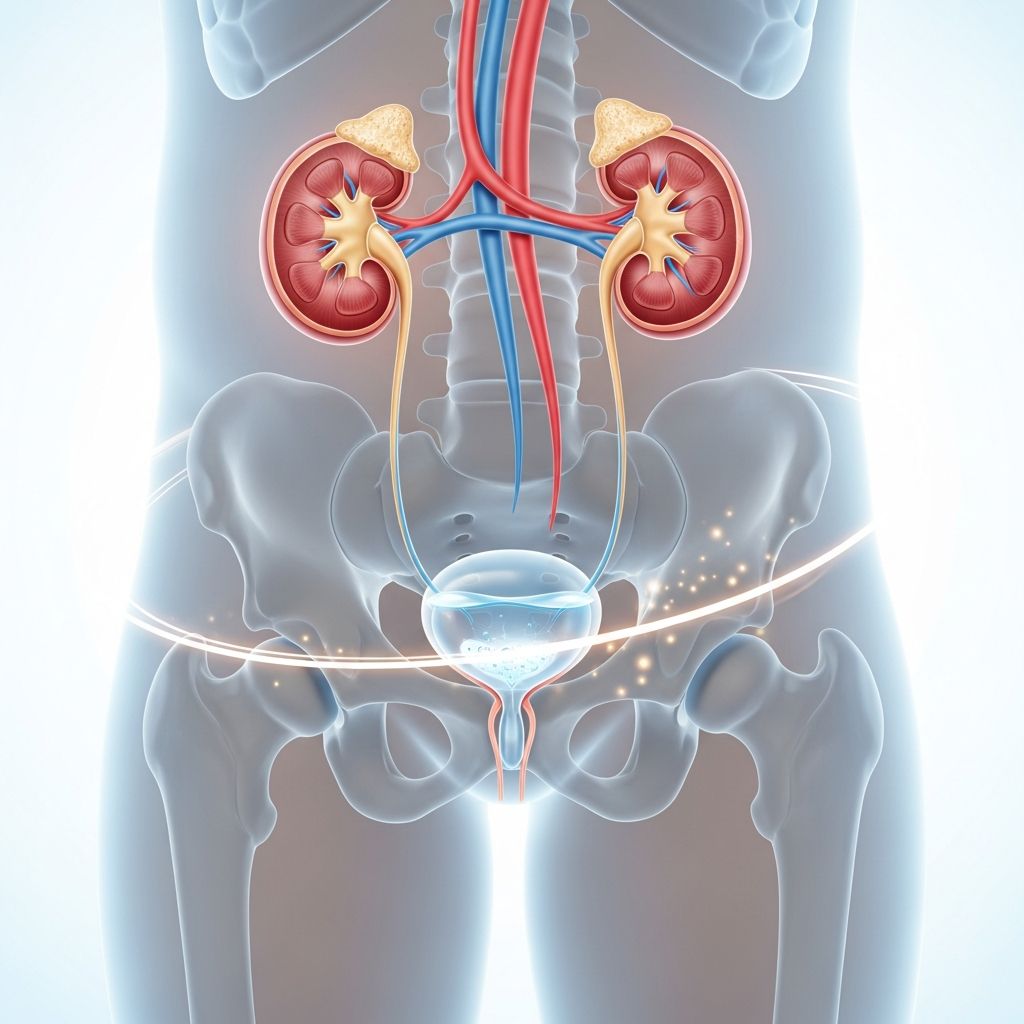
Pediatric urology focuses on diagnosing and managing disorders of the urinary tract and genital organs in children, from newborns to teenagers. These specialists provide targeted care for conditions that can impact a child’s growth, comfort, and long-term health.
Understanding the Role of Pediatric Urologists
Pediatric urologists are physicians with advanced training in both urology and child-specific care. After completing medical school, residency in urology, and general pediatrics, they undergo fellowship training lasting one to two years, equipping them to handle the unique anatomy and physiology of young patients.
Unlike general pediatricians who manage routine issues like minor infections, these experts tackle complex congenital anomalies and acquired problems. They often collaborate with neonatologists for prenatal diagnoses and multidisciplinary teams for comprehensive care.
- Key Expertise Areas: Urinary tract reconstruction, minimally invasive procedures, and tumor management.
- Patient Range: Infants with prenatal findings to adolescents with developmental concerns.
- Holistic Approach: Involves family counseling, pain management, and long-term follow-up.
Common Urinary Tract Conditions in Children
Many children experience urinary issues that resolve naturally, but persistent symptoms warrant specialist evaluation. Conditions often stem from developmental variations or obstructions.
Bladder and Voiding Challenges
Bedwetting, or nocturnal enuresis, affects up to 15-20% of school-aged children and may signal underlying bladder dysfunction. Neurogenic bladder, linked to spinal issues like spina bifida, impairs nerve signals to the bladder, leading to incontinence or infections.
Frequent urinary tract infections (UTIs) in young girls or boys under one year can indicate vesicoureteral reflux (VUR), where urine flows backward from bladder to kidneys, risking scarring.
Kidney and Upper Tract Problems
Hydronephrosis, swelling of the kidney due to urine backup, is commonly detected via prenatal ultrasound. Ureteropelvic junction (UPJ) obstruction is a frequent cause, treatable with surgery if severe.
Pediatric kidney stones, though rarer than in adults, are rising due to dietary factors and metabolic issues. Urologists use endoscopy or shock wave lithotripsy for removal.
| Condition | Symptoms | Treatment Options |
|---|---|---|
| Hydronephrosis | Painless swelling, UTIs, poor growth | Monitoring, pyeloplasty surgery |
| UPJ Obstruction | Flank pain, vomiting, fever | Minimally invasive repair, stenting |
| Kidney Stones | Severe pain, blood in urine | Lithotripsy, ureteroscopy |
Genital and Reproductive Disorders
Boys and girls present with distinct genital concerns. Undescended testicles (cryptorchidism) occur in about 1% of full-term boys, increasing infertility and cancer risks if untreated by age one.
Male-Specific Issues
Hypospadias, where the urethral opening is misplaced on the penis underside, affects 1 in 200-300 newborn boys. Surgical correction aligns the opening and improves function.
Hydroceles and inguinal hernias involve fluid or bowel protrusion into the scrotum, common in infants and often resolving spontaneously but requiring surgery if persistent.
Female and Intersex Conditions
Prepubescent girls may have labial adhesions or recurrent UTIs. Complex cases like disorders of sexual development (DSD) involve ambiguous genitalia, needing genetic evaluation and reconstruction.
Cloacal anomalies and bladder exstrophy are rare, severe birth defects where bladder or bowel exteriorizes, demanding staged reconstructive surgeries.
Diagnostic Approaches in Pediatric Urology
Accurate diagnosis relies on non-invasive and targeted tests tailored to minimize child distress.
- Ultrasound: First-line imaging for kidneys, bladder, and genitals; no radiation.
- Voiding Cystourethrogram (VCUG): Detects reflux by filling bladder with contrast during urination.
- MRI or CT: For detailed anatomy in complex cases.
- Urodynamics: Measures bladder pressure and function for incontinence.
Prenatal ultrasounds identify issues early, allowing planned delivery at specialized centers.
Modern Treatment Strategies
Treatments range from watchful waiting to advanced surgery, prioritizing function preservation and cosmetics.
Conservative Management
Many conditions like mild VUR or hydroceles improve without intervention. Antibiotics prevent infections, and behavioral therapies aid bedwetting.
Surgical Innovations
Minimally invasive techniques dominate: laparoscopy for undescended testes, endoscopy for stones, and robotic pyeloplasty for UPJ obstruction reduce recovery time and scarring.
Robotic surgery, using 3D visualization, enables precise reconstruction for hypospadias or exstrophy.
Tumor Care
Wilms tumor and rhabdomyosarcoma require nephron-sparing surgery, chemotherapy, and multidisciplinary input.
| Procedure | Indication | Benefits |
|---|---|---|
| Laparoscopic Orchiopexy | Undescended Testicle | Small incisions, quick recovery |
| Robotic Pyeloplasty | UPJ Obstruction | Precision, minimal pain |
| Endoscopic Stone Removal | Bladder/Ureteral Stones | Outpatient, no external cuts |
When to Consult a Pediatric Urologist
Parents should seek evaluation for symptoms like painful urination, recurrent UTIs, abdominal swelling, genital abnormalities, or wetting after age 5-7.
Prenatal findings or newborn exam anomalies prompt immediate referral. Early intervention prevents complications like kidney damage.
Multidisciplinary Team Support
Leading centers integrate urologists with nephrologists, geneticists, psychologists, and pelvic floor therapists. Nurse practitioners coordinate care, and fetal surgery teams address in-utero obstructions.
Families receive education on home management, fertility implications, and psychosocial support.
Outcomes and Long-Term Care
Advances yield excellent results: 90-95% success in hypospadias repair and VUR resolution post-surgery. Lifelong monitoring ensures optimal development.
Frequently Asked Questions (FAQs)
What age groups do pediatric urologists treat?
From fetuses with prenatal diagnoses to adolescents up to 21 years, including adults with childhood-onset conditions.
Is surgery always necessary for hydronephrosis?
No, mild cases are monitored; surgery is for progressive obstruction.
How effective is robotic surgery in kids?
Highly effective with shorter hospital stays and better cosmetics than open surgery.
Can bedwetting be treated without medication?
Yes, alarms, bladder training, and addressing constipation often suffice.
What if my child has an undescended testicle?
Surgery by 6-12 months reduces risks; most are successful.
References
- Pediatric Urology: Overview — University of Florida Division of Pediatric Urology. 2023. https://urology.ufl.edu/patient-care/pediatric-urology/
- What Is Pediatric Urology? — Baptist Health. 2024-01-15. https://www.baptisthealth.com/blog/urology/what-is-pediatric-urology
- Urology in Pediatrics — National Center for Biotechnology Information (PMC). 2022-03-15. https://pmc.ncbi.nlm.nih.gov/articles/PMC8947070/
- Pediatric Urology Fact Sheets — Yale Medicine. 2024. https://www.yalemedicine.org/conditions/pediatric-urology
- Pediatric Urology Research — Mayo Clinic Department of Urology. 2025. https://www.mayo.edu/research/departments-divisions/department-urology/research/pediatric-urology
- Pediatric Urology Services — Baylor Scott & White McLane Children’s. 2024. https://www.bswhealth.com/mclane-childrens/specialties/pediatric-urology
- Pediatric Urology Overview — Mayo Clinic. 2025-01-10. https://www.mayoclinic.org/departments-centers/pediatric-urology/overview/ovc-20434910