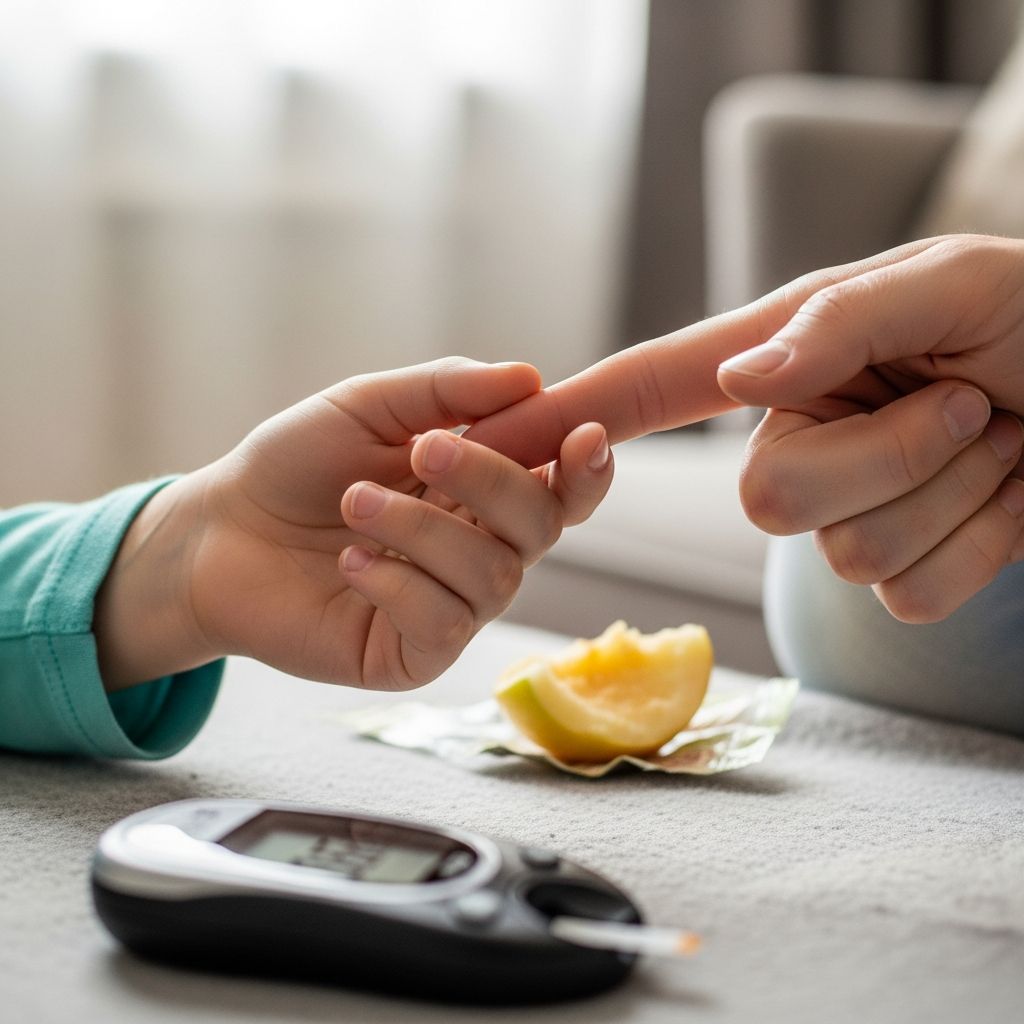
When a doctor orders lab tests for a child, many parents immediately worry that something is very wrong. In reality, laboratory tests are one of the most common and useful tools doctors use to understand what is happening inside a child’s body, monitor growth, and confirm that treatments are working. This guide explains common types of lab tests, why they are done, and how to support your child through the process.
Why Doctors Order Lab Tests for Children
Lab tests help transform symptoms like fever, fatigue, or stomach pain into concrete information that doctors can measure and track. Instead of guessing, health providers use lab values to narrow down possible causes of illness, decide which treatments are safest, and see whether a child is improving over time.
These tests are not only for very sick children. They may be ordered during routine checkups, before surgery, when starting a new medicine, or to check for conditions like anemia, diabetes, or infections even if a child looks mostly well.
Types of Samples Used in Pediatric Lab Tests
Most pediatric lab tests use a small amount of one of the following:
- Blood – Commonly drawn from a vein in the arm or a finger/heel stick in babies.
- Urine – Collected in a cup or special bag, used to check kidneys, infections, and more.
- Swabs – Soft swabs rubbed on the throat, nose, or skin to look for germs.
- Stool – A sample of bowel movement to check for infection, blood, or digestion problems.
In most cases, only a very small amount of sample is needed, and the procedures are brief, even though they may feel scary to a child in the moment.
Common Blood Tests in Children
Blood tests are among the most frequently ordered lab tests because blood carries cells, hormones, minerals, and many other substances that reflect a child’s health. The following are some of the most commonly used blood tests in pediatrics.
Complete Blood Count (CBC)
A complete blood count measures different types of cells in the blood. It helps doctors detect infections, anemia, bleeding problems, and certain immune or bone marrow conditions.
- Red blood cells (RBCs): Carry oxygen; low levels may mean anemia.
- Hemoglobin and hematocrit: Specific measures of red blood cell quantity and oxygen-carrying ability.
- White blood cells (WBCs): Help fight infections; high or low counts can suggest infection or immune problems.
- Platelets: Help blood clot; low levels can increase bruising or bleeding.
Doctors look not only at whether values are inside a reference range, but also at patterns. For example, a high white blood cell count with fever often suggests infection, while low red blood cells with fatigue may suggest anemia.
Basic and Comprehensive Metabolic Panels
Metabolic panels are groups of blood tests that measure salts, sugars, and waste products in the blood. They show how well a child’s kidneys, liver, and metabolism are working.
- Electrolytes (like sodium, potassium, and chloride) help regulate fluid balance, heart rhythm, and muscle function.
- Glucose measures blood sugar, important for screening or monitoring diabetes.
- Kidney markers such as blood urea nitrogen and creatinine show how well the kidneys are clearing waste.
- Liver enzymes in a comprehensive panel can signal liver irritation, inflammation, or damage.
These panels are often ordered after dehydration, vomiting, chronic illness, or when starting medicines that may affect the liver or kidneys.
Lipid and Cholesterol Testing
Although often associated with adults, cholesterol testing may be recommended for children with obesity, diabetes, high blood pressure, or a strong family history of heart disease. The test measures different types of blood fats.
- Total cholesterol: Overall cholesterol level.
- LDL cholesterol: Often called “bad” cholesterol, associated with plaque buildup in arteries.
- HDL cholesterol: Sometimes called “good” cholesterol, helps remove extra cholesterol from the bloodstream.
- Triglycerides: Another type of fat that can rise with certain diets or conditions.
Abnormal results may prompt lifestyle changes, such as adjusting diet or increasing activity, and in rare cases, medications in older children.
Thyroid Function Tests
Thyroid hormones help control growth, energy use, and brain development. Tests of thyroid function are ordered if a child has unexplained weight changes, fatigue, slow growth, or developmental concerns.
- TSH (thyroid-stimulating hormone): A signal from the brain that tells the thyroid how much hormone to make.
- T4 and T3: Hormones produced by the thyroid gland that influence metabolism and growth.
High or low thyroid hormone levels can affect energy, mood, and development, but many thyroid issues can be managed effectively with medication once identified.
Urine Tests and What They Show
Urine tests are painless and give useful information about the kidneys, bladder, and metabolism. For many children, collecting urine is as simple as urinating into a clean cup with a parent’s help.
Urinalysis
A standard urinalysis examines the color, concentration, and chemical content of urine. It can detect signs of infection, kidney problems, or other conditions.
- Appearance and concentration: Dark or very concentrated urine may mean dehydration.
- Protein or blood: May suggest kidney irritation, infection, or, rarely, more serious kidney disease.
- Glucose or ketones: Can signal diabetes or metabolic problems.
- White blood cells and bacteria: Often present in urinary tract infections.
Sometimes a more detailed urine culture is ordered to find the exact germ causing an infection and which antibiotics are likely to work best.
Swab and Culture Tests for Infections
Swab-based tests collect samples from the surface of the body, such as the throat, nose, or skin. These are especially common when a child has a sore throat, cough, or skin infection.
Throat Swabs
Throat swabs are often used to look for bacteria that cause strep throat. A soft swab is quickly rubbed over the back of the throat and tonsils, which may feel uncomfortable but is over within seconds.
- Rapid tests can give results in minutes, helping decide quickly whether antibiotics are needed.
- Throat cultures may take one or two days but can detect germs that rapid tests miss.
Using these tests helps avoid unnecessary antibiotics when a sore throat is caused by a virus rather than bacteria.
Nasal and Respiratory Swabs
Nasal swabs are used to test for germs like influenza or other respiratory viruses. The swab is gently inserted into the nose and rotated to collect cells and mucus.
- Results can help decide whether antiviral medications might be useful.
- Knowing the exact virus can guide isolation, school decisions, and avoiding unnecessary antibiotics.
Other Specialized Tests in Children
Beyond standard blood and urine tests, doctors may occasionally order more specialized studies depending on a child’s symptoms and history.
- Allergy blood tests: Look for antibodies to foods, pollens, or other allergens.
- Hormone tests: Check puberty-related hormones, growth hormone, or adrenal hormones.
- Genetic or metabolic screens: Investigate conditions present from birth that may affect growth or development.
- Coagulation tests: Evaluate how well blood clots, especially before surgery or if a child bruises easily.
These are usually ordered by specialists or after discussion with a pediatrician when common problems have been ruled out.
How to Prepare Your Child for Lab Tests
Good preparation can reduce fear and make lab visits smoother. What you say and how you say it matter just as much as the test itself.
- Be honest but simple: Explain that the test helps the doctor understand how the body is working.
- Use age-appropriate language: Younger children may understand “a quick poke” better than medical terms.
- Practice coping skills: Deep breathing, counting, or holding a favorite toy can distract and calm a child.
- Plan comfort measures: Bring a blanket, stuffed animal, or music on headphones if allowed.
Avoid promising that a test will not hurt at all. Instead, emphasize that any discomfort is brief and that you will be with your child the entire time if possible.
What to Expect During a Blood Draw
Knowing the steps of a blood draw helps parents reassure their children. While details vary by clinic, most blood draws follow a predictable pattern.
- Check-in: The staff confirms your child’s identity and the tests ordered.
- Positioning: Younger children may sit on a parent’s lap; older children may sit in a chair or lie on a table.
- Tourniquet and cleaning: A stretchy band is placed on the arm, and the skin is cleaned with an antiseptic wipe.
- Needle insertion: A small needle is inserted briefly to collect blood into tubes.
- Bandage: Once enough blood is collected, the needle is removed, and a cotton ball and bandage are applied.
The actual needle time usually lasts less than a minute. Many children are surprised by how quickly it is over, especially if well distracted.
Making Sense of Lab Results
Lab reports can look intimidating, full of abbreviations and numbers. For parents, a few basic ideas make them easier to understand.
| Section | What It Shows | How Parents Can Use It |
|---|---|---|
| Test name | The specific test or panel performed. | Helps you ask focused questions about a particular test. |
| Your child’s value | The measured number or result for that test. | Use it as a reference when discussing trends over time. |
| Reference range | Typical range for people of similar age and sex. | Shows whether the result is below, within, or above the expected range. |
| Flags or symbols | Markers such as “H” (high) or “L” (low). | Signals which values may need special attention or follow-up. |
Keep in mind that one slightly high or low value does not always mean disease. Doctors interpret results in context: your child’s age, symptoms, exam findings, and past test results all matter.
Questions to Ask Your Child’s Doctor
Open communication with the healthcare team turns lab results into a clearer plan of action. Consider asking questions such as:
- What specific condition or concern are these tests checking for?
- Which results are most important for my child’s situation?
- Are any of these values urgent or dangerous, or do they just need monitoring?
- Do we need repeat tests, and if so, when?
- What lifestyle changes, medicines, or follow-up visits are recommended based on these results?
Taking notes during the visit or using the patient portal to review results together can help you feel more confident and organized.
Supporting Your Child Emotionally
Lab tests can be emotionally challenging for children who fear needles or dislike unfamiliar settings. Your calm presence and reassurance are powerful tools.
- Validate feelings: Let your child know it is okay to feel scared or upset.
- Offer choices: When possible, let them choose which arm to use, what music to listen to, or which toy to hold.
- Use positive reinforcement: Praise their courage and effort rather than whether they cried.
- Debrief after the test: Talk about what went well and what helped them cope.
Over time, positive experiences can reduce anxiety around future medical procedures.
FAQs About Lab Tests in Children
1. Are lab tests safe for children?
Yes. Lab tests use very small amounts of blood or other samples, and safety checks are in place at each step. For blood tests, the volume drawn is carefully limited, especially in infants and very young children, to avoid problems like anemia.
2. Will my child feel pain during a blood test?
Most children feel a brief pinch or sting when the needle enters the skin. The discomfort is usually short-lived. Using numbing creams, distraction, or having the child look away can make the experience more tolerable.
3. Why do some tests require fasting?
Certain tests, like blood sugar or cholesterol measurements, are more accurate when a child has not eaten for a specific number of hours. Food and drinks can temporarily change levels of glucose and fats, which might give a misleading picture of the child’s usual health.
4. How long do results usually take?
The timing depends on the type of test. Some rapid tests, such as quick strep checks, may be ready within minutes, while more complex cultures, hormone tests, or genetic studies can take several days or longer. The doctor’s office or lab can give an estimated time for each test.
5. What if a result is abnormal?
An abnormal result does not always mean that a child has a serious disease. It may reflect temporary issues like dehydration, a mild infection, or even normal variation. Doctors may repeat tests, order additional studies, or consider the entire clinical picture before making a diagnosis or changing treatment.
6. Can I see my child’s lab results online?
Many clinics and hospitals offer secure online portals where parents can view results, send messages to providers, and download reports. Ask your child’s healthcare team whether this option is available and how to sign up.
Key Takeaways for Parents
- Lab tests are powerful tools that help doctors understand your child’s health more precisely than symptoms alone.
- Common tests include blood counts, metabolic panels, urine tests, and swabs for infections.
- Preparation, honest explanations, and emotional support can greatly reduce your child’s fear and stress.
- Use lab results as a starting point for conversation with your child’s doctor, focusing on what the numbers mean in the larger context of your child’s health and well-being.
By learning the basics of pediatric lab tests, parents can move from feeling helpless and anxious to being informed partners in their child’s care.