Understanding Pediatric Anesthesiology and Its Importance
When a child requires surgery or a medical procedure involving sedation, a specialized physician called a pediatric anesthesiologist plays a crucial role in ensuring the experience is safe and comfortable. Pediatric anesthesiology is a medical specialty dedicated to managing anesthesia, sedation, and pain control for patients from infancy through adolescence. Unlike general anesthesiologists who care for patients of all ages, pediatric specialists have undergone additional training to understand the unique physiological, psychological, and developmental needs of young patients.
The significance of this specialty cannot be overstated. In the United States alone, approximately 6 million children and 1.5 million infants undergo surgical procedures annually. Each of these children requires careful attention to detail and expertise that only comes from dedicated training in pediatric care. The evolution of pediatric anesthesiology as a distinct field began in 1842 when physicians recognized that children respond differently to anesthesia than adults and face unique complications during procedures.
Who Are Pediatric Anesthesiologists?
A pediatric anesthesiologist is a fully trained medical doctor who has completed extensive education and specialized training beyond medical school. The typical pathway includes completion of four years of medical school, followed by one year of internship and three years of residency in general anesthesiology. After this foundation, physicians pursuing pediatric specialization complete an additional year or more of fellowship training focused specifically on anesthesia care for infants and children.
These physicians possess unique qualifications that set them apart from other medical professionals. They are experts in administering and managing medications specifically formulated for pediatric patients, understanding the differences in drug metabolism, dosing, and potential side effects in young bodies. Beyond pharmacological expertise, pediatric anesthesiologists understand child development, psychology, and communication strategies that help anxious or frightened children feel secure before and after procedures.
The training emphasizes not just technical skills but also the interpersonal competencies necessary for working with pediatric populations. Pediatric anesthesiologists develop strong collaboration and communication skills, as they work closely with surgical teams, nursing staff, and families to coordinate comprehensive care.
Clinical Responsibilities and Patient Care Settings
The scope of practice for pediatric anesthesiologists encompasses multiple clinical environments and diverse patient populations. These specialists provide care across various settings including operating rooms, post-operative recovery units, intensive care units, and diagnostic imaging centers. Their responsibilities extend from pre-procedure assessment and preparation through the entire operative period and into post-operative pain management.
Before any procedure, pediatric anesthesiologists conduct thorough medical evaluations to understand each child’s complete health history, current medications, allergies, and any underlying conditions that might affect anesthesia management. This pre-operative assessment is essential for developing a customized anesthetic plan tailored to the individual child’s needs.
During procedures, pediatric anesthesiologists monitor vital signs continuously, adjust anesthetic medications as needed, and manage any complications that arise. They remain present throughout the entire procedure, maintaining vigilant oversight of the child’s safety and comfort. After the procedure concludes, they manage the recovery process, determining whether the child can wake up naturally or requires continued intensive care.
Diverse Procedure Types
Pediatric anesthesiologists administer anesthesia and sedation for an extensive range of procedures beyond traditional surgery. Their expertise applies to:
- Major surgical procedures including organ transplantations, craniofacial reconstruction, neurosurgery, and congenital heart disease repairs
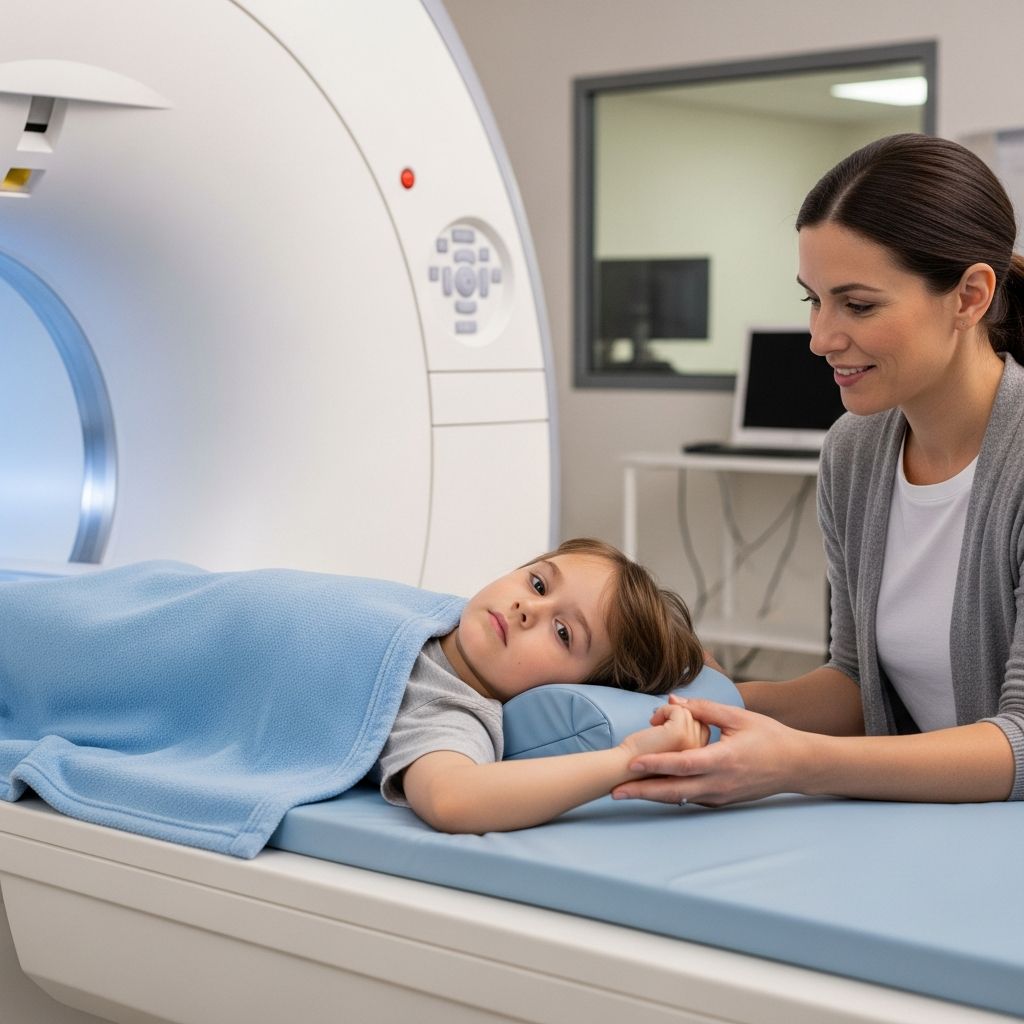
- Diagnostic imaging procedures such as MRI scans and CT scans requiring sedation
- Interventional procedures including cardiac catheterization and interventional radiology
- Therapeutic procedures such as endoscopy, bone marrow biopsy, lumbar puncture, and radiation therapy
- Trauma and emergency surgical care for injured children
Why Children Require Specialized Anesthesia Care
Children are fundamentally different from adults in numerous ways that directly impact anesthesia management. Recognizing these differences is not merely academic—it is essential for ensuring patient safety and optimal outcomes. Pediatric anesthesiologists understand and account for these distinctions in their clinical practice.
From a developmental perspective, children cannot always communicate their concerns, answer complex medical questions, or cooperate during examinations in the way adults can. A young child may be unable to describe discomfort, report symptoms, or explain their medical history. Pediatric anesthesiologists employ specialized techniques and communication strategies to work effectively with patients at different developmental stages, from newborns who cannot speak to teenagers with emerging autonomy.
Physiologically, children’s bodies process medications differently than adults. Drug metabolism rates differ based on age, body composition, and organ maturity. Equipment designed for adults proves inappropriate for children, necessitating specially sized anesthetic equipment and monitoring devices. The physical examination rooms, waiting areas, and even the operating room environment must accommodate the developmental and psychological needs of younger patients.
Furthermore, children often present with complex medical conditions affecting multiple body systems simultaneously. A child requiring surgery may have congenital heart disease, genetic conditions, metabolic disorders, or other chronic illnesses that significantly impact anesthesia planning. Pediatric anesthesiologists possess the training and experience to evaluate these complexities and develop safe anesthetic strategies.
Safety Advances in Pediatric Anesthesia
Over the past five decades, the field has made extraordinary progress in improving safety outcomes for children undergoing anesthesia. The overall mortality rate in anesthesiology has decreased from 1 death per 2,500 procedures to 1 death per 13,000 procedures—a remarkable improvement reflecting advances in monitoring technology, pharmacology, and clinical protocols.
Dedicated professional organizations have played a crucial role in advancing safety. The specialty now maintains its own peer-reviewed journal, Pediatric Anesthesia, and has expanded from 13 national societies in 2012 to 20 by 2020. These organizations sponsor ongoing educational initiatives such as the Safer Anaesthesia from Education (SAFE) pediatric anesthesia course, which disseminates best practices and safety protocols throughout the specialty.
Modern innovations continue to enhance safety and patient outcomes. Point-of-care ultrasound technology allows anesthesiologists to visualize vital structures during procedures, improving the accuracy of procedures like nerve blocks and line placements while also enabling real-time assessment of lung positioning, cardiac function, and gastric contents to assess aspiration risk. Robotic-assisted approaches to complex pediatric neurosurgery have demonstrated the potential to improve outcomes while reducing complications.
Creating a Child-Friendly Healthcare Environment
Beyond medical expertise, pediatric anesthesiologists understand the importance of creating an environment that reduces anxiety and trauma for young patients. Many pediatric anesthesiology practices collaborate with child life specialists who employ psychological and behavioral strategies to help children transition smoothly to the operating room. This multi-disciplinary approach may include pre-operative sedation medication and non-pharmacological techniques such as guided imagery, breathing exercises, or play therapy.
The physical environment itself reflects this commitment to child-centered care. Examination and waiting rooms are designed with children in mind, often including age-appropriate toys, books, and decorations to create a non-threatening atmosphere. Staff members possess training in pediatric communication, understanding how to explain procedures in age-appropriate language that reduces fear and increases cooperation.
Parents and guardians play an important role in this process. Pediatric anesthesiologists recognize that family members provide crucial context about the child’s medical history, behavioral patterns, and emotional needs. They maintain open communication with families throughout the perioperative process, addressing concerns and ensuring families understand what to expect.
Specialized Expertise for Complex Medical Conditions
Pediatric anesthesiologists develop specialized knowledge in managing anesthesia for children with rare and complex conditions. Their training encompasses understanding how specific genetic disorders, metabolic conditions, and congenital abnormalities affect anesthetic management. For instance, children with osteogenesis imperfecta (a bone fragility disorder) historically presented challenges regarding use of standard monitoring equipment. Through research and experience, pediatric anesthesiologists have determined safe approaches to managing these patients while maintaining necessary monitoring capabilities.
This specialized knowledge extends to managing critically ill pediatric patients in intensive care units. Pediatric anesthesiologists provide advanced life support and manage pain and sedation for the most vulnerable hospitalized children. Their expertise in pediatric physiology and pharmacology allows them to make complex clinical decisions in high-acuity settings where margins for error are minimal.
The Perioperative Journey: Before, During, and After
The pediatric anesthesiologist’s involvement in a child’s care begins well before the child enters the operating room and extends well after the procedure concludes. This comprehensive approach to perioperative care ensures optimal outcomes and minimizes complications.
Pre-operative Phase: During this stage, the pediatric anesthesiologist reviews the child’s complete medical history, performs a focused physical examination, and discusses concerns with the family. This assessment informs the development of an individualized anesthetic plan that accounts for the child’s specific medical conditions, medications, allergies, and psychological state.
Intraoperative Phase: The pediatric anesthesiologist administers anesthesia, manages the child’s airway and breathing, maintains appropriate depth of anesthesia throughout the procedure, and continuously monitors vital signs and organ function. Medications are titrated carefully to maintain safety while ensuring the child remains unconscious and free from pain.
Post-operative Phase: After the procedure, the pediatric anesthesiologist manages the recovery process, ensures the child awakens safely, manages post-operative pain, and determines the appropriate level of post-operative care. This may involve transfer to the intensive care unit for continued monitoring or discharge to the post-operative recovery area for routine recovery.
Pain Management and Comfort Care
Pain management represents a critical component of pediatric anesthesia practice. Beyond preventing pain during procedures, pediatric anesthesiologists manage post-operative pain and help children recover comfortably. They understand developmental differences in how children perceive and express pain, and they employ age-appropriate strategies for pain assessment and management.
Advanced pain management techniques include regional anesthesia approaches that block pain in specific areas of the body, reducing the need for systemic medications and their potential side effects. These techniques require specialized training and skill but provide effective, targeted pain control for many pediatric procedures.
Collaboration Within the Healthcare Team
Pediatric anesthesiologists function as essential members of multidisciplinary care teams. They work closely with pediatric surgeons, nurses, respiratory therapists, and other specialists to coordinate seamless, comprehensive care. This collaboration extends to communication with families, who provide valuable insights into their child’s needs and preferences.
As experts in perioperative medicine, pediatric anesthesiologists contribute to quality improvement initiatives, safety protocols, and evidence-based practice development within their institutions. They serve as leaders in advocating for child-centered care and advancing the field through research and education.
Frequently Asked Questions About Pediatric Anesthesiology
Q: What qualifications should I look for in a pediatric anesthesiologist?
A: Ensure the anesthesiologist is board-certified in pediatric anesthesiology, has completed fellowship training in pediatric anesthesia, and practices at an institution with a strong pediatric anesthesia program and safety record.
Q: How can I help my child feel less anxious before anesthesia?
A: Communicate openly with your pediatric anesthesiologist about your child’s fears, follow pre-operative instructions carefully, maintain a calm demeanor yourself, and ask about non-pharmacological comfort measures or pre-operative sedation options.
Q: Is anesthesia safe for infants?
A: Yes, when administered by trained pediatric anesthesiologists using appropriate equipment and protocols, anesthesia is safe for infants. Modern safety monitoring and advanced training have dramatically reduced risks.
Q: What happens during post-operative recovery?
A: Children are monitored in recovery areas as anesthesia wears off. The pediatric anesthesiologist manages pain, monitors vital signs, and determines when the child is stable enough for discharge or transfer to another unit.
Q: Can my child eat or drink before surgery?
A: No, specific fasting guidelines exist to reduce aspiration risk. Your pediatric anesthesiologist will provide detailed pre-operative instructions based on your child’s age and procedure type.
References
- Pediatric Anesthesiology Special Issue — PubMed Central/National Center for Biotechnology Information. 2021-03-15. https://pmc.ncbi.nlm.nih.gov/articles/PMC7999179/
- Pediatric Anesthesiology (AN) Specialty Details — FREIDA/American Medical Association. 2025. https://freida.ama-assn.org/specialty/pediatric-anesthesiology
- Pediatric Anesthesiology — UCLA Health Department of Pediatrics. 2025. https://www.uclahealth.org/departments/pediatrics/divisions-services/pediatric-anesthesiology
- What is a Pediatric Anesthesiologist? — American Academy of Pediatrics/HealthyChildren.org. 2025. https://www.healthychildren.org/English/family-life/health-management/pediatric-specialists/Pages/What-is-a-Pediatric-Anesthesiologist.aspx
- Pediatric Anesthesiologist: Career Outlook — U.S. Bureau of Labor Statistics. 2017-09-01. https://www.bls.gov/careeroutlook/2017/interview/anesthesiologist.htm