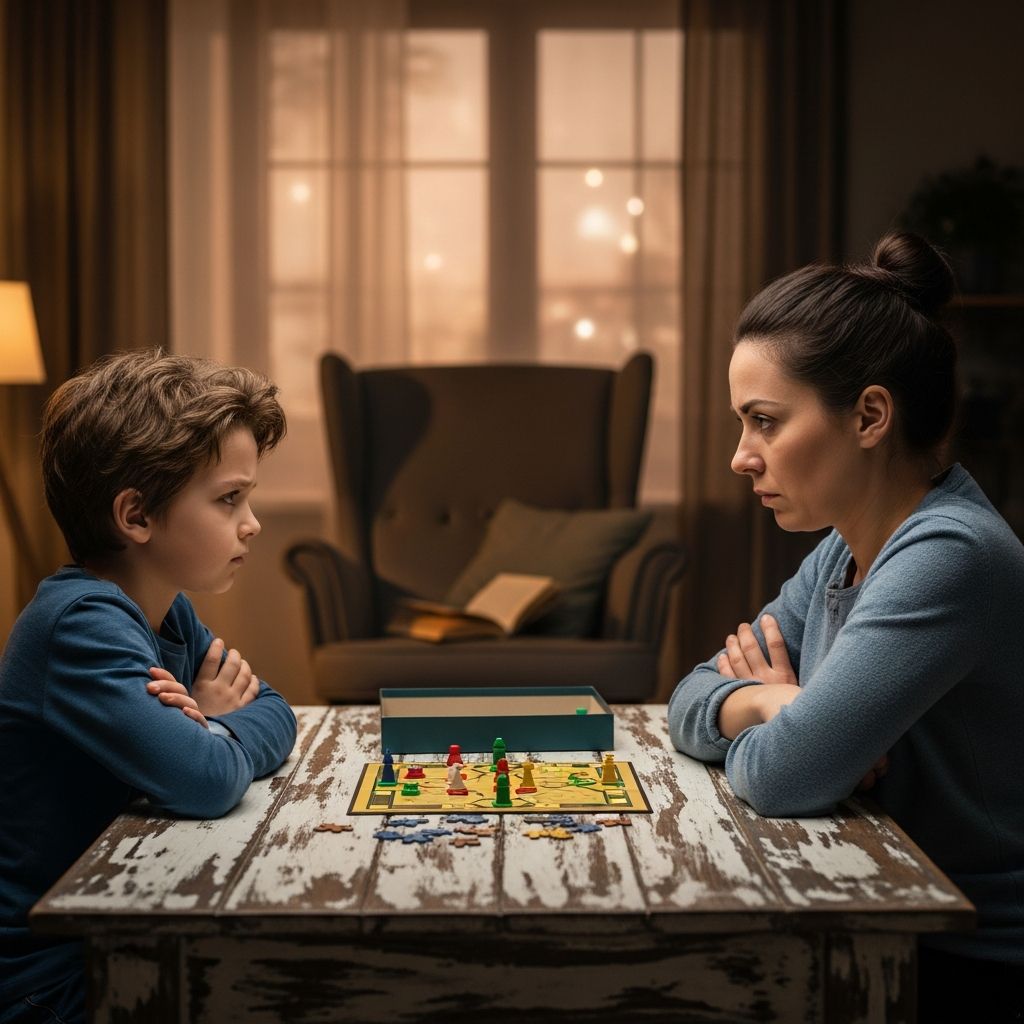
Many parents feel shaken when they recognize their own anger in their child’s outbursts. It can be frightening to see a 10-year-old shout, slam doors, or say hurtful things, especially when those reactions look uncomfortably familiar. The good news is that anger does not have to define your family story. With awareness, small daily changes, and a focus on connection, you can help your child develop healthier coping skills while you transform your own patterns.
Understanding What Your Child’s Anger Really Means
Anger is a normal human emotion, not a character flaw. For children, especially older kids around 9–12, anger often appears when they feel powerless, misunderstood, embarrassed, or overwhelmed but don’t yet have the skills to express those feelings constructively.
Common hidden messages beneath a child’s anger include:
- “I feel out of control.” School, friendships, and family rules can feel like too much.
- “I’m scared or hurt, but anger feels safer.” Vulnerable emotions often hide behind a loud voice.
- “I don’t know how to calm down.” The nervous system is overwhelmed, and the child has no practiced tools.
- “I don’t feel seen or heard.” Repeated experiences of not feeling understood can turn into explosive frustration.
Seeing anger as a signal instead of a “bad behavior” allows you to respond with curiosity instead of only punishment. The behavior needs limits; the underlying emotion needs empathy.
How Parental Anger Shapes a Child’s Reactions
Children learn how to handle big feelings by watching how the adults around them handle theirs. If a parent often yells, slams doors, or uses harsh words when stressed, a child absorbs the message that this is what people do with anger. Even if a parent feels guilty afterward and apologizes, the repeated pattern still teaches that explosions are normal.
Some subtle ways parental anger affects kids include:
- Hypervigilance. The child scans for signs that a parent might “blow up,” which keeps their own nervous system on edge.
- Copying the script. Phrases the parent says in anger (“You never listen!”) may show up in the child’s mouth toward siblings or parents.
- Shame and self-blame. A child may think, “If Dad is mad all the time, I must be the problem,” which fuels more emotional volatility.
This is not about blaming parents. Most adults with anger issues grew up around anger themselves or never learned healthier tools. Recognizing the pattern is an act of courage, and it opens the door to change for both generations.
The Dual Task: Supporting Your Child and Yourself
When both parent and child struggle with anger, the goal is not perfection but progress. Think of it as a shared healing project: you are building emotional skills side by side. Your child does not need a flawless parent; your child needs a parent who is willing to notice their own reactions, take responsibility, and keep practicing.
Three parallel journeys happen at once:
- Your work: Learning to pause, regulate, and express anger without shaming or threatening.
- Your child’s work: Naming feelings, tolerating frustration, and choosing safer ways to act on anger.
- Your relationship work: Repairing after conflict, rebuilding trust, and strengthening connection throughout the day.
Recognizing Your Own Triggers
To change how you respond to your child’s anger, start by understanding your own triggers. These are situations, tones of voice, or behaviors that cause your emotional temperature to spike quickly.
Common parental triggers include:
- Perceived disrespect, eye-rolling, or backtalk.
- Sibling fighting or noise when you are already tired.
- School resistance: refusing homework, dawdling in the morning.
- Old memories of how you were treated as a child in similar moments.
A helpful practice is to write a short “anger map” for yourself:
- “I usually lose it when…” (identify specific situations).
- “My body feels…” (tight chest, racing heart, clenched jaw).
- “My automatic thoughts are…” (“He’s doing this on purpose,” “I can’t handle this”).
Once you see your pattern on paper, it becomes easier to catch it earlier and choose a different response.
Practical Regulation Tools for Parents
Before teaching a child to calm down, it helps to have tools you can use yourself in the heat of the moment. These techniques are not about ignoring problems but about getting your brain back online so you can respond wisely.
- The pause rule. Commit to a simple rule: “When I feel my voice rising, I pause for 10 seconds before responding.” Focus on breathing out slowly.
- Grounding with the senses. Silently notice: 5 things you can see, 4 you can touch, 3 you can hear, 2 you can smell, 1 you can taste.
- Movement reset. If it’s safe, step into another room, stretch your arms overhead, shake out your hands, or walk a few laps down the hallway before continuing the conversation.
- Gentle self-talk. Replace “He’s impossible” with “We’re both overwhelmed; I can still choose how I respond.”
Using these tools out loud (“I’m getting heated, I’m going to take a breath”) shows your child that adults also work to manage emotions instead of simply unleashing them.
Helping Your Child Understand Anger
Children manage anger better when they can understand it. Rather than lecturing in the middle of a blowup, choose a calm, neutral time—perhaps during a walk or at bedtime—to talk about what anger is and what it feels like.
You might share ideas like:
- “Anger is a signal that something feels unfair, scary, or too much.”
- “Everyone feels angry sometimes—kids and adults. What matters is what we do with it.”
- “Anger is like a strong storm in the body. We can’t stop storms from coming, but we can learn how to stay safe and ride them out.”
Then invite your child to describe their own experience: where in their body they feel anger, what thoughts pop up, and what usually happens next. Listening without interrupting builds trust and gives you valuable insight.
Co-Regulation: Calming Together Instead of Clashing
At around age 10, children are gaining independence but still depend heavily on adult nervous systems to calm down. This shared calming process is called co-regulation. When you stay relatively steady, your child’s brain can begin to settle. When you escalate, your child’s anger tends to intensify.
Simple co-regulation tools include:
- Steady presence. Stand or sit nearby with a calm posture, soft shoulders, and a neutral expression. Avoid looming over your child.
- Few, gentle words. Short phrases such as “You’re really upset; I’m here” or “We’ll talk when we’re both calmer” are more soothing than long speeches.
- Shared breathing. If your child is open to it, say, “Let’s see if we can blow this anger out slowly together” and model long exhalations.
Co-regulation doesn’t mean allowing hurtful behavior. You can both hold firm limits and maintain emotional warmth at the same time.
Setting Clear, Respectful Limits on Hurtful Behavior
Anger is acceptable; aggression is not. Children need clear boundaries about what is and is not okay when angry. These boundaries help them feel safer, not more controlled, when delivered calmly and consistently.
Consider creating a shared family agreement about anger. For example:
- “It’s okay to feel angry and say that you are angry.”
- “It’s not okay to hit, throw things at people, or use cruel words.”
- “If someone is too angry, we take a break to calm our bodies.”
Post this agreement where everyone can see it. When an outburst happens, refer to the agreement briefly instead of launching into a moral lecture. Follow through with reasonable, related consequences if lines are crossed.
Collaborative Problem-Solving After Calm is Restored
The real learning happens after the storm, not during it. Once both of you are calm, return to the incident to understand what happened and plan for next time. This should feel like a teamwork conversation, not a courtroom.
A simple structure for these talks:
- 1. Reconnect first. A snack, a hug, or a shared activity helps your child feel safe.
- 2. Review the facts gently. “Earlier, when it was time to turn off the game, voices got loud and you threw the controller.”
- 3. Explore feelings. “What were you feeling right before you threw it?”
- 4. Brainstorm options. “Next time you’re that mad, what could you do instead of throwing?”
- 5. Choose one or two concrete strategies to practice.
Writing down agreed-upon strategies and revisiting them regularly gives your child a sense of ownership over their progress.
Sample Calming Strategies for a 10-Year-Old
Each child responds differently to calming tools, so experimentation is key. Offer several options and let your child help pick which ones to try.
| Strategy Type | Examples for Kids | When It Helps Most |
|---|---|---|
| Physical release | Jumping jacks, running in place, squeezing a stress ball, punching a pillow, ripping scrap paper. | When the body feels full of energy or “about to explode.” |
| Quieting the body | Slow breathing, lying under a heavy blanket, cuddling a pet, rocking in a chair. | When the child feels shaky, teary, or overwhelmed. |
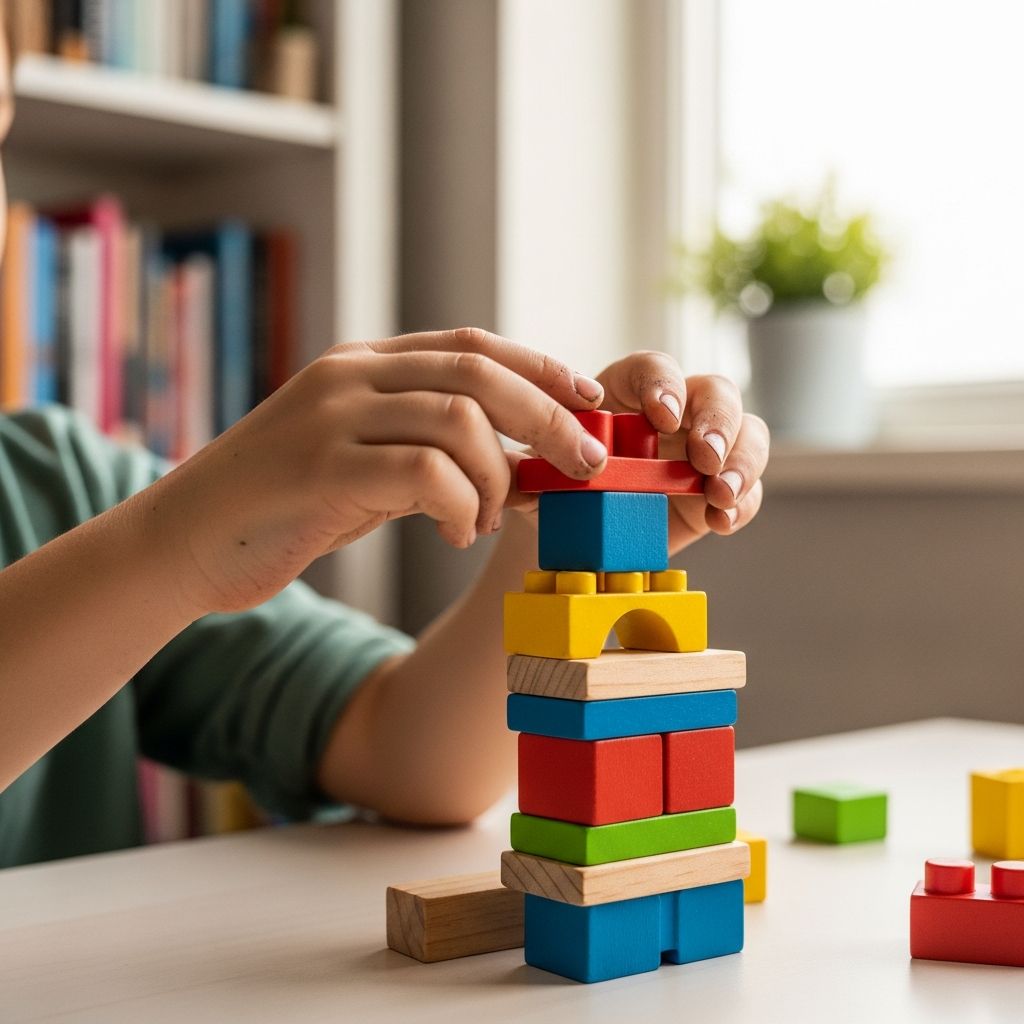
| Distraction for reset | Listening to music, drawing, building with blocks, taking a shower. | When stuck in angry thoughts and needing a mental break. |
| Thought tools | Repeating a calming phrase, imagining a safe place, reminding themselves, “This feeling will pass.” | When anger is triggered by worry, embarrassment, or perfectionism. |
Plan these strategies in advance. You and your child can even create a “calm-down menu” poster to hang in their room for quick reference during tough moments.
Repair: The Secret Ingredient That Changes Everything
No matter how hard you try, there will be days when you shout, say something you regret, or handle a situation poorly. What truly shapes your child’s long-term emotional health is not whether you are perfect, but whether you repair the relationship afterward.
Effective repair includes:
- Owning your part. “I yelled earlier and that was scary. I’m sorry I handled it that way.”
- Validating your child’s feelings. “It makes sense that you got upset when I shouted.”
- Stating your intention to do better. “I’m working on taking a break before I raise my voice. You may even hear me say, ‘I need a moment to calm down.’”
When you model apologizing and changing your behavior, your child learns two powerful lessons: that relationships can recover after conflict, and that growth is always possible.
When to Seek Outside Support
Sometimes, even with your best efforts, your child’s anger remains intense or frequent, or your own reactions feel very hard to control. This is not a failure; it is a sign that more support could be helpful. Outside perspectives can provide tools, structure, and encouragement you might not access on your own.
Consider reaching out for professional help if:
- Your child regularly becomes physically aggressive, destroys property, or threatens self-harm.
- School reports show frequent conflicts, suspensions, or difficulty following directions.
- You often feel afraid of your own reactions or unable to calm down even after the situation ends.
- Past experiences—such as trauma, abuse, or untreated mental health conditions—intensify your anger.
Family therapists, parenting coaches, and child psychologists can all offer practical anger-management strategies tailored to your unique dynamics. Group programs for parents with anger challenges can also be transformative and reduce shame.
Creating a Family Culture That Lowers Anger Overall
Individual skills matter, but the broader emotional climate at home matters too. Small, consistent practices can gradually turn a tense household into a more cooperative and respectful one. Think of these as daily “deposits” into the relationship bank.
Helpful family habits include:
- Daily one-on-one time. Ten minutes of undistracted attention (no phone, no multitasking) with your child reduces attention-seeking outbursts.
- Predictable routines. Clear morning, homework, and bedtime routines lower power struggles by making expectations obvious.
- Weekly check-ins. A short family meeting where everyone can share “what went well” and “what was hard” encourages problem-solving and respect.
- Shared stress relief. Walks, silly games, or music breaks offer healthy outlets for built-up tension for both parents and children.
Over time, a calmer culture makes explosive anger less frequent because everyone’s stress level starts from a lower baseline.
Simple Scripts You Can Adapt
In the moment, it is easy to fall back on old phrases you heard growing up. Preparing a few new responses ahead of time can keep you from defaulting to criticism or threats. You can personalize the language to fit your family’s style.
- When your child is escalating: “You’re really angry right now. I’m not going to argue. Let’s both take a minute and talk when we’re calmer.”
- When you feel your own anger rising: “I need a short break to calm my body. I care about you too much to keep talking while I’m this upset.”
- After an outburst: “That was a tough moment for both of us. Let’s figure out what set it off and what we can try next time.”
- When setting a limit: “I won’t let you call me names. You can tell me you’re mad without being hurtful.”
These scripts keep the focus on emotions and choices rather than labeling your child as “bad” or “disrespectful.”
Frequently Asked Questions
Is my child’s anger my fault?
Blame is rarely useful. Your child’s anger comes from a mix of temperament, experiences, stress levels, and the emotional environment at home. You did not choose your own early experiences, but you can choose what you do now. Each time you work on your responses, you influence your child’s future in a positive way.
Should I punish my child for angry outbursts?
Consequences are important, but punishment alone does not teach skills. It is more effective to combine firm limits (for example, repairing damage, losing certain privileges) with coaching on what to do instead next time. Focus on teaching tools—like taking a break, using words, or asking for help—rather than only on what they did wrong.
What if my child says hurtful things to me?
Hurtful words need boundaries. You can calmly say, “I won’t let you talk to me that way,” and pause the conversation until voices are calmer. Later, talk about how words can wound, brainstorm other ways to express frustration, and model apologizing when you yourself slip.
How long will it take to see changes?
Patterns built over years rarely disappear in a week. Expect slower progress than you wish, and celebrate small wins: shorter outbursts, quicker recovery, or one time when you both used a new tool. Consistent practice, even imperfect, gradually retrains both your brain and your child’s.
Can a parent with anger issues still be a “good parent”?
Absolutely. Being a good parent is not about never losing your temper; it is about recognizing when you do, taking responsibility, and continuing to learn. Your willingness to grow, repair, and show up with as much patience as you can manage sends a powerful message: mistakes do not define us, and families can change together.
Moving Forward With Hope
Seeing your own anger reflected in your child can be painful, but it is also a powerful invitation. It invites you to break patterns you may have carried for decades and to offer your child a different path. Each pause, each apology, each intentional conversation about feelings is a brick in the foundation of a calmer, more respectful family life.
You and your child are learning side by side. Progress may be uneven, but every day offers new chances to practice. Over time, anger can shift from something that tears connection apart to something that, when handled with care, actually brings you closer as you face hard moments together.