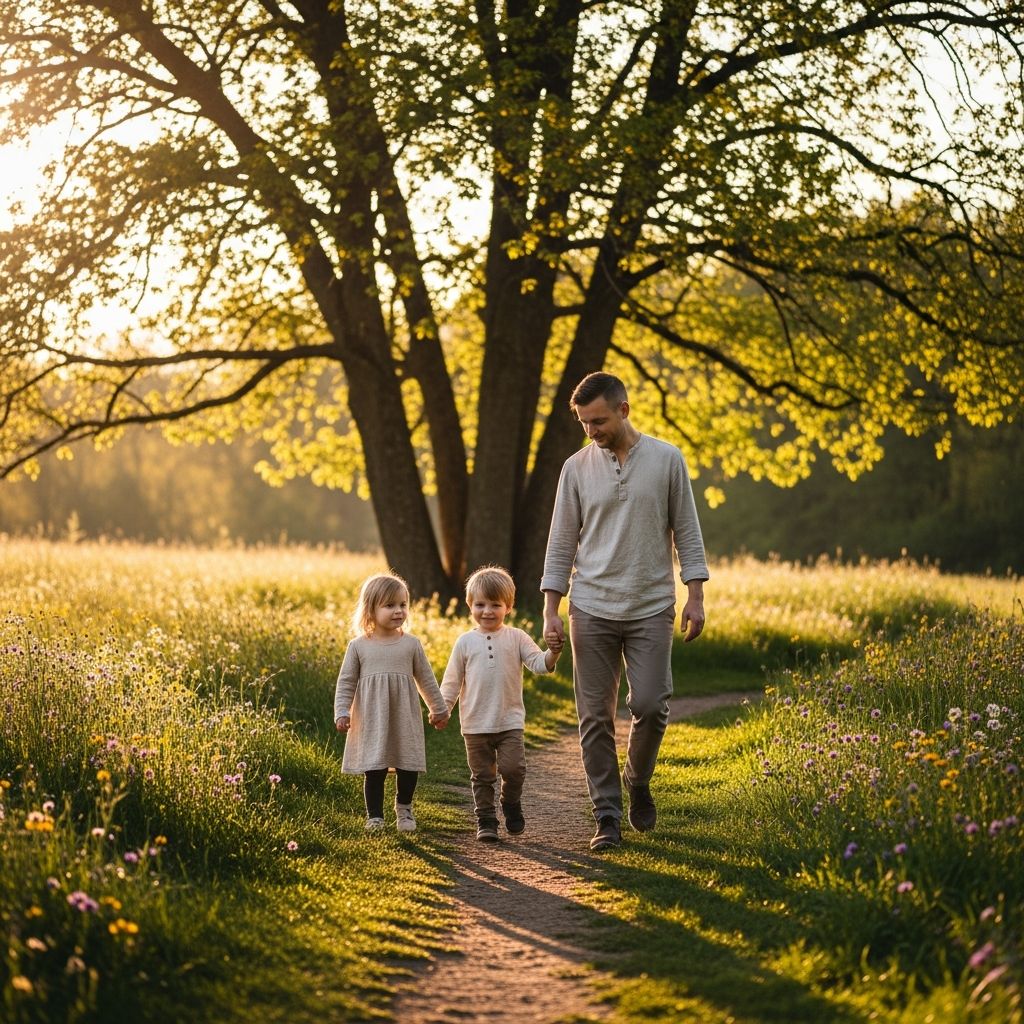
Peaceful parenting represents a transformative approach to raising children, prioritizing empathy, connection, and mutual respect over control and punishment. This method equips parents with tools to handle daily challenges calmly, fostering environments where kids thrive emotionally and socially.
Understanding the Core Principles of Peaceful Parenting
At its heart, peaceful parenting shifts focus from reactive discipline to proactive relationship-building. Parents model self-control and validate emotions, teaching children to navigate feelings constructively. Key principles include emotional attunement, where caregivers recognize and respond to a child’s inner state, and collaborative problem-solving, which empowers kids to participate in solutions.
Unlike authoritarian styles that rely on fear, this approach views misbehavior as communication of unmet needs. By addressing root causes—such as hunger, fatigue, or overwhelm—parents prevent escalations. Research supports that children in empathetic homes develop secure attachments, leading to confident, resilient adults.
Key Benefits for Children and Families
Adopting peaceful parenting yields measurable advantages. Children gain emotional regulation skills by mirroring parental calm, reducing tantrums and enhancing focus. Families report fewer conflicts, as open dialogue replaces power struggles.
- Enhanced Emotional Intelligence: Kids learn to identify and express feelings, building lifelong coping mechanisms.
- Stronger Bonds: Trust fosters cooperation, with children more likely to seek parental guidance.
- Reduced Stress: Harmonious homes lower anxiety for all members, promoting mental health.
- Improved Self-Esteem: Validation and autonomy cultivate confidence and responsibility.
Studies indicate securely attached children, often from peaceful environments, exhibit better academic performance and peer relationships.
Practical Strategies to Implement Daily
Transitioning to peaceful parenting starts with self-awareness. Parents practice mindfulness to pause before reacting, using deep breaths or mental resets during tense moments.
| Challenge | Traditional Response | Peaceful Alternative |
|---|---|---|
| Tantrum in public | Yelling or timeout | Validate feelings: “I see you’re upset. Let’s breathe together.” Guide to calm space. |
| Sibling fight | Punish both | Listen to each: “What happened? How can we fix it?” Teach empathy. |
| Homework refusal | Force compliance | Connect first: “Tough day? Break it into small steps with me.” |
Consistent routines reinforce these habits. Daily check-ins, like sharing highs and lows, build connection. Positive reinforcement—praising effort over outcomes—encourages intrinsic motivation.
Building Parental Emotional Resilience
Success hinges on parents’ self-regulation. Techniques include journaling triggers, seeking support groups, and prioritizing self-care. When parents manage stress, they model resilience, breaking generational cycles of reactivity.
Mindfulness apps or short meditations help sustain calm. Over time, this reduces yelling by up to 80%, per parental reports, creating quieter homes.
Addressing Common Misconceptions
Critics claim peaceful parenting is permissive, but it maintains firm boundaries with empathy. Limits are set lovingly, using natural consequences—like cleaning up a mess—to teach accountability, not shame.
It’s not effortless; requires practice. Initial resistance from habits fades as benefits emerge. Evidence shows it outperforms punitive methods in fostering self-discipline.
Long-Term Outcomes and Scientific Backing
Longitudinally, peaceful parenting correlates with lower anxiety, depression rates, and stronger adult relationships. Securely attached individuals report higher life satisfaction.
The American Academy of Pediatrics endorses authoritative styles—high warmth, firm limits—like peaceful parenting, linking them to optimal development. A study in Child Development found such children score higher in emotional competence.
Frequently Asked Questions
Is peaceful parenting suitable for all ages?
Yes, adaptable from infancy to teens. Toddlers benefit from co-regulation; older kids from collaborative discussions.
Does it work for strong-willed children?
Particularly effective, as it addresses underlying needs, reducing defiance through connection.
How do I handle my own anger?
Pause, breathe, name the emotion. Apologize and repair: “I got upset; let’s try again.” Models accountability.
Can single parents use it?
Absolutely; focuses on quality connection, not quantity. Community support amplifies results.
What if my partner disagrees?
Lead by example; share resources. Unity strengthens impact, but individual practice helps.
Daily Routines for Lasting Change
Integrate habits like family meetings for airing grievances, playtime for bonding, and gratitude rituals. Track progress in a journal to celebrate wins.
For bedtime battles: Establish wind-down rituals with choices (“Story A or B?”), validating tiredness while guiding routine.
Mealtime meltdowns: Offer limited options, empathize hunger/frustration, involve kids in prep for ownership.
These build habits yielding cooperative, empathetic families.
Overcoming Challenges in Practice
Fatigue tests resolve. Partner with co-parent or friends for accountability. Books like Dr. Laura Markham’s Peaceful Parent, Happy Kids provide depth.
In high-stress scenarios, like divorce, prioritize consistency. Outcomes: Children feel secure amid chaos.
Measure success by connection quality, not perfection. Small shifts compound.
References
- Peaceful Parenting Guide: Strategies for Calm and Connection — MamaZen. 2023-05-15. https://www.mamazen.com/post/peaceful-parenting-guide
- Peaceful Parenting: What It Is, Benefits, & Tips for Practice — Choosing Therapy. 2024-02-10. https://www.choosingtherapy.com/peaceful-parenting/
- Powerful Possibilities of the Transformational Parenting Process — JAI Institute for Parenting. 2023-11-20. https://www.jaiinstituteforparenting.com/peaceful-parenting-method
- The Benefits of Peaceful Parenting and How to Practice It — JAI Institute for Parenting. 2024-01-05. https://www.jaiinstituteforparenting.com/the-benefits-of-peaceful-parenting-and-how-to-practice-it
- The Benefits Behind Peaceful Parenting — Coach Crystal. 2023-08-12. https://www.coachcrystal.ca/blog/peaceful-parenting
- Peaceful Parenting: How-To, Benefits, Side Effects, and Examples — Healthline. 2024-06-18. https://www.healthline.com/health/parenting/peaceful-parenting
- What is a Peaceful Parent? — Peaceful Parent Happy Kids. 2023-03-01. https://www.peacefulparenthappykids.com/guide/peaceful-parenting