Video gaming has transformed from a fringe activity into a mainstream pursuit embraced by families worldwide. Recent data reveals that parents are more receptive than ever to their children’s gaming interests, viewing them not just as entertainment but as avenues for personal growth and professional paths. This shift reflects broader cultural changes, where gaming fosters creativity, social connections, and even competitive opportunities.
Shifting Attitudes: From Skepticism to Support
Over the past few years, parental perceptions of video games have undergone a remarkable evolution. Surveys indicate that a significant majority of parents now associate gaming with positive outcomes for their children. For instance, nearly 63% of parents report witnessing beneficial impacts from their kids’ gaming habits, a trend amplified since the pandemic when daily playtime surged by almost 50%, from 2.2 to 3.1 hours on average. This openness stems from firsthand observations of improvements in areas like problem-solving and emotional well-being.
Male parents tend to be even more optimistic, with 57% viewing gaming’s influence as predominantly positive compared to 38% of female parents. Overall, only 15% see it as mostly negative, while 36% perceive neutral effects. This positive lean is particularly evident among families where children actively game, suggesting that exposure dispels myths of inherent harm.
Key Benefits Parents Observe in Gaming
Parents highlight several tangible advantages from their children’s gaming experiences. Logical thinking tops the list, with 62.9% noting enhancements in critical reasoning skills—benefits corroborated by cognitive research on strategic gameplay. Reaction time improvements are reported by 49.7%, and 61% link gaming to increased happiness, attributing it to immersive worlds that boost mood and engagement.
- Cognitive Development: Games demanding strategy and quick decisions sharpen mental acuity.
- Social Skills: Multiplayer modes help shy children build friendships in low-pressure virtual environments.
- Mental Health Boost: Half of parents believe gaming positively affects emotional health and interpersonal abilities.
Experts like Joshua Prieur, EdD, emphasize gaming’s role in cultivating a growth mindset, where challenges encourage persistence without fear of failure. This mindset translates to real-world resilience.
Gaming as a Viable Career Path
One of the most striking changes is parents’ recognition of gaming’s professional potential. Over 40% consider it a more fulfilling career than traditional roles like law or teaching. One-third even see esports scholarships as realistic for college-bound kids. Annual spending averages $1,000 per family on games and gear, underscoring investment in this hobby.
Career avenues include game development, streaming, content creation, and coaching. Hallie Zwibel, DO, notes that gaming provides socially anxious youth a safe space to hone interaction skills, mirroring team sports dynamics. However, experts caution that like athletics, it demands dedication and isn’t suitable for everyone.
| Career Opportunity | Description | Parental Support Level |
|---|---|---|
| Esports Athlete | Competitive gaming in tournaments | High (scholarship potential) |
| Game Developer | Coding and designing titles | Growing |
| Streamer/Content Creator | Building online audiences | Moderate |
| Coach/Coach Analyst | Training players | Emerging |
Persistent Concerns and Real Risks
Despite optimism, worries persist. Top concerns include online safety (20%), reduced physical activity (18%), excessive screen time (15%), violent content (13%), and addiction (13%). Over 64% of parents fear habit formation, and more than half worry about eye strain. Cyberbullying affects over 80% of teen gamers in some form, with 41% experiencing name-calling.
Sedentary habits can lead to sleep issues and isolation if unbalanced. Dr. Ted Baehr warns of potential aggression from certain media, advocating for content vetting.
Effective Strategies for Healthy Gaming
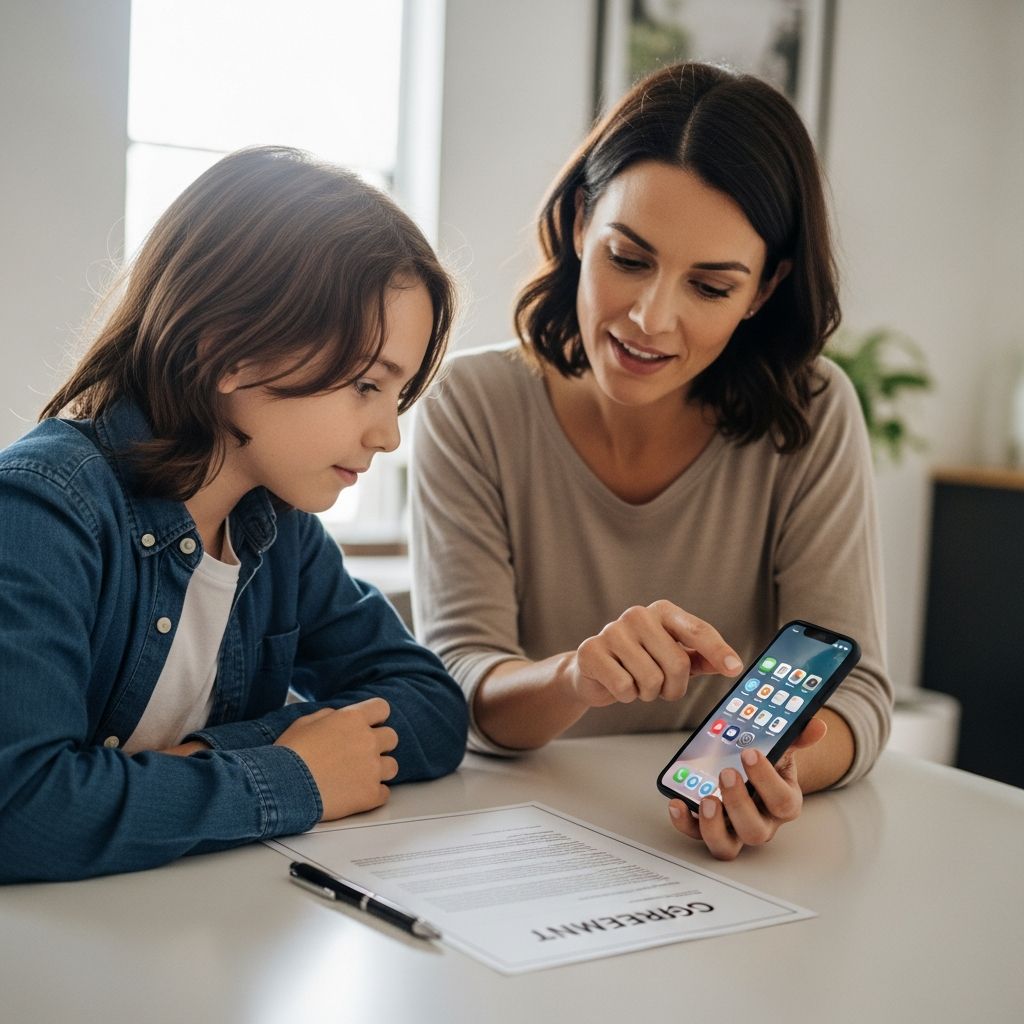
Proactive management is key. 79% of parents track usage closely, with 58% supervising in-room and others using digital controls. Common rules: 57.5% limit to specific times, 56.1% post-homework only, and 66% enforce time caps. The ESA reports 86% utilize parental controls, and 78% rely on ESRB ratings—though two-thirds misunderstand them.
- Establish clear daily limits tied to responsibilities.
- Co-play weekly to bond and monitor content (majority of parents do this).
- Promote balance with outdoor activities and breaks.
- Use tools like time trackers and chat filters.
- Foster open discussions about experiences.
87% monitor playtime, though this drops with age.
Navigating Age Ratings and Content Choices
Understanding ESRB ratings empowers informed decisions. Parents often ban games outright despite ratings, revealing knowledge gaps. Prioritizing E (Everyone) or T (Teen) for younger kids mitigates risks.
The Role of Family Involvement
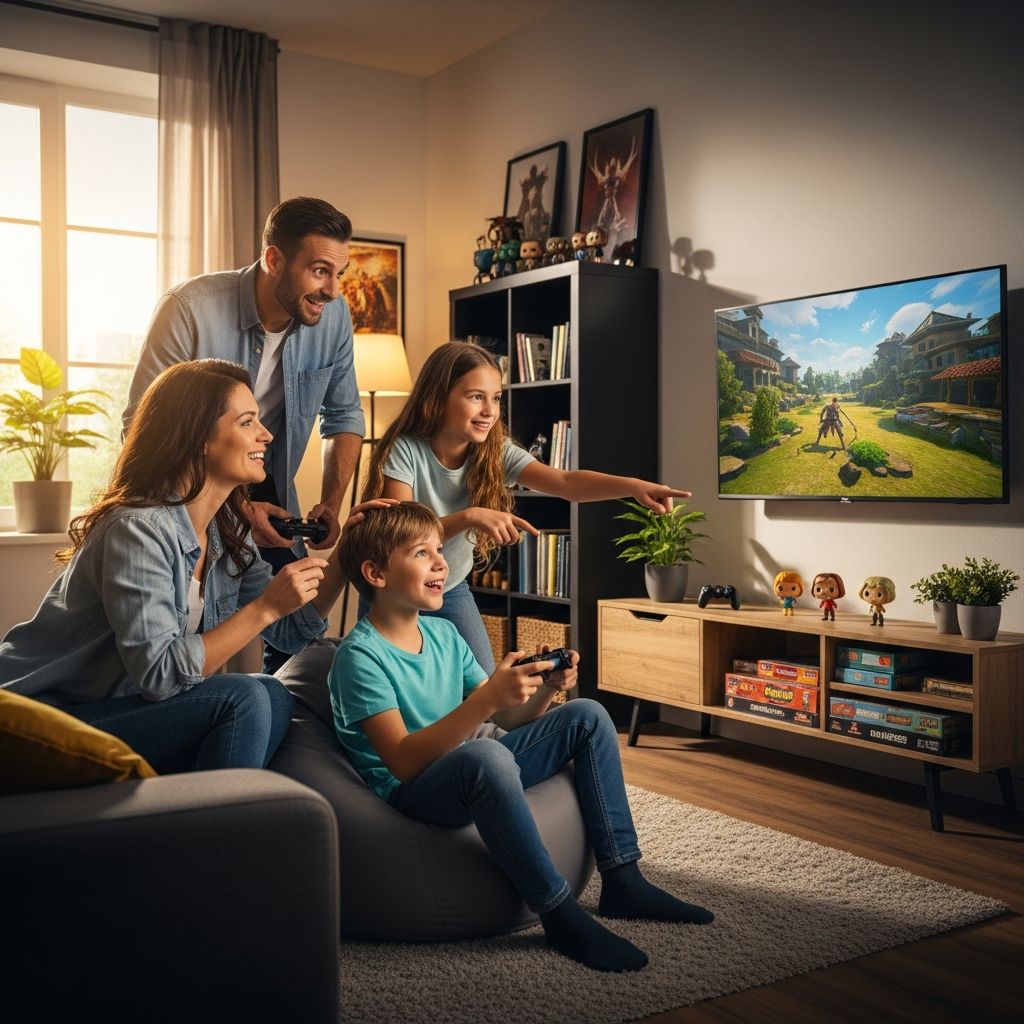
Joint gaming strengthens bonds. Marist Poll data shows most parents play weekly, turning screens into shared spaces. This involvement demystifies gaming, allowing real-time guidance on sportsmanship and resilience.
Future Trends in Family Gaming
As gaming integrates education and creativity, parental buy-in will grow. Platforms emphasizing learning could sway skeptics further. Marketers must promote transparency on playtime risks to maintain trust.
Frequently Asked Questions
How much gaming time is healthy for kids?
Most experts recommend 1-2 hours daily, balanced with exercise and sleep. Surveys show parents average 3.1 hours but enforce limits.
Can gaming lead to scholarships?
Yes, one-third of parents believe so, with esports programs expanding in colleges.
What are the biggest online risks?
Cyberbullying and unsafe interactions top lists, affecting 41% of teens.
Do video games improve skills?
Yes, 62.9% of parents note better logical thinking and reaction times.
How to prevent gaming addiction?
Set rules, monitor usage, and encourage diverse activities. 33% deny access due to addiction fears.
References
- Parents’ Perceptions on Children’s Video Game Habits — Frontier. 2023. https://frontier.com/resources/e-is-for-everyone-video-game-study
- Parents Care Less About Kids Gaming Habits, Survey Reveals — Movieguide. 2024. https://www.movieguide.org/news-articles/parents-care-less-about-kids-gaming-habits-survey-reveals.html
- Parents and Video Games, July 2025 — Marist Poll. 2025-07-23. https://maristpoll.marist.edu/polls/parents-and-video-games-july-2025/
- The Next Gen: Stats & Data on Kids’ Relationship with Video Games — GWI. 2024. https://www.gwi.com/blog/kids-relationship-with-video-games
- Annual ESA Study Reveals Video Games’ Universal Appeal — ESA. 2025. https://www.theesa.com/annual-esa-study-reveals-video-games-universal-appeal-across-generations/
- Children and Gaming: An Analysis of Parental Attitudes — Ygam. 2025-09. https://ygam.org/wp-content/uploads/2025/09/Children-and-Gaming-An-Analysis-of-Parental-Attitudes_Ygam-Mumsnet-2025-2.pdf