Parenting in 2026 reflects a collective exhale from rigid rules and social media pressures. Families prioritize sustainability, blending empathy with structure while leveraging technology mindfully. This evolution stems from lessons learned amid digital overload and post-pandemic realities, fostering environments where both parents and children thrive without performative ideals.
Embracing Hybrid Parenting Philosophies
Parents are moving beyond singular styles like strict gentle parenting toward **hybrid approaches** that mix empathy, boundaries, and practicality. Gen Z caregivers often combine warmth with firm limits, recognizing that unconditional validation alone doesn’t equip kids for real-world challenges.
This shift acknowledges child development needs: emotional security paired with accountability. For instance, instead of avoiding discipline, hybrids use age-appropriate consequences while validating feelings. Experts note this balances mental health support with resilience-building, reducing parental burnout.
- Core Elements: Validate emotions first, then guide behavior.
- Benefits: Kids learn self-regulation; parents avoid exhaustion.
- Implementation Tip: Use phrases like “I see you’re upset, and jumping is unsafe—let’s find a safe way to move.”
Split-Shift Strategies for Family Balance
**Split-shift parenting** gains traction as partners alternate focused child duties, allowing downtime for work, rest, or self-care. One parent handles kids while the other recharges, rotating equitably—such as weekend mornings or evenings.
This model combats unequal loads, especially in dual-income homes. Real examples include trading overnight baby shifts or afternoon family time after individual breaks. It promotes equity, preventing resentment and enhancing presence during joint activities.
| Shift Example | Parent A Role | Parent B Role |
|---|---|---|
| Saturday Morning | Full kid duty (breakfast, play) | Sleep in or errands |
| Sunday Morning | Sleep in or errands | Full kid duty |
| Weeknights | Dinner/bedtime | Work or unwind |
Adapt for single parents via community swaps or apps streamlining schedules.
Tech as Ally, Not Overlord
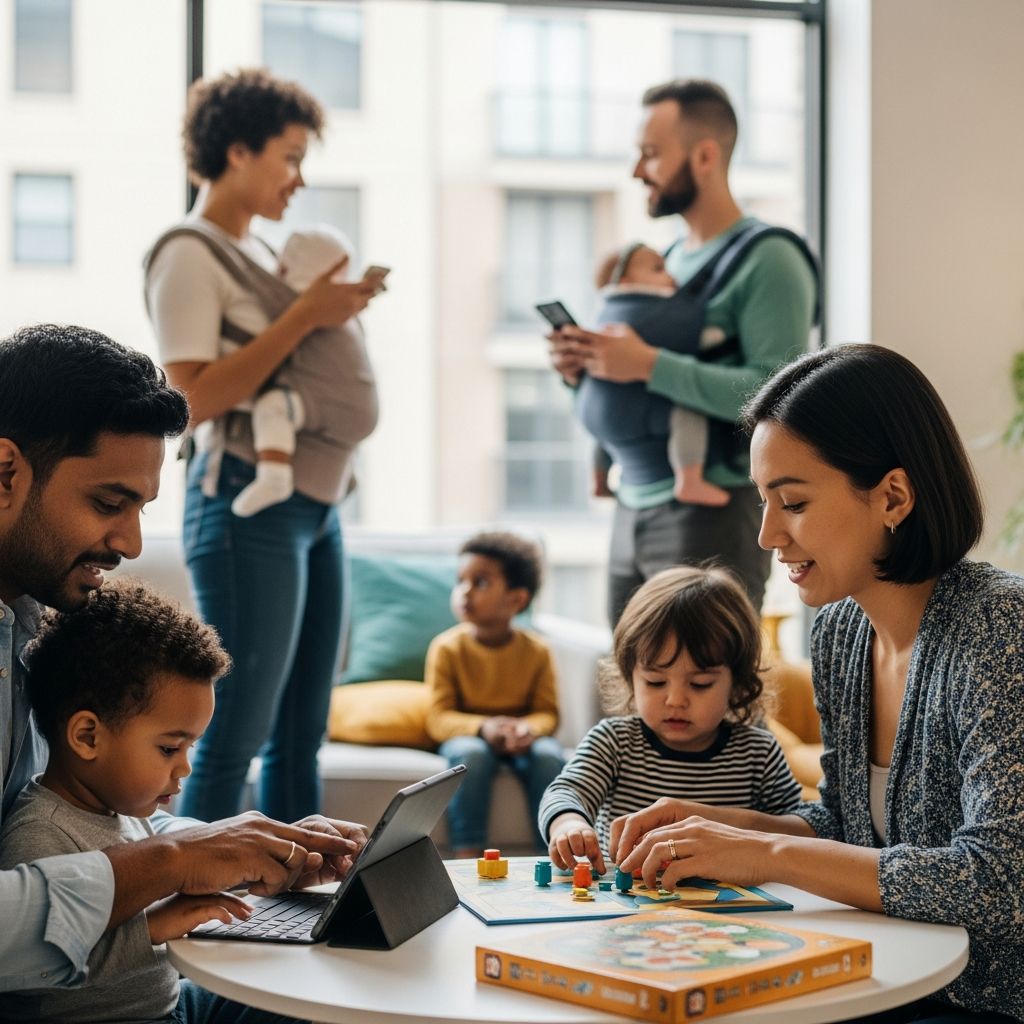
AI tools like scheduling apps and story generators ease decision fatigue, freeing mental space for bonding. Parents use them for meal plans or routines but cap kids’ screens to encourage presence.
Intentional tech means adults model phone-free zones during meals or play. Apps fill ‘village’ gaps but don’t replace real interactions. This duality—tech for efficiency, limits for development—defines 2026.
- AI Perks: Custom bedtime stories, chore trackers.
- Guardrails: No screens under 2; family tech timeouts.
Breaking Intergenerational Cycles
A key trend: confronting past traumas to halt harmful patterns. Parents share stories of ditching yelling or rigid roles, fostering open emotional dialogue.
Gen Z prioritizes therapy-informed practices, like discussing feelings freely and rejecting gender stereotypes in chores. Outcomes? Kids fear less, trust more, and view home items neutrally.
Practical steps include reflective journaling or family check-ins: “What made you feel safe/unsafe today?” This heals while models vulnerability.
Ditching Perfection for Authentic Homes
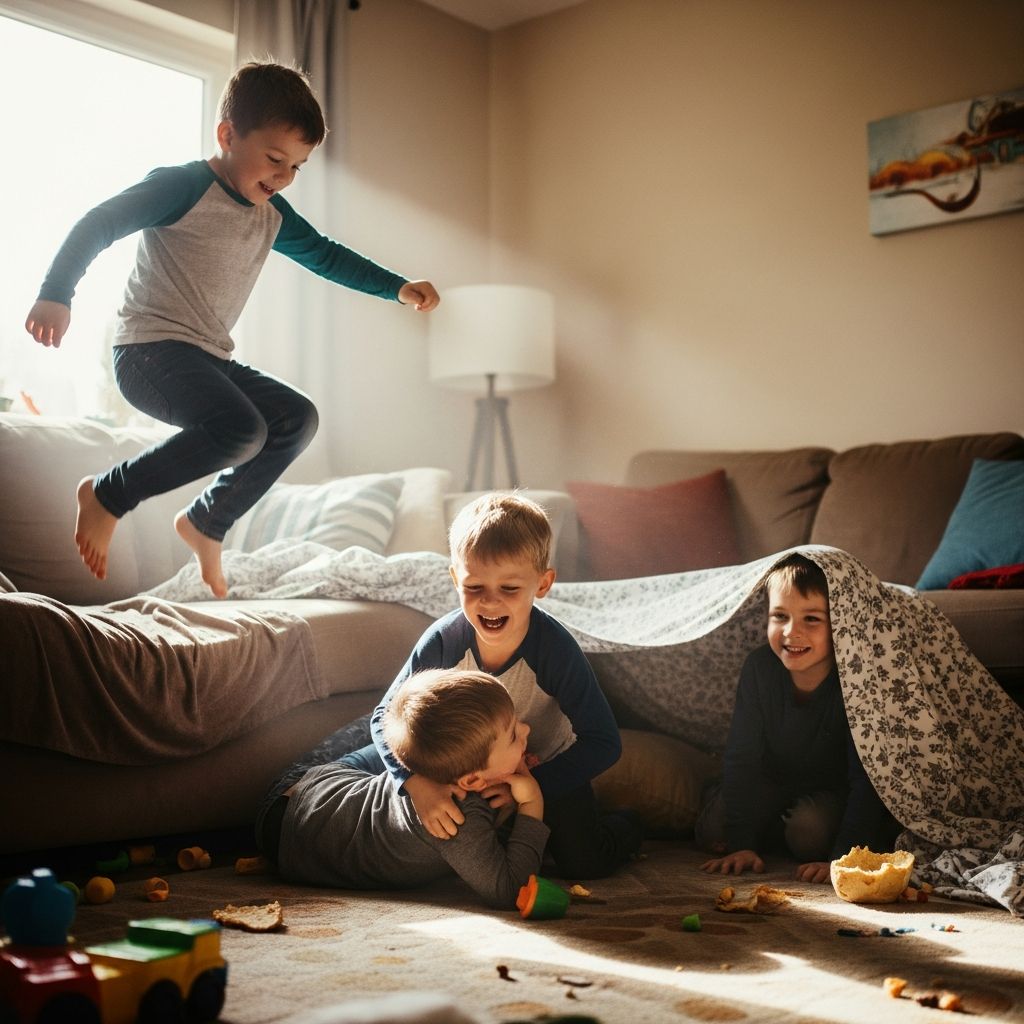
Goodbye Pinterest facades—2026 welcomes lived-in spaces with kid art on walls and toys in view. No more beige-fying homes or hiding childhood traces.
Trends axed: trendy kid rooms over functional ones, curated feeds over real hangs. Invite friends sans scrubbing; embrace mess as joy’s evidence.
This authenticity boosts mental health, ditching comparison traps. Focus shifts to connection: pizza nights, unstructured play over themed parties.
Reclaiming Boredom and Real-World Play
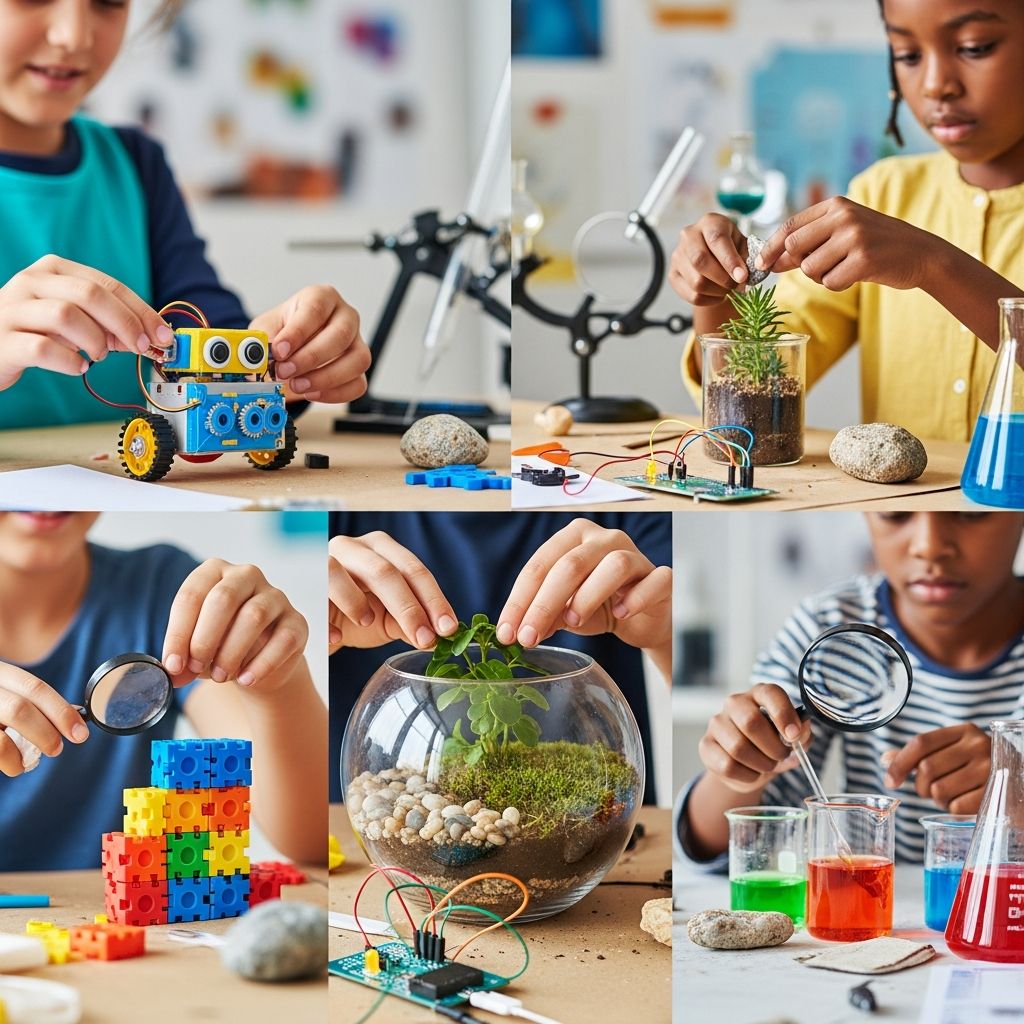
Overscheduling out; **boredom in**. Parents cut activities, trusting idle time sparks creativity. More parks, blocks, hide-and-seek—no screens.
Gen Z recognizes overstimulation’s toll, prioritizing outdoor exploration. Outcomes: better focus, self-entertainment skills.
- Activities to Embrace: Nature walks, open-ended toys.
- What’s Out: Back-to-back classes, constant stimulation.
Reviving Boundaries and Time-Outs
Say **yes to ‘no’** and smart time-outs. Ditch never-saying-no extremes; use direct language for safety. Time-outs, reframed as regulated breaks, teach pause-and-reflect.
Right way: Brief removal, explanation, debrief. Age-based: 1 minute per year. This builds self-regulation over suppression.
Analog Living and Skill-Building
**Analog trends** rise: board games, reading, hands-on skills like cooking. Teach laundry, budgeting early for capable kids.
Less hovering; more independence. This counters millennial over-involvement, prepping youth for autonomy.
Frequently Asked Questions
What is hybrid parenting?
A blend of gentle empathy and structured boundaries, adapting to family needs for balanced growth.
How does split-shift parenting work for singles?
Leverage co-ops, neighbors, or AI planners for equivalent breaks.
Is screen time totally banned in 2026 trends?
No—intentional use for parents; minimal, educational for young kids.
Why embrace boredom?
It fosters creativity, problem-solving without constant input.
Are time-outs outdated?
Not when done right: short, explanatory breaks promote self-regulation.
These shifts signal parenting’s maturation: less trend-chasing, more tailored thriving. Families report higher joy, less fatigue, proving flexible realism wins.
References
- 6 Parenting Trends to Keep on Your Radar in 2026 — The Bump. 2026. https://www.thebump.com/a/rising-parenting-trends
- 11 Parenting Trends Millennials Are Ditching In 2026 — Scary Mommy. 2026. https://www.scarymommy.com/parenting/parenting-trends-millennials-are-ditching-in-2026
- Parenting trends for 2026 — CHCH News (YouTube). 2026-01-06. https://www.youtube.com/watch?v=ivM3eZ-kPdo
- 2026 Parenting Trends We’re Excited to Embrace This Year — The Everymom. 2026. https://theeverymom.com/parenting-trends/
- Parenting Trends 2026: What’s In, What’s Out — Vero Beach Macaroni Kid. 2026. https://verobeach.macaronikid.com/articles/6942bba822eaac423da7d28d/parenting-trends-2026-whats-in-whats-out-and-what-moms-are-so-over