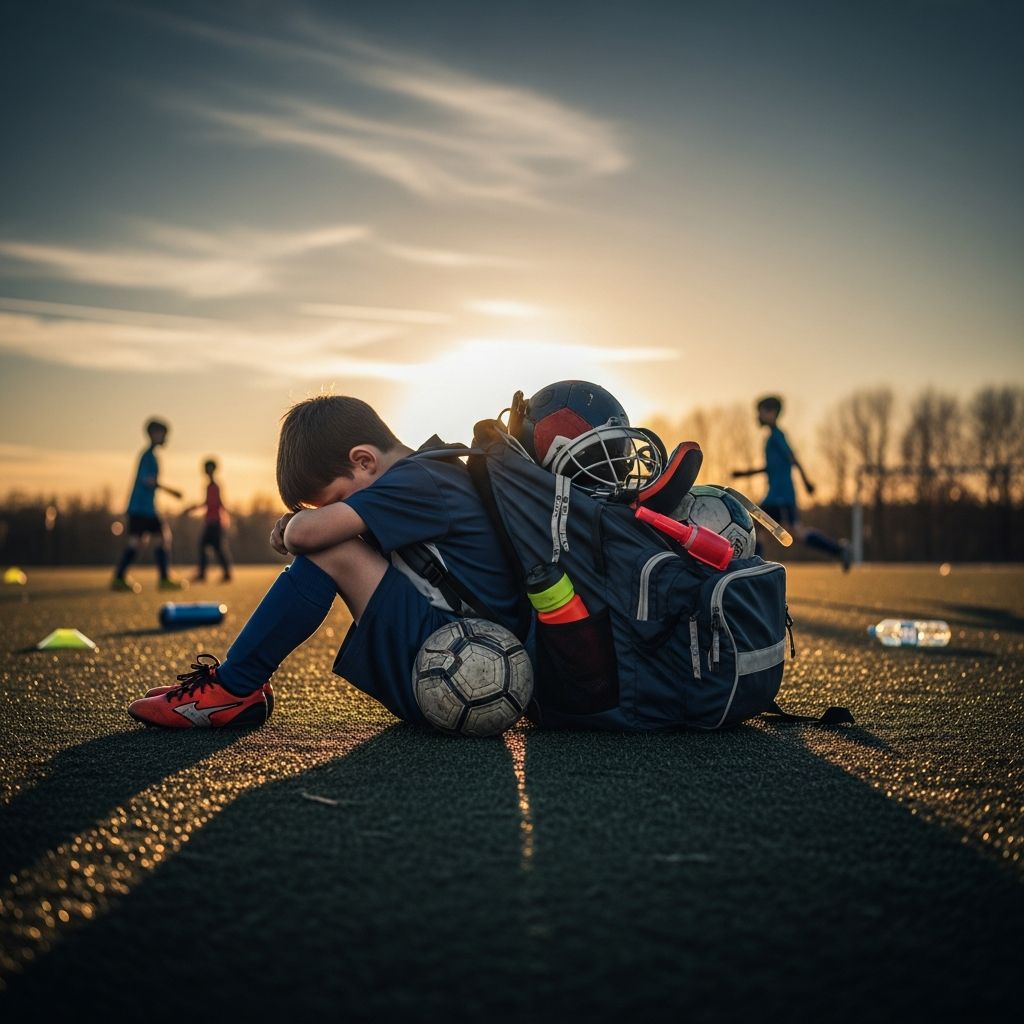
Youth sports offer invaluable opportunities for physical activity, social skills, and personal growth, but intense pressure to excel can transform these experiences into sources of stress and emotional strain for children. Shifting focus from winning to holistic development helps kids thrive without sacrificing joy or health.
The Hidden Toll of Competitive Intensity on Young Minds
Intensified competition in youth athletics often stems from dreams of scholarships or professional careers, yet it frequently results in heightened anxiety and stress among participants. Children facing constant expectations may tie their self-worth to performance outcomes, fostering fear of failure and emotional exhaustion.
Research highlights how specialization—focusing on one sport year-round—increases training hours, leading to social isolation, sleep deficits, and family time reduction. These factors compound to elevate burnout risk, where initial passion fades into resentment or dropout.
Recognizing Early Warning Signals of Stress in Young Athletes
Parents and coaches must stay vigilant for behavioral shifts indicating underlying distress. Key indicators include:
- Sudden withdrawal from team interactions or avoidance of practices, signaling potential social anxiety or depression.
- Frequent physical complaints like headaches or stomachaches without medical cause, often masking anxiety.
- Escalating mood swings, irritability, or outbursts, particularly after losses or poor performances.
- Loss of enthusiasm, with once-eager kids showing disinterest or resentment toward their sport.
Addressing these promptly through empathetic dialogue can prevent escalation. Early mental health support proves essential in restoring balance.
Burnout: The Silent Epidemic Stealing Sports’ Joy
Burnout manifests as physical fatigue intertwined with emotional depletion, often from relentless schedules and perfectionist demands. An estimated 70% of youth athletes quit by age 13, primarily due to burnout and overuse injuries, turning play into obligation.
High training volumes, frequent competitions, and external expectations create an environment ripe for exhaustion. When rest is sidelined, children experience decreased motivation, performance dips, and heightened depression risk. Long-term, dropouts face comorbidities like obesity and poor academic outcomes.
| Risk Factor | Impact on Youth Athletes | Source |
|---|---|---|
| Year-Round Specialization | Social isolation, anxiety, burnout | |
| Excessive Training Hours | Physical fatigue, sleep loss | |
| Performance Pressure | Fear of failure, self-doubt | |
| Limited Downtime | Emotional exhaustion, dropout |
Unintended Consequences of Parental and Coaching Behaviors
Adults unwittingly amplify pressure through sideline criticism, emotional outbursts, or overemphasis on victories. Children internalize these as measures of worth, leading to perfectionism and strained parent-child dynamics.
Unruly parental actions, such as cursing or aggressive reactions to referee calls, model poor frustration coping, normalizing hostility in young minds. Coaches’ inconsistent feedback or bullying tactics further erode confidence, as personal accounts reveal lasting mental health scars from ‘toughening up’ approaches.
Conversations dominated by sports analysis at home restrict social outlets, heightening isolation. Parents prioritizing athletic elite status over balanced life risk fostering resentment and performance anxiety.
Fostering Resilience: Strategies for Healthier Sports Participation
To counteract these pitfalls, emphasize enjoyment, skill-building, and teamwork over rankings. Encourage multi-sport participation to diversify skills and reduce injury risk from repetitive strain.
Model composure: Celebrate effort and learning from mistakes. Limit your involvement to positive reinforcement, avoiding post-game critiques. Ensure ample unstructured playtime to recharge.
- Promote balanced schedules with off-seasons and family downtime.
- Support academic and social pursuits equally to nurture well-rounded growth.
- Seek coaches who prioritize development and fun, vetting for positive environments.
- Monitor for overuse signs, consulting professionals for persistent issues.
Long-Term Benefits of a Pressure-Free Approach
Youth sports, when pursued for intrinsic rewards, build lifelong habits of fitness, discipline, and camaraderie. Reducing win-at-all-costs mentality sustains participation rates, curbing the dropout crisis and promoting mental resilience.
Studies affirm that balanced involvement yields better academic performance, stronger peer bonds, and sustained physical activity into adulthood, averting health risks tied to inactivity.
Frequently Asked Questions About Youth Sports Pressure
What causes most kids to quit sports early?
Around 70% drop out by age 13 due to burnout and injuries from over-scheduling and pressure, transforming fun into stress.
How can parents spot burnout in their child?
Watch for irritability, avoidance of practices, physical complaints, and loss of joy—intervene with open talks and rest.
Is sport specialization harmful?
Yes, it often leads to isolation, anxiety, and higher burnout; diversifying sports supports better mental health.
What role do parents play in kids’ sports stress?
Excessive expectations or sideline aggression heighten anxiety; model calm support and effort focus instead.
How to choose the right sports environment?
Prioritize coaches valuing fun and growth over wins, with balanced schedules to prevent overuse.
References
- The Good and Bad of Youth Athletics on Your Child’s Mental Health — Greater Boston Behavioral Health. 2023-10-15. https://greaterbostonbehavioralhealth.com/rehab-blog/youth-athletics-mental-health-impact/
- The Psychosocial Implications of Sport Specialization in Pediatric Athletes — National Library of Medicine (PMC). 2019-10-11. https://pmc.ncbi.nlm.nih.gov/articles/PMC6805069/
- Rising Pressure in Youth Sports is Getting Out of Hand — Flagler College Gargoyle. 2023-05-20. https://gargoyle.flagler.edu/rising-pressure-in-youth-sports-is-getting-out-of-hand/
- The Crisis In Youth Sports — Doximity Op-Med. 2022-08-12. https://opmed.doximity.com/articles/the-crisis-in-youth-sports
- Unruly sports parents’ effect on children’s mental health — Baylor College of Medicine. 2023-11-05. https://cdn.bcm.edu/news/unruly-sports-parents-effect-on-childrens-mental-health
- Keeping Perspective in Youth Sport — Association for Applied Sport Psychology. 2024-01-10. https://appliedsportpsych.org/resources/resources-for-parents/keeping-perspective-in-youth-sport/
- Youth Sports Facts: Challenges — Aspen Institute Project Play. 2023-09-18. https://projectplay.org/youth-sports/facts/challenges