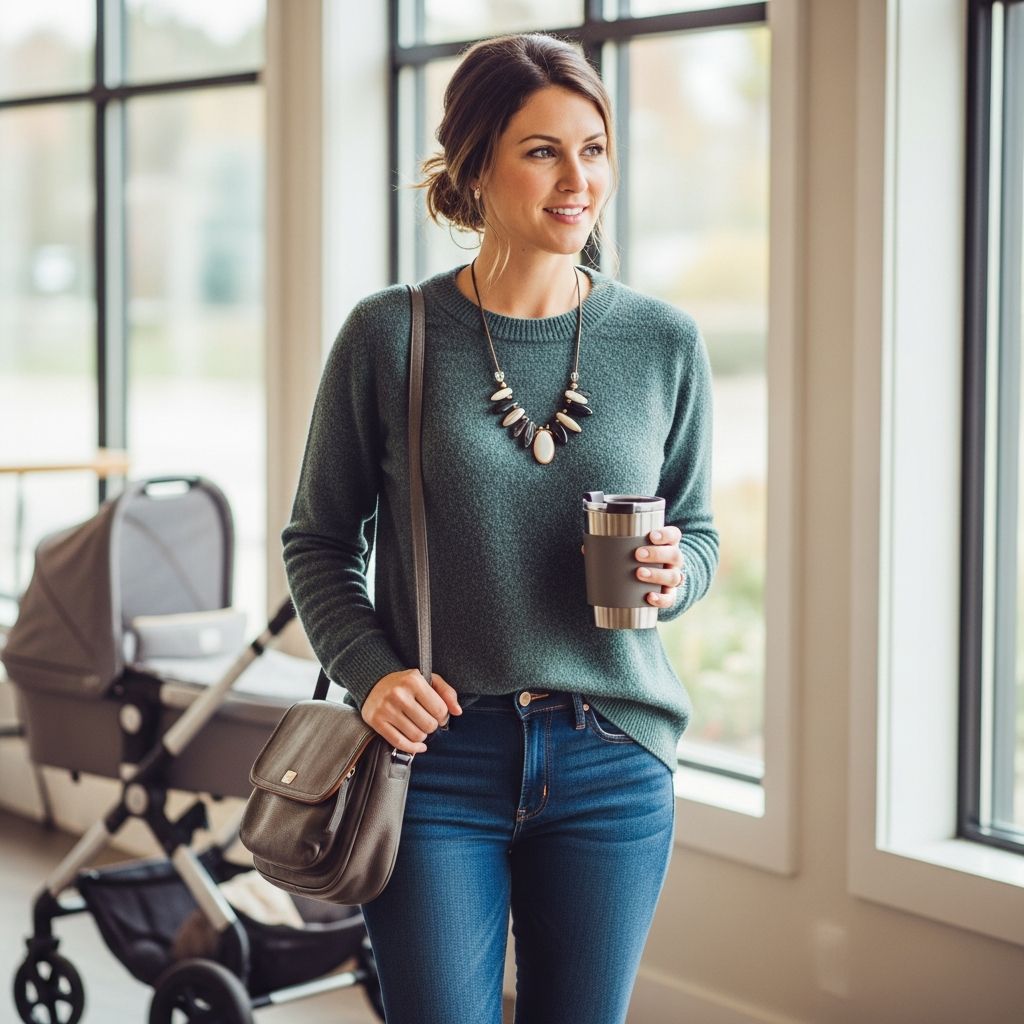
Many moms reach for the same well-loved sweatshirt every morning because it is easy, warm, and forgiving. Over time, though, that default can start to feel a bit tired, especially when your days mix playground runs with pediatrician visits, errands, and maybe a quick lunch with a friend. The goal is not to give up comfort but to find cozy pieces that feel just as relaxed while looking a bit more intentional.
This guide offers practical, realistic outfit ideas for moms who want to feel comfortable, mobile, and confident, without needing an overstuffed closet or an extra half hour to get dressed.
Why Moms Gravitate to Sweatshirts
There are good reasons sweatshirts become the unofficial mom uniform:
- Warmth and coverage: Soft fleece and long sleeves are comforting when you are often sitting, standing, and bending with kids.
- Forgiving fit: Relaxed cuts skim over changing bodies and postpartum curves without feeling restrictive.
- Easy to wash: Most sweatshirts can be tossed in the machine, which matters when spills are a daily reality.
- Low decision-making: One go-to top reduces the mental load of figuring out outfits during hectic mornings.
However, wearing the same silhouette every day can make many mothers feel stuck in a style rut. Research on clothing and mood suggests that what you wear can subtly affect confidence and self-perception, making it worthwhile to choose pieces that feel both comfortable and personally affirming.
Comfort First: Fabrics and Fits That Work for Real Life
Before thinking about specific pieces, it helps to understand which fabrics and fits work best for a busy, hands-on lifestyle.
Soft, Breathable Fabrics
Look for textiles that balance comfort, breathability, and durability:
- Cotton and cotton blends: Gentle on sensitive skin and breathable, making them ideal for everyday tops and dresses.
- Modal and TENCEL™ lyocell: Smooth, drapey fibers that feel soft and help manage moisture.
- Merino wool: Finer than traditional wool, naturally helps regulate body temperature and resist odors, so you can rewear between washes.
- Stretch blends (with elastane or spandex): Offer flexibility when lifting, carrying, and playing with children.
Fits That Move With You
When you are on the floor with toddlers or pushing a stroller uphill, restrictive clothing is impractical. Helpful features include:
- Relaxed shoulders and arms: For easy reaching and lifting without tugging fabric.
- Longer hems: To keep your back and midsection covered when you bend.
- Mid- to high-rise bottoms: These are less likely to slip down and often feel more secure around the abdomen.
Easy Tops That Feel Like Sweatshirts but Look More Polished
Instead of wearing the same hoodie on repeat, consider swapping it for pieces that offer the same ease with a slightly sharper look.
Cozy Knit Pullovers
A soft knit pullover can be just as comfortable as a sweatshirt while adding texture and structure.
- Lightweight sweaters: Ideal for layering, especially in transitional weather.
- Ribbed knits: Add visual interest and often have flattering stretch.
- Side-slit hems: Provide movement and can help the sweater sit better over curvier hips or postpartum bellies.
Relaxed Button-Front Shirts
Button-front tops in soft fabrics can feel surprisingly casual when styled simply.
- Chambray and denim shirts: Pair easily with leggings, joggers, or jeans and work open over a tee like a light jacket.
- Soft flannel: Warm and comfortable for cooler mornings, yet a step above a basic hoodie visually.
- Gauzy cotton or linen: Airy, breathable options for warmer days.
Structured Knit Tops
These pieces blend the ease of a T-shirt with more thoughtful details:
- Ponte knit tops: Made from a more structured knit that keeps its shape and does not wrinkle as easily.
- Tunic-length T-shirts: Slightly longer tees that cover the hips and pair well with leggings.
- Henley tops: The button placket adds subtle detail while staying casual and practical for nursing.
Layering Pieces That Replace the Classic Hoodie
Instead of a standard sweatshirt or zip-up, consider layers that feel just as snuggly while widening your style options.
Cardigans: The Grown-Up Blanket
Cardigans act like wearable blankets but can shift from playground to coffee shop without feeling underdressed.
- Open-front cardigans: Easiest to throw on over almost anything; ideal when your body is still changing size.
- Belted cardigans: Create some waist definition if you feel lost in looser shapes.
- Knee-length cardis: Offer warmth and coverage over leggings or slim jeans.
Casual Blazers and Soft Jackets
A blazer does not need to be stiff or office-only. Look for:
- Knit or ponte blazers: Stretchy, unlined styles that feel more like a cardigan but add structure to any outfit.
- Utility jackets: With pockets for snacks and wipes, they are practical and sturdy.
- Denim jackets: A classic layer that instantly makes leggings-and-tee outfits look deliberate.
Comfortable Alternatives Table
| Instead of… | Try… | Why it works for moms |
|---|---|---|
| Basic hoodie | Soft open-front cardigan | Same coziness with a longer line and more outfit flexibility. |
| Oversized college sweatshirt | Lightweight knit pullover | Less bulky, layers better under coats, looks more polished. |
| Zip-up fleece | Utility or denim jacket | Durable, practical pockets, and easy to style with basics. |
| Gym hoodie | Ponte or knit blazer | Elevates leggings and sneakers without feeling dressy. |
Bottoms That Feel Like Joggers but Look More Intentional
On days when you want to move beyond sweatpants, these options keep comfort at the forefront while looking more pulled together.
Pull-On Pants and Leggings Upgrades
- Ponte leggings: Thicker and more structured than standard leggings, offering more coverage and support.
- Jogger-style trousers: Soft waistbands and relaxed legs that taper at the ankle, so they feel sporty yet refined.
- Wide-leg knit pants: Comfy through the hips and thighs with a modern, relaxed shape.
Relaxed Denim
If you want to wear jeans but feel overwhelmed by stiff fabric, look for:
- Stretch denim: Blends that include elastane or a similar fiber to allow for movement.
- Mid-rise or high-rise waists: Provide support and coverage around the abdomen and back.
- Soft washes and broken-in finishes: Often more comfortable than rigid, dark new denim.
Postpartum- and Nursing-Friendly Outfit Ideas
The months after giving birth come with physical recovery, hormonal changes, and significant fatigue. Clothing that fits comfortably and supports breastfeeding can help new mothers feel more at ease.
Gentle Support and Easy Access
Postpartum bodies benefit from gentle, not constrictive, support.
- Soft, wireless bras: Reduce pressure on healing tissue and can make nursing more comfortable.
- High-rise leggings or joggers: Offer light abdominal support without digging into incisions or tender areas.
- Nursing-friendly tops: Wrap fronts, button plackets, or lift-up layers make feeding in public easier.
Simple Outfit Formulas
Ready-made outfit formulas reduce decision fatigue. A few reliable combinations include:
- Formula 1: Nursing tank + open cardigan + high-rise leggings + slip-on sneakers.
- Formula 2: Button-front shirt + stretchy pull-on pants + comfortable flats.
- Formula 3: Knit dress + bike shorts underneath + denim jacket + low-heeled boots.
Small Style Tweaks That Make a Big Difference
Many moms feel better in their clothes after making just a few small adjustments rather than replacing everything in the closet.
Color and Texture
- Neutrals for simplicity: Grays, navy, black, and soft beige mix easily so most items go together.
- One or two favorite accent colors: Use them in scarves, tees, or cardigans to keep outfits from feeling monotonous.
- Texture play: Pair smooth leggings with a chunky knit, or a crisp shirt with soft joggers for visual interest.
Shoes That Support an Active Day
Footwear matters when you spend long hours on your feet. Supportive shoes can help manage joint and back discomfort, which may increase during and after pregnancy.
- Cushioned sneakers: Ideal for long walks, playground time, and errands.
- Supportive flats or loafers: Offer a slightly more polished look for appointments or casual social events.
- Low-heeled boots: Can dress up simple outfits without sacrificing stability.
Building a Small, Reliable Everyday Wardrobe
You do not need many pieces to feel put together. A compact, mix-and-match wardrobe can simplify your mornings and keep laundry manageable.
Sample Mini Wardrobe Checklist
- 3–4 everyday tops (T-shirts, knit tops, or henleys)
- 2 polished but comfortable tops (soft button-downs or drapey blouses)
- 2 cozy layers (cardigans, knit pullovers, or soft jackets)
- 2 pairs of leggings or pull-on pants
- 1 pair of relaxed jeans or casual trousers
- 1 easy dress or jumpsuit
- 2–3 pairs of comfortable shoes (sneakers, flats/loafers, seasonal boots or sandals)
Most of these pieces can be combined in numerous ways, so you can reach for almost anything and know it will work together.
Frequently Asked Questions (FAQs)
How can I look more put-together without buying a new wardrobe?
Start by adjusting how you style what you already own. Roll or cuff sleeves, half-tuck a top into your waistband, add a simple necklace, or swap running shoes for clean sneakers or loafers. Small tweaks can make familiar clothes feel new without additional purchases.
I am constantly covered in spills. Is it worth wearing anything other than athletic gear?
Yes, as long as pieces are machine washable and not overly delicate. Choose darker colors or small patterns that hide stains, and prioritize fabrics that can handle frequent laundering. This way you maintain practicality while experimenting with different shapes and layers.
What should I focus on first if my budget is limited?
Begin with one versatile layer, such as a neutral cardigan or denim jacket, and one pair of comfortable, better-fitting bottoms. These two upgrades alone can transform T-shirts and basic shoes into more intentional-looking outfits.
Are dresses realistic for moms chasing toddlers?
Dresses can be very practical if you choose styles that allow free movement and add coverage underneath. Knit or T-shirt dresses worn with bike shorts and flat shoes let you bend, sit on the floor, and move quickly without worrying about hems riding up.
How do I balance comfort and body confidence after having a baby?
Look for soft, stretchy fabrics that do not cling in areas where you feel sensitive, and consider gentle support around the waistband or bust. Give yourself permission to wear a different size if it makes breathing, feeding, and moving easier. Over time, a few trusted outfits that feel good can support both comfort and self-image.
References
- Adam Hajo & Adam D. Galinsky, “The social psychology of dress: Expressive, instrumental, and symbolic functions of clothing” — Social and Personality Psychology Compass. 2012-01-01. https://doi.org/10.1111/j.1751-9004.2011.00416.x
- Hajo Adam & Adam D. Galinsky, “Enclothed cognition” — Journal of Experimental Social Psychology. 2012-07-01. https://doi.org/10.1016/j.jesp.2012.02.008
- Centers for Disease Control and Prevention, “Skin Exposures and Effects” — CDC/NIOSH. 2011-09-06. https://www.cdc.gov/niosh/topics/skin/skinfastfacts.html
- Lenzing AG, “TENCEL™ Lyocell Fibers” — Lenzing. 2023-01-01. https://www.tencel.com/b2b/product/tencel-lyocell-fibers
- International Wool Textile Organisation, “Benefits of Wool” — IWTO. 2020-06-01. https://iwto.org/benefits-of-wool/
- World Health Organization, “Postnatal care of the mother and newborn” — WHO. 2014-01-01. https://www.who.int/publications/i/item/9789241506649
- American College of Obstetricians and Gynecologists, “Exercise After Pregnancy” — ACOG. 2022-06-01. https://www.acog.org/womens-health/faqs/exercise-after-pregnancy