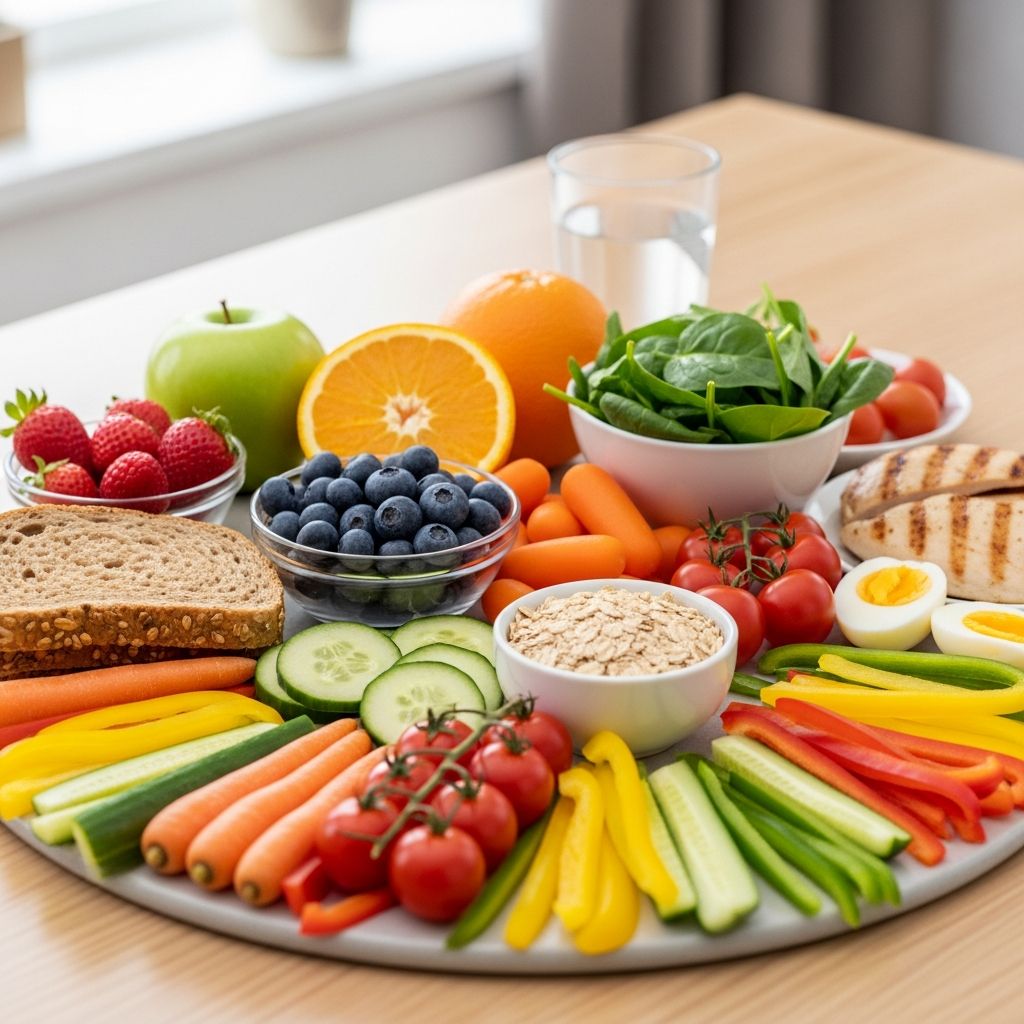
Teenagers experience rapid growth and increased activity levels, making balanced nutrition crucial for energy, focus, and overall wellness. Establishing smart food choices now lays the foundation for lifelong health.
Why Nutrition Matters During Teenage Years
The adolescent phase demands more calories and key nutrients to support bone development, muscle growth, and brain function. According to guidelines, teens aged 14-18 require specific daily intakes to meet these needs.
- Vegetables: 2.5-4 cups daily for vitamins and fiber.
- Fruits: 1.5-2.5 cups, prioritizing whole over juice.
- Dairy or alternatives: 3 cups of low-fat options for calcium.
- Grains: Focus on whole grains like oats and brown rice.
- Proteins: Lean sources including beans, fish, and nuts.
Inadequate intake can lead to fatigue, poor concentration, and weakened immunity, as noted in studies where nearly half of teens miss daily fruits or vegetables.
Core Components of a Teen-Friendly Diet
A winning diet emphasizes variety across food groups while limiting sugars, fats, and sodium. Official recommendations stress whole foods over processed ones.
| Food Group | Daily Goal (Ages 14-18) | Examples | Benefits |
|---|---|---|---|
| Vegetables | 2.5-4 cups | Carrots, spinach, broccoli, peppers | Fiber for digestion, vitamins for immunity |
| Fruits | 1.5-2.5 cups | Apples, berries, oranges, bananas | Antioxidants, natural energy boost |
| Grains | Half as whole grains | Oatmeal, whole wheat bread, quinoa | Sustained energy, gut health |
| Proteins | 5-6.5 oz equivalents | Chicken, eggs, lentils, tofu, nuts | Muscle repair, hormone balance |
| Dairy/Alternatives | 3 cups | Low-fat milk, yogurt, fortified soy | Strong bones, teeth health |
These targets adjust based on activity level; active teens may need more.
Building Daily Eating Routines
Consistency beats perfection. Aim for three meals plus one or two snacks to stabilize blood sugar and prevent overeating.
Start Strong with Breakfast
Skipping breakfast hampers focus and metabolism. Opt for nutrient-dense options like oatmeal with fruit or yogurt parfaits.
- Whole-grain cereal with low-fat milk and berries.
- Peanut butter on whole wheat toast with a banana.
- Smoothie blending spinach, yogurt, and frozen fruit.
Balanced Lunches for School Days
Pack or choose options rich in protein and veggies. Examples include turkey wraps with hummus or salads topped with beans.
- Whole-grain sandwich: turkey, lettuce, tomato, mustard.
- Quinoa salad with chickpeas, cucumber, and feta.
- Veggie stir-fry with tofu over brown rice.
Dinner Ideas Featuring Family Favorites
Keep dinners wholesome with lean proteins and colorful veggies. Grill fish with sweet potatoes or make bean chili.
- Baked chicken, roasted broccoli, and wild rice.
- Stir-fried tofu with bell peppers and snap peas.
- Lentil soup paired with a side salad and whole-grain roll.
Smart Snacks to Bridge Meals
Choose snacks that satisfy without excess calories, like carrot sticks with hummus or apple slices with nuts.
- Celery with peanut butter and raisins (ants on a log).
- Greek yogurt with a handful of almonds.
- Baked chips with fresh salsa.
Key Nutrients Teens Need Most
Certain vitamins and minerals are vital during growth spurts.
Fiber for Fullness and Digestion
Fiber promotes satiety and regularity. Sources: fruits with skins, whole grains, beans.
- Daily goal: 25-31 grams for teens.
- Boost with barley, split peas, or raw veggies.
Iron for Energy and Blood Health
Iron prevents anemia, common in teens. Pair plant sources with vitamin C.
- Fortified cereals, lean meats, spinach, dried fruits.
Calcium and Vitamin D for Bones
Peak bone-building occurs now. Low-fat dairy or fortified plant milks deliver both.
Hydration: The Unsung Hero
Water should be the primary drink, aiming for 8-10 cups daily. Ditch sugary sodas for infused water or unsweetened tea.
- Carry a reusable bottle.
- Flavor with lemon, cucumber, or berries.
- Limit juice to 1 cup max, prefer whole fruit.
Navigating Eating Out and Temptations
Fast food is inevitable; make wiser picks.
- Opt for grilled over fried items.
- Choose water or milk over soda.
- Add salads, skip creamy sauces.
- Portion control: smaller sizes or share.
Read labels for calories, sodium, and added sugars.
Overcoming Common Roadblocks
Busy schedules challenge healthy eating. Plan ahead: prep snacks, involve family in grocery shopping.
- Time crunch: Batch-cook grains and proteins.
- Picky tastes: Experiment with herbs, dips.
- Peer pressure: Pack alternatives or suggest group healthy swaps.
Track habits with apps or journals for awareness.
Sample Day of Eating for Active Teens
This 2,200-calorie plan suits moderately active 14-18-year-olds.
| Meal | Foods | Approx. Nutrients |
|---|---|---|
| Breakfast | Oatmeal (1 cup cooked), 1 cup strawberries, 1 cup low-fat milk | 400 cal, high fiber, calcium |
| Snack | Apple + 1 oz nuts | 250 cal, healthy fats |
| Lunch | Turkey sandwich (3 oz turkey, whole wheat bread, veggies), carrot sticks, yogurt | 550 cal, protein-packed |
| Snack | Hummus with celery and peppers | 200 cal, fiber boost |
| Dinner | Grilled salmon (4 oz), quinoa (1 cup), mixed greens salad | 600 cal, omega-3s |
| Evening | Banana with peanut butter | 200 cal, potassium |
Total: Meets veggie/fruit goals, balanced macros.
Frequently Asked Questions (FAQs)
What if I’m always hungry on a healthy diet?
Increase fiber-rich foods and water; they promote fullness without extra calories.
Can plant-based foods meet my protein needs?
Yes, combine beans, nuts, tofu, and grains for complete proteins.
How do I eat healthy on a budget?
Buy seasonal produce, bulk grains, frozen veggies; they retain nutrients.
Is it okay to eat fast food sometimes?
Occasionally, yes—choose wisely to balance the day.
What role does sleep play in eating habits?
Poor sleep increases junk food cravings; aim for 8-10 hours.
Long-Term Benefits of Smart Eating
Teens who prioritize nutrition reduce risks of obesity, diabetes, and heart issues later. It enhances mood, grades, and sports performance.
Small changes compound: more veggies today mean stronger bones tomorrow. Get family involved for support.
References
- Healthy Eating for Teens — Kaiser Permanente. 2023. https://healthengagement.kaiserpermanente.org/wp-content/uploads/18895-healthy-eating-for-teens-ada.pdf
- Healthy eating for teens — Government of Canada. 2023-01-01. https://food-guide.canada.ca/en/tips-for-healthy-eating/teens/
- Take Charge of Your Health: A Guide for Teenagers — National Institute of Diabetes and Digestive and Kidney Diseases (NIDDK). 2024. https://www.niddk.nih.gov/health-information/weight-management/take-charge-health-guide-teenagers
- Healthy Eating for Teens — MyPlate.gov (USDA). 2024. https://www.myplate.gov/tip-sheet/healthy-eating-teens
- Tips to Support Healthy Routines for Children and Teens — Centers for Disease Control and Prevention (CDC). 2024. https://www.cdc.gov/healthy-weight-growth/tips-parents-caregivers/index.html
- Promoting Healthy Eating Habits and Patterns for Teens — Society of Behavioral Medicine. 2023. https://www.sbm.org/healthy-living/promoting-healthy-eating-habits-and-patterns-for-teens