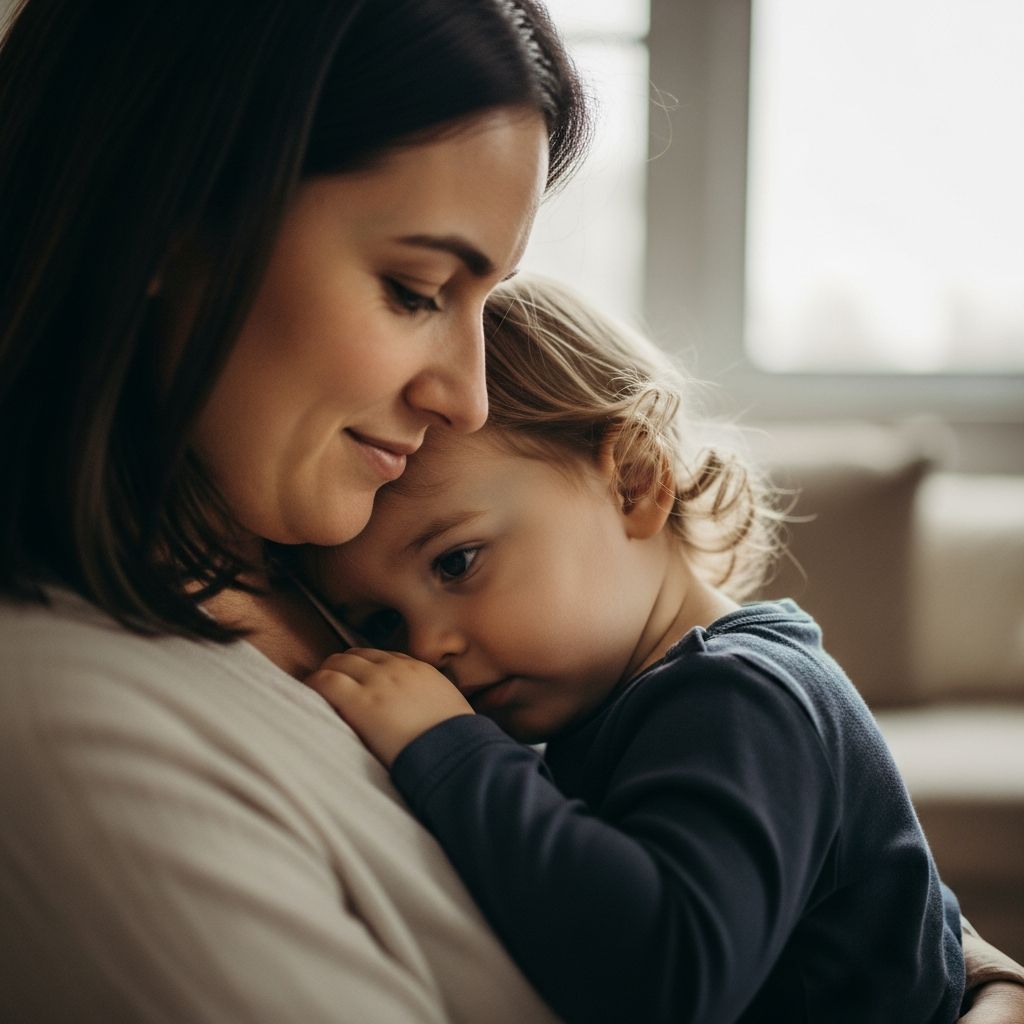
Recognizing Parental Separation Anxiety: A Complex Emotional Experience
As children grow and reach developmental milestones—whether starting school, attending overnight camps, or leaving home for college—parents often face an unexpected emotional challenge. Parental separation anxiety refers to the persistent worry, fear, or anxiety that caregivers experience when separated from their children. This phenomenon is more common than many parents realize, affecting individuals across different family structures and backgrounds.
The emotional landscape parents navigate during these transitions is multifaceted and deeply personal. While society often celebrates a child’s independence and growth, the parents facilitating that growth may experience complex, sometimes contradictory feelings that deserve acknowledgment and understanding.
The Spectrum of Parental Emotions During Separation
When facing separation from their children, parents typically encounter a diverse range of emotions that can feel overwhelming or confusing. These feelings are neither unusual nor indicative of poor parenting. Instead, they represent a natural response to significant life changes.
The emotional experience often includes:
- Pride in witnessing their child’s growing independence and capabilities
- Excitement about the opportunities and experiences ahead for their child
- Fear of unknown situations and how their child will navigate new environments
- Worry about whether their child possesses the necessary skills to handle new responsibilities
- Disruption to established family routines and daily rhythms
- Grief stemming from the reduced frequency of physical presence and daily interactions
- Loneliness and a sense of identity shift as parenting roles evolve
These emotions are not merely acceptable—they are healthy, normal, and entirely expected during major transitions. Understanding this normalcy can help parents feel less isolated in their experience and more compassionate toward themselves.
Who Experiences Parental Separation Anxiety Most Intensely?
While parental separation anxiety can affect any caregiver, certain individuals may experience heightened emotional responses. Research indicates that parents with underlying mental health sensitivities are particularly vulnerable to intense separation anxiety.
Parents with increased susceptibility often include those who:
- Have a personal history of depression or anxiety disorders
- Experience generalized anxiety symptoms across multiple life domains
- Have struggled with mental health challenges previously
- Demonstrate heightened emotional sensitivity or reactivity
For these individuals, the transition may feel more acute, and the emotional intensity may persist longer. Recognizing one’s own mental health patterns and vulnerabilities can guide parents toward appropriate support and coping strategies.
The Connection Between Parental and Child Separation Anxiety
An important consideration in understanding parental separation anxiety is how it may influence children’s own emotional responses to separation. Research has explored the relationship between maternal separation anxiety and separation anxiety in children, revealing a nuanced connection.
Studies show that maternal separation anxiety demonstrates a positive correlation with separation anxiety in children during the same time period, though this relationship does not necessarily persist over extended periods. This suggests that a parent’s current emotional state can reflect in or influence a child’s immediate response to separation.
The mechanisms through which this occurs are complex. When parents struggle visibly with separation, children may pick up on these anxious cues and interpret separation as genuinely threatening. Conversely, children who perceive their parents as composed and confident may develop greater resilience in their own separation experiences.
How Parental Responses Shape Child Behavior
While parental anxiety may influence children’s responses, the way parents actively manage separations matters significantly. Well-intentioned parents sometimes inadvertently strengthen their child’s separation anxiety through overaccommodation.
Family accommodation—defined as modifications in parental behavior designed to avoid or reduce a child’s anxiety-related distress—can include practices such as:
- Allowing children to sleep in the parent’s bed rather than their own
- Avoiding leaving the child with babysitters or relatives
- Remaining present at playdates or birthday parties rather than allowing the child to attend independently
- Frequently checking on or calling the child during separations
Although these accommodations stem from compassion and a desire to comfort anxious children, they may paradoxically maintain or intensify child anxiety over time rather than diminishing it. Children learn that separation is something to fear when parents consistently protect them from experiencing manageable separations.
Attachment Security and Separation Experiences
A child’s attachment security—the degree to which they perceive their parents as reliable, available, and communicative—plays a crucial moderating role in how separation anxiety develops and persists.
Children with secure attachments separate more readily and experience less acute anxiety during separations compared with insecurely attached children. Furthermore, securely attached children recover more quickly upon reunification with their caregivers. This secure internal working model provides a psychological buffer against both separation anxiety and the potential negative effects of parental accommodation.
For parents concerned about their children’s separation anxiety, building and maintaining secure attachment through consistent, responsive caregiving provides a protective foundation. A child’s confidence in parental reliability and availability creates resilience that extends into separation situations.
Factors Contributing to Parental Separation Anxiety
Understanding the origins of parental separation anxiety can help parents contextualize their emotions and identify appropriate interventions. Multiple interconnected factors contribute to this experience.
Temperament and personality traits: Some parents possess naturally more anxious temperaments or higher sensitivity to perceived threats. These personality characteristics influence how they interpret and respond to separations.
Personal mental health history: Parents with existing anxiety disorders, depression, or other mental health conditions may experience heightened separation anxiety. Their nervous systems may be primed to perceive danger or loss more readily.
Life experiences and trauma: Previous experiences with loss, abandonment, or significant life disruptions can intensify parental separation anxiety. Parents who have experienced custody disputes, serious illness in a child, or other traumatic separations may carry heightened vigilance regarding future separations.
Environmental and relational factors: Parental over-protection or over-involvement in a child’s life can contribute to difficulty with necessary separations. Additionally, living in or having been raised in environments characterized by anxiety or insecurity may establish baseline patterns of worry.
When Separation Anxiety Becomes Concerning
While parental separation anxiety is normal and expected, certain warning signs indicate that professional support may be beneficial. Parents should consider seeking assistance from mental health professionals if:
- Emotional responses become so overwhelming they interfere with day-to-day functioning
- Anxiety prevents parents from managing normal responsibilities and activities
- Emotional intensity persists beyond one to two months following a significant transition
- Separation anxiety interferes with their ability to support their child’s independence and growth
- The experience triggers or exacerbates existing mental health conditions
Recognizing these markers allows parents to access appropriate support before separation anxiety significantly impacts their wellbeing or family dynamics.
Strategies for Managing Parental Separation Anxiety
Effective management of parental separation anxiety involves multiple complementary approaches tailored to individual circumstances and needs.
Emotional validation and normalization: Acknowledging that separation anxiety is a normal part of parenting transitions can reduce shame or self-judgment. Parents benefit from recognizing their emotions as valid responses to significant life changes rather than signs of weakness or inadequacy.
Reframing separation as growth: Consciously shifting perspective to view separation as enabling opportunity for child growth rather than loss can facilitate emotional processing. Parents who recognize their role in fostering independence often experience greater satisfaction despite the accompanying difficult emotions.
Maintaining connection while supporting independence: Parents can establish new connection rituals and communication patterns appropriate to their child’s developmental stage. These might include regular video calls, scheduled check-ins, or meaningful traditions that maintain relationship continuity despite physical distance.
Self-care and stress management: Prioritizing personal wellbeing through exercise, mindfulness practices, social connection, and activities outside the parental role helps parents manage anxiety and maintain emotional equilibrium.
Gradual exposure to separation: Rather than sudden, prolonged separations, building tolerance through incremental experiences allows both parents and children to develop confidence and resilience progressively.
Professional Support and When to Seek It
Mental health professionals offer valuable resources for parents struggling with separation anxiety that exceeds normal adjustment responses. Therapy can provide space to explore underlying anxiety patterns, develop coping strategies, and process complex emotions related to changing parental roles.
Cognitive-behavioral approaches help parents identify thought patterns contributing to anxiety and develop more balanced perspectives. Therapists can also help parents examine how their own separation anxiety might inadvertently influence their children and establish healthier response patterns.
Support groups specifically designed for parents experiencing life transitions offer community and practical strategies from others navigating similar experiences. These groups reduce isolation and provide concrete tools from parents who have successfully managed comparable challenges.
The Long-Term Perspective on Parental Transitions
While parental separation anxiety feels intense during active transitions, most parents eventually develop new equilibrium and find meaning in their evolving roles. The temporary disruption to identity and routine gradually resolves as parents establish new patterns and discover unexpected benefits to their children’s independence.
Many parents report that successfully navigating separation experiences strengthens their relationships with their children, as communication becomes more intentional and quality time more precious. The anxiety that accompanies transition often transforms into appreciation for their child’s growth and development.
Frequently Asked Questions About Parental Separation Anxiety
Is parental separation anxiety the same as my child’s separation anxiety?
No, they are distinct phenomena, though they may influence each other. Parental separation anxiety refers to the parent’s emotional experience, while child separation anxiety involves the child’s fear and anxiety about being separated from caregivers. However, research shows that a parent’s separation anxiety may correlate with a child’s separation anxiety during similar time periods.
How long does parental separation anxiety typically last?
Duration varies significantly among individuals. Most parents experience acute intensity during the initial transition period, usually resolving within one to two months as they adjust to new routines and realities. Some parents experience lingering emotional responses, while others move through the transition more quickly.
Can parental separation anxiety negatively impact my child?
If parents visibly struggle with anxiety and overaccommodate their child’s anxiety, children may develop increased anxiety about separation themselves. However, parents who acknowledge their emotions while maintaining appropriate boundaries and supporting gradual independence typically support healthy child development.
Should I hide my separation anxiety from my child?
Complete suppression is unrealistic and unnecessary. Instead, parents benefit from acknowledging emotions honestly while maintaining confidence about their child’s capability and the positive nature of the separation. This models healthy emotional processing and realistic perspectives on life transitions.
What if my separation anxiety persists beyond a couple of months?
Persistent anxiety lasting beyond one to two months, especially if it interferes with daily functioning, warrants consultation with a mental health professional. Therapy can help identify underlying factors and develop effective management strategies.
References
- On Topic: Parental Separation Anxiety — It’s Not Just Students Who Feel the Loss — Marquette University. 2025. https://today.marquette.edu/2025/09/on-topic-parental-separation-anxiety-its-not-just-students-who-feel-the-loss/
- Family Accommodation and Separation Anxiety: The Moderating Role of Child Attachment Security — Journal of Anxiety Disorders, National Center for Biotechnology Information. 2023. https://pmc.ncbi.nlm.nih.gov/articles/PMC10690319/
- What Is Separation Anxiety in Children? — Child Mind Institute. 2024. https://childmind.org/article/what-is-separation-anxiety/
- Relations Between Parental and Child Separation Anxiety — Journal of Child and Family Studies, National Center for Biotechnology Information. 2015. https://pmc.ncbi.nlm.nih.gov/articles/PMC4598341/
- Separation Anxiety – What Parents Should Know — Anxiety and Depression Association of America. 2024. https://adaa.org/learn-from-us/from-the-experts/blog-posts/consumer/separation-anxiety-what-parents-should-know