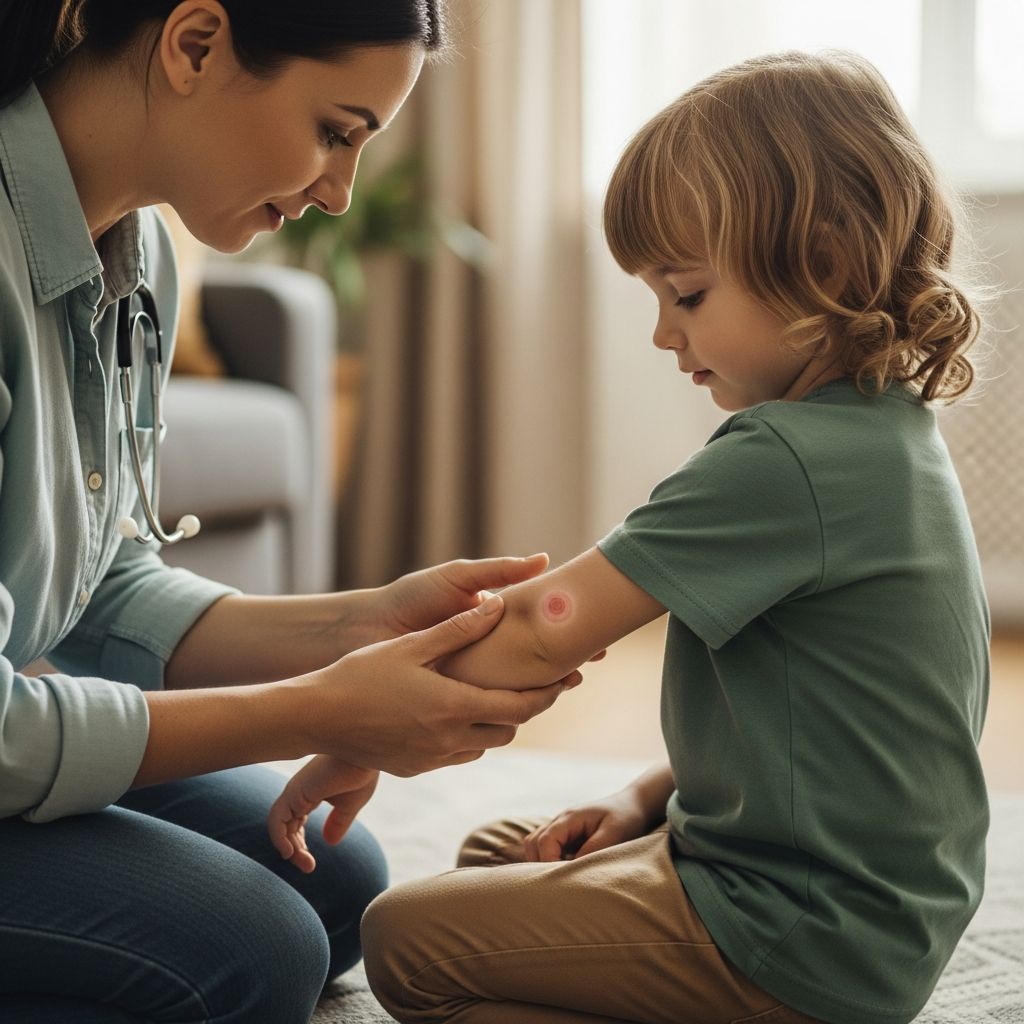
Panniculitis is a medical term for inflammation in the layer of fat just beneath the skin, and it can sometimes affect children as well as adults. Although the word sounds intimidating, many forms of panniculitis are treatable, especially when recognized early and evaluated by a healthcare professional.
What Is Panniculitis?
Just under the surface of the skin lies a layer of fatty tissue that helps insulate the body and cushion muscles and organs.
When this fat layer becomes inflamed, firm or tender lumps called nodules can develop, and this group of conditions is known as panniculitis.
Doctors consider panniculitis a descriptive term rather than a single disease, because many different triggers and underlying illnesses can cause the same pattern of inflammation in the fat layer.
How Panniculitis Looks and Feels
Children and adults with panniculitis usually notice changes in specific areas of the skin, as well as possible whole-body symptoms.
- Skin nodules or lumps: Firm, deep bumps under the skin that may feel tender or painful to the touch.
- Color changes: The skin over the nodules may look red, pink, or purplish, and can sometimes resemble bruises as they change over time.
- Common locations: Lower legs and feet are frequent sites, but the bumps can also appear on thighs, buttocks, arms, face, chest, or abdomen.
- Texture changes: The area may feel warmer than surrounding skin and can be slightly raised or have an uneven surface.
In more severe cases, the inflamed fat tissue can break down, leading to small areas of tissue damage that may drain an oily or yellowish fluid.
Whole-Body Symptoms Parents May Notice
Panniculitis affects more than just the skin in some children, especially when it is linked to an infection or an autoimmune disorder.
- Fever and chills or a feeling of being generally unwell.
- Fatigue and low energy that seem out of proportion to everyday activities.
- Joint or muscle aches, sometimes in areas not directly under the visible bumps.
- Unintentional weight loss or reduced appetite in prolonged or systemic forms.
Because these symptoms can overlap with many other illnesses, panniculitis often requires a careful evaluation to uncover what is happening under the skin and throughout the body.
Common Causes and Triggers
The inflammation that defines panniculitis can arise from several different causes, and sometimes no clear reason is ever found.
Understanding possible triggers helps guide testing and treatment decisions.
Infections and Immune Reactions
- Bacterial, viral, or fungal infections: Certain germs can directly or indirectly inflame the fat layer beneath the skin, sometimes after a sore throat, chest infection, or gastrointestinal illness.
- Autoimmune and inflammatory diseases: Conditions such as lupus, inflammatory bowel disease, or sarcoidosis can cause the immune system to attack tissues, including subcutaneous fat.
Physical and Environmental Factors
- Cold exposure: In some children, especially infants, prolonged contact with very cold objects or environments can lead to a form of panniculitis in exposed areas such as the cheeks or thighs.
- Trauma or pressure: Direct impact, repetitive friction, or intense exercise may irritate the fat layer, especially on the legs or buttocks, and trigger localized nodules.
Metabolic and Organ-Related Causes
- Pancreatic disease: In rare cases, inflammation of the pancreas can release digestive enzymes that circulate and inflame fat tissue under the skin, producing painful nodules.
- Connective tissue and blood disorders: Some systemic rheumatic conditions, lymphomas, or other blood-related illnesses can present with panniculitis as one of several signs.
When no clear trigger is detected despite thorough testing, doctors may describe the condition as idiopathic panniculitis, meaning the cause is unknown.
Types of Panniculitis You May Hear About
Healthcare professionals classify panniculitis in several ways, often based on where the inflammation sits within the fat layer and what underlying process is involved.
Parents may encounter specific names, each describing a particular pattern and common cause.
| Type | Typical Location | Common Associations |
|---|---|---|
| Erythema nodosum | Front of lower legs (shins) | Infections, medications, inflammatory diseases |
| Cold panniculitis | Exposed areas such as cheeks, thighs, or buttocks | Exposure to low temperatures or cold objects |
| Traumatic panniculitis | Sites of impact or pressure, often legs or buttocks | Direct injury, repetitive friction, or intense activity |
| Pancreatic panniculitis | Legs and sometimes trunk | Acute or chronic pancreatic disease |
| Mesenteric panniculitis | Fat tissue around the intestines inside the abdomen | Abdominal pain and digestive symptoms |
Not all of these forms are common in children, but recognizing the names can help parents follow conversations with specialists more comfortably.
How Doctors Diagnose Panniculitis
Evaluating panniculitis usually involves several steps, beginning with a detailed history and physical examination and followed by targeted tests.
Medical History and Physical Exam
- Review of recent illnesses such as sore throat, cough, diarrhea, or fever that might precede the skin changes.
- Questions about medications, recent travel, injuries, or exposure to cold or new environments.
- Full skin examination to assess the size, number, distribution, and color of nodules, as well as any joint swelling or other systemic signs.
Laboratory Tests and Imaging
- Blood tests: May look for signs of inflammation, infection, autoimmune antibodies, or problems with specific organs such as the pancreas or liver.
- Throat or stool cultures: Sometimes used to detect infections suspected of triggering panniculitis.
- Imaging studies: Ultrasound, X-rays, or more advanced scans may be ordered when deeper tissues such as the abdomen or chest are involved.
Skin and Fat Biopsy
A biopsy is often the most definitive way to diagnose panniculitis and determine its type.
- Under local anesthesia, a small piece of skin and underlying fat is removed and sent to a laboratory for microscopic examination.
- The pathologist studies the pattern of inflammation and tissue damage, helping distinguish panniculitis from infections or other diseases that can mimic it.
Although the word “biopsy” can sound scary, the procedure is usually brief, and children typically tolerate it well with proper numbing medicine and reassurance.
Treatment Options for Panniculitis
Treatment plans for panniculitis depend heavily on what is causing the inflammation, how severe the symptoms are, and whether internal organs are affected.
Many children experience improvement once the underlying trigger is controlled and the inflammation is calmed.
Targeting the Underlying Cause
- Antibiotics or antivirals: Used when a bacterial or viral infection is identified as a likely trigger.
- Managing autoimmune disease: If conditions such as lupus or inflammatory bowel disease are present, specialists may recommend medications that regulate the immune system.
- Treating organ-related issues: Pancreatic or other organ problems may require specific therapies that, once effective, often lead to improvement in panniculitis as well.
Medications to Ease Inflammation and Pain
- Nonsteroidal anti-inflammatory drugs (NSAIDs): Sometimes used to relieve pain, reduce swelling, and improve comfort.
- Corticosteroids: In more significant or systemic cases, doctors may prescribe steroid medications to quickly suppress inflammation, either as pills, liquids, or injections.
- Other immunomodulating drugs: For chronic or severe panniculitis linked to immune disorders, additional medications may be suggested by dermatologists or rheumatologists.
Supportive Care at Home
- Rest and elevation of the legs when nodules are on the lower limbs can help reduce discomfort and swelling.
- Cool or warm compresses, as recommended by the healthcare provider, may soothe sore areas and make walking or daily activities more comfortable.
- Comfortable, loose-fitting clothing reduces friction over tender nodules and can decrease irritation during healing.
Parents should always discuss over-the-counter pain relievers or topical creams with their child’s doctor before use, to ensure proper dosing and safety for the child’s age and health status.
Living With and Monitoring Panniculitis
Although some cases resolve quickly, others may follow a more prolonged course with episodes of improvement and flare-ups.
Ongoing communication with healthcare providers is key to tracking progress and adjusting the treatment plan as needed.
- Keep a simple symptom diary noting when new nodules appear, how long they last, and whether they are painful, as well as any fevers or other symptoms.
- Take photos of the affected areas over time to help the medical team compare changes at each visit.
- Follow up regularly with specialists such as dermatologists, rheumatologists, or gastroenterologists if panniculitis is part of a broader condition.
Many children with panniculitis eventually experience full or near-full resolution, though some may be left with small areas of thinning in the fat layer or slight skin color changes where the nodules once were.
When to Seek Immediate Medical Help
Most panniculitis evaluations can be scheduled with a primary care doctor or dermatologist, but some symptoms warrant urgent care.
- Sudden, severe pain in an area of panniculitis, especially if accompanied by high fever or worsening redness.
- Signs of systemic illness such as persistent vomiting, confusion, difficulty breathing, or chest pain.
- Rapid spreading of skin changes or development of open sores that drain significant fluid or appear infected.
In these situations, emergency evaluation helps rule out serious complications and ensures timely treatment.
Frequently Asked Questions About Panniculitis in Children
Is panniculitis contagious?
No. Panniculitis itself is not contagious because it is an inflammatory reaction in the fat layer, not an infection that spreads from person to person. However, if an underlying infection is present, that infection may be contagious depending on the organism involved, so good hygiene and medical guidance are important.
Can panniculitis come back after it heals?
Yes. Some children experience recurrent episodes, especially if the underlying cause is chronic or not fully treated, such as an autoimmune disease or repeated exposure to triggers like cold or trauma. Regular follow-up care and attention to known triggers can help reduce the risk of repeated flare-ups.
Will panniculitis leave scars?
In many cases, nodules gradually soften and disappear without leaving permanent scars, though mild discoloration or small areas of fat loss can remain. When deeper tissue damage occurs, there may be more noticeable texture or contour changes, which can sometimes improve over time.
Does panniculitis mean my child has a serious disease?
Panniculitis can appear as an isolated skin problem or as a sign of a more significant underlying condition, and only a complete medical evaluation can clarify which is true for a particular child. Many children ultimately are found to have causes that respond well to treatment, but it is important not to ignore persistent nodules, pain, or systemic symptoms.
What can parents do to support recovery?
Parents can help by keeping medical appointments, giving medications exactly as prescribed, and monitoring for new or worsening symptoms.
Offering emotional support, maintaining routines where possible, and working closely with the healthcare team all contribute to a smoother recovery and help children feel secure and understood.
Key Takeaways for Families
- Panniculitis refers to inflammation of the fat layer beneath the skin, which can cause tender nodules, color changes, and sometimes systemic symptoms in children and adults.
- Causes range from infections and autoimmune diseases to cold exposure, trauma, and organ-related problems, and in some cases no clear trigger is identified.
- Diagnosis often requires a combination of physical examination, blood tests, imaging, and biopsy, followed by treatments tailored to the underlying cause and symptom severity.
- With appropriate care and follow-up, many children with panniculitis recover well, and families play a vital role in recognizing changes early and supporting ongoing treatment.