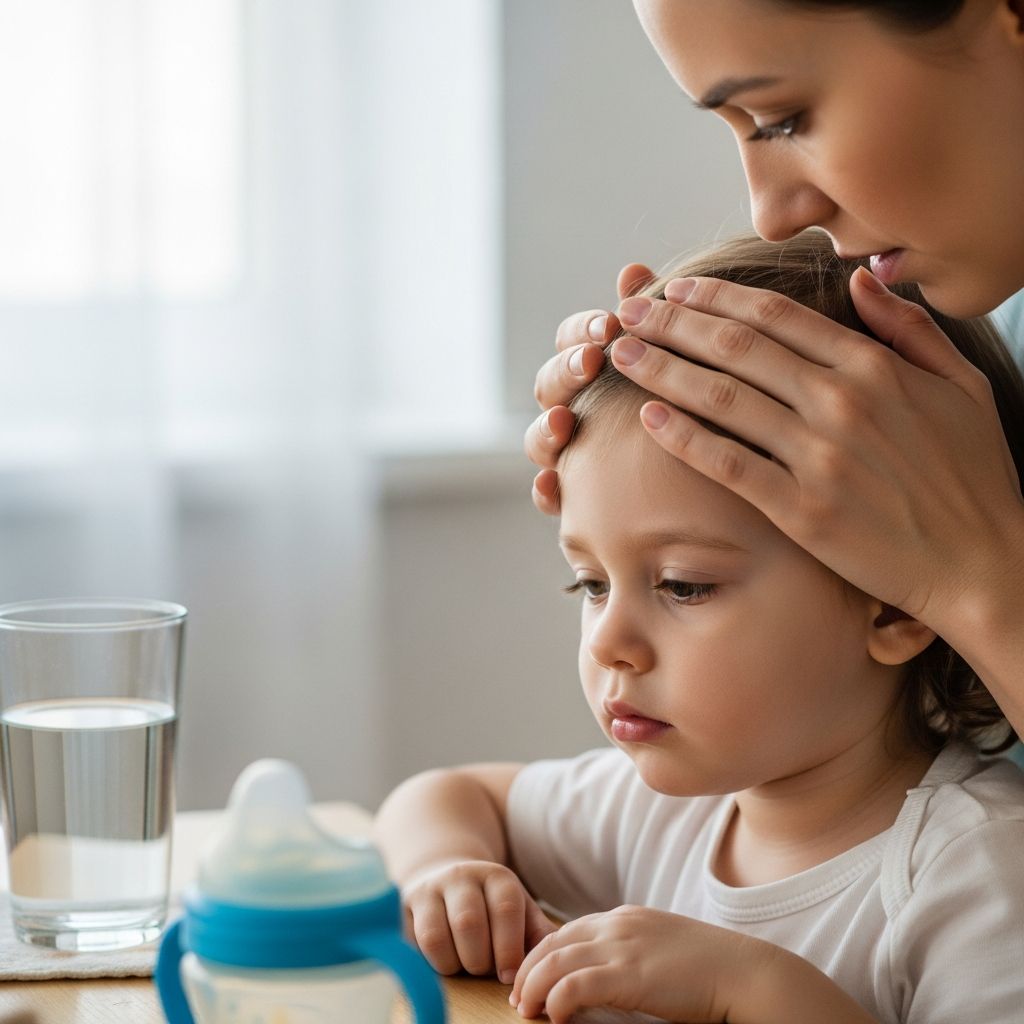
Painful urination, known medically as dysuria, affects many children and can stem from various sources ranging from simple irritations to infections requiring prompt attention. Parents often notice their child crying, squirming, or avoiding the toilet due to discomfort during peeing. Early recognition and appropriate response prevent complications like kidney involvement.
Understanding the Urinary System in Kids
The urinary tract consists of kidneys, ureters, bladder, and urethra, all working to filter waste and expel urine. In children, anatomical differences make them prone to certain issues: girls have shorter urethras increasing infection risk, while boys may face foreskin-related problems. Normal urine is sterile, but bacteria introduction leads to inflammation and pain.
Common Symptoms Across Age Groups
Symptoms vary by age, making diagnosis tricky. Infants may show non-specific signs, while older kids describe burning sensations.
Symptoms in Infants and Toddlers
- Fever without clear cause
- Irritability or fussiness
- Poor feeding or vomiting
- Foul-smelling or cloudy diapers
- Abdominal discomfort or diarrhea
- Failure to gain weight
These subtle cues often mimic other illnesses, so vigilance is key.
Symptoms in School-Age Children
- Burning or stinging during urination
- Frequent urges with little output
- Lower belly or back pain
- Blood or cloudiness in urine
- Daytime accidents in toilet-trained kids
- Fever, chills, or nausea
Older children might hold urine longer, worsening symptoms.
Primary Causes of Discomfort
Several factors contribute to dysuria; infections top the list, but non-infectious issues are frequent too.
Urinary Tract Infections (UTIs)
UTIs occur when bacteria like E. coli from the gut enter the urethra. Girls face higher risk due to anatomy; boys less so except in infancy. Incomplete bladder emptying or poor wiping habits exacerbate spread. Symptoms include urgency, frequency, and pain.
Local Irritations and Inflammation
| Condition | Affects | Triggers | Symptoms |
|---|---|---|---|
| Soap Vulvitis | Girls | Bubble baths, soaps, shampoos | Redness, itching, pain on peeing |
| Meatitis | Circumcised boys | Irritants like soaps | Red, sore penis tip |
| Foreskin Infection | Uncircumcised boys | Poor hygiene | Tender, pus-filled foreskin |
| Labial Fusion | Young girls | Low estrogen post-infancy | Itching, trapped debris |
These resolve quickly with hygiene changes.
Injuries and Trauma
Straddle injuries from bikes or playground falls bruise the urethra, causing bloody urine and pain. Rarely, foreign objects or sexual abuse in teens present similarly. Always rule out trauma history.
Other Contributors
- Dehydration concentrating urine
- Foods like asparagus altering odor
- Constipation pressing on bladder
- Rarely, STIs in adolescents
Persistent symptoms warrant checks for anatomical issues like vesicoureteral reflux.
How Doctors Diagnose the Problem
Diagnosis starts with history and exam. Key tests include:
- Urinalysis: Detects bacteria, white cells, blood.
- Urine Culture: Identifies specific bacteria for targeted antibiotics.
- Ultrasound: Checks kidneys/bladder for swelling.
- VCUG: Detects reflux in recurrent cases.
Catheterization may be needed for accurate infant samples.
Treatment Approaches
Treatment matches the cause, balancing home care with medical intervention.
Home Remedies for Mild Cases
- Hydration: Encourage fluids to dilute urine.
- Hygiene: Front-to-back wiping, avoid bubble baths, use plain water rinses.
- Vinegar soaks for irritation: 1 tbsp white vinegar in bath water.
- Pain relief: Acetaminophen or ibuprofen as dosed by age.
- Loose cotton underwear.
Most irritations improve in 1-2 days.
Medical Treatments for Infections
Antibiotics like trimethoprim or amoxicillin treat UTIs, typically 3-7 days. Follow full course to prevent resistance. Recurrent UTIs may need imaging or low-dose prophylaxis.
Comparison of Common Treatments:
| Issue | Home Care | Medical Care |
|---|---|---|
| UTI | Fluids, pain meds | Antibiotics, follow-up |
| Vulvitis/Meatitis | Vinegar baths, hygiene | Topical steroids if severe |
| Injury | Rest, ice | Surgery if torn |
Prevention Strategies for Parents
Proactive steps reduce recurrence:
- Promote frequent bathroom breaks, no holding.
- Teach proper wiping: front to back.
- Bathe daily with fragrance-free products.
- Ensure cotton underwear, avoid tights.
- Address constipation promptly.
- Regular well-child visits for early detection.
For high-risk kids, cranberry products show mixed evidence but may help.
When to Contact a Doctor Urgently
Seek immediate care if:
- Fever over 102°F (39°C) in infants
- Blood in urine
- Vomiting or severe pain
- Symptoms persist >24-48 hours
- Recurrent episodes
These signal possible kidney involvement or other issues.
Frequently Asked Questions (FAQs)
Why does my toddler cry every time she pees?
Often soap irritation or early UTI; check bath products and diaper area.
Can boys get UTIs too?
Yes, though rarer; uncircumcised boys risk foreskin issues.
Is painful urination always an infection?
No, irritants cause most cases in young kids.
How long do home treatments take?
Improvement in 24 hours; if not, see doctor.
Does circumcision prevent this?
It lowers UTI risk in infancy but not irritations.
Long-Term Outlook and Monitoring
Most children recover fully with treatment. Recurrent UTIs (3+ per year) may indicate reflux needing specialist care. Track episodes in a journal for doctor visits. With prevention, issues become rare post-puberty.
Empowering parents with knowledge ensures quick resolution, minimizing discomfort and promoting urinary health into adulthood.
References
- Pediatric Urinary Tract Infection (UTI) — Children’s National Hospital. 2023. https://www.childrensnational.org/get-care/health-library/urinary-tract-infection-uti
- Urinary Tract Infection in Children — Cleveland Clinic. 2024-01-15. https://my.clevelandclinic.org/health/diseases/12415-urinary-tract-infection-childrens
- Urination Pain in Boys — Children’s Hospital Colorado. 2023. https://www.childrenscolorado.org/conditions-and-advice/conditions-and-symptoms/symptoms/urination-pain-male/
- Urinary Problems and Injuries, Age 11 and Younger — Cigna. 2022-05-10. https://www.cigna.com/knowledge-center/hw/medical-topics/urinary-problems-and-injuries-age-11-and-younger-urin3
- Urinary Tract Infection (UTI) in Children — Yale Medicine. 2024. https://www.yalemedicine.org/conditions/pediatric-uti
- Urinary problems in children — Mayo Clinic. 2023-11-20. https://www.mayoclinic.org/symptom-checker/urinary-problems-in-children-child/related-factors/itt-20009075
- Urination Pain – Female — Seattle Children’s Hospital. 2024. https://www.seattlechildrens.org/conditions/a-z/urination-pain—female/