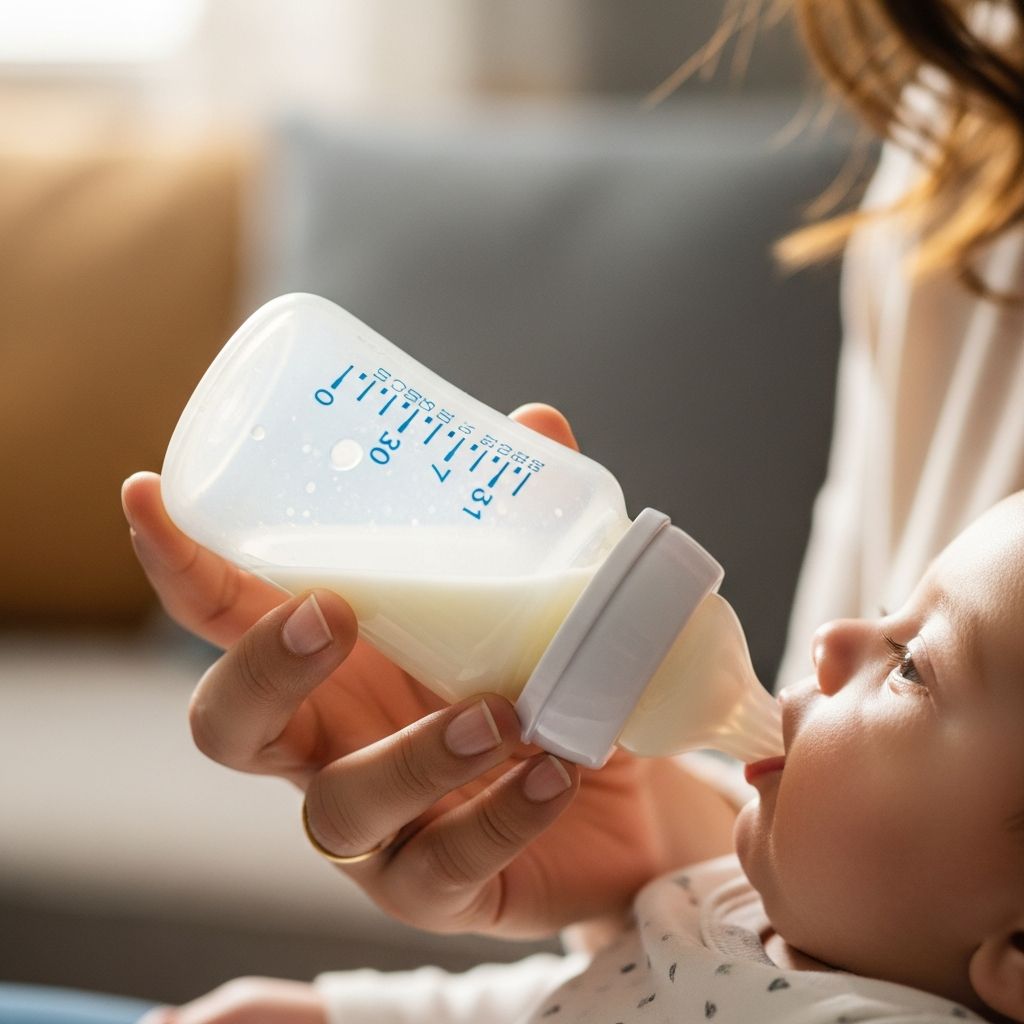
Paced bottle feeding is a responsive technique that allows infants to regulate their milk intake by slowing the flow to imitate breastfeeding rhythms. This method positions the baby semi-upright, holds the bottle horizontally, and incorporates pauses based on the baby’s cues, promoting self-regulation and digestive comfort.
Understanding the Fundamentals of Responsive Bottle Feeding
Traditional bottle feeding often relies on gravity, causing milk to flow rapidly into the baby’s mouth, which can override natural fullness signals. In contrast, paced feeding removes this pressure by controlling the bottle’s angle, enabling babies to suck at their preferred pace. This approach aligns with recommendations from pediatric experts for fostering healthy eating patterns from infancy.
Core elements include observing subtle signs like slowed sucking, turning away, or relaxed hands, which indicate satisfaction. Parents learn to interpret these cues, creating a dynamic interaction where the baby leads the session. Research shows this leads to longer feeds with slower rates but similar intake volumes, supporting maternal sensitivity especially when infant signals are less clear.
Key Advantages for Infant Health and Development
Paced bottle feeding offers multiple evidence-based benefits that extend beyond immediate comfort.
- Prevents Overfeeding: By slowing intake, babies signal fullness before excess consumption, reducing discomfort and potential long-term obesity risks.
- Minimizes Gas and Reflux: Slower feeding decreases air swallowing, easing bloating, spit-up, and ear infection risks associated with reclined positions.
- Supports Breast-to-Bottle Transition: Mimicking breast effort prevents nipple preference, helping breastfed babies accept bottles without refusing the breast later.
- Builds Self-Regulation: Babies practice pacing themselves, laying groundwork for mindful eating habits into toddlerhood.
- Enhances Parent-Baby Bonding: Responsive interactions strengthen emotional connections through attuned caregiving.
These outcomes are particularly valuable for exclusively bottle-fed infants, as well as those combining breast and bottle, promoting overall well-being.
Step-by-Step Instructions for Effective Paced Feeding
Mastering the technique requires practice, but consistency yields quick improvements in baby comfort.
- Prepare the Environment: Choose a quiet space. Ensure the bottle nipple is slow-flow, appropriate for age (e.g., newborn level up to 3-6 months).
- Position the Baby: Hold upright at a 30-45 degree angle against your chest, head supported but not tilted back. This prevents milk pooling.
- Angle the Bottle: Hold horizontally or slightly tilted so only the nipple tip fills with milk, not the entire bulb. Gravity is neutralized.
- Start Feeding: Allow baby to latch and suck actively. Feed for 20-30 seconds, then pause by lowering the bottle or switching arms.
- Observe Cues: Watch for hands opening/closing, sucking slowdown, or head turning. Burp midway and at end.
- Resume and Conclude: Offer bottle again if interested. End when baby shows disinterest, even if milk remains.
Sessions typically last 10-20 minutes, longer than traditional methods, but this duration aids digestion.
Choosing the Right Tools for Success
Equipment plays a crucial role in flow control.
| Item | Recommendations | Why It Matters |
|---|---|---|
| Bottle Nipple | Slow-flow (Level 1-2); wide-base for breast-like latch | Prevents flooding; supports transition |
| Bottle Type | Angled or straight with wide neck; anti-colic vents | Reduces air intake |
| Positioning Aids | Pillows for arm support | Prevents caregiver fatigue |
| Milk Volume | Start with 2-4 oz; adjust per cues | Avoids waste and pressure |
Experiment to find baby-preferred options, prioritizing responsive cues over rigid volumes.
Common Hurdles and Practical Solutions
New parents often face initial resistance as babies adjust from fast flows.
- Frustration from Slow Pace: Babies may root or fuss; persist with short sessions, gradually increasing pauses. Solution: Use familiar scents like mother’s clothing.
- Inconsistent Cues: Premature or medically complex infants may need professional guidance. Note: Paced methods shine here under supervision.
- Overfeeding History: If habitual, track intake over days to confirm stability. Smaller, frequent feeds help transition.
- Caregiver Fatigue: Involve partners; rotate roles to sustain engagement.
Consult pediatricians if reflux persists or weight gain falters.
Scientific Evidence Backing the Method
A 2024 study on PubMed compared paced, typical bottle, and breastfeeding in 29 mother-infant pairs. Paced feeding matched breastfeeding in maternal cue sensitivity when infant signals were subtle, significantly slowing rates without reducing intake. This underscores its role in responsive feeding.
Pediatric guidelines from the American Academy of Pediatrics emphasize cue-based feeding to curb overconsumption risks, aligning with paced principles despite some critiques favoring broader responsive strategies.
Real-World Applications Across Feeding Journeys
For breastfed babies receiving expressed milk, paced feeding preserves nursing rhythms, vital during returns to work. Formula-fed infants benefit from reduced spit-up, aiding sleep. Multiples or daycare scenarios thrive with trained caregivers using this uniform approach.
Long-term, it instills habits reducing childhood obesity odds, as self-regulated infants carry these skills forward.
Frequently Asked Questions
What age is best to start paced bottle feeding?
From newborn stage; ideal for all bottle-fed babies, especially transitioning from breast.
Does it work for formula feeding?
Yes, benefits like gas reduction apply universally.
How do I know if my baby is getting enough?
Monitor wet diapers (6+ daily), steady weight gain, and alertness. Intake stabilizes over time.
Can it increase feeding time too much?
Slightly longer sessions promote better digestion; most adapt within days.
Is paced feeding suitable for preemies?
Under medical advice, yes, as a therapeutic tool for coordination.
Integrating Paced Feeding into Daily Routines
Schedule around natural hunger windows: cluster feeds in evenings, spaced daytime sessions. Track patterns via apps for insights. Group sessions with siblings foster calm. Night feeds benefit from dim lights, maintaining upright posture to minimize reflux.
Partner training ensures consistency; demo videos reinforce technique. Celebrate small wins like fewer burps or satisfied sighs.
As solids introduce around 6 months, paced principles transfer: offer small portions, pause between bites, respect refusals. This continuity nurtures lifelong healthy attitudes toward food.
References
- Pace Bottle Feeding | Benefits and Disadvantages — Nourish Baby. 2023. https://nourishbaby.com.au/blogs/blog/paced-bottle-feeding
- Paced Bottle Feeding: How to Do It—and Why You Should! — Happiest Baby. 2023. https://www.happiestbaby.com/blogs/baby/paced-bottle-feeding
- Does paced bottle-feeding improve the quality and outcome of bottle-feeding? — PubMed (PMC). 2024-10-15. https://pubmed.ncbi.nlm.nih.gov/39693774/
- Pace Feeding: Definition, Benefits, and Step-by-Step Instructions — Healthline. 2023. https://www.healthline.com/health/baby/pace-feeding
- All About Paced Bottle Feeding — Dr. Brown’s Baby. 2023. https://drbrownsbaby.com/blogs/articles/all-about-paced-bottle-feeding
- Paced Bottle Feeding — Aeroflow Breastpumps. 2023. https://aeroflowbreastpumps.com/care-guides/post/paced-bottle-feeding
- Slow down, baby! The art of paced bottle-feeding — Welia Health. 2024-03-01. https://www.weliahealth.org/2024/03/slow-down-baby-the-art-of-paced-bottle-feeding/