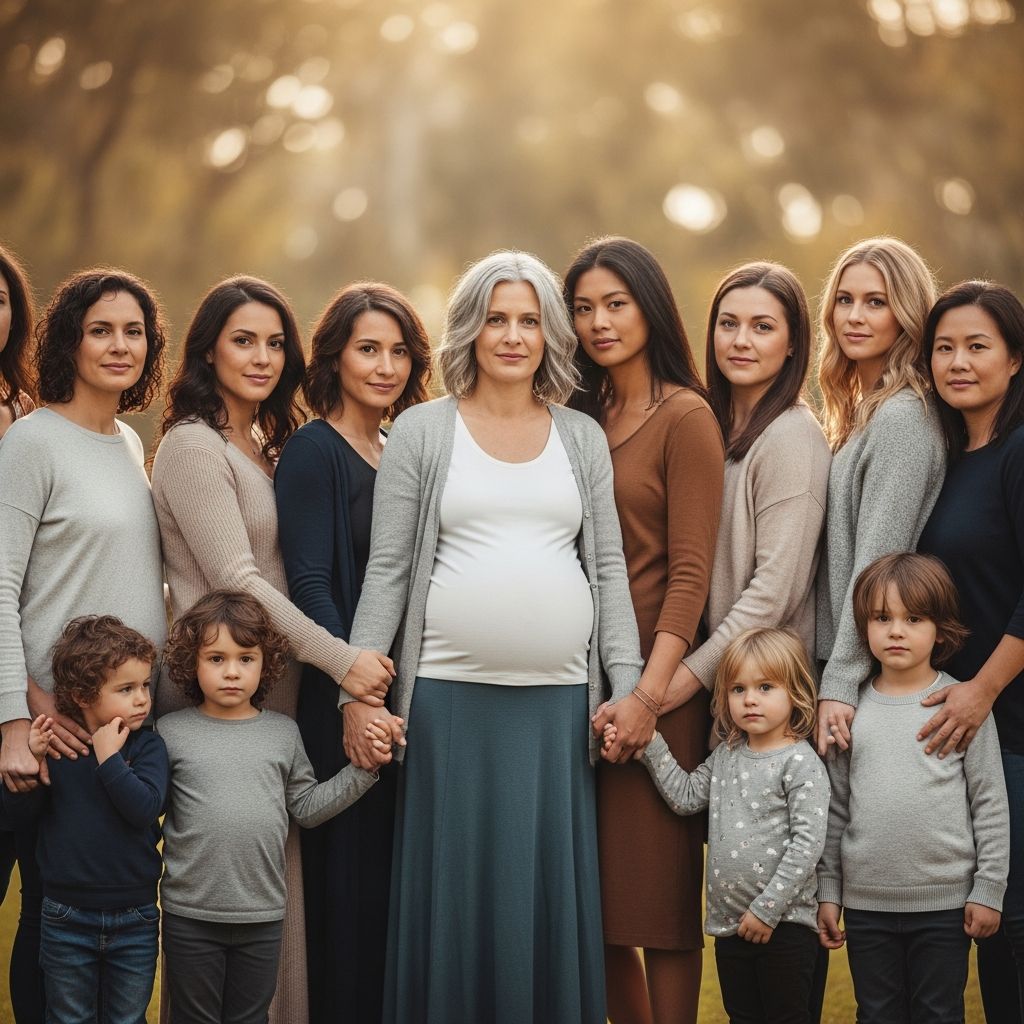
Public discourse often reduces women’s value to their reproductive status, fueling endless speculation about why some choose not to have children or face challenges in doing so. This invasive mindset overlooks individual circumstances, from private health battles to deliberate life priorities, creating unnecessary pain and stigma.
The Harm of Public Scrutiny on Personal Family Matters
Society’s obsession with women’s motherhood status turns private decisions into public spectacles. When celebrities like Jennifer Aniston face relentless questions about not having kids, it mirrors broader cultural tendencies to judge all women by the same metric. Aniston revealed enduring years of rumors labeling her as selfish or career-obsessed for prioritizing work over family, despite her undisclosed efforts to conceive.
This scrutiny extends beyond fame, affecting everyday women who navigate fertility issues silently. Assumptions that childlessness equates to personal failure ignore the emotional toll of infertility, which impacts about 10-15% of couples globally according to health authorities. Women report heightened anxiety from external judgments, exacerbating their struggles.
- Media amplifies stereotypes, portraying non-mothers as incomplete.
- Families and friends unwittingly pressure women, assuming universal longing for kids.
- Social media echo chambers reinforce biases, shaming diverse choices.
Unseen Fertility Journeys and Their Real Impact
Fertility challenges are profoundly personal, often hidden due to stigma. Aniston shared undergoing IVF treatments, trying alternative remedies like Chinese teas, and regretting not freezing her eggs earlier—efforts spanning two decades that failed. She described the ‘baby-making road’ as grueling, yet public narratives painted her as unwilling rather than struggling.
Statistics from the Centers for Disease Control and Prevention (CDC) indicate that 1 in 8 couples face infertility, with women bearing much of the diagnostic and treatment burden. Treatments like IVF succeed in only 20-35% of cases per cycle for women over 35, per the American Society for Reproductive Medicine (ASRM). These facts underscore why speculation dismisses real medical hurdles.[CDC Data on Infertility; ASRM IVF Success Rates]
Personal stories highlight resilience: many women pursue careers or relationships first, only to encounter age-related declines in fertility. Others grieve silently, choosing privacy over vulnerability to judgment.
Societal Biases: Why Women Face Unequal Judgment
Gender double standards dominate family discussions. Men rarely face questions about childlessness post-divorce, yet Aniston was blamed for her split from Brad Pitt, with rumors claiming she refused kids. She countered that a man’s career focus wouldn’t draw similar ire, exposing hypocrisy.
A 2023 Pew Research Center study found 57% of Americans believe society values mothers more than childless women, while fathers receive less scrutiny. This bias roots in traditional roles tying women’s fulfillment to motherhood, ignoring modern realities like delayed childbearing for education and careers.
| Gender Comparison | Women | Men |
|---|---|---|
| Post-Divorce Scrutiny on Kids | High: Assumed selfish if childless | Low: Career praised |
| Career vs. Family Narrative | Workaholic label | Provider success |
| Fertility Pressure | Constant questioning | Rarely addressed |
These disparities harm mental health, with studies linking motherhood pressure to increased depression rates among infertile women.
Diverse Paths: Celebrating Choice Over Assumption
Not all women desire motherhood, and that’s valid. Some prioritize travel, hobbies, or philanthropy; others build families through marriage, pets, or mentoring. Aniston emphasized feeling complete without kids, rejecting narratives of incompleteness.
Childfree by choice women report higher life satisfaction in surveys by the Institute for Family Studies, citing freedom from parenting demands. Conversely, those who tried and couldn’t conceive often find peace in alternative fulfillments, like strong friendships or professional legacies.
- Adoption isn’t a default fix; it carries its own complexities and isn’t for everyone.
- Step-parenting or fostering offers family bonds without biological ties.
- Childless women contribute immensely to society, from innovation to volunteering.
The Celebrity Spotlight: Lessons from High-Profile Cases
Celebrities endure amplified judgment, their lives dissected for clicks. Aniston’s 2016 op-ed pushed back against pregnancy rumors and body-shaming, advocating for women’s autonomy. She wrote it for others enduring similar invasions, highlighting how paparazzi harassment intensified her pain.
Other stars like Oprah Winfrey and Cameron Diaz have spoken on childfree fulfillment, challenging the motherhood mandate. These voices normalize variety, yet tabloids persist, as seen in Aniston’s recent reflections on letting truths emerge naturally.
Building Empathy: How to Shift Conversations
Change starts with restraint. Avoid asking ‘When are you having kids?’—it assumes intent and invites distress. Instead, foster inclusive dialogues celebrating all paths.
Employers can help by expanding fertility benefits; the Family and Medical Leave Act (FMLA) covers some treatments, but gaps remain. Advocacy groups like Resolve: The National Infertility Association push for better support.
- Listen without advising.
- Respect privacy boundaries.
- Challenge biased media narratives.
- Support policy for fertility equity.
Frequently Asked Questions (FAQs)
What drives public obsession with women’s motherhood status?
Societal norms link women’s worth to maternal roles, amplified by media seeking drama. This ignores personal contexts like health or choice.
Is infertility common, and what are its causes?
Yes, affecting 1 in 8 couples per CDC. Causes include age, PCOS, endometriosis, and lifestyle factors. Treatments vary in success.[CDC Infertility Report]
Why don’t more women freeze eggs despite regrets like Aniston’s?
Awareness is growing, but costs ($10K+ per cycle) and lack of insurance coverage deter many. ASRM recommends counseling for those delaying family.[ASRM Guidelines]
Can childfree women be truly happy?
Research shows many report higher satisfaction due to autonomy. Happiness is individual, not dictated by parenthood.[Pew Research]
How has media coverage of Aniston’s story evolved?
From ‘Sad Jen’ pity to reluctant acknowledgment of her struggles, though speculation lingers. She now prioritizes inner circle truths.
Empowering Women Beyond the Motherhood Lens
Releasing judgment frees women to define success authentically. Aniston’s journey—from IVF battles to embracing childfree life—illustrates resilience against reductive labels. Society benefits when we value contributions over checklists, fostering empathy for all family structures.
Ultimately, women’s lives encompass careers, relationships, growth, and impact. Speculation robs dignity; understanding restores it. By curbing assumptions, we honor privacy and diversity in fulfillment.
References
- Jennifer Aniston sets record straight on baby rumors and IVF struggles — Fox News. 2024-10-15. https://www.foxnews.com/entertainment/jennifer-aniston-confronts-rumors-about-being-selfish-workaholic-not-having-children
- National Infertility Statistics — Centers for Disease Control and Prevention (CDC). 2023-06-08. https://www.cdc.gov/reproductivehealth/infertility/index.htm
- IVF Success Rates and Guidelines — American Society for Reproductive Medicine (ASRM). 2024-01-12. https://www.asrm.org/topics/topics-index/ivf/
- Views on Childlessness Among Women — Pew Research Center. 2023-11-20. https://www.pewresearch.org/social-trends/2023/11/20/parenting-in-america-today/
- How Jennifer Aniston Became the Poster Child for Childless Women — Airmail News. 2024-01-20. https://airmail.news/issues/2024-1-20/beyond-the-friends-zone