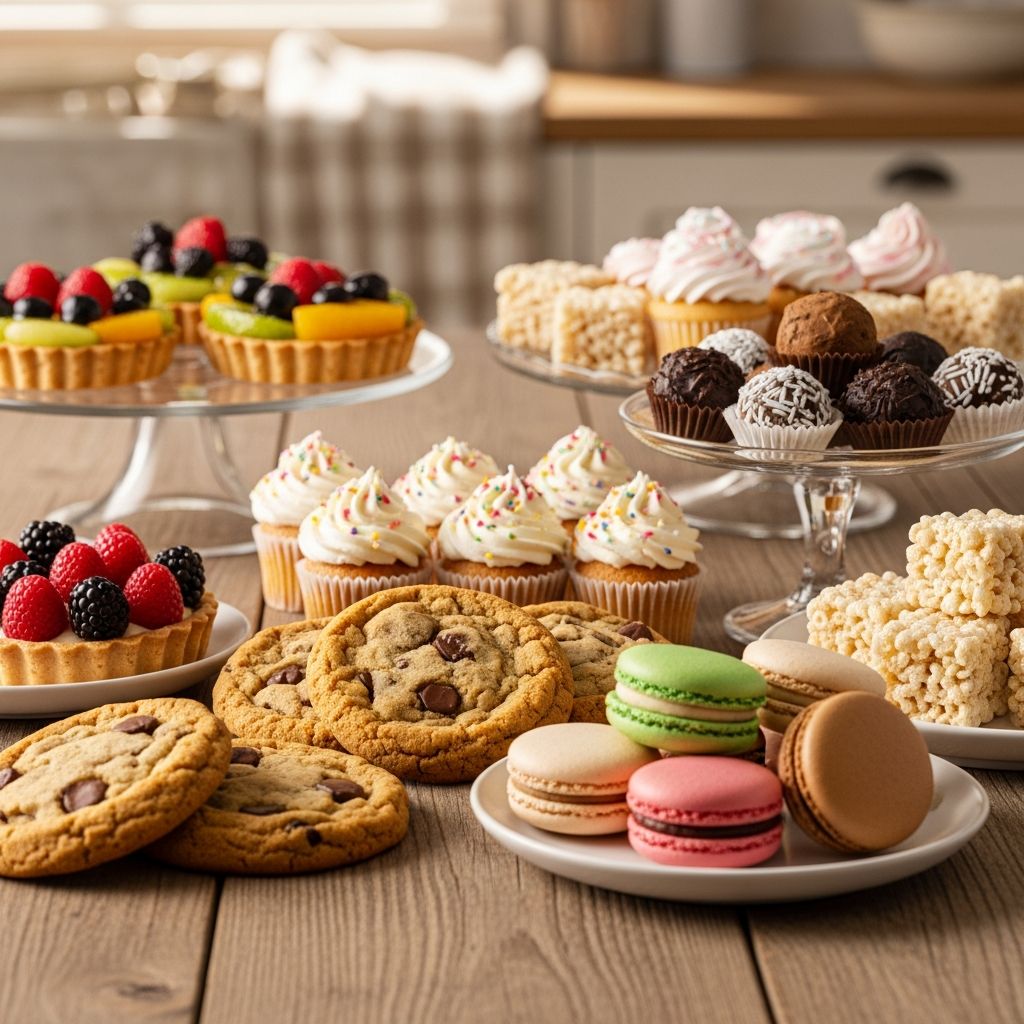
Baking for those with nut allergies requires thoughtful planning and creative ingredient selection, but the results can be just as delicious and satisfying as traditional recipes. Whether you’re baking for a child with a nut allergy, catering to dietary restrictions at an event, or exploring alternative ingredients for personal health reasons, nut-free baking opens up a world of possibilities. The key to success lies in understanding which ingredients work as effective substitutes and how to modify traditional recipes without sacrificing flavor or texture.
Understanding the Challenge of Nut-Free Baking
Nuts have long been staple ingredients in baking, valued for their protein content, healthy fats, and distinctive flavors. When these ingredients must be eliminated entirely, bakers face the challenge of maintaining the moisture, structure, and taste that nuts traditionally provide. Additionally, cross-contamination concerns mean that separate preparation areas and utensils are often necessary to ensure absolute safety for those with severe allergies.
The complexity extends beyond simply omitting nuts from a recipe. A direct substitution approach rarely works; instead, successful nut-free baking requires a holistic understanding of how different components work together. This includes selecting appropriate flour bases, choosing binding agents, incorporating healthy fats, and adding nutritional elements that would have come from nuts in traditional recipes.
Essential Flour Alternatives for Structure and Texture
The foundation of any baking project starts with flour, and for nut-free creations, multiple options exist beyond standard wheat flour. Each flour type brings distinct characteristics to finished baked goods, requiring bakers to understand these differences to achieve optimal results.
Oat flour provides a mild flavor and creates tender crumb structures in cookies, cakes, and quick breads. Made by grinding rolled or steel-cut oats, this flour is naturally gluten-free and adds subtle sweetness and nutty notes without any nut content. It works particularly well in cookie recipes and baked oatmeal applications.
Coconut flour offers a slightly sweet, tropical flavor profile that complements fruit-based baked goods. This flour is extremely absorbent, so recipes using it typically require additional moisture from eggs, oil, or dairy alternatives. When used properly, it creates dense, moist textures ideal for brownies and chocolate-based treats.
Rice flour delivers a neutral taste and fine texture, making it an excellent choice for delicate baked goods like cakes and pastries. It blends well with other flours to create balanced flour blends that provide both structure and lightness.
Incorporating Seeds and Seed-Based Products
Seeds represent one of the most versatile categories of nut-free baking ingredients, offering nutritional density, pleasant flavors, and multiple application methods. These tiny powerhouses can be used whole, ground into flours, or processed into butters that mimic the richness of traditional nut butters.
Sunflower seeds and pumpkin seeds provide excellent crunchy textures that replace the satisfying bite nuts would offer. When ground into fine meals or butters, sunflower seed butter and soynut butter deliver creamy consistency and rich flavors suitable for spreading on toast, swirling into cookie dough, or creating smooth nut-free peanut butter alternatives. These products work seamlessly in both simple applications and complex baking recipes.
Flax seeds and chia seeds contribute nutritional value and functional properties to baked goods. When mixed with water, these seeds create gel-like substances that act as egg replacers, helping bind ingredients and add moisture to recipes. A typical ratio involves mixing one tablespoon of ground flax or chia seeds with three tablespoons of water and letting it sit for fifteen minutes before incorporating into batter.
Dairy and Plant-Based Milk Solutions
Milk plays a crucial role in baking by adding moisture, creating tender crumbs, and contributing to browning and flavor development. For those avoiding nuts, traditional dairy milk works perfectly, but many bakers prefer exploring plant-based alternatives that offer similar functional properties.
Oat milk stands out as an excellent nut-free choice, providing creamy consistency and a subtle sweetness that enhances baked goods. Its similar composition to dairy milk makes it a one-to-one replacement in most recipes without requiring adjustments.
Coconut milk contributes tropical flavors and rich texture, working especially well in chocolate-based treats and fruit-forward recipes. Rice milk offers neutral flavor and light consistency, functioning reliably as a general-purpose substitute.
The critical consideration when selecting dairy alternatives involves ensuring they are processed in dedicated nut-free facilities, eliminating cross-contamination risks that could compromise safety for those with severe allergies.
Natural Sweeteners and Flavor Enhancers
Beyond basic sugar, multiple sweetening options can elevate nut-free baked goods while adding complexity and depth to flavor profiles. Natural sweeteners like honey, maple syrup, and agave nectar not only provide sweetness but also contribute moisture and unique taste characteristics.
These liquid sweeteners work best in recipes where they can be fully incorporated, such as cakes, muffins, and quick breads. They often require slight adjustments to dry ingredient ratios since they add liquid to the overall mixture. The distinct flavor notes these sweeteners provide can enhance chocolate-based treats, complement fruit flavors, or create sophisticated taste combinations that simple white sugar cannot achieve alone.
Managing Moisture and Binding Without Traditional Ingredients
Achieving proper texture in nut-free baking often depends on effectively managing moisture and ensuring adequate binding. Common ingredients used for these purposes include applesauce, mashed bananas, and pureed pumpkin. These ingredients serve dual purposes: they add moisture that keeps baked goods tender and soft, while simultaneously providing natural sweetness and nutritional value.
For egg replacement in binding applications, flaxseed or chia seed slurries work effectively. These mixtures hydrate and create viscous substances that help hold ingredients together, crucial for maintaining structure in cakes, brownies, and quick breads. Commercial egg replacers also function reliably in nut-free baking, offering consistent results for bakers who prefer standardized products.
Essential Safety Protocols in Nut-Free Food Preparation
When baking for individuals with nut allergies, implementing comprehensive safety measures prevents potential allergic reactions from cross-contamination. This involves far more than simply excluding nuts from recipes.
Dedicated preparation spaces, separate utensils, and thoroughly cleaned appliances create physical barriers preventing nut proteins from transferring to nut-free foods. All ingredients must be sourced from facilities certified as nut-free or from items explicitly labeled as nut-free. Even trace amounts of nuts from shared processing equipment can trigger severe reactions in individuals with severe allergies.
Clear communication about preparation methods and ingredient sourcing demonstrates responsibility and respect for the safety concerns of those with allergies. Labeling baked goods with ingredient lists and allergen information, even in casual settings, provides essential transparency.
Recipe Ideas Across Multiple Categories
Cookies and Simple Treats represent accessible starting points for nut-free bakers. Rich, chewy chocolate chunk cookies satisfy cravings while remaining completely nut-free. Oatmeal-based cookie recipes work wonderfully when enhanced with seeds, dried fruit, or chocolate chips. These cookies require minimal special ingredients while delivering maximum satisfaction.
Cakes and Cupcakes offer versatile canvases for nut-free creativity. Classic vanilla cakes prove that simple, quality ingredients create extraordinary results without requiring nuts. Spiced cakes, fruit-infused layers, and chocolate varieties all accommodate nut-free preparation with appropriate flour and fat selections.
Quick Breads and Muffins naturally suit nut-free adaptation since they rely less on nuts for structure than some other baked goods. Banana breads, pumpkin varieties, and berry muffins work beautifully when moisture comes from pureed fruit or applesauce rather than traditional nut butters. These treats work for breakfast, snacks, or dessert contexts.
Specialty Breads like artisan loaves can incorporate seeds for texture and nutrition without compromising nut-free status. Seeded honey oat breads and whole grain varieties provide sophisticated flavors and satisfying textures suitable for both casual and special occasions.
Commercial Options for Convenience
For those preferring to purchase rather than bake, multiple commercial brands now offer dedicated nut-free baked goods and treats. These products range from donuts and cookies to frozen desserts, providing convenient alternatives when time or expertise prevents home baking. Brands like Katz and Sweet Loren’s have built reputations specifically around allergen-friendly products, understanding the market’s need for reliable, safe options.
When selecting commercial products, reading ingredient labels remains crucial even for brands marketed as allergen-friendly, since processing practices and ingredient sourcing vary between manufacturers.
Troubleshooting Common Nut-Free Baking Challenges
Bakers new to nut-free creations often encounter predictable challenges. Dense, dry textures frequently result from incorrect flour selections or insufficient liquid adjustments. Understanding that alternative flours have different absorption rates prevents this common problem.
Spreading or structural issues sometimes occur when proper binding agents haven’t replaced eggs or traditional fats. Experimenting with small batches helps identify which binding solutions work best for specific recipe types.
Flavor profiles may seem flat if too many flavor-contributing ingredients were eliminated. Incorporating seeds, natural sweeteners, and complementary spices ensures nut-free baked goods remain flavorful and interesting.
Common Questions About Nut-Free Baking
Q: Can I use regular recipes by simply leaving out nuts?
A: No. Nuts contribute moisture, fat, structure, and flavor to recipes. Simply omitting them creates inadequate results. Instead, incorporate compensatory ingredients like seeds, alternative flours, and additional binding agents to maintain proper texture and taste.
Q: What’s the best substitute for almond flour in baking?
A: Oat flour, coconut flour, and rice flour each offer different advantages depending on your recipe type. Oat flour provides the most similar texture and neutral flavor, while coconut flour works better for dense, moist applications. You may need to experiment to find your preferred option.
Q: How do I prevent cross-contamination when baking nut-free treats?
A: Use dedicated utensils, bowls, and appliances separate from those used with nut products. Thoroughly clean all equipment before beginning nut-free preparation. Source ingredients from nut-free facilities and check labels carefully for processing warnings.
Q: Are commercial nut-free products always safe?
A: While many brands specialize in nut-free products, always read ingredient labels and check for cross-contamination warnings. Some manufacturers process nuts and nut-free items in shared facilities, which poses risks for those with severe allergies.
Q: What seed butters work best as nut butter replacements?
A: Sunflower seed butter and soynut butter most closely replicate the creamy texture and rich flavor of traditional nut butters, making them excellent one-to-one substitutes in recipes.
References
- The Ultimate Guide to Allergy-Friendly Baking: Insights from a No Nuts Bakery — Baked Cravings. Accessed February 2, 2026. https://www.bakedcravings.com/blogs/blogs-press-and-updates/the-ultimate-guide-to-allergy-friendly-baking-insights-from-a-no-nuts-bakery
- 50+ Amazing Nut Free Baked Goods — Ambitious Kitchen. Accessed February 2, 2026. https://www.ambitiouskitchen.com/nut-free-baked-goods/
- Dairy and Nut Free Alternatives — Just Allergy Things. Accessed February 2, 2026. https://www.justallergythings.com/post/dairy-and-nut-free-alternatives