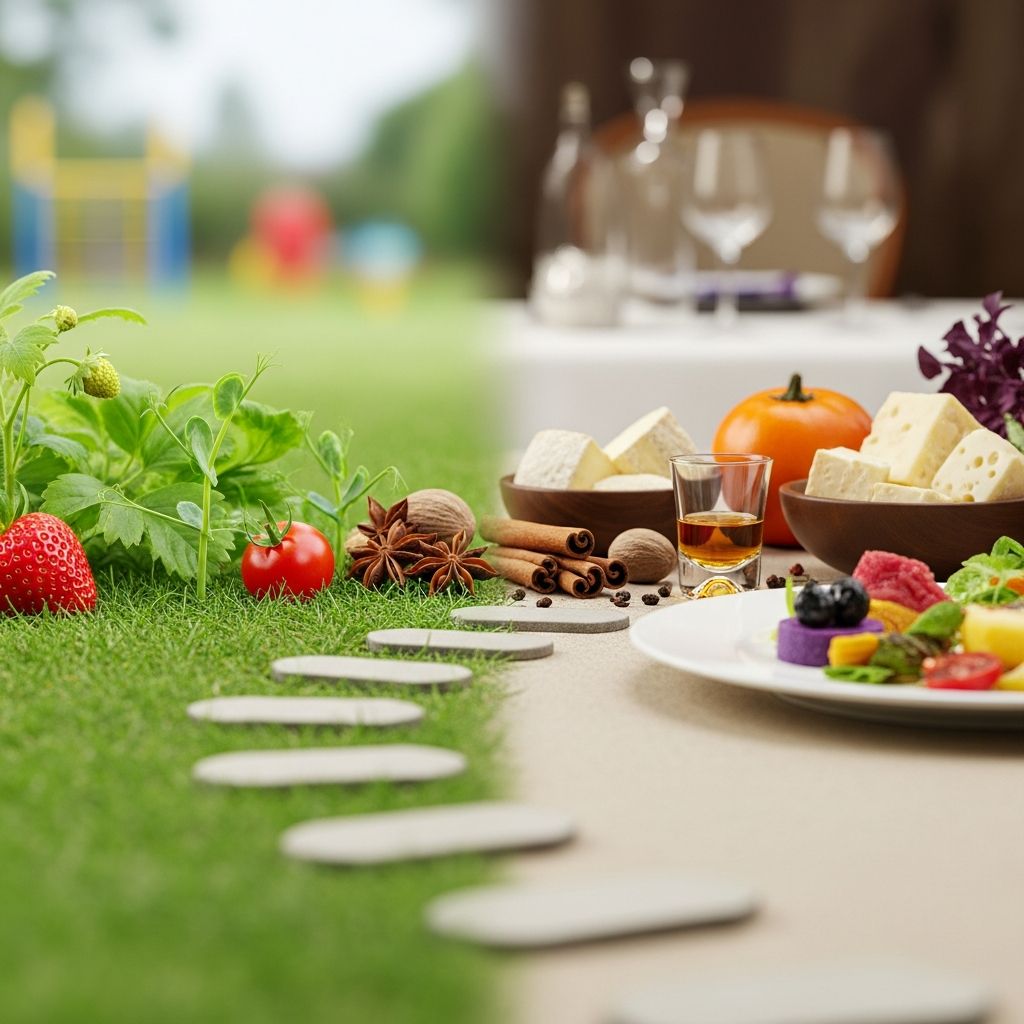
The Journey of Taste: How Our Palates Transform Over Time
Throughout our lives, the foods we love and crave undergo remarkable transformations. What tasted delicious at twenty may seem bland at fifty, while flavors once considered unpalatable might become genuine favorites. This evolution in taste preference isn’t merely a matter of developing a more refined palate or becoming pickier—it’s a complex interplay of biological, psychological, and environmental factors that reshape our relationship with food as we age.
The experience of taste encompasses far more than the simple act of eating. Our perception of flavor involves our taste buds, our sense of smell, our digestive system, and even our memories and emotions associated with particular foods. As these systems age and change, so too does our experience of every meal we consume. Understanding these transformations can help us make sense of shifting preferences and ensure we continue to nourish ourselves adequately throughout all stages of life.
Biological Changes in Taste Perception
The most fundamental reason our taste preferences shift relates to changes in our taste buds themselves. Our mouth contains approximately 10,000 taste buds at birth, but this number decreases over time. In our younger adult years, our taste buds regenerate quickly—typically surviving for 10 to 14 days before being replaced by new ones. This constant renewal ensures stable flavor detection throughout early adulthood.
However, around age 50, a noticeable shift begins. The total count of taste buds starts to decline, and the remaining ones become less sensitive. By the time individuals reach 60 years old, distinguishing between salty and sweet flavors becomes significantly more challenging, though the perception of bitter and sour tastes remains relatively intact.
This physiological decline affects which flavors we can detect most easily. Research shows that elderly individuals experience a pronounced decline in taste perception for sweet, salty, and umami flavors—those savory tastes found in foods like aged cheeses and mushrooms. In response to these diminished sensations, many older adults naturally gravitate toward more intensely flavored foods. Foods that seemed overpowering in younger years may now register at just the right level of intensity.
Beyond the Taste Buds: Additional Sensory Factors
Taste changes with age extend beyond the taste buds themselves. Our sense of smell plays an equally crucial role in how we experience food, yet this sense also diminishes over time. When we eat, the aroma of food travels to our nose, where scent receptors send signals to our brain that combine with taste bud information to create the complete flavor experience we perceive.
As we age, the nerves in our nose lose sensitivity, leading to a diminished ability to smell. This change can profoundly affect how food tastes. If you cannot smell your food or if it smells different than it once did, the entire eating experience changes, even though your taste buds might be functioning normally. Many people attribute changes in food preference to taste when they’re actually experiencing decreased olfactory function.
Saliva production also declines with age, affecting our ability to taste and enjoy food. Certain medications and health conditions like Alzheimer’s disease can further reduce saliva production, creating a dry mouth that makes food taste different and more difficult to chew. Without adequate saliva, taste molecules cannot dissolve properly, preventing our taste receptors from detecting flavors effectively.
Lifestyle and Experience Shape Our Changing Palates
While biology creates the foundation for taste changes, our lived experiences significantly influence what we prefer to eat. As we transition into adulthood, our taste preferences continue to evolve based on factors like changes in metabolism, lifestyle, and overall health status. Many individuals develop a greater appreciation for complex or savory flavors during this phase, such as herbs, spices, and umami-rich foods.
Culture, travel, and exposure to different cuisines profoundly shape our taste preferences throughout adulthood. Someone who grows up in a household where spices are used liberally will develop different preferences than someone from a culture emphasizing milder flavors. Similarly, international travel and exposure to global cuisines can fundamentally alter what we enjoy eating.
A fascinating aspect of adult taste development involves the maturation of our palate toward more sophisticated flavors. Many people develop refined preferences for wine, cheese, and gourmet items during their adult years. What once seemed too complex or bitter gradually becomes appreciated for its nuance and depth. This shift reflects both our increasing ability to detect subtle flavor compounds and our accumulated positive experiences with these foods.
The Paradox of Intensified Cravings in Later Life
As taste sensitivity declines with age, a curious phenomenon emerges: older adults often seek increasingly intense flavors. This creates a paradox where diminished taste perception leads to consumption of more concentrated tastes—particularly sweet and salty foods. This response represents an adaptive mechanism; by selecting more intensely flavored foods, individuals with reduced taste perception can still detect the nuances in flavors that matter most to them.
Unfortunately, this natural adaptation can create health challenges. A diet consistently high in salt and sugar can increase the risk of high blood pressure, Type 2 diabetes, and unwanted weight gain. Additionally, older adults may not eat adequate amounts of nutritious foods if those foods taste bland, potentially leading to poor nutrition, vitamin deficiencies, and unintended weight loss. The desire to add salt and sugar to foods, while understandable given taste changes, can compromise overall health outcomes.
Individual Variation in Taste Preferences Among Older Adults
Despite the general patterns of taste change with aging, significant individual variation exists. Some older adults continue to enjoy a wide range of flavors while others develop stronger preferences for sweeter or milder foods. These differences reflect the intersection of genetic factors, medical conditions, medication use, and personal history with food.
Certain medications can affect taste perception directly, while others impact saliva production or appetite. Someone managing multiple health conditions may experience taste changes quite different from a similarly aged person in excellent health. Additionally, lifelong dietary habits and positive associations with particular foods can override biological changes, allowing some individuals to maintain diverse taste preferences throughout their lives.
Strategies for Maintaining Nutrition and Enjoyment
Understanding taste changes allows us to adapt proactively rather than reactively. Rather than simply adding more salt and sugar when foods taste bland, several healthier approaches can enhance flavor and maintain nutritional quality.
Using Herbs and Spices Strategically
When the prominence of certain flavors like salty and sweet starts to diminish, culinary herbs and spices offer excellent solutions. Basil, oregano, and rosemary can invigorate dishes, while spices such as turmeric, paprika, and black pepper elevate taste profiles substantially. Natural flavor enhancers like lemon zest and fresh ginger bring brightness and complexity to meals without relying on salt or refined sugar.
Experimenting with Temperature and Texture
Temperature influences how we perceive flavor. Cold dishes can refresh and emphasize certain tastes, while warm dishes often provide rounder, more complex taste profiles. Varying serving temperatures and textures throughout meals can help maximize flavor perception despite diminished taste bud sensitivity.
Exploring Umami-Rich Foods
Since umami perception declines less dramatically than sweet and salty perception with age, emphasizing umami-rich foods represents a smart nutritional strategy. Aged cheeses, mushrooms, tomatoes, and broths contain natural umami compounds that satisfy without excessive salt. These foods provide both nutrition and genuine flavor satisfaction.
Culinary Diversification
Experiencing global cuisines offers a delightful pathway to adaptation. Flavors previously experienced as overpowering—such as the spice levels in Indian curries or the deep umami of Japanese broths—may now strike exactly the right balance. This approach to eating broadens our food experiences while accommodating changing taste perceptions.
The Importance of Detecting Food Safety
Beyond enjoyment and nutrition, taste and smell changes have practical safety implications. Our ability to detect spoiled food relies partly on taste and smell. Older adults with significantly diminished taste and olfactory perception may struggle to identify when food has gone bad. This increased vulnerability to foodborne illness represents a genuine health concern requiring awareness and preventive strategies like checking expiration dates and proper food storage practices.
Addressing Medication and Health Condition Effects
Since certain medications and health conditions directly affect taste perception and saliva production, consulting with healthcare providers about these effects can sometimes yield solutions. While not all medication effects on taste can be reversed, awareness allows for informed conversations about alternatives or supplementary strategies. Managing underlying health conditions effectively often improves taste perception as a beneficial side effect.
Common Questions About Taste Changes and Aging
At what age do significant taste changes typically begin?
The shift in taste perception typically begins around age 50, with more noticeable changes by age 60, though individual variation is substantial. Some people experience earlier changes due to medications or health conditions, while others maintain relatively stable taste preferences longer.
Is some loss of taste and smell with aging inevitable?
Some loss of taste and smell is natural and expected with aging, particularly after age 60, but the degree of change varies significantly among individuals. Maintaining good health, managing chronic conditions, and staying mentally engaged can help preserve these senses somewhat.
Can taste preferences change back if health improves?
In some cases, yes. If taste changes result from medication side effects or conditions affecting saliva production, improving these situations may partially restore taste perception. However, biological decline in taste bud number and sensitivity is largely permanent.
Why do older adults seem to prefer sweeter foods?
As sweet taste perception diminishes with age, older adults must consume increasingly sweet foods to detect sweetness adequately. Additionally, sweet flavor is generally easier to recognize than other tastes even when perception is compromised, making these foods naturally appealing when taste is declining.
How can I help an older family member maintain good nutrition despite taste changes?
Incorporate herbs, spices, and umami-rich foods; experiment with serving temperatures and textures; explore diverse cuisines; and help them maintain good oral health and adequate hydration. Also, encourage them to consult their healthcare provider about medication effects and underlying conditions affecting taste.
Embracing Change While Maintaining Health
The transformation of our taste preferences throughout life represents a natural and inevitable part of aging. Rather than viewing these changes as losses, we can approach them as opportunities to explore new foods, discover unexpected flavor combinations, and adapt our diets in ways that maintain both enjoyment and nutrition. By understanding the biological and lifestyle factors driving these changes, we position ourselves to make informed choices that support our health and quality of life throughout every stage of our lives. The foods that nourish us may taste different, but with thoughtful adaptation, they can remain genuinely satisfying and thoroughly enjoyable.
References
- How Our Palates Change As We Age — Beverly Crandon. Accessed February 2026. https://www.beverlycrandon.com/post/how-our-palates-change-as-we-age
- Changes in taste perception in elderly population and its potential implications — Frontiers in Oral Health. 2024-11-22. https://www.frontiersin.org/journals/oral-health/articles/10.3389/froh.2024.1517913/full
- Your Sense Of Taste Changes With Age. Here’s How To Manage It — Henry Ford Health. 2024-12-01. https://www.henryford.com/Blog/2024/12/Your-Sense-Of-Taste-Changes-With-Age
- Texas Dentistry Clinic Explains: Why does taste change over time? — LW Dentist. Accessed February 2026. https://www.lwdentist.com/texas-dentistry-clinic-explains-why-does-taste-change-over-time/
- When Do Taste Buds Change in the Aging Process? — BrightStar Care. Accessed February 2026. https://www.brightstarcare.com/locations/pinellas/about-us/blog/when-do-taste-buds-change-in-the-aging-process/
- Why does your sense of taste change as you age? — Encompass Health. Accessed February 2026. https://www.encompasshealth.com/health-resources/articles/why-does-your-sense-of-taste-change-as-you-age
- How Smell and Taste Change as You Age — National Institute on Aging. U.S. Department of Health and Human Services. Accessed February 2026. https://www.nia.nih.gov/health/teeth-and-mouth/how-smell-and-taste-change-you-age